







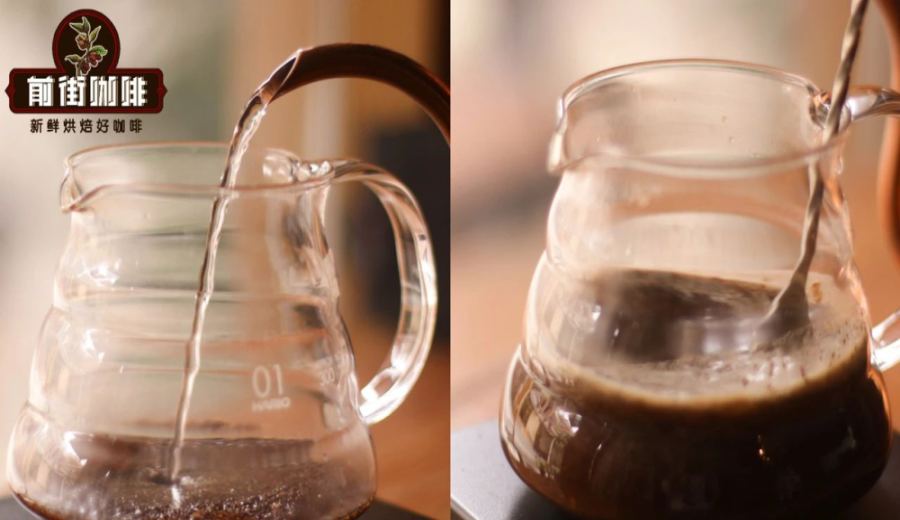
Introduction:Cold brew coffee excels in low-temperature slow extraction, often delivering a refreshing, low-acidity drinking experience. However, many people encounter issues like over-extraction and bitterness when making it at home. This article delves into the four key factors that influence cold brew flavor: coffee bean selection, coffee-to-water ratio, grind size, and steeping time. It will help you master the art of making cold brew that’s not bitter or astringent. Whether you prefer bright fruity notes or rich, balanced flavors, you can adjust to achieve your ideal taste.
Cold brew coffee, through prolonged immersion at low temperatures, has a very different extraction and flavor profile compared to traditional hot brewing. Though its preparation method may seem simple—just mixing cold water with ground coffee and letting it sit for several hours before filtering—it actually requires precise control over parameters. The resulting coffee liquid not only offers a clean and bright taste, but improper handling can also lead to noticeable bitterness and off-flavors.
The cold brew process mainly relies on cold water at 4 to 10°C, which has much lower extraction efficiency than hot water. This means the high-molecular-weight bitter compounds that are easily released during hot brewing are less likely to be extracted. However, due to the long steeping time, sugars and organic acids can be more fully released, creating a more harmonious balance between acidity, sweetness, and body.
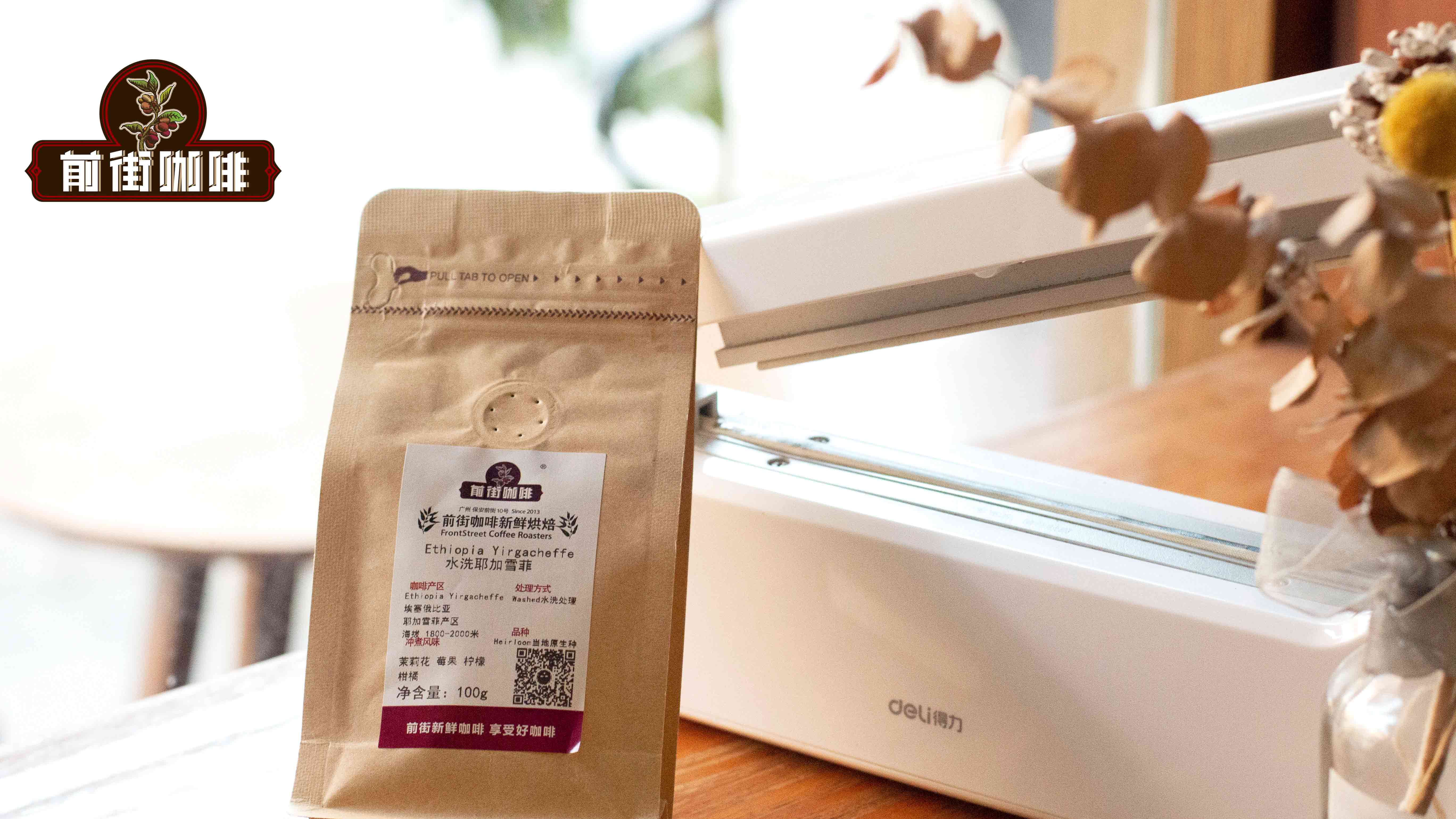
Many assume that any coffee beans suitable for pour over can be used for cold brew, but in fact, bean selection greatly impacts the final flavor. Dark roast beans, while capable of showcasing intense aroma and a rich mouthfeel in hot brewing, tend to release excessive roasted and carbonized off-notes when used for cold brew, especially after being chilled, resulting in a significantly flatter flavor profile.
In contrast, light to medium roast coffee beans are more suitable for cold brew. For those who prefer a bright, fruity, and floral profile, washed-process Ethiopian Yirgacheffe is a great choice—its vibrant citrus and floral characteristics are particularly prominent in cold brew. If you favor berry-like acidity and sweetness, Kenya’s small tomato variety is also an excellent option.
For those who don’t enjoy pronounced acidity and prefer a “pure coffee” taste, consider Papua New Guinea’s Bird of Paradise variety, which offers a balanced and smooth mouthfeel, making it highly suitable for cold brew. Additionally, if you’re interested in more unique processing methods, anaerobically processed Colombian Geisha or honey-processed Strawberry Sugar varieties can bring distinctive fruit fermentation aromas to your cold brew.
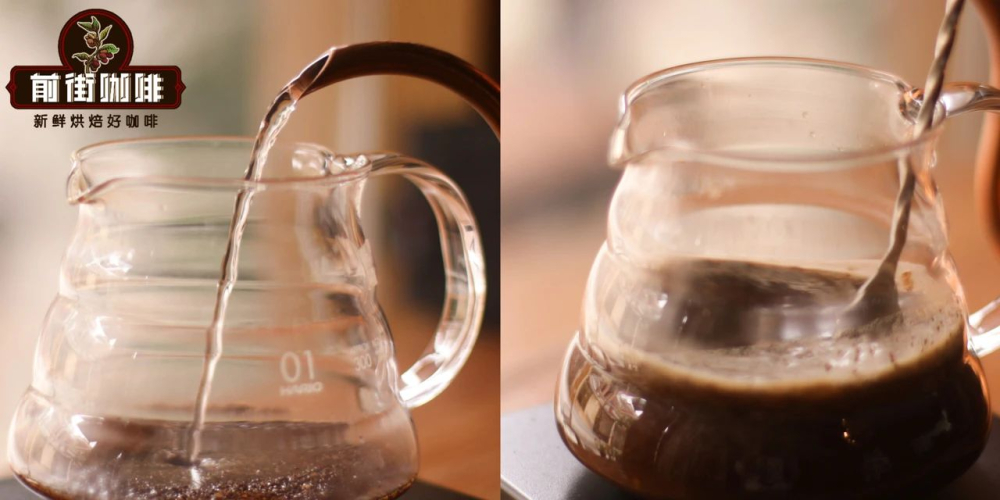
In cold brew preparation, the coffee-to-water ratio is one of the key factors affecting concentration and flavor balance. Many people, for the sake of convenience, mix coffee grounds and water without precise measurement, leading to unstable extraction results—sometimes too weak, sometimes too bitter.
It is recommended to keep the coffee-to-water ratio within1:10 to 1:13. If the ratio is too high, the coffee flavor will come across as thin; if the ratio is too low and the concentration too high, you can adjust by adding ice cubes when serving. Maintaining a consistent ratio is the foundation for ensuring uniform cold brew flavor each time.
In addition, the combination of grind size and steeping time is another core element that determines the success of cold brew. Since the cold brew process occurs in room temperature or refrigerated environments where the temperature is fixed, the extraction rate is primarily influenced by grind coarseness and steeping duration.
A common misconception is that “the finer the grind, the better the flavor.” But in cold brew, overly fine grinds can cause the coffee grounds to clump together, obstructing water flow and leading to over-extraction, resulting in woody or hay-like astringent bitterness. The ideal grind coarseness is about70% to 85%passing through a Chinese No. 20 standard sieve, similar in coarseness to fine sugar, which balances flavor extraction and smooth mouthfeel.
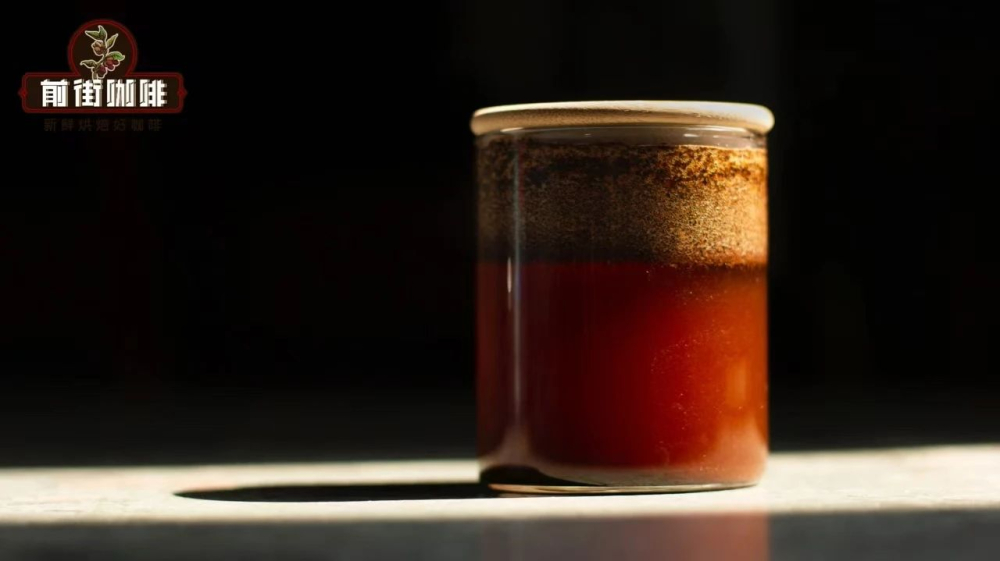
As for steeping time, it is generally recommended to fall within8 to 24 hours, with the actual duration adjusted according to grind size. If using a finer grind, it’s best to shorten the time to avoid over-extraction; if using a coarser grind, extend the steeping time to ensure sufficient extraction. Many people make cold brew at home and often forget to remove the grounds after an overnight soak, leading to over-extraction. But as long as the grind is coarse enough and the time is well managed, even if extraction is slightly delayed, it’s unlikely to produce significant negative flavors.
Overall, cold brew is a brewing method suitable for the “lazy”—simply mix coarse-ground coffee with cold water the night before, let it steep overnight, filter it the next day, and then refrigerate for maturation. This not only reduces the risk of over-extraction but also makes the flavor smoother and more layered. Master these basic parameters and techniques, and you can easily brew a cup of cold brew coffee at home that’s not bitter or astringent, with outstanding flavor.
The above content is compiled by CoffeeHunters, a coffee news website.


