








Introduction:Have you ever heard that the larger the coffee bean, the higher its grade and the more expensive it is? Many producing regions such as Kenya and Tanzania still grade coffee beans based on their size, but does this grading method truly reflect differences in flavor quality? This article will delve into the historical background and practical uses of such grading systems, explore the real impact of bean size on flavor, and help you understand the key factors that truly influence coffee flavor.
In the world of specialty coffee, many coffee-producing regions grade beans according to their size. Generally speaking, the larger the bean, the higher the grade and the relatively more expensive the price. However, does this grading criterion really reflect the coffee’s flavor performance? Experiments have been conducted where large and small beans from the same batch were cupped separately, and the results showed little difference in flavor. This raises the question: why do well-known regions like Kenya and Tanzania still insist on using bean size as a grading standard?
In fact, this size-based grading system is not without reason—it involves multiple factors such as history, market perception, and roasting practices. Early consumers generally believed that larger coffee beans looked fuller and of better quality, similar to the preference for larger fruits. Additionally, some believed that larger beans could be heated more evenly, helping to achieve more consistent roasting results. However, these notions are largely based on intuition and market habits rather than scientific evidence.
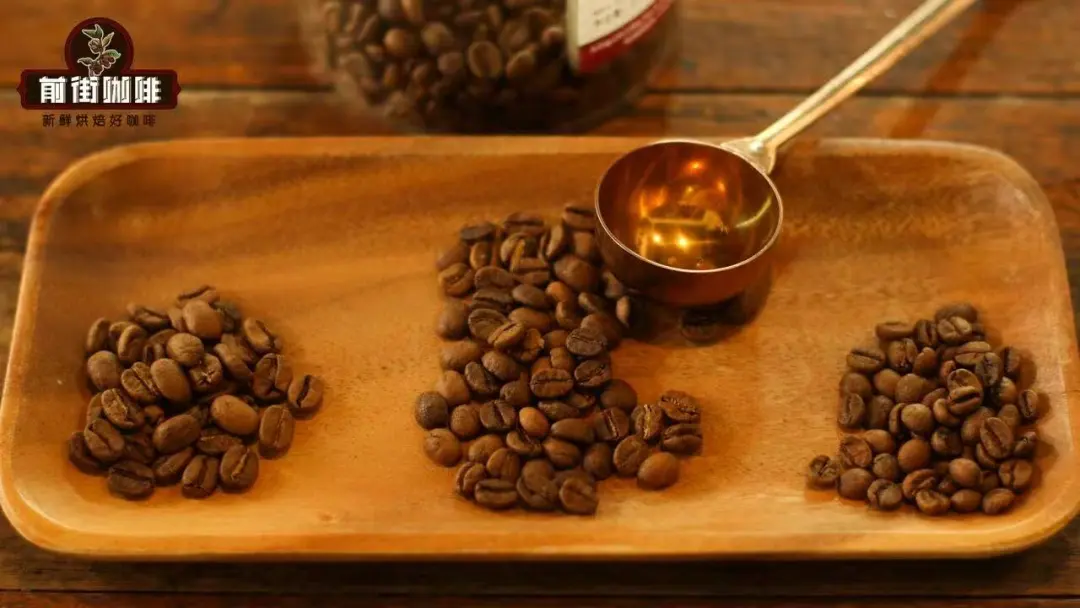
One brand once conducted an actual cupping experiment, screening the same coffee beans by size and cupping the large and small beans separately. The results showed no significant difference in overall flavor profile between the two, with only slight variations in subtle mouthfeel or extraction evenness, which were more related to the evenness of heat during roasting rather than the size of the beans themselves. Therefore, judging coffee quality and flavor solely based on bean size can be somewhat misleading.
So, what are the core factors that truly influence coffee flavor? Generally speaking, the coffee variety, growing altitude, microclimate, processing method, and roast level are the key elements that determine a cup of coffee’s flavor performance. For example, coffee grown at high altitudes usually has bright acidity and rich sweetness, while different processing methods—such as washed, natural, or honey—can bring distinctly different flavor characteristics.
Although size grading may not directly correlate with flavor quality, it still serves practical purposes. For instance, coffee beans of similar sizes are more likely to achieve consistent heating during roasting, which helps maintain flavor stability across a batch. Especially in commercial roasting or large-scale processing, this grading method can reduce uneven roasting caused by significant size differences, thereby improving the consistency of final product quality control.

Take Kenya as an example. The country commonly uses grades such as AA and AB to classify its coffee, a system that originates from the British colonial era. AA typically represents the largest beans and is considered the highest grade, while AB beans are slightly smaller but still fall within the high-quality range. Although this grading system is still in use today, it has gradually incorporated other evaluation criteria in recent years, such as the percentage of defective beans, cupping scores, and raw bean screen size, to more comprehensively assess the overall quality of the coffee.
It is worth noting that Kenya’s premium-grade beans, often described as having a “small tomato” flavor profile, typically exhibit bright acidity and unique fruit notes—for example, the refreshing taste of small tomatoes or dark plums. These flavor characteristics mainly stem from their unique processing methods and high-altitude growing environments, rather than being determined solely by bean size. A classic example is a certain brand’s Kenya · Small Tomato, which is of this premium grade. After roasting, the beans appear uniform in size and vibrant in color, and when brewed, they easily showcase delicate and layered flavors.
In summary, although coffee bean size grading has played an important historical role and offers some benefits for roasting uniformity, it is neither the sole nor the primary criterion for judging flavor quality. To truly understand the potential of a cup of coffee, one should take into account key factors such as variety, origin, altitude, processing method, and roasting craftsmanship. In the future, when purchasing coffee beans, consider paying more attention to these details that actually affect flavor, rather than relying solely on bean size as a basis for judgment.
The above content is compiled by CoffeeHunters, a coffee news website.


