







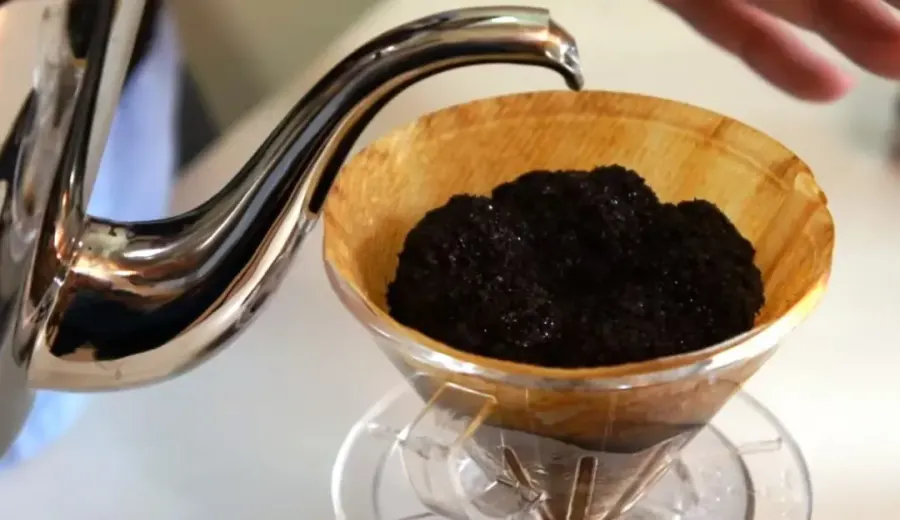
Introduction:Have you ever wondered why Japanese-style pour over often uses a large amount of coffee grounds yet doesn’t taste bitter? This is actually a classic application of the “high concentration, low extraction” method. This article delves into the principles behind this technique, starting with the characteristics of dark roasted beans, and explains how adjusting the coffee-to-water ratio, grind size, and water temperature can effectively suppress bitterness and enhance a rich mouthfeel. Using PWN Golden Mandheling as an example, it also provides a complete guide to cold brew pour over, including key parameters, to help you recreate a bold yet smooth classic dark roast flavor step by step.
Coffee drinkers who enjoy Japanese-style dark roast often notice a common phenomenon: a relatively high dosage of coffee grounds is used, but the amount of water poured is more restrained, resulting in a brew that is intense yet not bitter. This approach is now categorized as “high concentration, low extraction” — a brewing strategy specifically designed for dark roasted beans that preserves a rich texture while skillfully avoiding the risk of over-extraction. This article will break down its scientific principles and use the classic PWN Golden Mandheling as a demonstration to help you master practical brewing techniques.
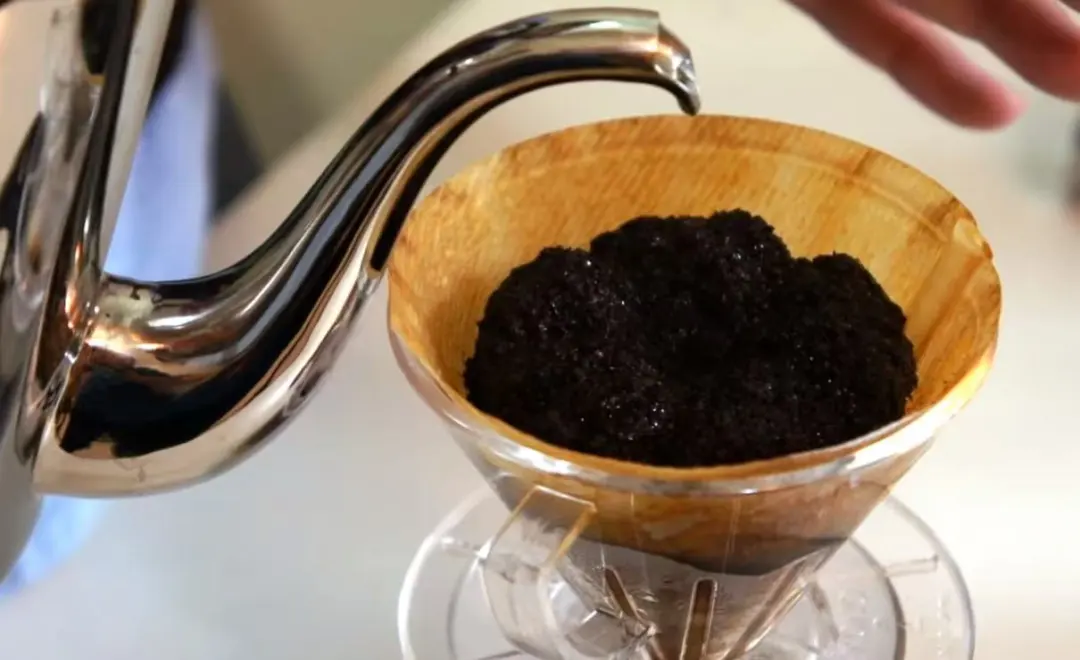
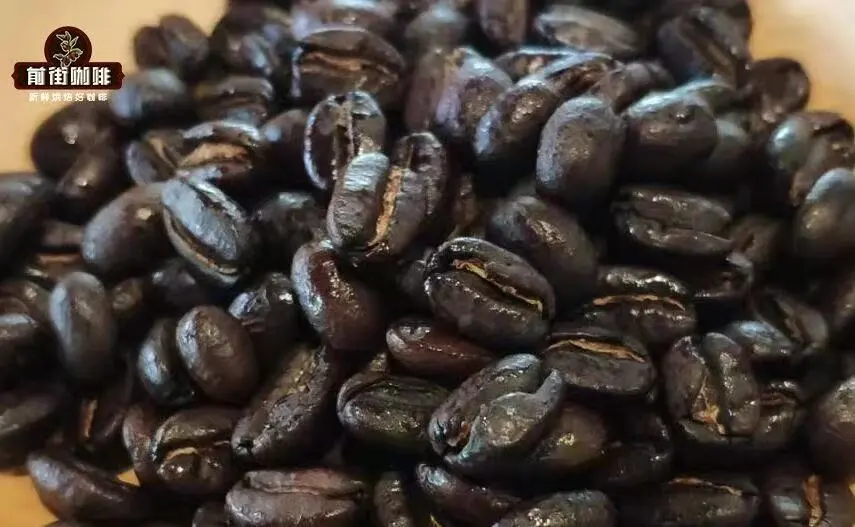
Looking back at the early days of Japanese pour over culture, the method of using a large amount of coffee grounds with a small amount of water was not accidental. At that time, the mainstream dark roast beans were roasted to an extremely deep level, often exhibiting an oily sheen on the surface and emitting strong roasted aromas. However, due to the prolonged high-temperature processing, the internal structure of these beans became expanded and porous, causing soluble substances (including bitter components) to be released at a significantly faster rate. Traditional brewing methods that used standard parameters could easily lead to the over-extraction of bitter substances.

To balance the flavors, professionals developed three main strategies: first, using a coarser grind size to reduce the contact area between coffee grounds and water; second, by raising the pouring height or switching to drip-style pouring, lowering the actual temperature the coffee bed is exposed to; and most crucially, adjusting the coffee-to-water ratio — increasing the amount of coffee grounds while reducing the total brew water volume. This combination of “high concentration but low extraction rate” is now commonly referred to as the high concentration, low extraction technique. Its core logic is that the limited amount of water restricts the total amount of bitter substances that can be dissolved, while the relatively higher concentration of the coffee liquid maintains a full-bodied mouthfeel.
The advantages of high concentration, low extraction are not limited to bitterness control. From a sensory experience perspective, under the same extraction rate, using a larger amount of coffee grounds increases the total amount of soluble solids in the water, directly enhancing the richness of the coffee. Empirical data shows that for every 1% increase in concentration, the tactile sensation in the mouth becomes noticeably stronger. In addition, a wealth of flavor compounds concentrated in a smaller volume of liquid results in a more focused flavor profile upon tasting. This is the scientific foundation behind the Japanese pour over style’s pursuit of “intensity without heaviness.”
For practical brewing, it is recommended to start with PWN Golden Mandheling. This classic Indonesian dark roast bean undergoes traditional kiln firing, resulting in nearly non-existent acidity after roasting. Its primary notes showcase a complex aroma of rich chocolate, caramel, and spices, with a silky creamy finish. It is suitable for both pour over and espresso brewing, and its origin is traceable, ensuring consistent and reliable quality.
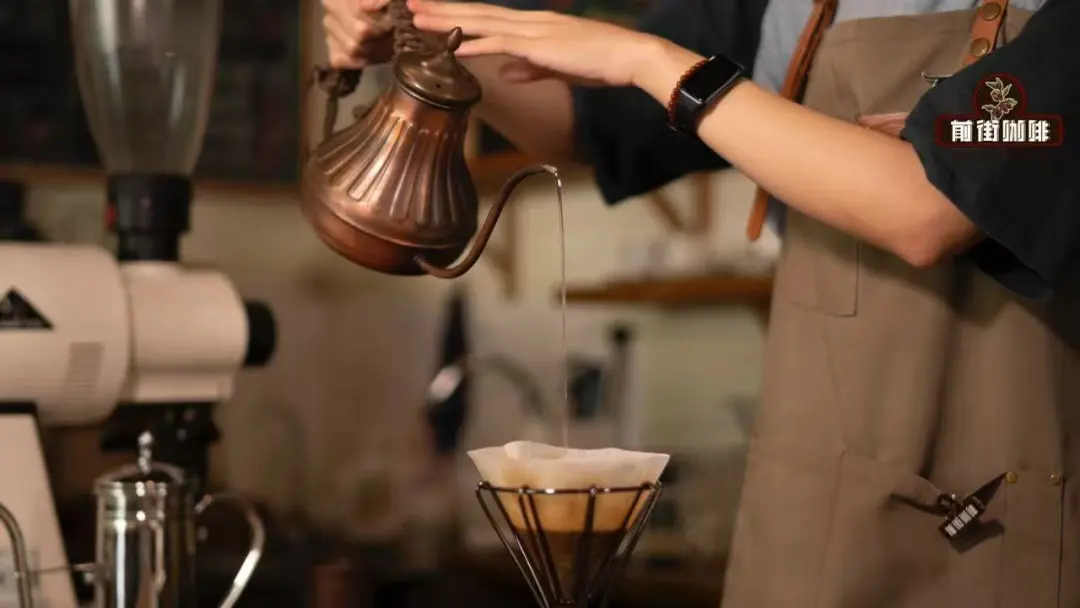
The parameters demonstrated here are as follows: 20 grams of coffee grounds, a coffee-to-water ratio of 1:10 (total water volume 200 ml), grind size adjusted to 75% passing through a #20 sieve (slightly finer than conventional hot brew), water temperature controlled at 90°C, paired with a Kono filter. Considering the convenience of modern brewing, an ice pour variation is specially adopted — starting with a 30-second bloom (pouring 40 ml of water), followed by dividing the remaining 160 ml of hot water into three pours. Each pour is done slowly in a circular motion with a fine stream of water, ensuring the previous water has fully penetrated before proceeding to the next pour.
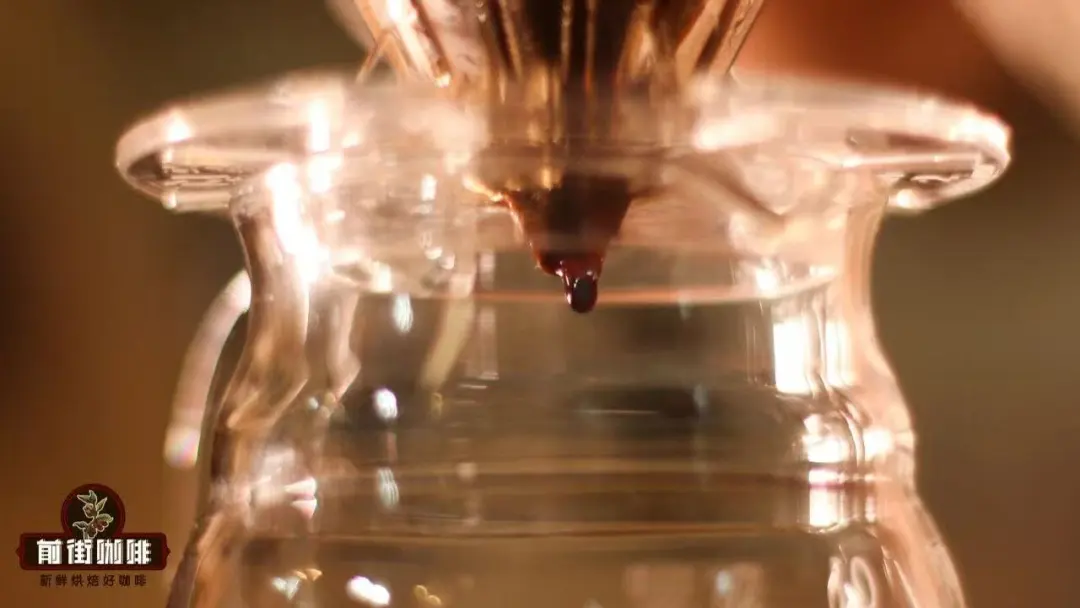
Please note: the coffee liquid brewed using these parameters is of a higher concentration. It is recommended to add an additional 100 ml of hot water to dilute it, shaking well before drinking. This approach not only maintains the rich qualities of the high concentration, low extraction method, but also adjusts it to a more palatable flavor balance. If you wish to try the traditional method of pouring directly with hot water, you may refer to advanced adjustment techniques such as segmented temperature control and pouring rhythm.
The above content is compiled by CoffeeHunters, a coffee news website.


