







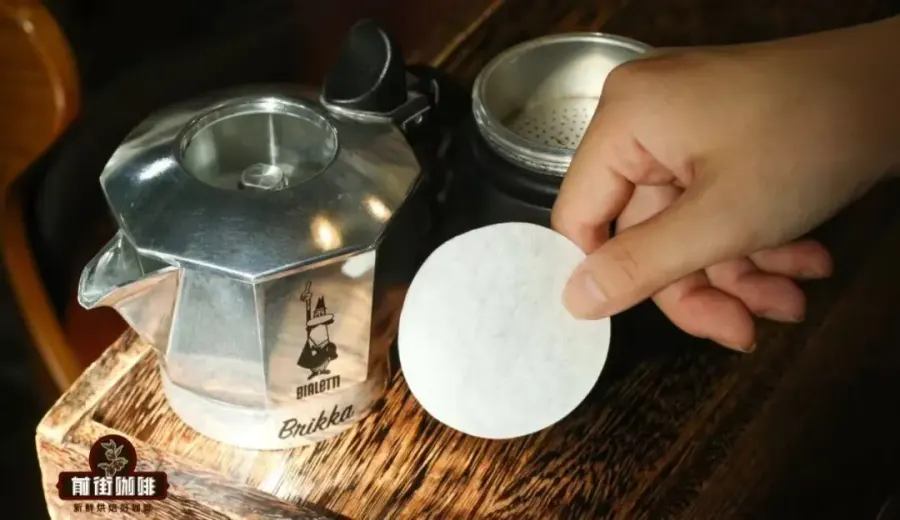
Introduction:When using a moka pot, have you ever wondered whether to use filter paper? And should the filter paper be placed at the bottom of the coffee chamber or on top of the coffee puck? In fact, the placement of the filter paper directly affects the evenness of coffee extraction, flavor performance, and ease of cleaning. This article will delve into the two common ways of using filter paper in a moka pot—placing it at the bottom of the coffee chamber or on top of the coffee puck—to help you understand their extraction principles, impact on flavor, and practical cleaning benefits, so you can make the best choice based on your needs.
During the use of a moka pot, whether or not to add filter paper has always been one of the focal points of discussion among many coffee enthusiasts. However, a more critical question is: should you place the filter paper at the bottom of the coffee chamber or lay it on top of the coffee puck? These two approaches may seem simple, but they lead to significantly different extraction results and user experiences. In fact, the choice of filter paper placement affects water distribution, extraction pressure, flavor clarity, and even ease of cleaning.
If you choose to place the filter paper at thebottomof the coffee chamber, this method helps the hot water penetrate the entire coffee bed more evenly, avoiding localized over-extraction or under-extraction. Additionally, because the filter paper provides support, the coffee puck is more likely to be removed intact, and it greatly reduces the chance of coffee grounds getting stuck in the holes of the coffee chamber, making the cleaning process faster and easier.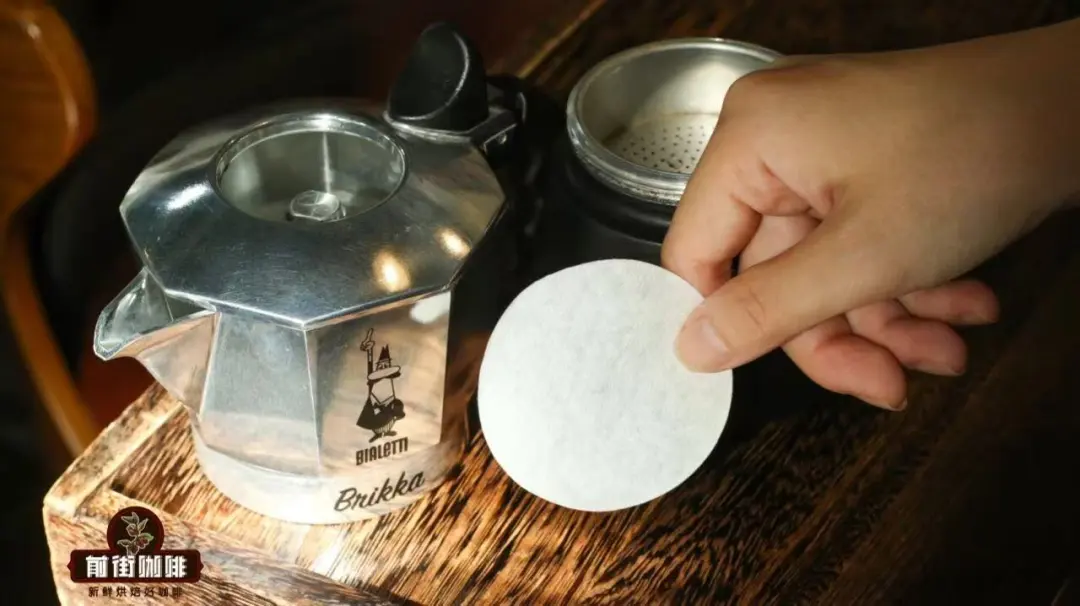
In fact, a certain coffee brand conducted a comparative experiment using a classic blend suitable for both moka pot and espresso brewing. They brewed moka pot coffee under the same grind size, coffee dose, and water temperature, with the only difference being the presence or absence of filter paper at the bottom of the coffee chamber. The results showed that there was almost no significant difference in flavor performance between the two methods, both showcasing the blend’s typical notes of chocolate, nuts, and cream, with equally rich body and long-lasting aftertaste.
However, upon closer comparison, the cup with filter paper had a slightly higher concentration, though the difference was minimal and barely noticeable without deliberate side-by-side tasting. The most practical benefit lies in cleaning: since the filter paper helps maintain the structural integrity of the coffee puck, it doesn’t crumble when knocked out, and almost no fine grounds get trapped in the tiny holes of the filter, making the entire washing process quicker and less labor-intensive.
If your main issue with using a moka pot is the difficulty of cleaning afterward—especially when coffee grounds stick to the filter or corners of the coffee chamber—thenplacing filter paper at the bottom of the coffee chamber is a practical and effective solution, even though it makes minimal difference to flavor, it does offer clear cleaning advantages.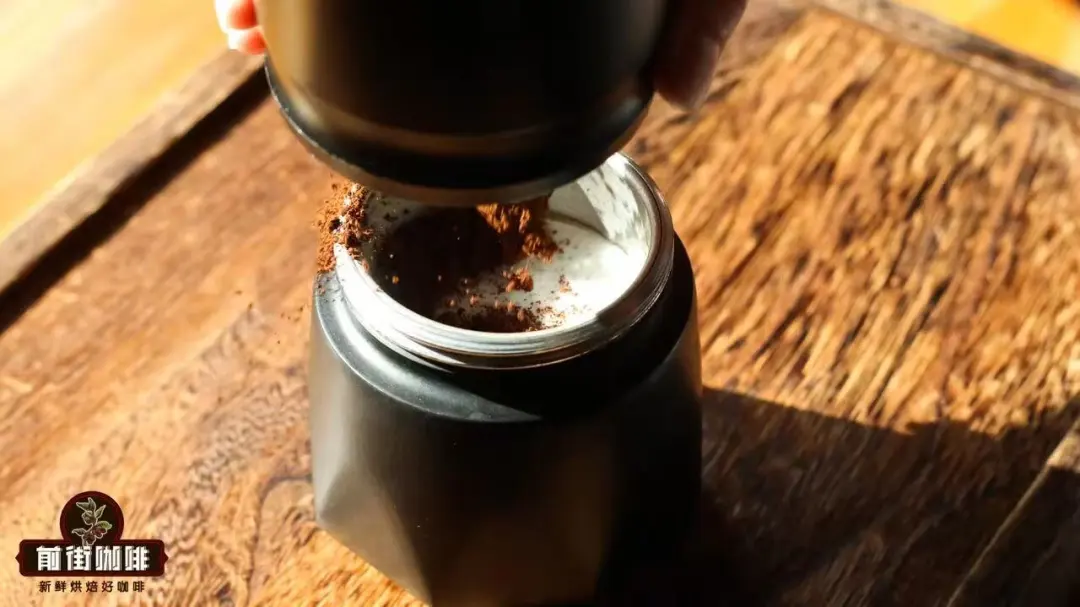
On the other hand, many users prefer to place the filter paper on top of the coffeepuck. The advantages of this method are mainly reflected in two aspects: first, it effectively filters out finer coffee particles, thereby improving the clarity and purity of the extracted liquid; second, it canslightly increase the extraction pressure, thereby enhancing extraction efficiency.
The built-in filter of a moka pot has relatively large pores and cannot effectively block extremely fine particles like professional filter paper can. Therefore, if you find that your brewed coffee often has suspended fine particles, a slightly rough texture, or noticeable bitterness, adding a filter paper on top of the coffee puck can effectively filter out these tiny particles, making the coffee taste smoother and cleaner, with fewer off-flavors.
Additionally, because the filter paper occupies some space, it forces the coffee liquid to pass through a narrower path to seep out, which can somewhat increase the extraction pressure. Although the increase is limited, when you’re using a coarser grind or insufficient coffee dose, this “pressurizing” effect can sometimes compensate for some under-extraction issues, leading to a more complete overall extraction.
In summary, the placement of filter paper in a moka pot should be chosen based on your actual needs:If your primary goal is easy cleaning, maintaining puck integrity, and reducing leftover coffee grounds, then it is recommended to place the filter paper at the bottom of the coffee chamber;If you care more about flavor clarity, want to filter out fine particles, or wish to optimize extraction by slightly increasing pressure, then you might consider placing the filter paper on top of the coffee puck.
Whichever method you choose, it’s recommended to consistently use the same approach to better understand your moka pot’s optimal extraction performance, and further adjust parameters such as grind size and brew ratio to gradually find your personal coffee flavor balance.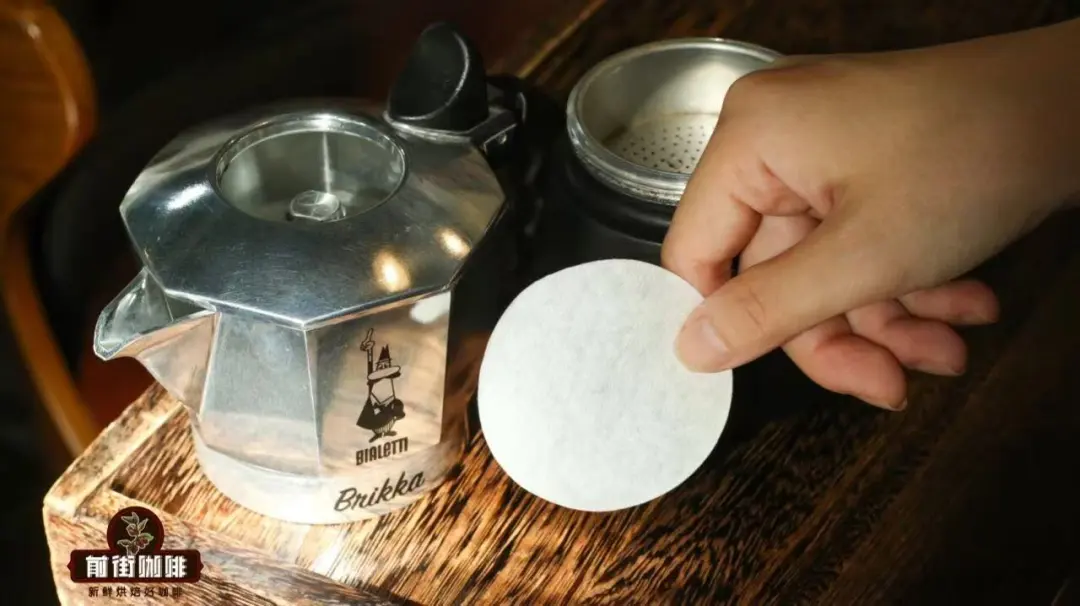
The above content is compiled by CoffeeHunters, a coffee news website.


