







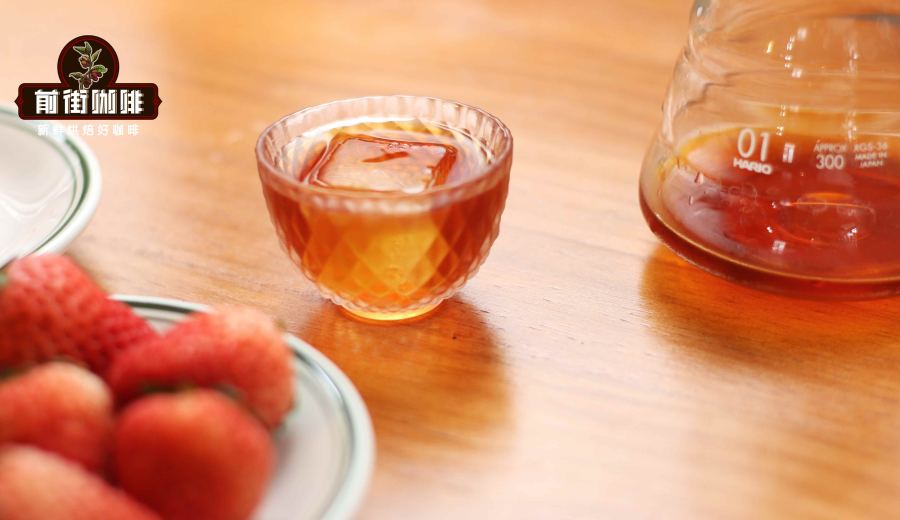
Introduction:Want to easily make a rich and layered cold brew Vienna coffee at home? This article will detail the optimal extraction parameters for the cold brew base, recommend coffee bean varieties that pair well with cream, and provide practical differences and tips between milk foam and whipped cream. With clear steps and expert advice, help you master the entire process from ingredient selection to final enjoyment, and create a cold brew Vienna with striking flavor contrast that’s truly impressive.
On a hot summer day, a refreshing cold brew coffee is one of the most enjoyable ways to cool down and recharge. Adding a layer of smooth cream on top not only makes it more visually appealing, but also instantly elevates the flavor profile. This recently popular “Cold Brew Vienna” is the perfect combination of the crispness of cold brew and the creamy texture of cream. Though it may seem complex, mastering just a few key elements allows you to easily make it at home.
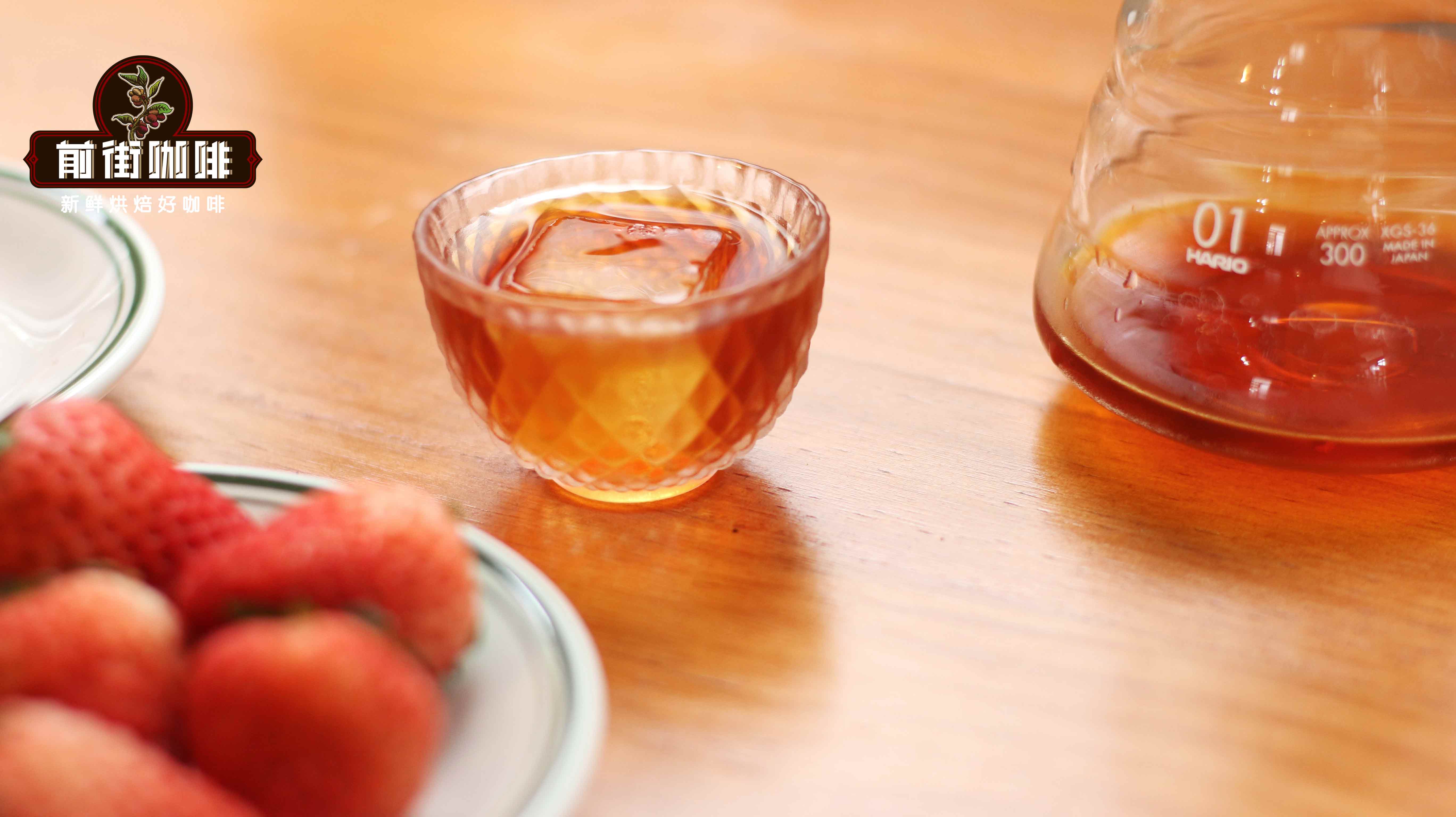
The charm of Cold Brew Vienna lies in its clever fusion of the richness of cold brew coffee and the sweetness of cream. Compared to regular coffee with just milk foam or fresh milk, the cool and clean base of cold brew better highlights the delicate and lush qualities of cream. But to bring out the best flavor contrast in this drink, the roast level of the coffee beans and the treatment of the cream are the two key factors that influence the overall experience.
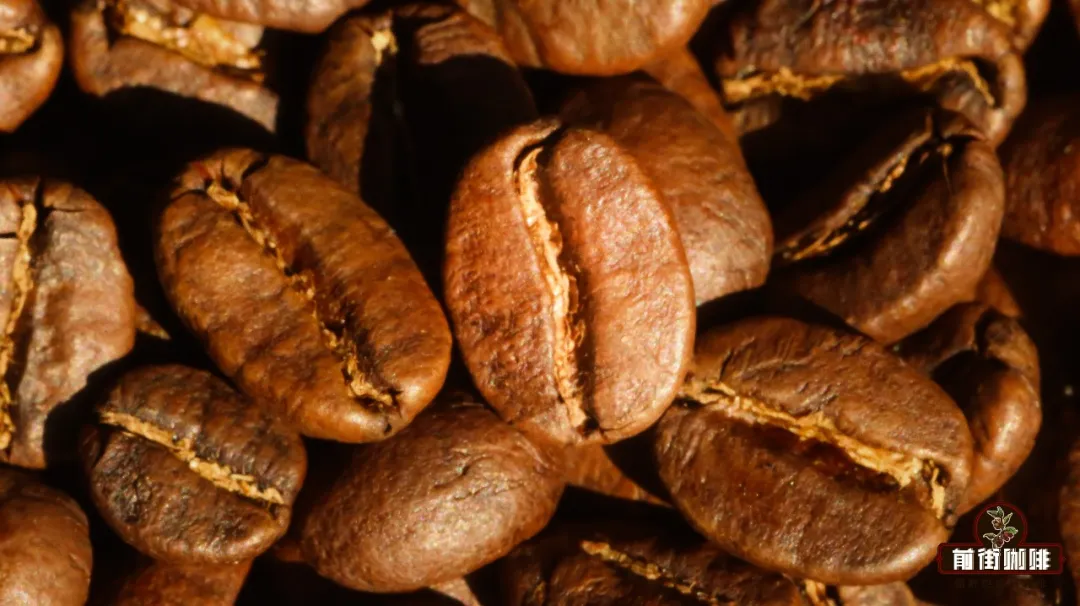
Let’s start with the choice of coffee beans. Cold brew generally favors medium to dark roasted beans, as these tend to have lower acidity and often feature aromas of caramel, chocolate, or nuts, which complement the sweetness of cream more harmoniously. Light roast beans, while prominent in fruity and floral notes, have noticeable acidity, which can clash with sweet cream and result in an unbalanced taste.
If you prefer a bold and full-bodied coffee, go for a dark roast like Golden Mandheling. This bean has almost no noticeable acidity, with flavors of chocolate, caramel, nuts, and a hint of spice—perfectly highlighting the sweet richness of cream. If you lean more toward fruity profiles, consider beans processed with honey or anaerobic fermentation methods, such as Strawberry Sugar · Geisha Blend, Blackberry, or Xizha series. These often carry distinct berry, tropical fruit, and floral notes, adding a more vibrant layer to your cold brew.
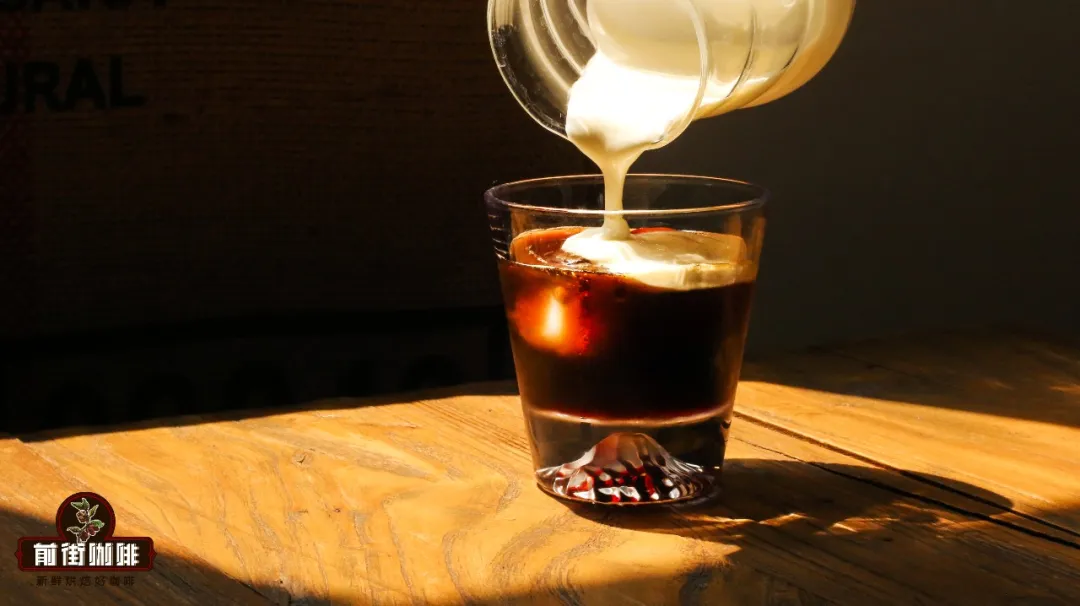
Next is the choice and preparation of cream. Common forms of cream mainly fall into two types: one is fully whipped cream with a light and fluffy texture, and the other is a less whipped version that retains fluidity—known as milk cap. The former is commonly used in drinks like Espresso Con Panna or traditional Vienna coffee, while the latter is increasingly popular in modern beverages.
If you want a more layered drink that’s easy to adjust, it’s recommended to use a milk cap. Since it’s less whipped, it retains better fluidity, allowing you to taste the blend of coffee and cream as you sip. You can also stir it with a spoon to mimic the experience of a milk coffee. Additionally, it’s not recommended to add salt to the milk cap unless you specifically enjoy a salty-sweet contrast, as it might interfere with the coffee’s clean flavor.

For the actual preparation, it’s advised to use a coffee-to-water ratio of about 1:10 for the cold brew base, with a grind size of around 70% sieved through a No. 20 sieve. The steeping time should be controlled between 8 to 12 hours to achieve a balanced and smooth cold brew base. After filtering, you may choose to let the cold brew sit in a sealed bottle for several hours to “mature,” helping concentrate the flavors and bring out subtle fermented notes, further enhancing the overall profile.
As for whipping the milk cap, adjust the sugar level to your taste without adding salt. Whip it until the fluidity is reduced but it can still be easily poured—that way, the milk cap can gently cover the cold brew while creating a delightful contrast in texture and flavor.
Finally, when drinking, it’s recommended to take a big sip to let the milk cap and cold brew coffee enter your mouth together. First, you’ll experience the smoothness and creaminess of the milk cap, followed by the crisp and rich flavor of the cold brew. The contrast in both flavor and texture is striking, yet complementary, creating a rich and surprising taste experience.
In summary, Cold Brew Vienna is a coffee drink that may seem simple but offers great depth and versatility. By mastering the roast selection of coffee beans, cold brew extraction parameters, and the treatment of cream, you too can easily make a unique and memorable Cold Brew Vienna at home. Get started and experience the charm of this summer coffee creation today.
The above content is compiled by CoffeeHunters, a coffee news website.


