







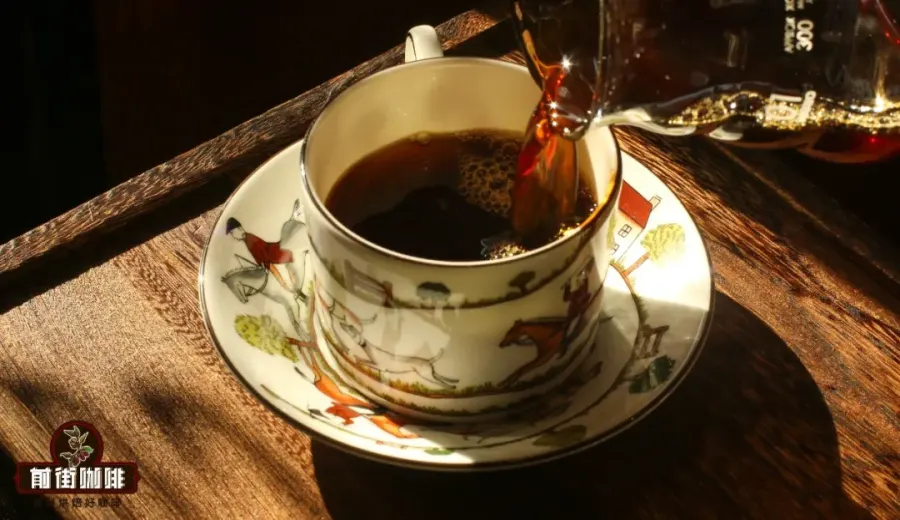
Introduction:The optimal flavor window for freshly brewed pour over coffee is often as short as just one hour—once the temperature drops and aromas dissipate, the coffee quickly loses its charm. Is there a way to extend this magical moment? Pouring the freshly brewed coffee into a thermos leverages its airtight and insulated properties, effectively slowing down flavor loss and extending enjoyment by 2 to 3 times. This article delves into the principles behind thermos storage, presents practical test results, and recommends types of coffee beans well-suited for drip extraction, helping you master a more ideal coffee tasting strategy.
The allure of pour over coffee lies in its delicate and varied flavors, but many coffee enthusiasts face a common challenge: a carefully brewed cup of pour over often tastes best within the first hour after brewing. As time passes, aromas fade, temperature drops, and the mouthfeel deteriorates significantly. Is there a way to prolong this delightful experience? The answer is to use a thermos.
By pouring freshly brewed hot coffee into a thermos, the combined effects of an airtight seal and insulation can greatly slow down the evaporation of aromas and the loss of heat. According to practical tests, this storage method can extend the coffee’s peak flavor period to 2 to 3 times its original duration. However, this doesn’t mean coffee can be stored indefinitely—over time, taste and hygiene may still be compromised, so it’s still best to enjoy it while fresh.
Why doesn’t hot coffee stay good for long? The key factors are aroma and temperature. The rich flavors we perceive when drinking coffee mainly come from volatile aromatic compounds. Once these substances dissipate over time or exposure to air, the coffee can easily become bland. In addition, the taste experience of coffee is closely related to temperature. At higher temperatures, bitterness and acidity are less noticeable, but as the coffee cools, these flavors gradually emerge. If the coffee beans themselves are of average quality, undesirable off-notes become even more apparent at lower temperatures.
Moreover, certain substances in coffee may precipitate or coagulate upon cooling, affecting the smoothness of the mouthfeel and making the overall drinking experience feel rougher. This is also why many people feel that coffee is best enjoyed when hot. Therefore, if you want to extend the enjoyment of your pour over coffee, using a thermos becomes a practical and simple solution.
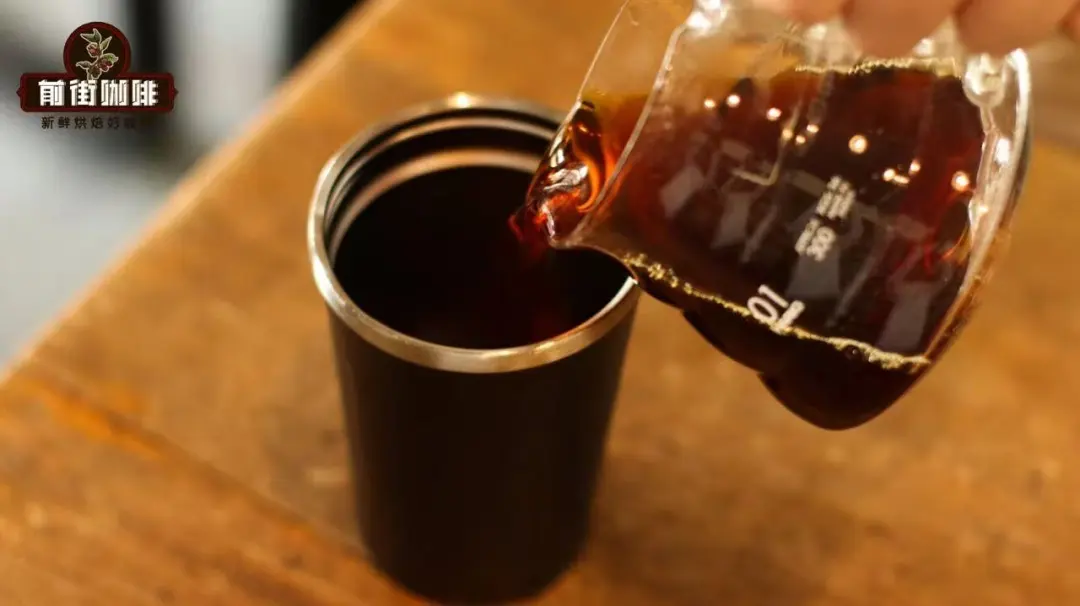
How does a thermos work? Its principle lies in creating a sealed and temperature-stable environment. When coffee is poured into a thermos, the enclosed space reduces the diffusion of aromatic compounds to the outside. Over time, the concentration of aromas inside the bottle gradually reaches saturation, further slowing the rate of aroma loss. Additionally, the thermos’s excellent insulation slows down the temperature drop of the coffee, keeping it relatively hot for several hours and thus maintaining better flavor performance.
However, this method isn’t perfect—the thermos can delay but not completely prevent flavor loss. In fact, based on previous tests, when a fragrant, pour over-friendly coffee bean (such as Panamanian Boquete Geisha) was brewed and poured into a standard thermos, after two hours, distinct notes of floral, citrus, honey, and oolong tea were still clearly perceptible, with a balanced mouthfeel and a long finish. But by the third hour, the aroma and flavors began to noticeably decline, and by the fourth hour, the original characteristics became almost indistinguishable.

It’s worth noting that the thermos used in the experiment was not a top-tier high-temperature differential model, and the sample size was limited, so the data is for reference only. Nevertheless, it’s sufficient to prove that a thermos can indeed extend the coffee’s flavor enjoyment period to some extent. If you’re not planning to drink your pour over coffee right away, pouring it into a bottle with good sealing and insulation is undoubtedly a smarter choice than leaving it in an ordinary cup.
However, regardless of the type of thermos used, it’s not recommended to keep coffee in it for extended periods. Coffee is not a sterile liquid, and prolonged stillness still carries a risk of bacterial growth—especially when the coffee cools to room temperature, microbial activity becomes more active. Therefore, even if you want to enjoy an extended flavor window, it’s advisable to finish the coffee within 2 to 3 hours to ensure both safety and taste.
Beyond storage techniques, selecting coffee beans suitable for drip methods (such as pour over or filter cone brewing) is also crucial. Generally, coffee beans well-suited for pour over have pronounced acidity, clear fruit tones, and rich layers of aroma. With appropriate extraction parameters (e.g., water temperature of 88–94°C, coffee-to-water ratio of 1:15–1:17), these beans can showcase their optimal flavors. For example, coffees from Central America such as Yemen Mocha, Guatemala Antigua, or those from South America like Colombian Huila and Brazilian Cerrado are all common and popular choices for pour over.
When selecting beans, pay attention to roast level—medium-light to medium roasts often preserve more of the original flavor characteristics and are better suited to highlight the subtle changes during the pour over process. In addition, freshness is key; it’s recommended to choose beans roasted within 2 to 4 weeks for the best flavor performance.
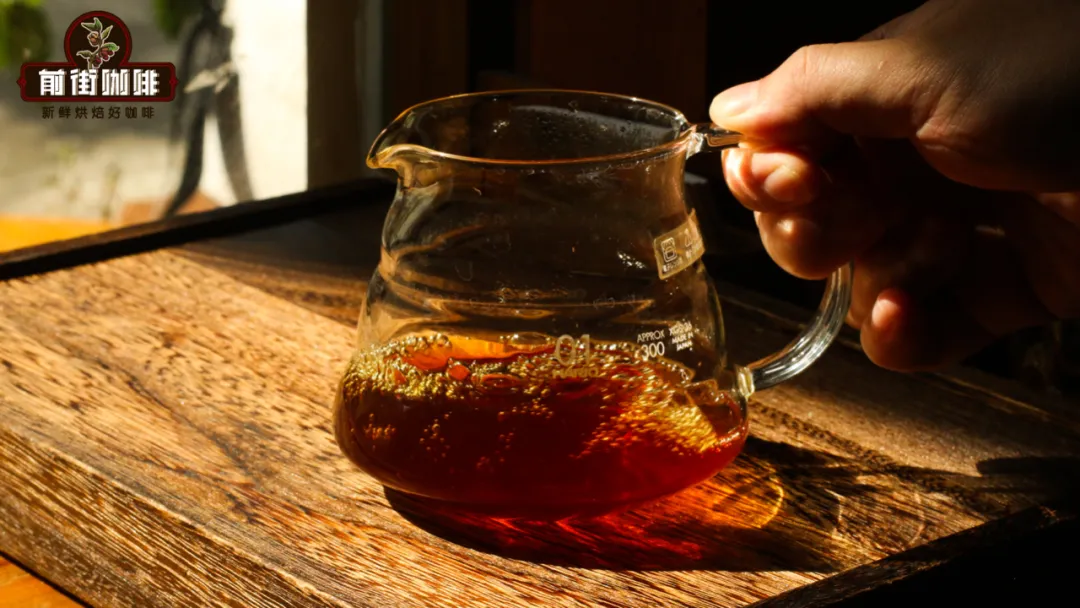
In summary, if you want to extend the flavor window of your pour over coffee, using a thermos is indeed a simple yet effective method. It allows you to still enjoy a decent coffee experience even when you’re busy or unable to drink it right away. Pairing it with drip-friendly coffee beans and mastering suitable extraction parameters will bring out the best in each cup. Remember, although a thermos helps preserve the coffee, it’s still best to drink it within a few hours to truly savor its full beauty.
The above content is compiled by CoffeeHunters, a coffee news website.


