







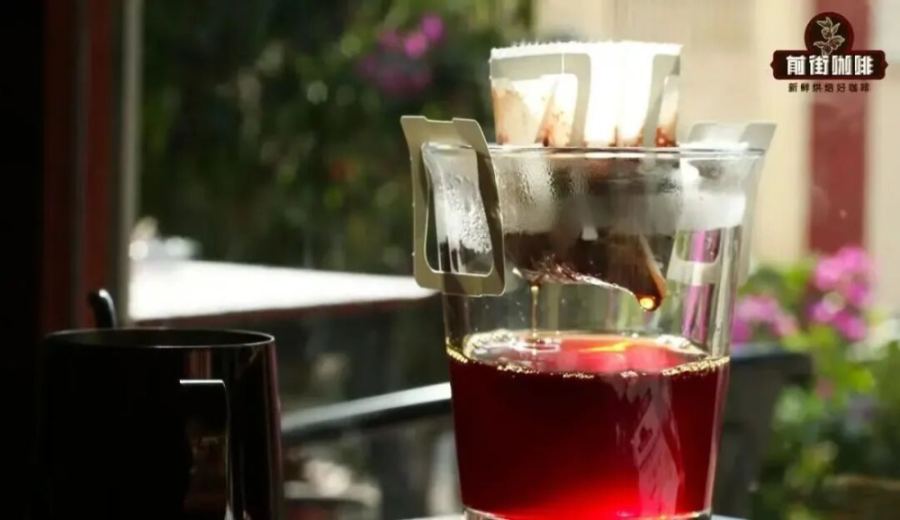
Introduction:Drip bags are a great choice for many busy people to enjoy the flavors of pour over coffee, but with the same drip bag, some people brew a bland and tasteless cup while others can achieve results close to professional pour over quality. This article delves into the brewing techniques of drip bags, including whether blooming is necessary, what the amount of foam indicates, whether a second extraction is possible, and common reasons for weak flavor. It helps you master the correct steps to improve the quality of every brew.
Drip bags combine convenience with relatively excellent extraction performance, making them a top daily choice for many coffee enthusiasts. However, even using the same drip bag, the flavor brewed by different people can vary greatly—some may taste as light as water, others may have noticeable bitterness, and some can even brew layers akin to pour over coffee. These differences often stem from brewing methods and the mastery of details. This article will provide detailed analysis and practical advice on several common and critical questions, such as whether blooming is needed, whether a pour over kettle is essential, why the second pour lacks foam, whether a second extraction is feasible, and reasons for overly weak flavor, helping you brew a satisfying cup of drip coffee too.
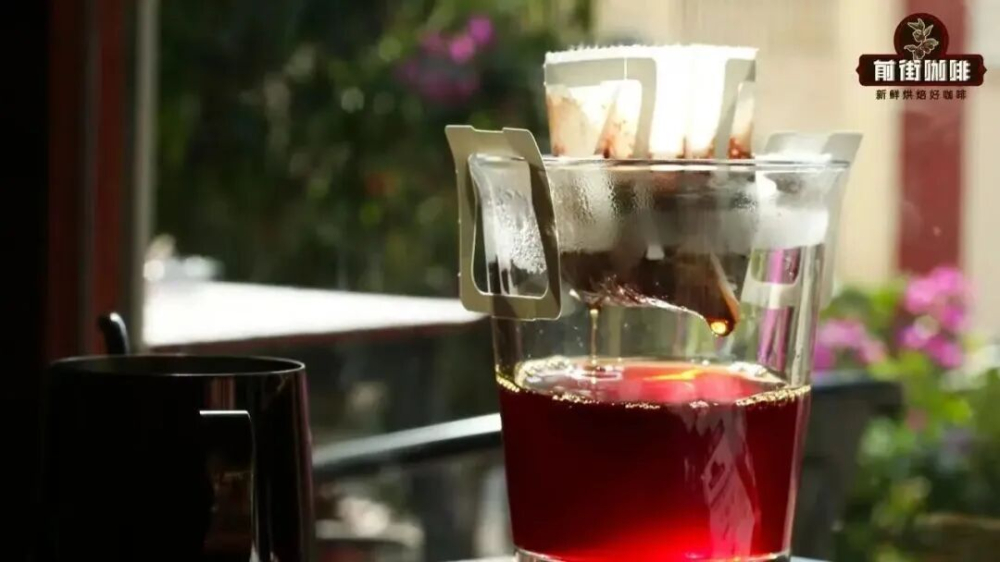
Among various ready-to-brew coffees, drip bags can be considered an option with exceptional cost-performance. They don’t require complicated equipment or advanced skills—just a cup, hot water, and your hands are enough to enjoy a fragrant cup of coffee. However, even though it seems simple, paying attention to certain details is still necessary to brew a good-tasting cup; otherwise, you might easily end up with a flat and flavorless drink.
Many people are puzzled about the brewing results of drip bags—why can some people brew a great-tasting cup with the same product, while others only get an average result? Below, we’ll answer the most frequently asked questions one by one to help you fully understand the brewing techniques of drip coffee.
A. What should I pay attention to when "hanging" and "pouring" with a drip bag?
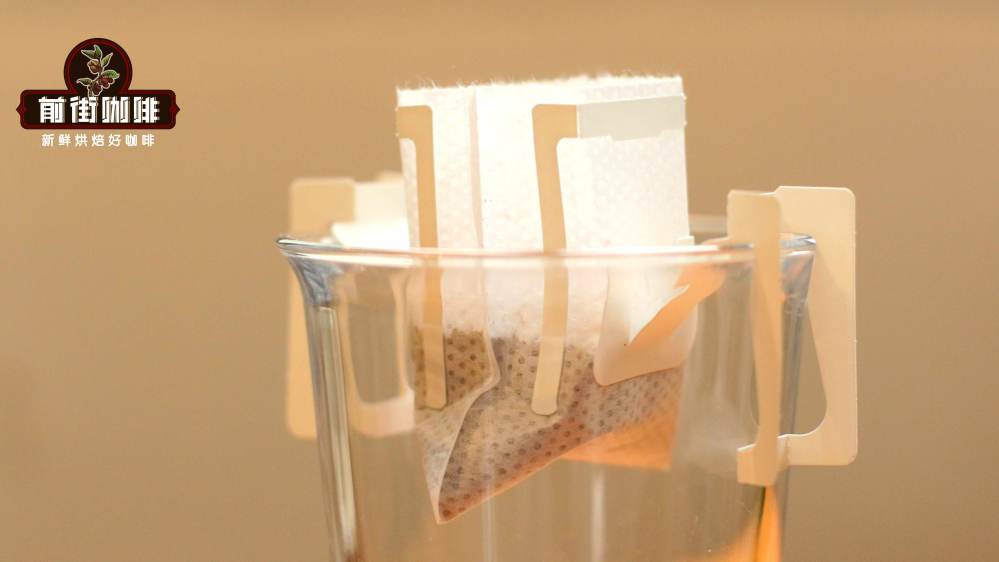
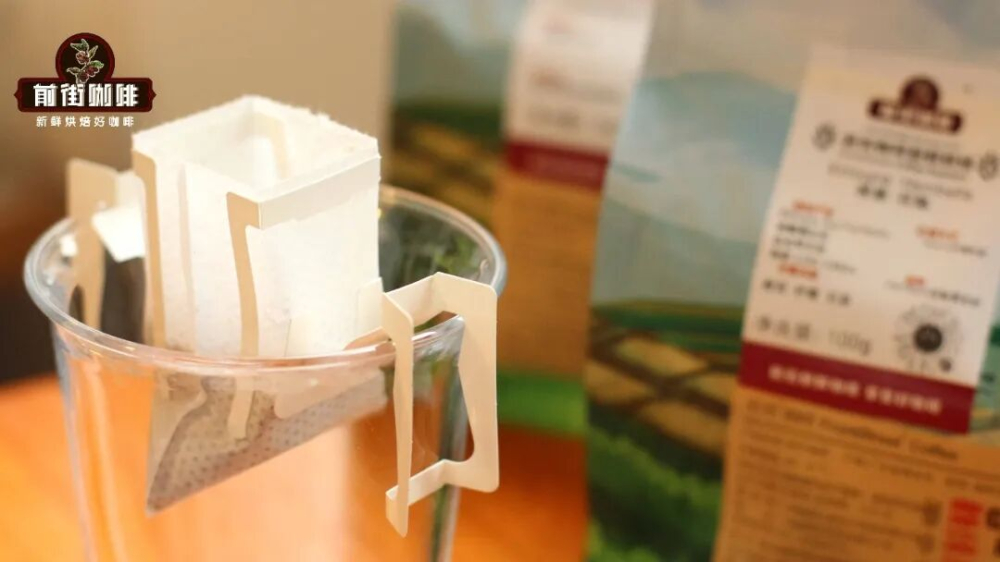
The design of drip bags essentially simulates the drip filtration method of pour over coffee, so when brewing, you should try to replicate the principles of pour over as much as possible. When choosing a cup for brewing, it’s recommended to prioritize a container with a moderate height, avoiding cups with too wide a mouth or too shallow a rim, to prevent the "ears" on both sides of the filter bag from touching the water surface or even causing the already filtered coffee liquid to re-soak the coffee grounds, which can affect the overall flavor layers and even introduce unpleasant off-flavors.
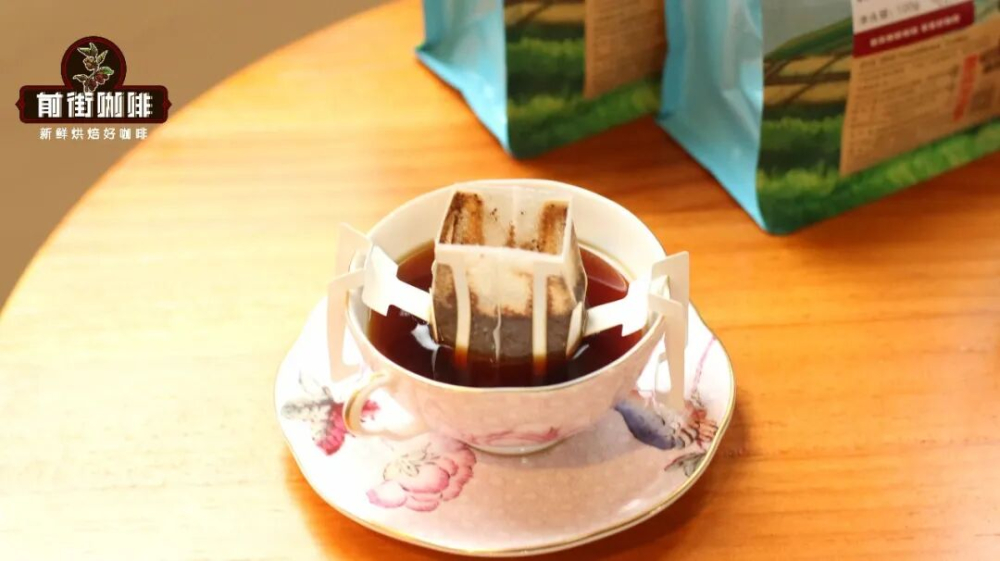
If the cup you’re using has a wider mouth, it’s recommended to unfold the "ears" on both sides of the drip bag outward and fold them inward along the dashed line on the filter bag to form a structure similar to "square wings." This increases stability and prevents the filter bag from slipping during pouring due to its weight.
B. Do I have to use a pour over kettle to brew drip coffee? What if I don’t have one?
Many tutorial videos or articles introduce drip brewing using a gooseneck pour over kettle to control the water flow, which leads many to think that a pour over kettle is essential. But in reality, since the drip bag filter itself already limits the water flow area, there's no need to circle-pour the water like with pour over coffee. Therefore, any container that can steadily pour water can be used to complete the brew—having a pour over kettle is not absolutely necessary.
However, if you're using tools like a kettle or thermos with hard-to-control water output, the water flow may vary in intensity, which can lead to uneven extraction. It’s advised to divide the total water volume into multiple small pours and try to pour from a higher position. This not only extends the contact time between water and coffee grounds but also helps enhance the richness of the coffee’s flavor.
C. Is blooming necessary for the first pour?
In pour over coffee, blooming is an important step where a small amount of hot water is used to wet the coffee grounds, releasing carbon dioxide and promoting flavor extraction. For drip coffee, whether blooming is needed depends on the freshness of the coffee.
If it’s freshly roasted drip coffee—for example, products made within five days of roasting and stored properly—it’s recommended to bloom during the first pour. You can start by pouring about one-third of the hot water, wait for about 20 seconds, and observe whether the coffee grounds expand and produce bubbles. Once the expansion slows down, continue with the subsequent pours. This helps fully release the coffee’s aroma and flavor.
But if the drip coffee has been roasted for more than ten days, most of the internal carbon dioxide has likely dissipated, so blooming becomes unnecessary. If the coffee grounds layer doesn’t visibly expand after pouring, you can proceed directly to the second pour. If there is still slight movement or bubbles, wait for about 10 to 15 seconds before continuing the pour to allow residual gases to dissipate appropriately.
D. Why is there no foam after the second pour?
The production of foam is closely related to the freshness of the coffee and the degree of roasting. Typically, the fresher the coffee beans, the richer the foam produced during pouring. Conversely, if the coffee has been stored for more than half a month, the foam is often not obvious and may be barely visible even during the first pour.
Additionally, the amount of foam is also related to the roast level. Taking drip bags from the same batch as an example, medium to dark roasted beans (such as Mandheling) usually produce more and denser foam, with aromas of caramel, spices, and nuts. In contrast, medium to light roasted beans (such as Huakui) produce less foam, but may exhibit flavors such as berries, dried fruit, or black tea. Therefore, the amount of foam can serve as a reference for judging coffee freshness and roast style, but it has no absolute correlation with the final flavor expression.
E. Can I brew drip coffee a second time?
Generally speaking, the soluble flavor compounds in coffee gradually decrease with each successive brew. The first brew usually extracts the richest aroma and balanced acidity and sweetness, while subsequent brews tend to have a thinner taste and may even carry woody or dull notes. Although brewing drip coffee a second time is not impossible, the flavor performance is usually significantly inferior to the first brew.
If you feel that brewing just one cup is wasteful, you can try a second brew, but be prepared for its color, concentration, and overall taste to be greatly compromised. However, for occasions where flavor layers are less of a priority, a second brew is still a decent option.
F. Why is my drip coffee too weak in flavor?
Many users report that their drip coffee tastes weak, which is actually a fairly common phenomenon. Due to the limitations of the drip bag filter, the contact area and time between coffee grounds and hot water are often not as sufficient as with pour over coffee, making under-extraction more likely.
Based on experience, overly weak flavor is usually related to the following factors: insufficient water temperature, excessive water volume, or too short total brewing time. To improve this, you can refer to some basic brewing adjustments—such as moderately increasing the water temperature, controlling the pouring speed, or extending the total brewing time—all of which can help enhance the richness and layering of the flavor.
The above content is compiled by CoffeeHunters, a coffee news website.


