







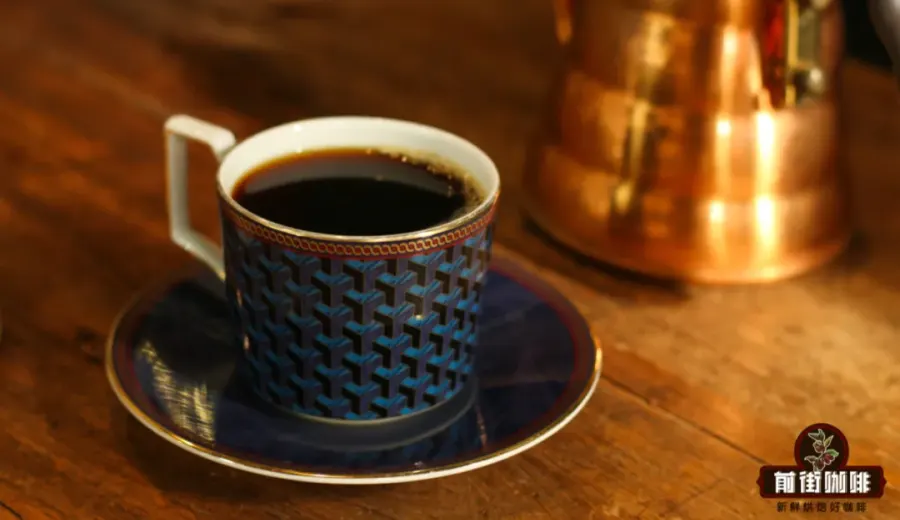
Introduction:Many people mistakenly believe that dark roast coffee has higher caffeine content because it tastes more bitter, but the truth is quite different. This article delves into the real relationship between roast level and caffeine content, analyzing the sources of bitterness, how roasting reactions affect taste perception, and comparing the actual impact of different roast levels on caffeine extraction. Readers will learn how to choose the right coffee based on their individual needs, including practical advice for those sensitive to caffeine.
When many people taste dark roast coffee and notice its strong bitterness, they instinctively assume it contains more caffeine. However, this assumption is actually a misconception. The bitterness of coffee is not primarily caused by caffeine but rather by various compounds produced during the roasting process. So, what is the difference in caffeine content between dark roast and light roast coffee? What are the key factors that influence how much caffeine is present? Let’s clarify these common myths from a scientific perspective.
First, we need to understand that the flavor of coffee is shaped by numerous components, and its bitterness comes only from about 10% to 30% caffeine—the majority originates from compounds formed during roasting. These sources of bitterness include various compounds generated by Maillard reactions and caramelization, such as caramel-like notes, smoky aromas, and other complex bitter substances. 
During the roasting process, coffee beans are exposed to high temperatures, triggering a series of chemical changes. These reactions not only give coffee its unique color and aroma but also produce a significant amount of bitter compounds. The darker the roast, the more pronounced these reactions become, resulting in a stronger burnt or bitter taste—hence why we often perceive dark roast coffee as "bitterer." However, these bitter notes are not directly related to caffeine itself.
Caffeine is a relatively stable alkaloid that can withstand high roasting temperatures without easily breaking down or evaporating. Therefore, whether the coffee is dark or light roasted, as long as the roasting conditions are normal, the caffeine content in the beans doesn’t change much. In fact, when over-roasted, the caffeine content may even decrease slightly. Studies show that Arabica beans roasted to light, medium, and dark levels contain caffeine percentages by bean weight of 1.37%, 1.31%, and 1.31%, respectively—indicating that light roast beans may actually have a slightly higher caffeine proportion. 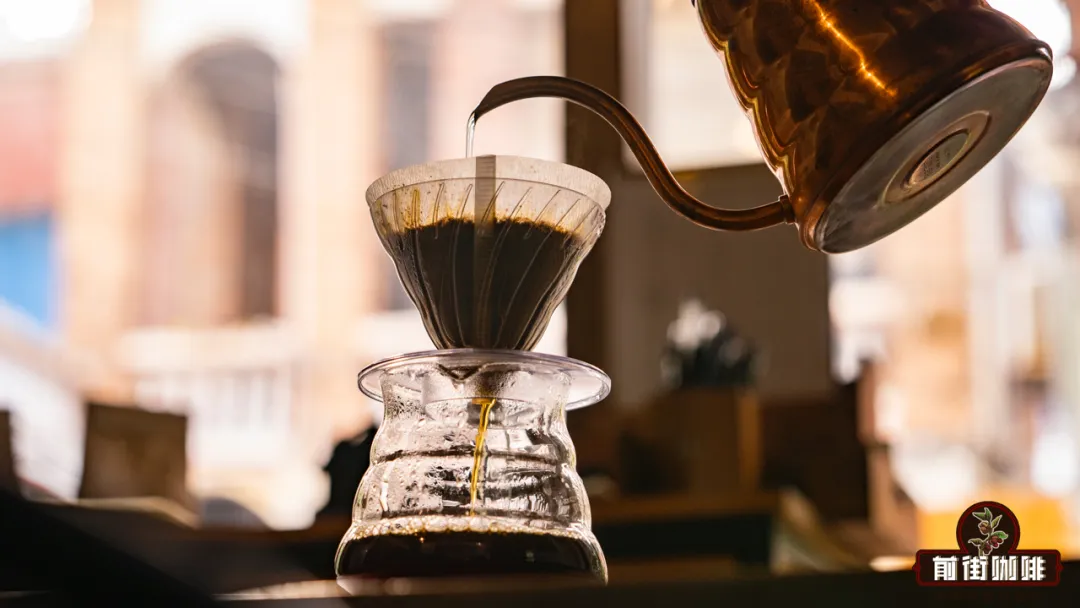 ,
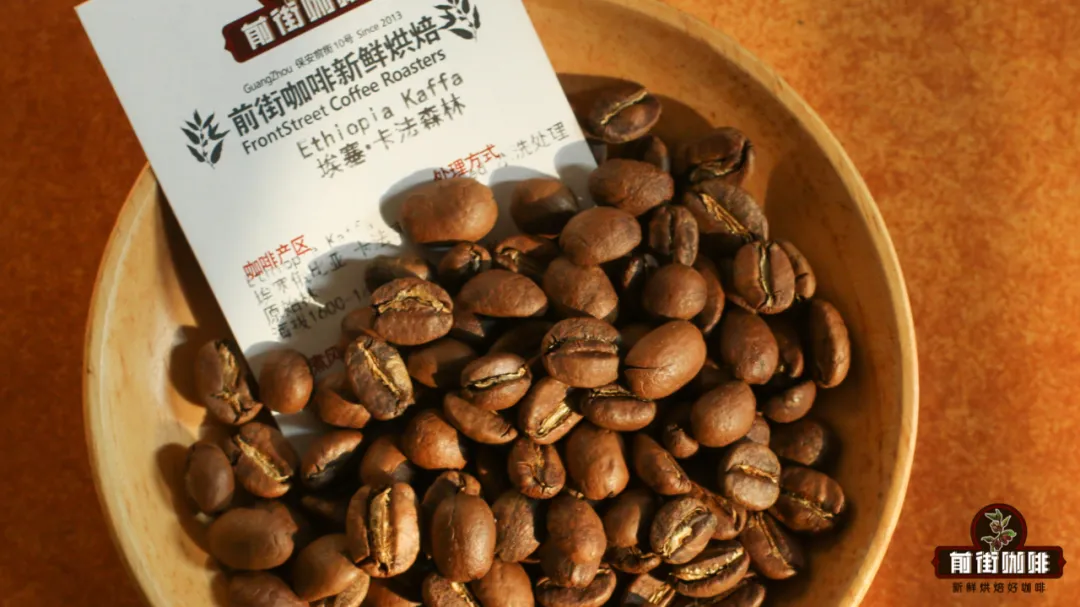
Since roast level has limited impact on caffeine content, what then are the true determining factors? The answer is simple—the coffee bean variety.For example, Robusta beans typically contain about twice as much caffeine as Arabica, while some naturally low-caffeine varieties contain less than half the caffeine of standard Arabica. Therefore, if you want to reduce your caffeine intake, choosing a low-caffeine bean variety is a more direct approach.
Now, let’s revisit the common question: “Does dark roast coffee yield a higher total caffeine content compared to light roast?” This depends on two aspects: the inherent caffeine content of the beans and the actual amount of caffeine extracted during brewing. Although the caffeine content in beans doesn’t change significantly after roasting, the physical changes in dark roast beans may lead to different extraction outcomes.
As roasting time increases, coffee beans lose more moisture, known as "weight loss." This means that the same weight of dark roast beans may actually represent a slightly greater number of beans than lighter roasts—especially when weighing them out. Though the difference is small, it can accumulate with large batches. Additionally, dark roast beans have a looser structure, making internal compounds more accessible for extraction. If using a highly efficient brewing method, the caffeine release from dark roast coffee may be relatively higher. That’s why, in some cases, the total caffeine intake from dark roast coffee may be comparable to that of light roast. 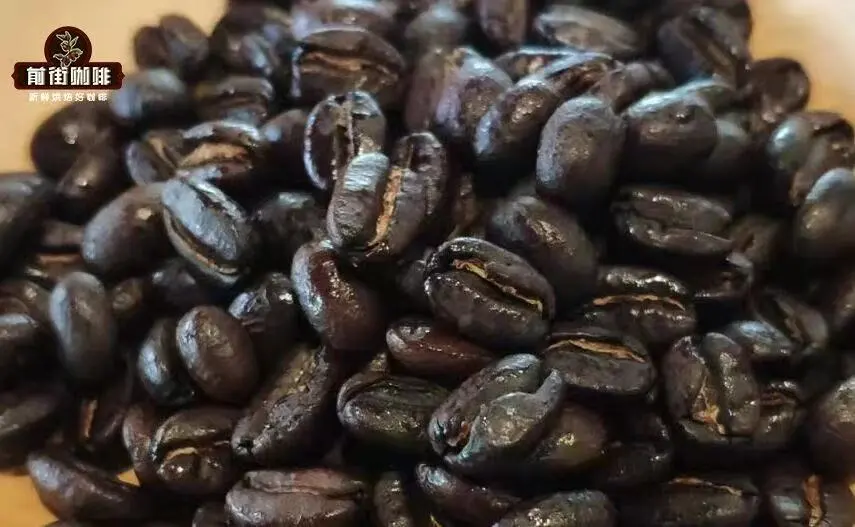 ,
For those who are sensitive to caffeine or aiming to reduce their intake, choosing decaffeinated coffee is a more reassuring option. Common decaffeination methods, such as the Swiss Water Process, can effectively remove most caffeine while preserving flavor. Notably, some decaf products use dark roast profiles, delivering deep roast-specific aromas like chocolate, nuts, and caramel—offering rich flavor and meeting the needs of consumers who enjoy dark roast taste while needing to control caffeine consumption. 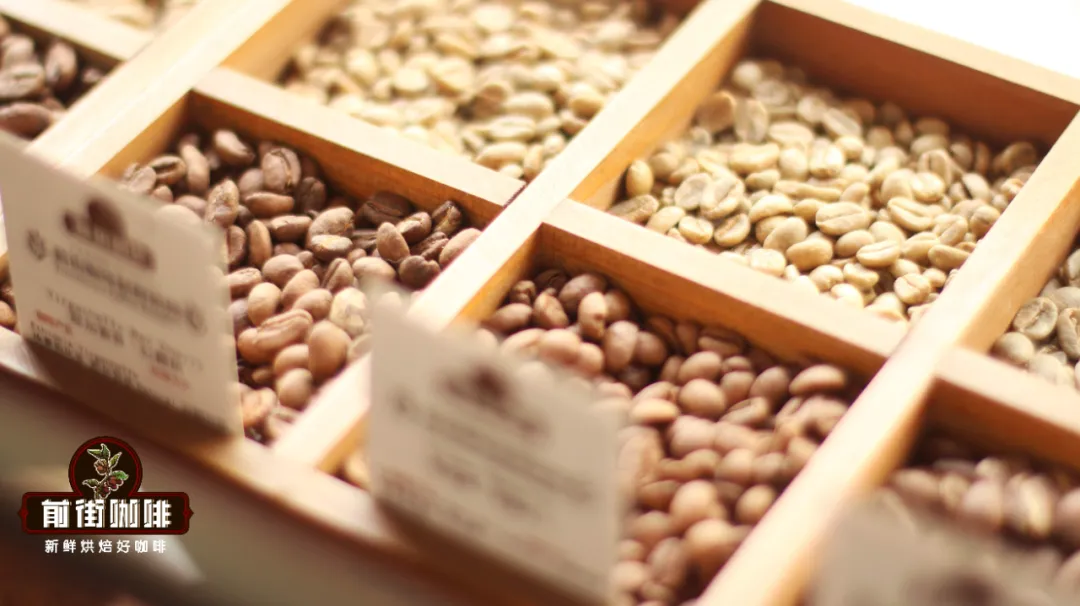
The above content is compiled by CoffeeHunters, a coffee news website.


