








Introduction:Many coffee enthusiasts often wonder: can coffee beans still be brewed after the expiration date on the packaging? In fact, besides the legally mandated shelf life, coffee has a more important “best-by” or “flavor peak” period. This article delves into the differences between the two, explains why professionals recommend enjoying coffee within the flavor peak window, and provides practical storage and judgment methods to help you enjoy coffee at its best.
Coffee beans are low-moisture-activity food products. Compared to many perishable ingredients, they generally have a longer shelf life. For common packaging, the stated shelf life is typically one year. This figure is based on professional testing and experiments. Under proper storage conditions, the likelihood of coffee beans deteriorating within this period is extremely low. However, even if the shelf life hasn’t been exceeded, if the coffee has passed its optimal flavor window or “best-by” period, its performance is often significantly diminished.
It’s worth noting that even if coffee beans show no obvious changes in appearance or aroma after being stored for a year, it is still not recommended to continue drinking them. The main considerations include food safety risks and a decline in flavor quality. Especially when the so-called flavor peak period—usually within two months post-roast—is exceeded, the volatile aromatic compounds in the coffee gradually dissipate, leading to a more mundane flavor in the brewed beverage.

Professional tests have shown that well-stored coffee beans reach their flavor peak approximately within two months after roasting. During this period, the flavor performance is the most rich, showcasing multi-layered aromas such as fruit, floral, and sweetness. However, once this golden period is passed, the aromatic molecules continue to evaporate, and the overall performance of the coffee will gradually become monotonous, leaving only basic sour, sweet, and bitter notes, while losing the memorable layers.
For example, a light-roasted coffee bean, when freshly roasted and properly rested, can exhibit bright fruit aromas such as strawberry, citrus, and guava when brewed, along with a creamy smooth mouthfeel, similar to the experience of drinking fresh juice. However, if left for more than three months, even if the beans look and smell the same, what’s brewed may only retain basic coffee flavors—the surprising fruit and floral notes will have largely dissipated, making the overall flavor dull and unremarkable.
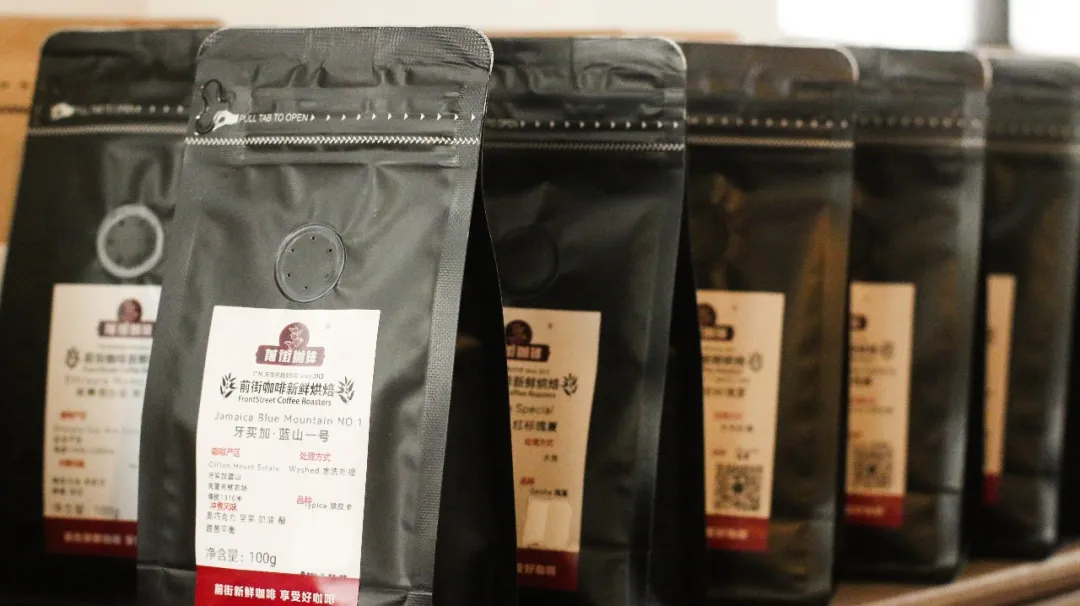
Therefore, from both flavor and safety perspectives, professionals recommend avoiding the consumption of coffee beans that have passed either the shelf life or the flavor peak period. When it's uncertain whether the beans have deteriorated, the potential flavor loss often cannot outweigh the possible risks. Especially for those who pursue the flavors of pour over coffee or specialty coffee, the freshness of coffee directly impacts the overall extraction performance and sensory experience.
In summary, understanding the difference between the shelf life and the flavor peak period of coffee beans helps you achieve the best flavor during consumption while reducing food safety concerns. It is recommended to pay attention to the storage environment after purchasing coffee beans and try to enjoy them within two months post-roasting to truly experience the rich layers and unique aromas of coffee. When it comes to coffee, freshness is always best.
The above content is compiled by CoffeeHunters, a coffee news website.


