







Category: Coffee Knowledge
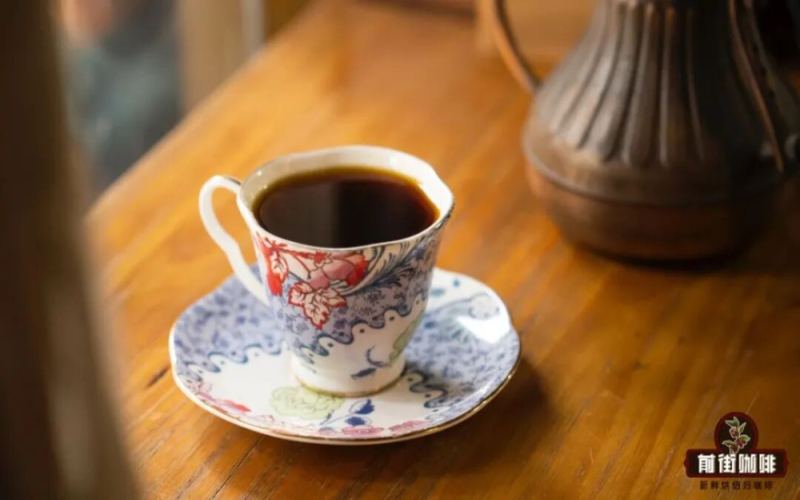
How does coffee cup rim design affect flavor? A comparative tasting analysis of three major cup shapes
Did you know that drinking the same pour over coffee from different cups can result in varying flavors? The shape of the cup rim subtly alters how aroma is released and how the taste is experienced. This article conducts practical tests using three classic roast levels—dark roast, medium roast, and light roast—along with three mainstream cup types: open-rim, straight-sided, and tapered. It analyzes flavor differences at high and low temperatures and supplements this with scientific insights on human tongue taste distribution to help you find the ideal cup shape for your preferred coffee flavor. [more…]

How to Make Delicious Americano Coffee? A Professional Café Guide from Extraction to Water Ratio
Americano coffee may seem like just espresso with water added, but in reality, every step—from bean variety selection and extraction parameters to the final water dilution ratio—affects the taste and flavor of the final cup. This article will take you deep into understanding the three essential qualities a high-quality Americano should have: smooth mouthfeel, clean aftertaste, and clear, non-muddled aroma. It also explains how cafés adjust the balance through espresso extraction and water temperature control to achieve a delicious black coffee that is well-balanced—free from bitterness or overly sharp acidity. [more…]
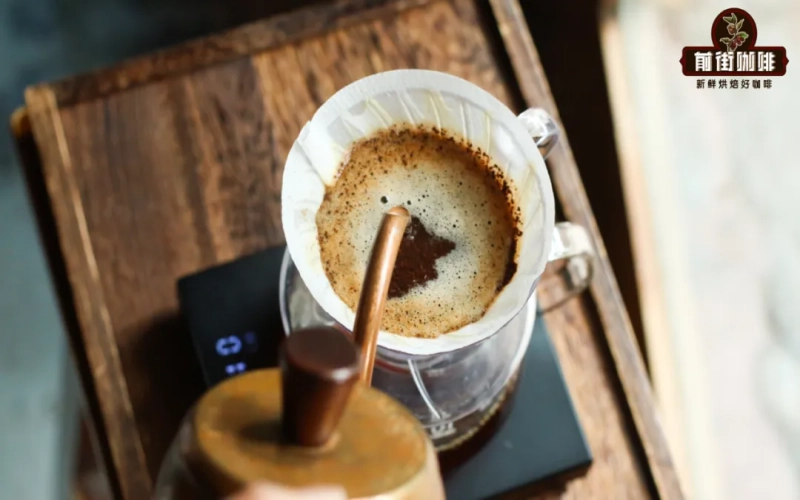
V60 Dripper Design Analysis: Essential Classic Structure and Usage Tips for Pour Over Enthusiasts
As a classic design in the world of pour over coffee, the V60 has been favored by coffee lovers around the globe for many years. So, how did it stand out among so many drippers? This article will delve into the background of the V60’s creation, its core design features—including the 60-degree conical structure, large single hole, and spiral ribs—and explain how these elements influence extraction flow rate and flavor profile. It will also explore how the V60 differs from other drippers to help you better understand this enduring pour over tool. [more…]

Analysis of Cappuccino Takeaway Challenges: A Complete Guide to Milk Foam Ratio and Delivery Impact
Many coffee enthusiasts have noticed that cappuccinos are rarely available on delivery platforms, which is closely related to their classic thick layer of milk foam. This article delves into the unique recipe of cappuccinos, the precise ratio of milk to coffee, and the critical impact of thick milk foam on overall flavor. It also compares the differences between a latte and a flat white, helping readers understand why this classic Italian coffee is not suitable for takeout, while providing practical observation tips. [more…]
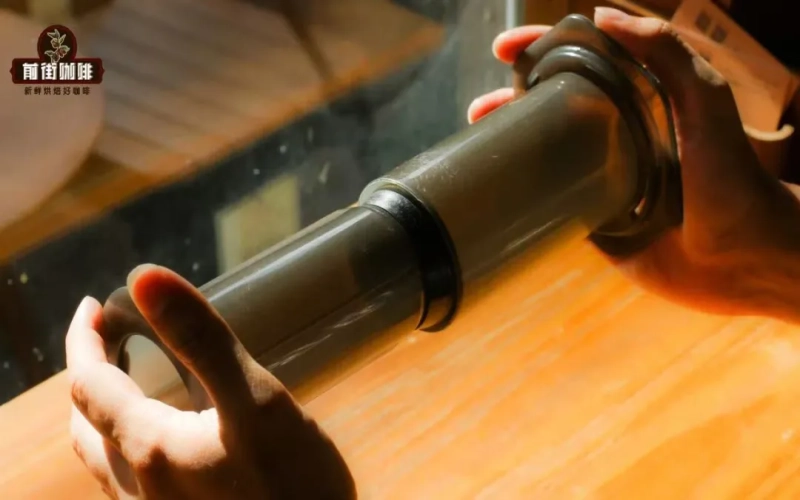
How to use the AeroPress? From its invention story to brewing techniques, comparing flavor differences with pour over
As a coffee tool that combines fun and practicality, the AeroPress is widely loved by coffee enthusiasts for its unique immersion and pressurized extraction method. This article will delve into the origins of the AeroPress, its working principle, and analyze the differences in flavor and mouthfeel between it and pour over coffee. It also provides a tested brewing recipe to help you personally experience a coffee with juicy flavors. [more…]
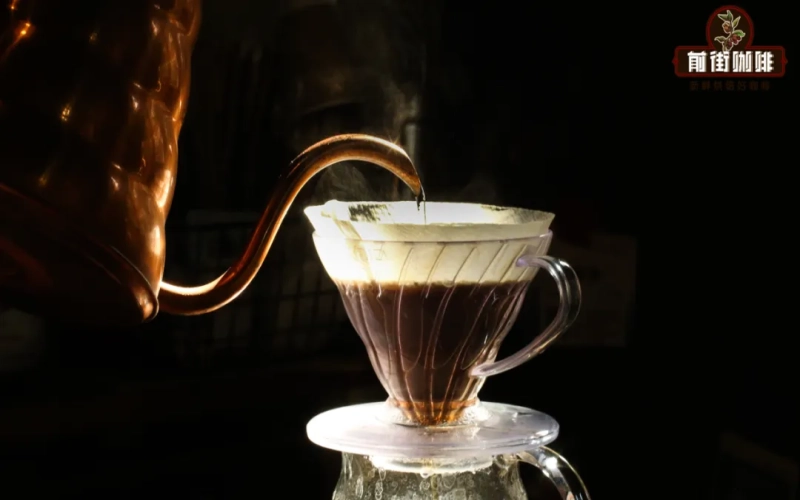
Complete Guide to Pour Over Yirgacheffe: Flavor Profile, Channeling Issues & Four-Pour Technique
As Ethiopia’s iconic coffee-growing region, Yirgacheffe is renowned for its distinct high-altitude washed processing that yields vibrant citrus acidity, floral notes, and a green tea finish. However, many home brewers often struggle with paper filter channeling and dull flavors. This guide delves into the flavor formation of Yirgacheffe, explores the underlying reasons why light-roast dense beans tend to clog filters, and uses Washed Guji Dingding as an example to detail a practical brewing method with high-temperature fine grind and four-stage small water pours—helping you accurately replicate [more…]
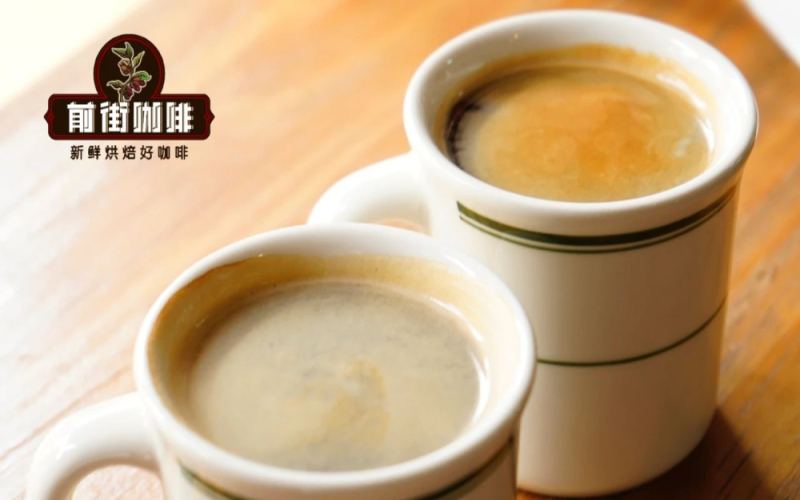
How are Long Black, Lungo, and Americano different? A complete guide to the espresso family and brewing essentials
As an important member of the espresso family, Lungo (long pull espresso) is often mistaken for simply diluted espresso. In reality, it has unique characteristics in terms of coffee-to-water ratio, flavor profile, and extraction logic. This article will delve into the differences between Lungo, Americano, and Long Black, explore the historical evolution of the “Big Three” espresso drinks, and share practical tips on adjusting grind size and controlling extraction time to help you better master the essence of this classic black coffee. [more…]
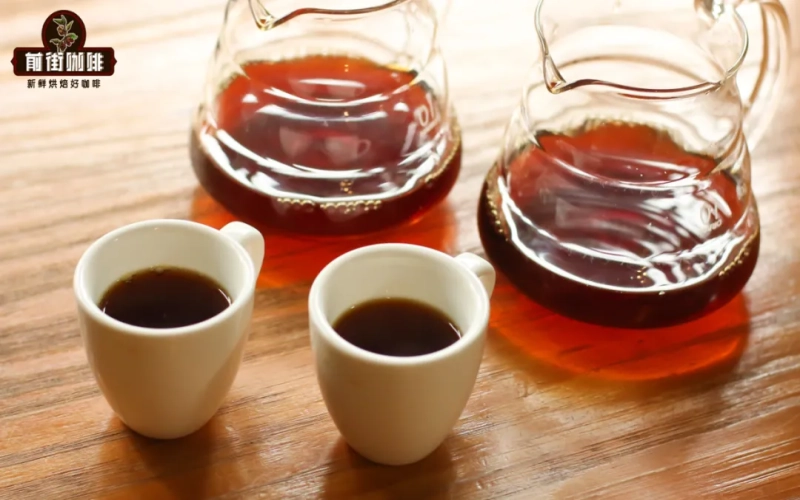
How to Determine Imbalance in Pour Over Coffee Extraction? Analysis of Under-Extraction and Over-Extraction Flavors and Adjustment Techniques
Have you ever brewed coffee at home and felt that something was off about the taste but couldn’t quite put your finger on why? In many cases, the issue might be “under-extraction” or “over-extraction.” This article will delve into the definitions of these two common extraction problems, the reference ranges and limitations of the Golden Cup Standard, and help you accurately pinpoint the problem through real flavor characteristics. Finally, it provides practical adjustment strategies using grind size as a variable, so you can brew better-tasting pour over coffee. [more…]

Why Dirty Coffee Isn’t Suited for Hot Drinks? Exploring the Secrets of Making Ice-Fire Dirty and the Challenges of Hot Versions
Dirty coffee has become a favorite among many coffee enthusiasts for its striking contrast between ice and espresso. But why are hot versions of Dirty coffee rarely seen in the market? This article delves into the definition and origin of Dirty coffee, analyzes the technical challenges in extraction and flavor when making a hot version, and offers professional advice and home-brewing tips to help readers understand the characteristics of this beverage—whether you're trying it for the first time or making it yourself. [more…]
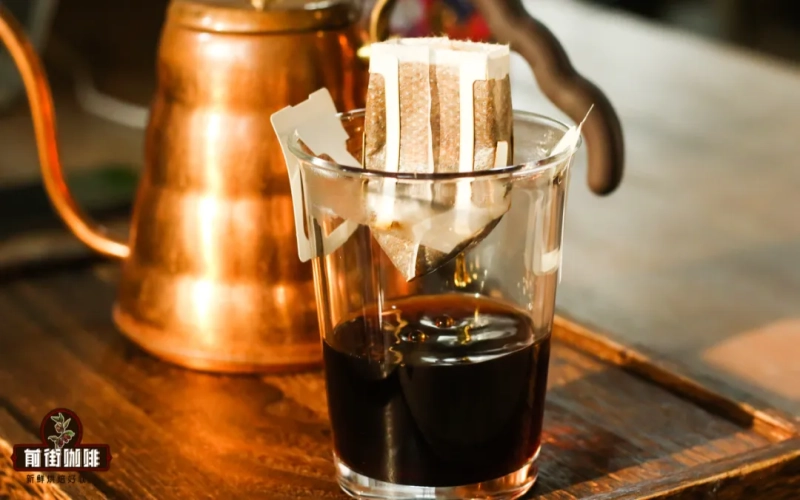
Complete Guide to Brewing Pour-Over Coffee with Filter Bags: Mastering Water Temperature, Ratio, and Time for Enhanced Flavor
Filter bag coffee is the perfect choice for many busy individuals who want to enjoy great flavor on the go. However, it often turns out bland or over-extracted due to incorrect water temperature, inaccurate pouring volume, or too short a brewing time. This article thoroughly explains the three core parameters that affect the flavor of filter bag coffee: water temperature selection, coffee-to-water ratio, and brewing duration. It also provides specific recommendations for both light and dark roasts, helping you brew a rich and balanced pour-over-quality cup in the simplest way possible. [more…]
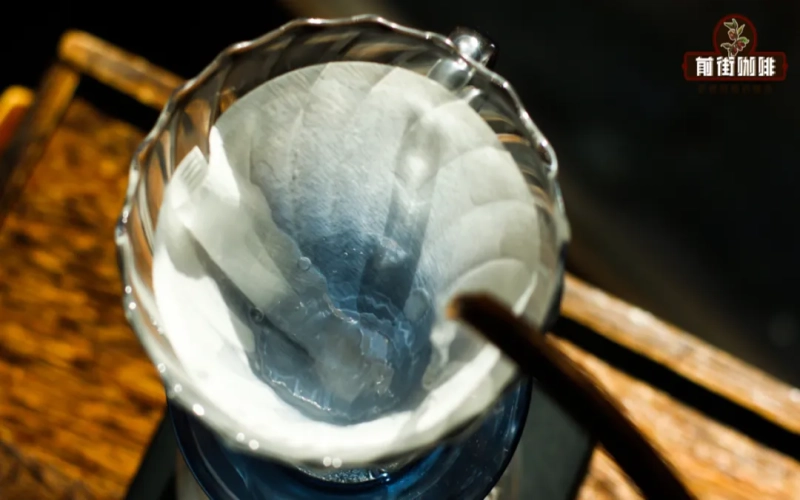
Do you need to wet the pour over coffee filter paper? Master the selection tips and correct usage in one go
When making pour over coffee, should you pre-wet the filter paper? This is a question that puzzles many beginners. In fact, whether or not to wet the filter, what water temperature to use, and how to choose the right filter paper material can all affect the final flavor and extraction of the coffee. This article will delve into the three key criteria for deciding whether to wet the filter from real-world usage scenarios, discuss the pros and cons of different water temperatures, and provide practical advice on selecting filter paper—helping you easily master the essential details of pour over brewing. [more…]
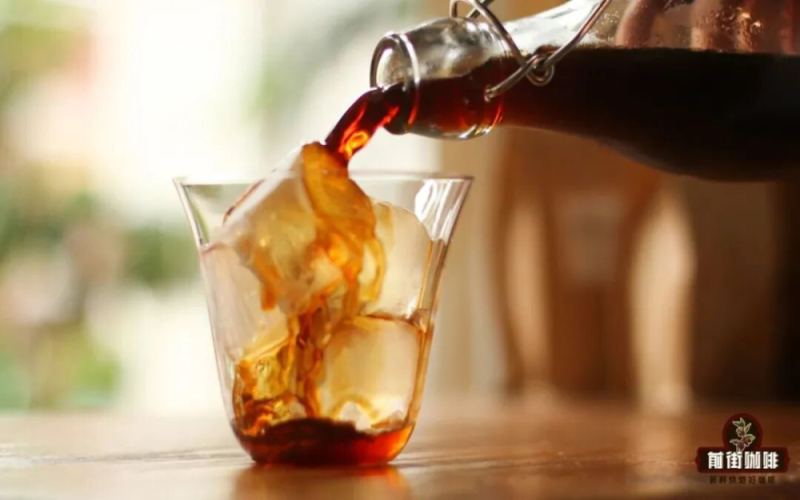
How to Make Cold Drip Coffee? An In-depth Guide to 4 Key Parameters and the Full Brewing Process
Cold drip coffee, with its unique flavor profile and meticulous brewing process, has become one of the goals that coffee enthusiasts aspire to master at home. However, cold drip is very different from cold brew—it requires precise control over flow rate, grind size, ratio balance, and aging time. Every detail can influence the final taste. This article will delve into the core variables in making cold drip coffee, offering professional-level parameter recommendations to help you achieve café-quality results at home. [more…]
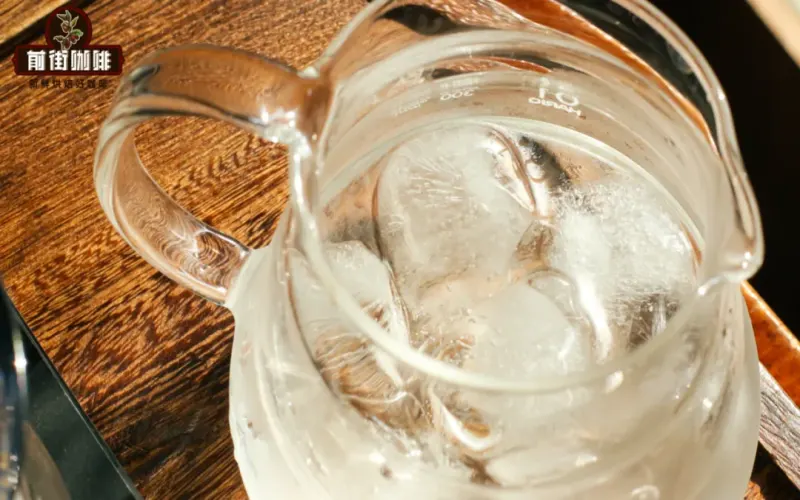
Ice Pour Over Test: Is 4°C Ice Water Extraction Viable? A Complete Analysis of Grind Size and Flavor Efficiency
Many coffee beginners wonder if it’s possible to brew an ice pour over directly using ice water. This test uses an extremely low water temperature of 4°C, paired with an ultra-fine grind and constant stirring, to challenge the extraction threshold with Zhuangyuan Estate · Geisha, uncovering the limits of ice water’s ability to dissolve flavor compounds. From extraction efficiency and parameter combinations to actual taste differences, we’ll help you understand why ice water struggles to produce a coffee rich in flavor, and offer more practical alternatives like cold brew and ice drip. [more…]
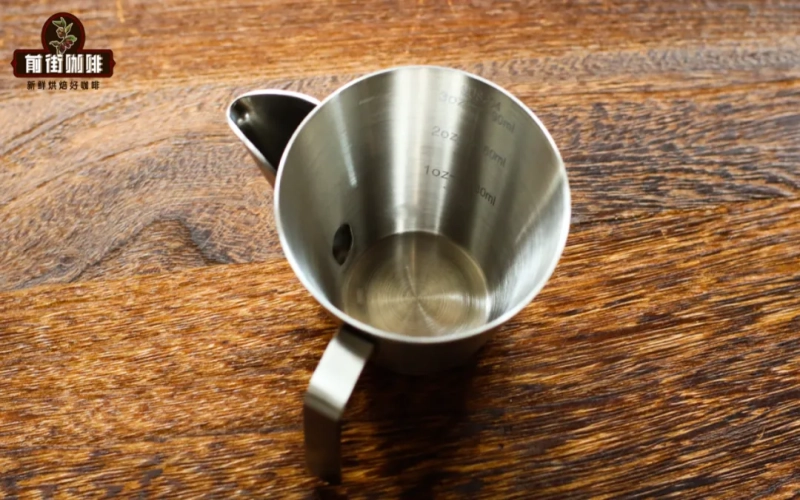
Espresso Crema Oil Filter Dome Review: Does Removing Bitterness Preserve Aroma or Is It a Lose-Lose?
The golden crema on top of an espresso is often considered the source of bitterness. A coffee filter dome resembling an oil strainer has recently emerged on the market, claiming to filter out the crema and improve taste. But does this layer of crema truly cause bitterness? What are the actual flavor differences after filtering it out? This article delves into the composition of crema, explores the real sources of bitterness, evaluates the practicality of the oil filter dome, and offers useful tips to balance aroma and clarity. Plus, we recommend classic blends to help you pull a great shot. [more…]
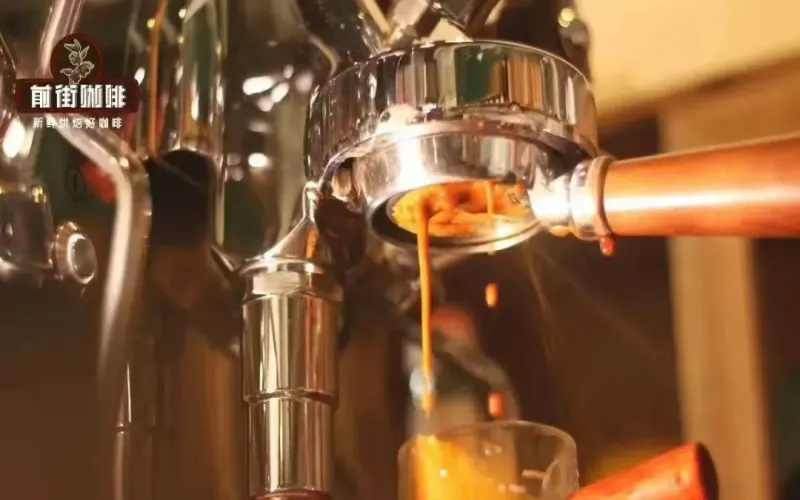
A Complete Guide to Distributing & Tamping Espresso: Dosing Pressure, Even Distribution, and Channeling Solutions
The extraction stability of espresso hinges on two critical steps: coffee distribution and tamping. These not only influence flavor expression but also directly determine whether channeling occurs. Many coffee beginners often struggle with questions like "How much pressure should I use when tamping?" or "How can I tell if the tamp is even?" This article dives deep into the practical effects of tamping pressure, shares useful distribution techniques and the correct tamping methods, helping you master the key to consistently even extractions—whether you're a novice or an advanced enthusiast, there's something here for you. [more…]

A Deep Dive into Caramel Macchiato vs Latte: Unveiling Recipes & Flavor Differences | Coffee Beginner's Guide
The caramel macchiato was once one of the world’s most popular classic coffees, ranking alongside the latte and cappuccino. Yet, to this day, many consumers still can’t tell the difference between it and a macchiato. This article provides an in-depth analysis of the fundamental differences between the caramel macchiato, latte, and macchiato—breaking down their ingredients, flavor profiles, and brewing methods one by one. It also offers a complete set of steps and techniques for making a standard version of caramel macchiato at home, helping you easily recreate this richly layered classic coffee. [more…]
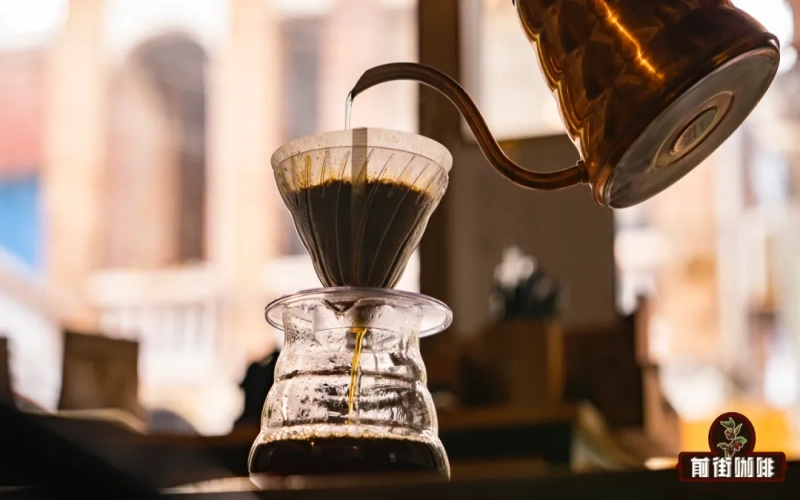
Top 5 Common Mistakes for Pour Over Beginners: A Complete Guide to Water Temperature, Bloom, and Pouring Techniques
Pour over coffee may seem simple, but many beginners often affect the final flavor due to operational and conceptual misunderstandings. This article addresses the five most common issues encountered by pour over novices, including water temperature settings, pouring techniques, bloom expansion, handling of the coffee "wall," and the timing of bitterness extraction. We provide an in-depth analysis of the underlying principles and specific improvement suggestions to help you adjust your steps and brew a more balanced, layered cup of coffee. [more…]
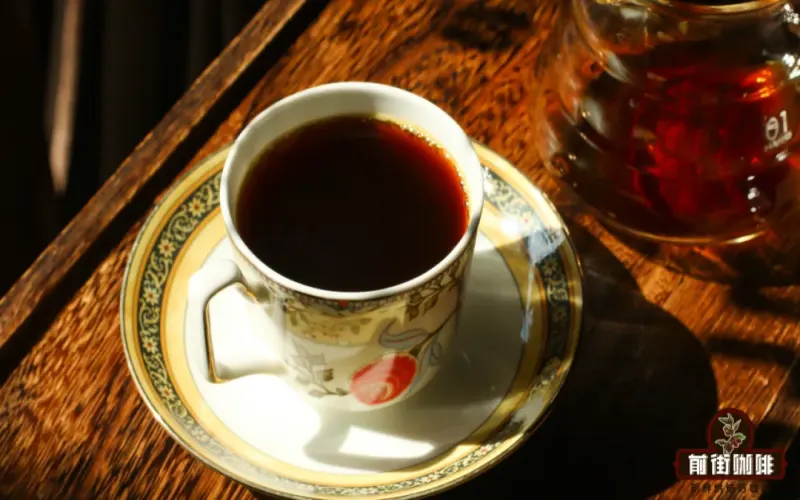
How to Brew Kenyan Washed Coffee? Unveiling the Tangy Flavor of Small Tomatoes Created by the SL28 Variety and K72 Processing
Kenyan coffee is renowned for its vibrant flavors reminiscent of small tomatoes and black plums, along with a bright and substantial acidity. However, it’s not easy to replicate such an enchanting cup at home. This article delves into the sources of Kenyan coffee’s unique profile—from high-altitude volcanic soils and tropical savanna climates, to the classic SL28 and SL34 varieties, as well as the distinctive K72 washed processing method—to uncover the secrets behind its exceptional taste. We also offer practical suggestions for brewing a Kenyan · Small Tomato flavor pour over, including using 15 grams of coffee grounds at a 1:1 ratio. [more…]
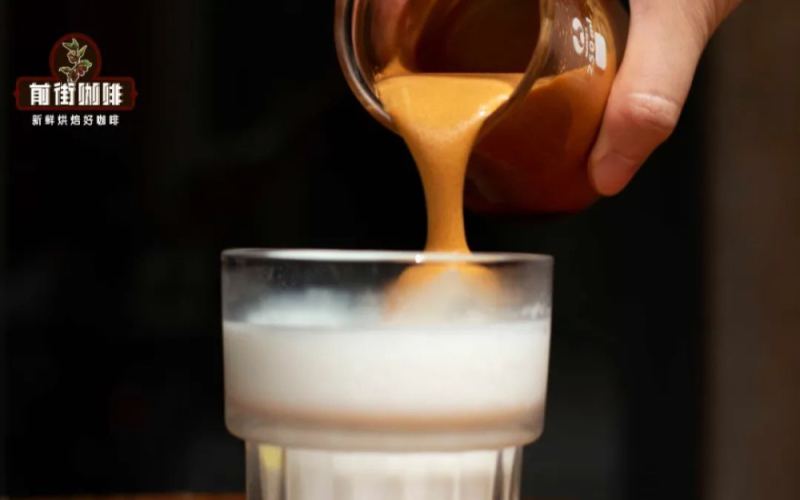
Complete Guide to Making 400-Layer Coffee: Extraction Ratios for Espresso and Troubleshooting Failed Foam
Foam coffee (also known as 400-layer coffee) has become an iconic viral drink in recent years, thanks to its velvety, cloud-like coffee foam and stunning layered effect. However, many people encounter issues such as foam that doesn’t form, has a coarse texture, or collapses quickly when trying to make it at home. This guide will take you through the entire process of making 400-layer coffee—from the extraction parameters of espresso, the selection of suitable ingredients, to the key techniques for whipping the foam—and provide solutions to common problems that cause foam-making to fail, helping you successfully create [more…]
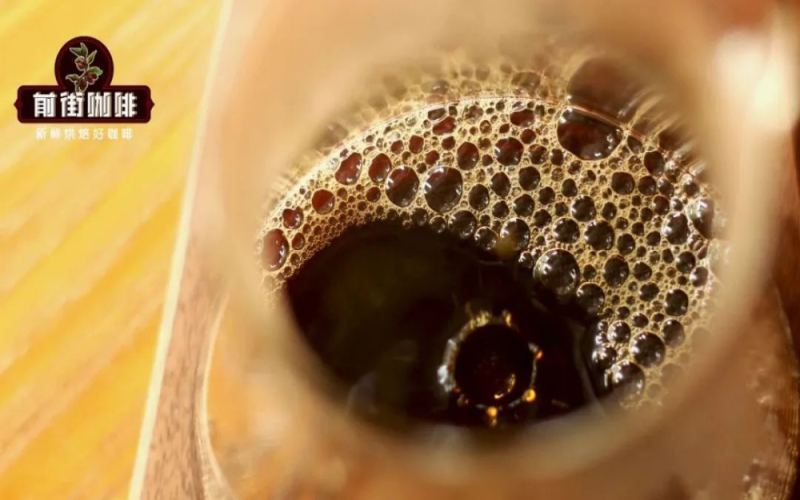
How to brew washed coffee to bring out its layers? Achieve juicy flavors with the V60 four-pour technique
Many coffee enthusiasts encounter issues such as flat flavors and lack of layering when brewing washed beans at home. In fact, the clean and delicate characteristics brought by the washed processing method can be fully highlighted with the right brewing strategy. This article delves into the craft features of washed processing, compares its acidity differences with natural beans, and takes Kenyan double-washed beans as an example to guide you step-by-step in mastering the V60 four-pour extraction technique—brewing a cup of washed coffee with clear layers and a juicy mouthfeel. [more…]