







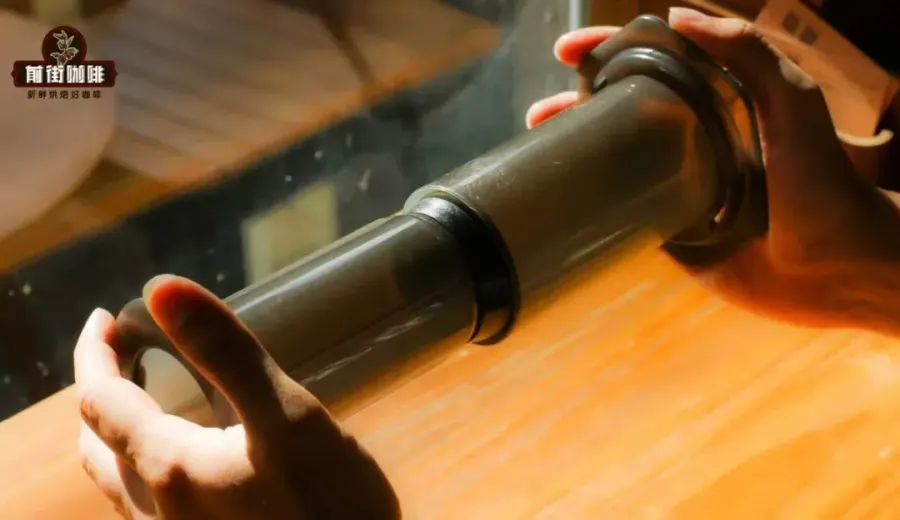
Introduction:As a coffee brewing device that combines fun and practicality, the AeroPress has gained widespread popularity among coffee enthusiasts for its unique immersion and pressurized extraction method. This article will delve into the origins and working principles of the AeroPress, analyze how it differs from pour over coffee in terms of flavor and mouthfeel, and provide a tested brewing recipe to guide you through an hands-on experience of its juicy and vibrant coffee flavors.
The AeroPress is often hailed by many coffee lovers as "the most fun coffee brewing tool" due to its high flexibility and playability. Shaped like a syringe, this device not only allows users to adjust brewing flavors by tweaking grind size, water temperature, time, and other parameters, but also supports different techniques such as normal and inverted brewing, making every brew a new experience. It’s no wonder that every year's AeroPress Championship showcases competitors’ creativity with surprisingly unique brewing methods.
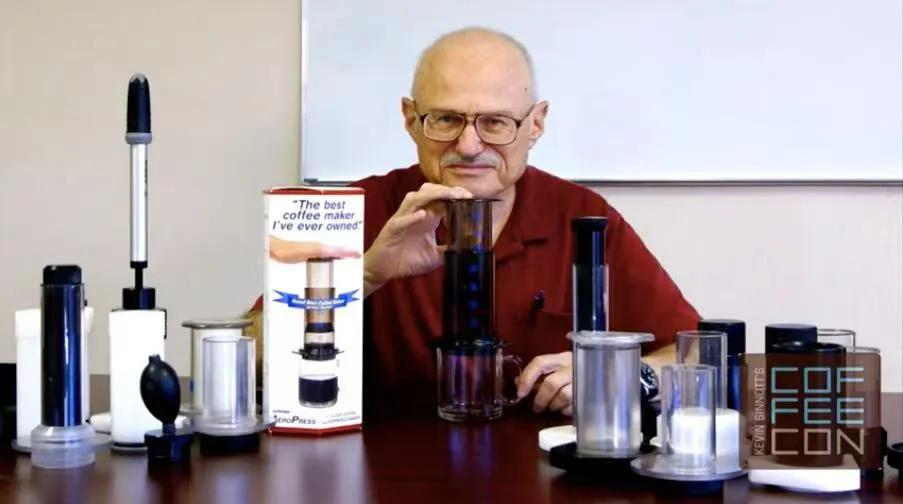
To understand the birth of the AeroPress, we must first mention its inventor — Alan Adler. This American engineer has taught mechanical engineering at prestigious institutions such as Stanford, Caltech, and Princeton, and holds over forty patents. He has made significant contributions in the fields of military, aviation, and optics, and even developed a record-breaking flying disc for his own sports equipment brand, Aerobie. However, this interdisciplinary inventor had no initial connection to coffee until he found existing brewing tools unsatisfactory and decided to create a device that could easily make great coffee himself.
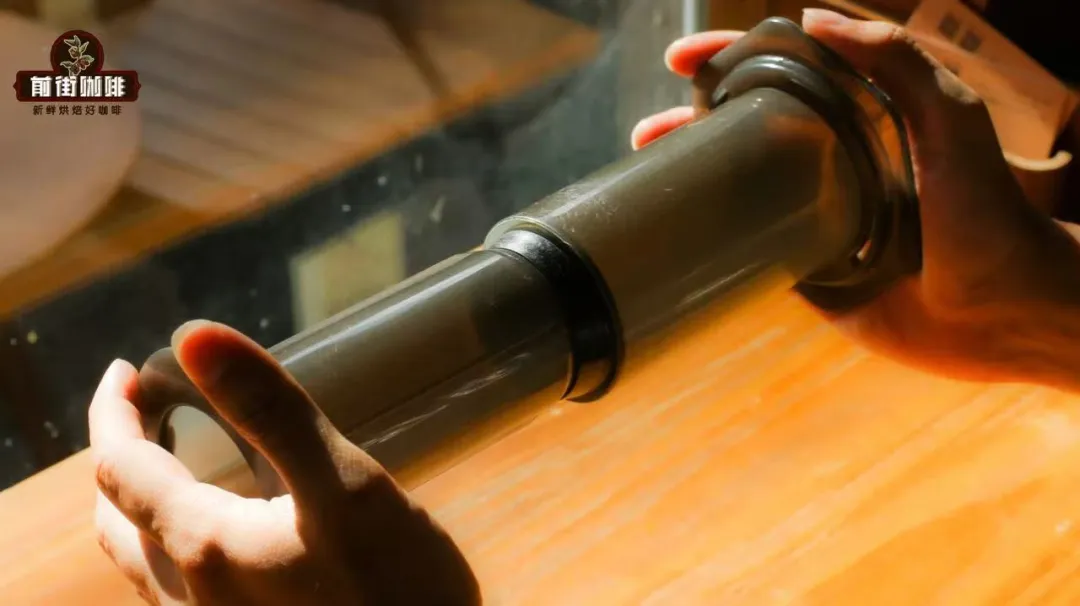
In fact, Alan Adler’s motivation to design the AeroPress was simple: while mainstream pour over and espresso machines can produce high-quality coffee, they have relatively high barriers to entry and demand more precise knowledge and control over the brewing process. Therefore, starting in 2003, he began researching coffee brewing and officially launched the AeroPress in 2005. Although the novel device didn’t attract much attention at the Seattle Coffee Festival that year, Alan believed in its potential. He personally shared usage instructions and videos online, unexpectedly sparking widespread discussion. Soon, the videos accumulated over seven million views, propelling the AeroPress to rapid popularity.

The AeroPress features a uniquely designed appearance — even by today’s standards — which initially led to skepticism about its market potential. However, after nearly two years of repeated refinement and the creation of over forty prototypes, the final design settled on a syringe-like shape, ingeniously combining immersion and pressurized extraction. The name “AeroPress” comes from “Aero (air)” and “Press (pressure),” reflecting its core design philosophy of using air pressure to quickly extract coffee flavors.

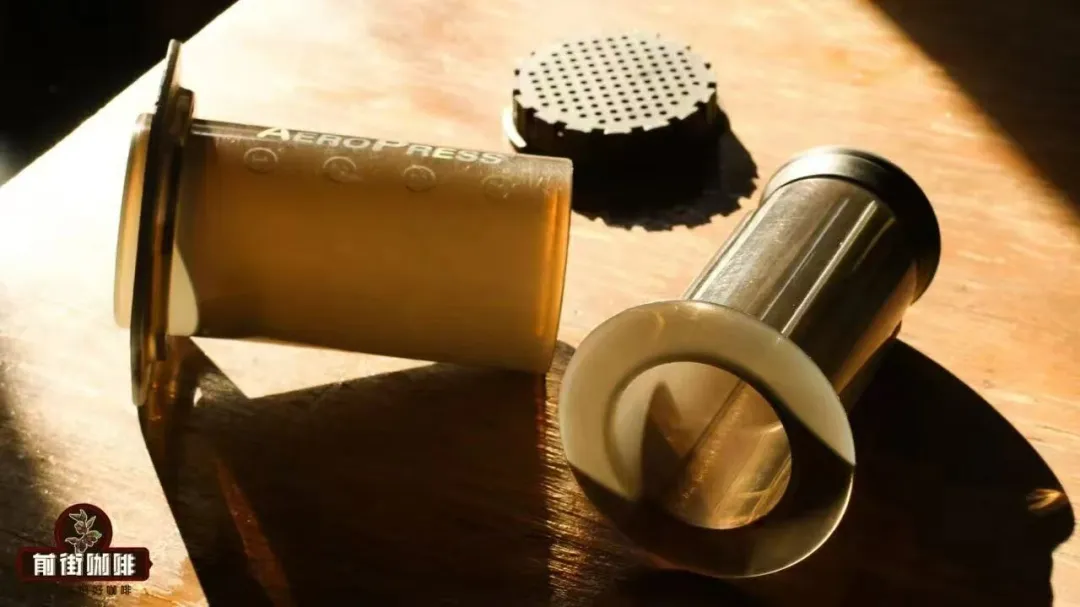
The AeroPress mainly consists of three components: the filter cap, cylinder, and plunger. To use it, coffee grounds are placed in the cylinder, hot water is added for immersion, and then downward pressure is applied so that the coffee liquid quickly passes through the filter paper under pressure, effectively extracting acidic, sweet compounds, and aromas. This combination of full immersion contact and efficient pressurized extraction is quite unique among manual coffee brewing devices.

The AeroPress offers highly flexible operation. Beyond adjusting basic parameters such as coffee-to-water ratio, water temperature, and grind size, users can also alter the brewing direction — either “normal” or “inverted” — to further influence extraction results and flavor profiles. Normal brewing is the most common method, where the device is assembled in its standard orientation and then pressed down. Inverted brewing, on the other hand, involves placing the coffee grounds and water in the plunger end first, then reassembling and pressing in reverse. This method often yields a richer and fuller-bodied taste, and is favored by many advanced users.
Below is a tested inverted (reverse) AeroPress brewing recipe, ideal for coffee lovers who enjoy fruity, full-bodied flavors. The coffee beans used in this session are from Fēnjièxiàn Estate · Xizhǎo, a medium-light roasted bean with outstanding flavor expression, featuring distinct tropical fruit notes — perfect for experiencing the unique charm of AeroPress brewing.
[Tested AeroPress Inverted Brewing Recipe]
Coffee Beans: Fēnjièxiàn Estate · Xizhǎo
Coffee Dose: 15 grams
Coffee-to-Water Ratio: 1:14
Water Temperature: 94°C
Grind Size: Around setting 8 on the Ek43 grinder, equivalent to 85% extraction through a #20 sieve (medium-fine)
Brewing Method: Inverted (Reverse) Method
Brief Steps:
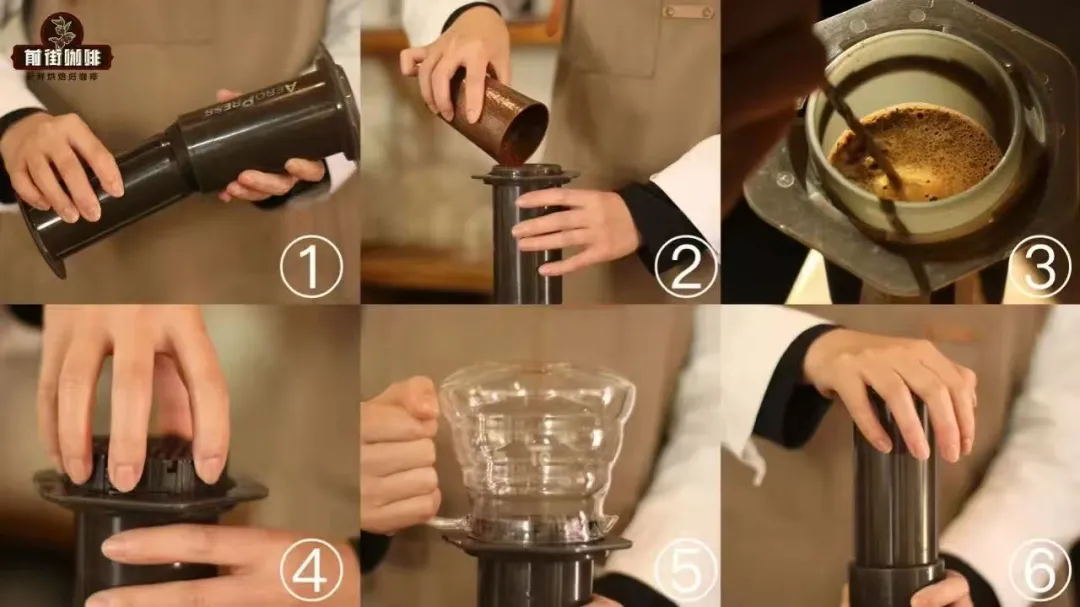
1. Place the AeroPress upside down, attach the brewing chamber first, then insert the filter cap and filter paper.
2. Add 15 grams of coffee grounds, then slowly pour approximately 210 ml of 94°C hot water. Stir gently for about 30 seconds to ensure full saturation of the coffee grounds.
3. After one minute from the start of pouring, attach the filter cap, place a cup upside down over the brewing chamber’s spout, then carefully flip the entire assembly over.
4. Finally, press down steadily and evenly to push the coffee liquid into the cup. Maintain stability during the pressing process to avoid tipping or spillage caused by excessive force.
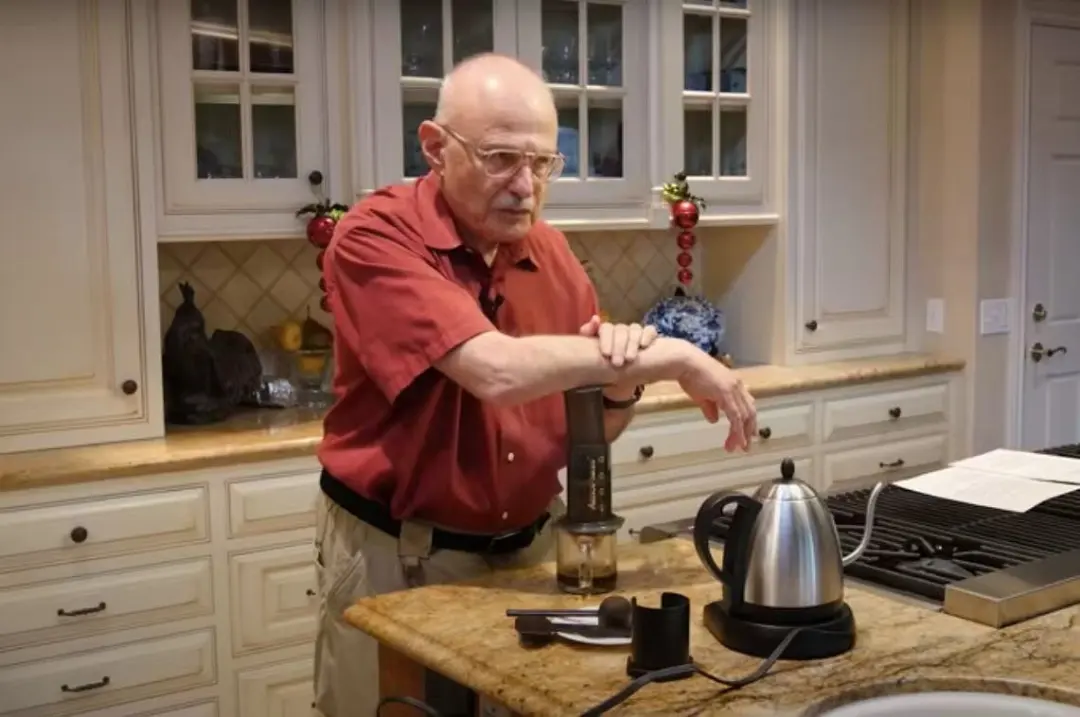
The resulting coffee has a clear flavor profile, highlighted by pronounced tropical fruit aromas such as grape, passionfruit, and apricot, accompanied by a slight fermentation note. The finish offers a sweet sensation reminiscent of dried fruit and citrus. Overall, it presents a balanced and layered cup. Compared to the same beans brewed via pour over, the AeroPress version yields a rounder and fuller mouthfeel. Due to slightly less filtration, a touch of coffee oils and fine particles enter the cup, adding extra richness and complexity. While it may be slightly less clean, the flavor performance is outstanding — definitely worth trying.
Whether you’re a beginner just getting into the AeroPress or an experienced coffee enthusiast, mastering the basic parameters and techniques will allow you to use this creative brewing tool to craft your own unique coffee experience.
The above content is compiled by CoffeeHunters, a coffee news website.


