








Introduction:The stability of espresso extraction hinges on two key steps: distributing and tamping the coffee grounds. These not only affect flavor expression but also directly determine whether channeling occurs. Many coffee beginners often wonder, “How much pressure should I use when tamping?” or “What counts as even tamping?” This article delves into the practical impact of tamping pressure, shares useful distribution and correct tamping techniques, and helps you master the secrets to consistently even espresso extractions—whether you’re a novice or an advanced enthusiast, there’s something to gain here.
When crafting a stable and well-balanced espresso shot, coffee distribution and tamping are crucial steps that shouldn’t be overlooked. By evenly spreading the coffee grounds and compacting them properly, you can effectively reduce the occurrence of channeling, thereby enhancing overall extraction quality. However, many beginners still have numerous questions about the appropriate amount of tamping force and the correct tamping method. This article will thoroughly break down these two steps, help you understand the real impact of tamping pressure on extraction, and provide practical and effective distribution and tamping techniques.

To ensure hot water uniformly penetrates the coffee puck during extraction, distribution and tamping play pivotal roles. When coffee grounds are evenly distributed in the portafilter basket and properly compacted, water resistance is consistent, which helps stabilize extraction time and flavor release. Neglecting these two steps can lead to uneven extraction—even if grind size and brew ratio are correct—due to an inconsistent puck, ultimately affecting the final taste.
Many people assume that the harder you tamp, the longer the extraction time will be. This notion is only half true. Theoretically, greater pressure compacts the puck more densely, narrowing the water pathways and thus increasing extraction time. However, in reality, this isn’t necessarily the case because the brewing pressure applied by the espresso machine itself (around 9 bar, or roughly 9 atmospheres) is far greater than the pressure a hand tamp can provide.

To test the actual impact of tamping pressure on extraction, one experiment used 20 grams of coffee with a target yield of 40 ml of espresso, varying only the tamping force: the first shot was untamped, the second was tamped with about 2 kg (20 N) of force, and the third with about 15 kg (147 N) of force. The results showed extraction times of 29, 30, and 30 seconds respectively—almost no noticeable difference. Aside from the untamped shot showing slightly lower flavor and extraction yield, the other two were quite similar. This shows that tamping pressure has a limited effect on extraction time.
In fact, the 9 bar pressure applied by the espresso machine translates to around 242 kg of force acting on the puck. In comparison, the 2 kg or 15 kg manual tamping force is almost negligible. Additionally, industry test data indicates that even with different tamping pressures, the pressure at the bottom of the puck doesn’t change much, because most of the force is absorbed by the upper part of the puck—much like the energy dispersion principle seen in car crash tests.

Therefore, when tamping, there’s no need to pursue extreme force. Instead, focus on achieving a level puck. As long as the surface of the puck is flat and its density is even, it can effectively reduce channeling, allow water to penetrate uniformly, and improve extraction consistency. For most users, the key to tamping lies not in “how hard” but in “how even.”
The key to correct tamping is achieving a “level” surface—not a specific motion. No matter which grip or posture you use, as long as the final puck surface is flush with the rim of the portafilter and free from obvious bumps or dips, it can effectively guide water through evenly. Water entering the puck will naturally seek the path of least resistance. If the puck surface is uneven, channels can form where water flows preferentially, leading to over-extraction in some areas and under-extraction in others.

It’s important to note that distribution must always precede tamping. Skipping distribution and going straight to tamping—even if the final puck looks level—can still result in uneven internal coffee density, negatively affecting extraction. The correct sequence is: distribute first, then tamp. If you’re not yet familiar with these two steps, the following practical tips can help you get the hang of it more quickly.
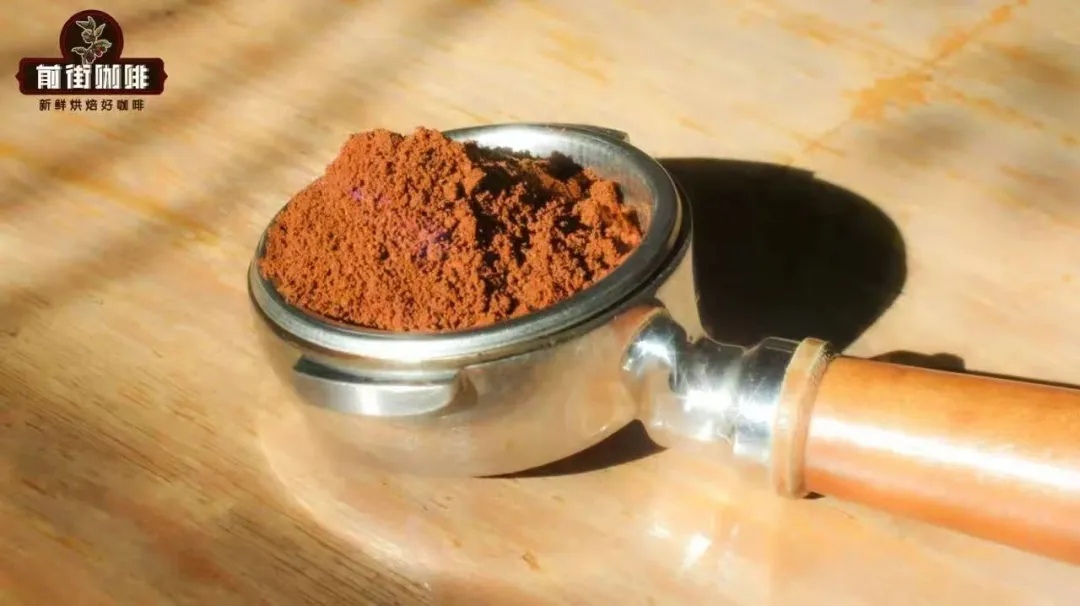
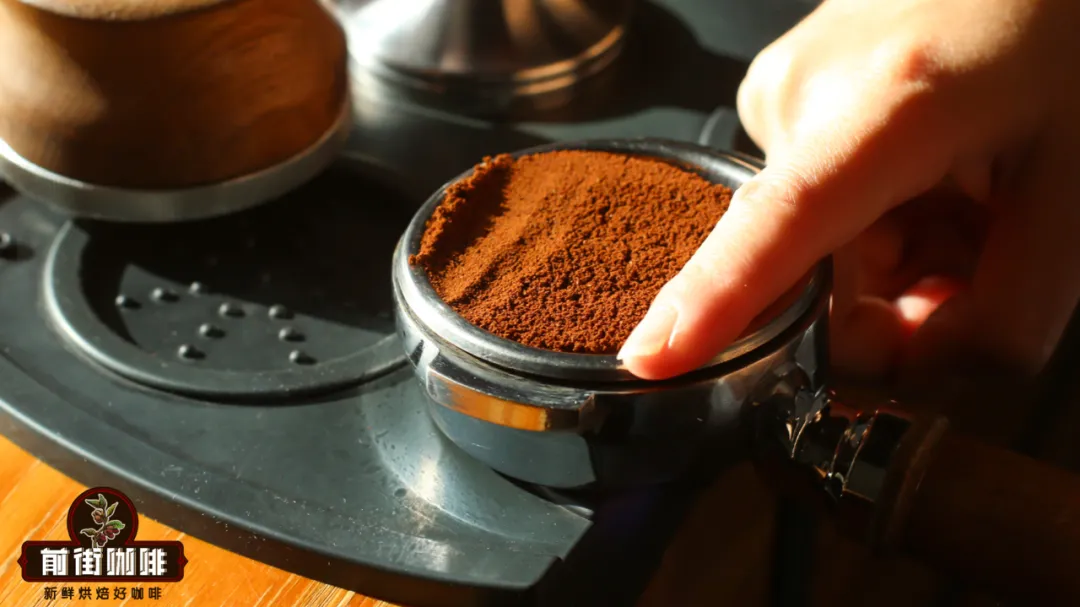
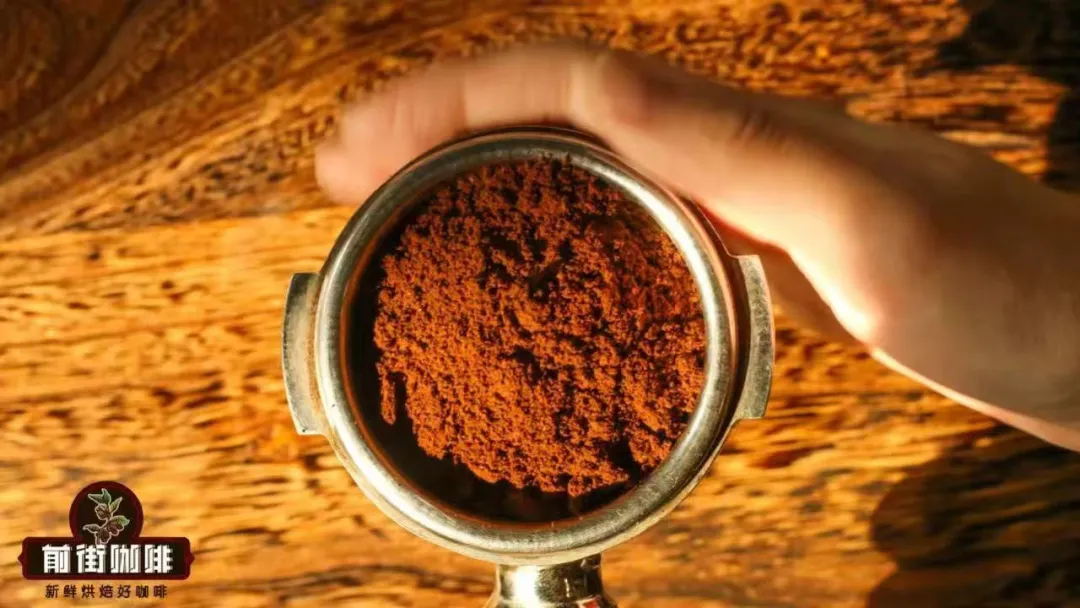
When you don’t use a dosing funnel and pour coffee grounds directly, the distribution may be uneven—some areas piled too high, others too sparse. In such cases, it’s not recommended to immediately use a distribution tool, as the spinning or tapping motion can apply extra pressure to the coffee bed, altering its final density. It’s better to first gently spread the grounds with your fingers, redistributing excess coffee to areas with less, then lightly tap the side of the portafilter to let the grounds naturally settle and fill gaps, and finally use a distribution tool to achieve evenness.
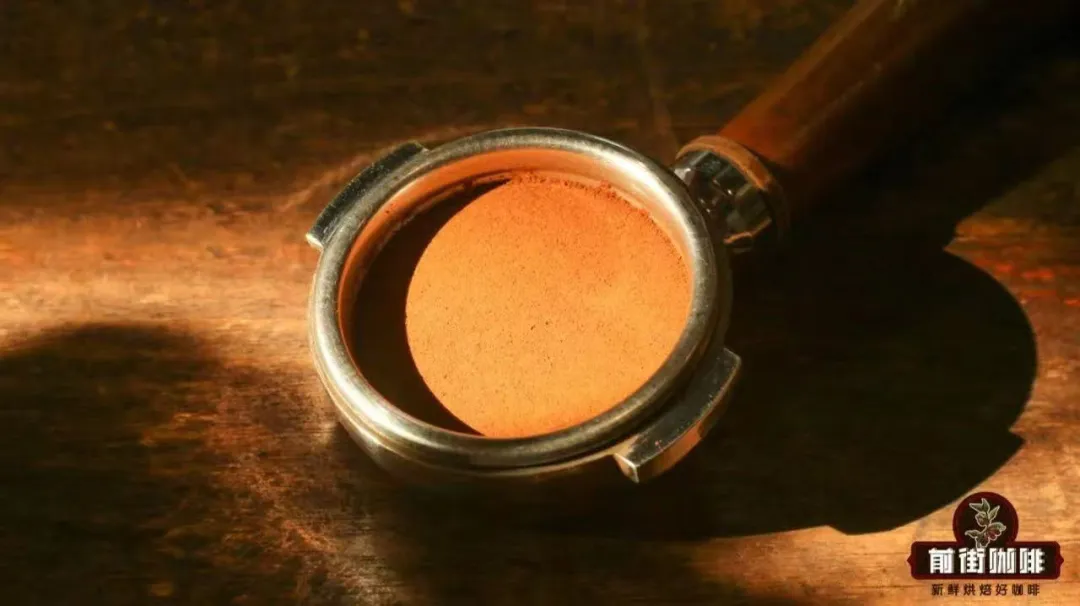
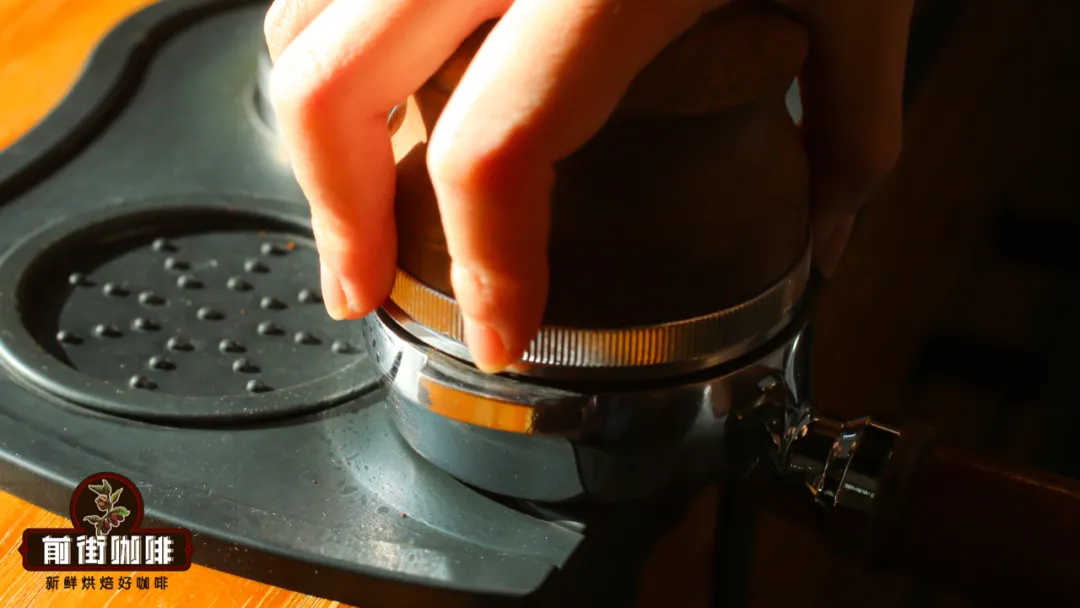
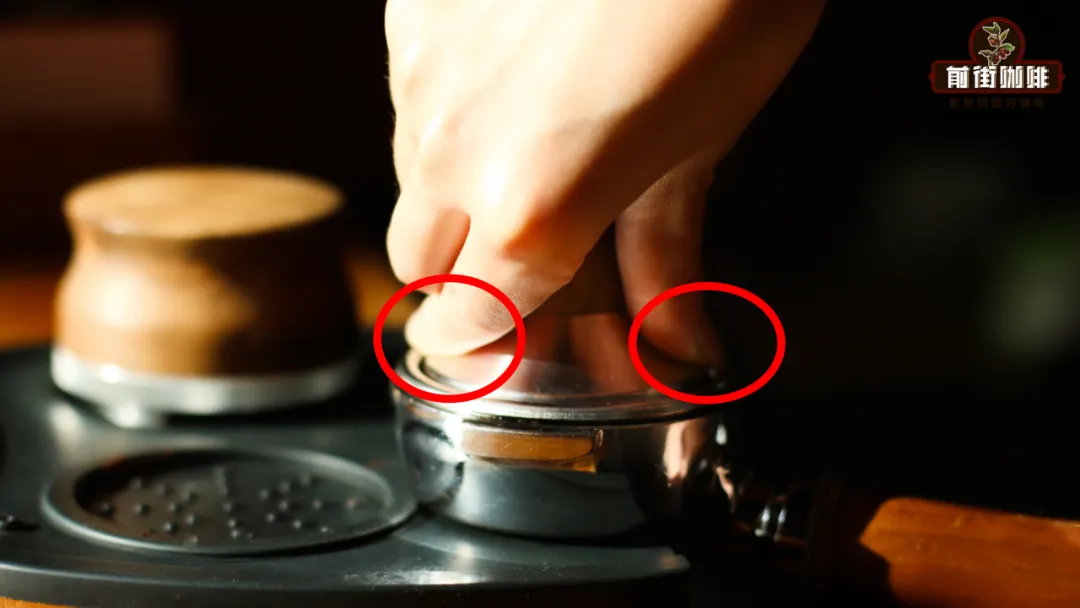
After distribution, you can proceed to tamping. If you’re not yet able to apply perfectly even pressure, you can try the following common and practical tamping technique: place the tamper into the portafilter, gripping the handle with your middle, ring, and pinky fingers while positioning your index and thumb on either side edge of the tamper. As you tamp, your index and thumb should lightly touch both the edge of the portafilter and the tamper, using balanced force from both fingers to press downward until the puck is firmly compacted. This grip helps you better control the distribution of pressure and is suitable for most beginners practicing tamping.
After tamping, observe whether the distance between the top of the puck and the portafilter’s level markings is consistent. If the gaps are equal across all areas, it means the puck is level and evenly compressed. If some parts are noticeably sunken or protruding, it indicates uneven tamping pressure or possible tilting—adjust your technique accordingly to ensure better pucks next time.
In summary, distributing and tamping espresso may seem simple, but they are critical details that greatly influence extraction quality. Through even distribution and a level tamp, you can effectively minimize channeling, allow water to pass uniformly through the puck, and consistently extract balanced-flavor espresso shots. Whether you’re just starting out or already experienced, mastering these techniques will give you more confidence in every cup you make.
The above content is compiled by CoffeeHunters, a coffee news website.


