








Introduction:Kenyan coffee is renowned for its distinctive tomato-like acidity, black plum tartness, and bright, full-bodied acidity. However, it’s not easy to replicate such an enchanting cup at home. This article delves into the origins of Kenyan coffee’s flavors—from its high-altitude volcanic soils and tropical savanna climate, to the classic SL28 and SL34 varieties, and the unique K72 washed processing method—to uncover the secrets behind its exceptional taste profile. It also provides practical pour over recommendations for “Kenyan · Little Tomato,” including 15g of coffee, a 1:15 coffee-to-water ratio, 92°C water temperature, and V60 three-stage brewing parameters to help you fully unlock the layers and characteristics of Kenyan coffee.
Kenyan coffee has long been celebrated for its bold yet bright acidity, natural sweetness reminiscent of sugarcane, and unforgettable notes of small tomatoes and black plums. Yet, many coffee enthusiasts find that after purchasing Kenyan beans, they’re unable to reproduce the same stunning flavor at home—the bright acidity may be muted or the overall profile somewhat flat. What causes this gap? The answer lies in the exquisite combination of terroir, variety, and processing method.

The unique charm of Kenyan coffee is no accident. Its key lies in three factors: fertile soils from high-altitude volcanic terrain, a tropical savanna climate ideal for coffee growth, and the classic SL28 and SL34 coffee varieties. Combined with Kenya’s distinctive K72 washed processing method, these elements create a coffee rich in flavor layers, with bright acidity and a highly recognizable profile.
Many coffee experts hold Kenyan beans in high regard. For instance, in his book “The World of Specialty Coffee,” Han Huai-zong once noted: “Compared to non-Geisha varieties from other regions, Kenyan coffee often stands out with its intense and distinctive flavor spectrum, making coffees from other origins seem lackluster by comparison.” Such praise is backed by a solid flavor foundation.
However, some consumers have reported that the Kenyan coffee they bought at home often lacks that indescribable “Kenyan character.” In fact, this may be related to the specific beans chosen, as not all Kenyan-produced coffee possesses such iconic acidic and aromatic traits. Therefore, selecting the right variety and processing method is the first step to truly experiencing Kenyan flavor.

First, let’s look at the key environmental factors influencing the flavor formation of Kenyan coffee. Coffee flavor expression is about 30% influenced by growing conditions. Kenya is located in East Africa, in a high-altitude zone neighboring well-known coffee-producing countries like Ethiopia, Tanzania, and Uganda. However, differences in geographic conditions across regions lead to vastly different coffee flavor profiles.
Kenya is a tropical region, mostly situated at low latitudes, with two distinct rainy and dry seasons throughout the year. Most of the country consists of plateau terrain, with the majority of coffee-growing areas located between 1,600 and 2,100 meters above sea level, characterized by a typical tropical savanna climate, while some coastal areas are more humid. Such altitude and climatic conditions provide an ideal environment for coffee cultivation.
The large day-night temperature variation caused by high altitude slows the growth rate of coffee cherries, aiding in sugar accumulation, thereby enhancing the richness and complexity of flavors. In addition, most Kenyan coffee is grown in volcanic soils rich in phosphates, a soil trait that contributes to brighter and clearer acidity—another key factor behind the unique acidic aromas of Kenyan coffee.
Next, let’s discuss the varieties. The reason Kenyan coffee boasts such vivid tomato-like and black plum acidity lies in the classic varieties it uses—SL28 and SL34. Both of these varieties were developed by the Scott Laboratories (SL) in the 1930s, with the goal of finding coffee varieties that could adapt to Kenya’s unique terroir and also possess commercial potential.
The “SL” in SL28 and SL34 stands for Scott Laboratories, while 28 and 34 are the original breeding codes. SL28 is a mutation of the Bourbon variety, and SL34 originates from Typica. Both exhibit strong black plum and tomato-like acidity, while maintaining excellent sweetness and aromatic layers. This balance of sweet and sour, along with their unique fruity acidity, has become the hallmark of Kenyan coffee—and a major reason why many coffee lovers become devoted fans after just one try.
In addition to SL28 and SL34, Kenya has also introduced varieties such as Bourbon, Kent, and Blue Mountain Typica, and later developed new ones like Ruiru11 and Batian. But in terms of flavor performance and recognizability, SL28 and SL34 remain the most classic and outstanding.
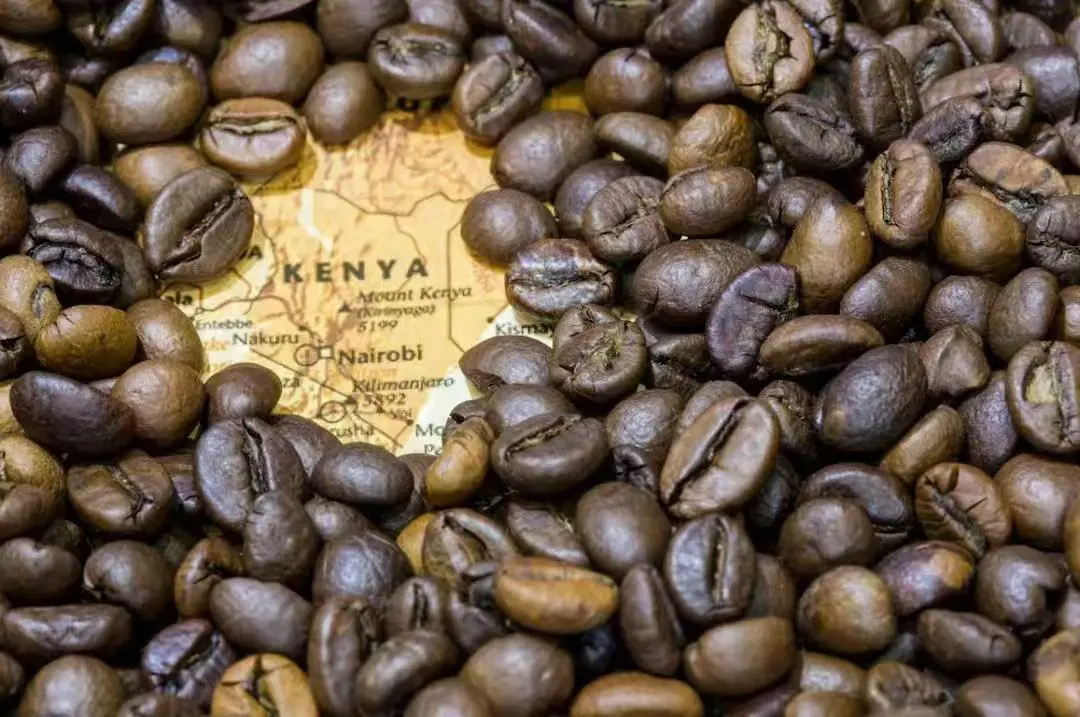
Finally, we cannot overlook Kenya’s unique coffee processing method—the K72 washed process. Compared to typical washed processing, which usually involves fermentation for only 24 to 36 hours, the Kenyan method can ferment for up to 72 hours, hence it is often referred to as “K72” or “Kenyan-style 72-hour wash.”
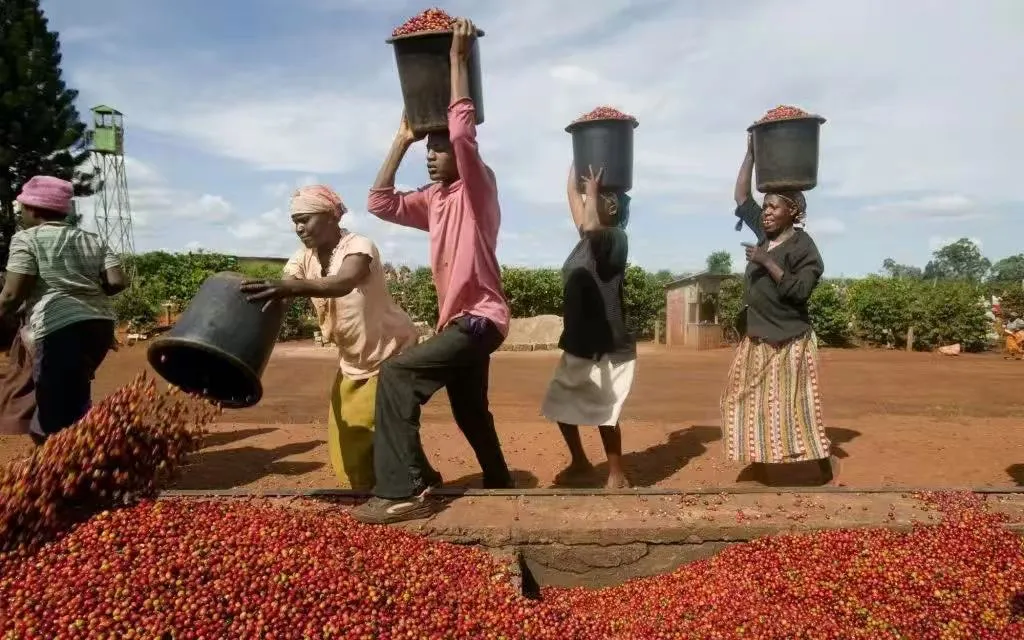
The origin of this process is said to be due to a shortage of drying beds in the early days. Some parchment coffee that had already been depulped had to be temporarily soaked back in water tanks until space became available. Unexpectedly, this extended soaking resulted in cleaner and more layered coffee flavors, thus becoming the standard practice for Kenyan washed processing.
A typical K72 process involves multiple 24-hour wash fermentations of the pulp-covered parchment beans—usually repeated three times, with thorough rinsing between each soak, accumulating to 72 hours—followed by standard washing, drying, and parchment removal procedures. This method not only enhances cleanliness but also intensifies the brightness of flavors and the sharpness of acidity.
Combining the three elements above—high-altitude volcanic soils and climatic environments, the classic SL28 and SL34 varieties, and the K72 long-duration washed process—is the key to Kenyan coffee’s distinctive tomato and black plum acidity, full and bright acidity, and high sweetness. If you want to experience the most authentic Kenyan flavor, it is recommended to choose coffee beans labeled as washed processed and using either the SL28 or SL34 variety.
For example, a brand’s offering of “Kenyan · Little Tomato” features the SL28 and SL34 varieties, is washed processed, and comes from the highlands of the Thika region at an altitude of approximately 1,550–1,750 meters. It showcases intense notes of black plum, small tomato, brown sugar, and black plum, making it a classic bean that fully exhibits the characteristics of Kenyan coffee.

To allow the full flavor of this Kenyan · Little Tomato to shine through, it is recommended to use a medium-light roast and employ a suitable pour over extraction to bring out its layers. Below are the tested and recommended brewing parameters, suitable for the V60 dripper:
- Coffee dose:15 grams
- Grind size:Ek43 grinder at setting 9.5, equivalent to 75% passing rate on a #20 sieve, close to the coarseness of fine sugar
- Coffee-to-water ratio:1:15
- Water temperature:92°C
- Brewing method:V60 three-stage
Specific steps are as follows:
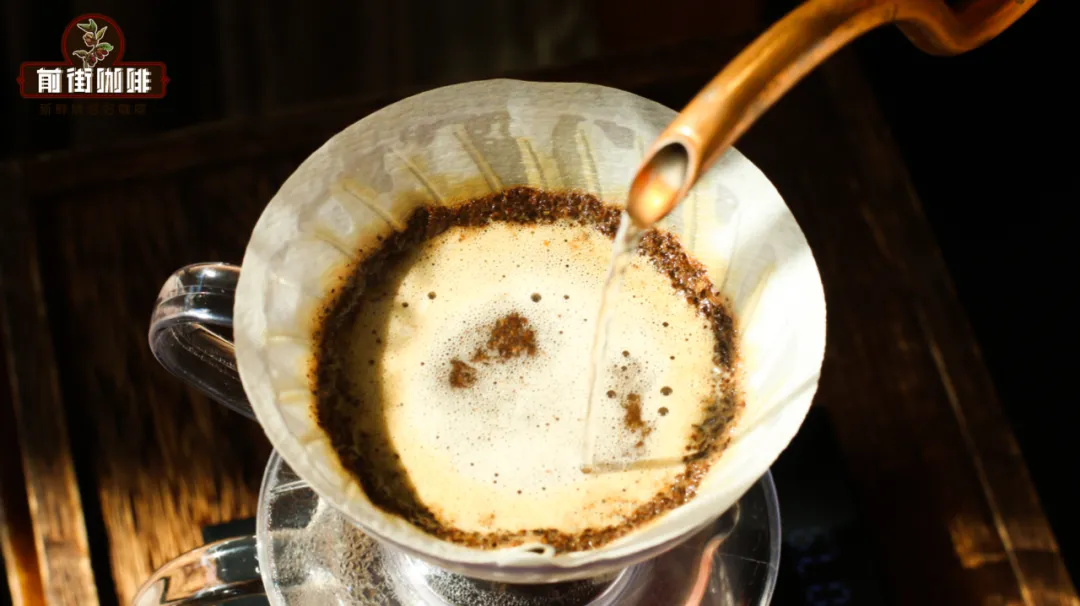
First is the bloom stage: pour hot water equal to twice the coffee dose (about 30ml), bloom for 30 seconds to release CO₂ from the coffee grounds and prepare for subsequent extraction.
Next is the second pour: add about 120ml of hot water, preferably with a moderate flow rate in a wide circular motion, for around 30 seconds. You may slightly increase the flow rate to help lift the coffee bed and enhance layering. After pouring, let it sit and drip for about 1 minute and 20 seconds.
Finally, the third pour: add 75ml of hot water using a small flow rate in a tight circular motion, for about 20 seconds. Once dripping is complete, remove the dripper. Total brew time is around 2 minutes.

This brewing method fully highlights the unique flavors of Kenyan · Little Tomato: from the start, you’ll notice distinct aromas of small tomato and black plum. Upon tasting, the acidity is round and full-bodied, like biting into a juicy, ripe small tomato, with sufficient sweetness softening and layering the acidity. Subsequently, the aromas of black plum, black plum, and brown sugar gradually emerge, and as the temperature drops, subtle berry-like acidity and sweetness can still be felt. The overall flavor is as lively and dynamic as a freshly squeezed tomato juice.
In summary, if you want to brew a cup at home that captures the representative acidity and sweetness of Kenyan coffee, start by carefully selecting your beans—opt for Kenyan coffee that is washed processed and uses the SL28 or SL34 variety. By applying the right grind size, water temperature, and a three-stage pour over technique, you will be able to fully unleash its charming tomato and black plum notes, and enjoy a layered, sweet-and-acid-balanced specialty coffee.
The above content is compiled by CoffeeHunters, a coffee news website.


