







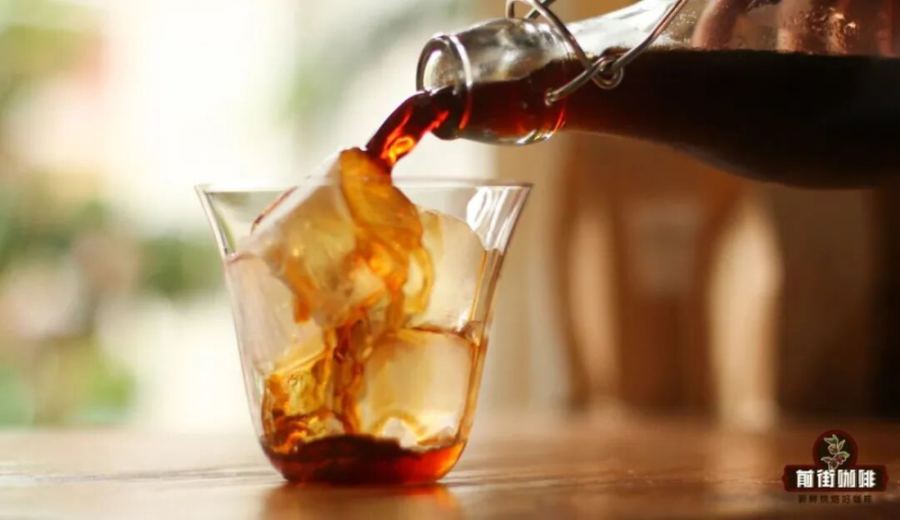
Introduction:With its unique flavor profile and meticulous brewing process, cold drip coffee has become one of the goals that coffee enthusiasts aspire to master through hands-on brewing. However, cold drip is vastly different from cold brew—it requires precise control over flow rate, grind size, ratio balance, and maturation time. Every detail affects the final taste. This article will delve into the core variables of cold drip coffee brewing, offering professional-level parameter suggestions to help you achieve café-quality results at home.
With its lengthy brewing process and complex layers of flavor, cold drip coffee has long been regarded by many coffee lovers as the epitome of “slow craftsmanship.” Unlike simple cold brew, cold drip requires specialized equipment. It works by slowly dripping ice water through a bed of ground coffee, extracting flavors over an extended period and undergoing refrigerated maturation to deliver a rich yet smooth, distinctive taste. This article will focus on the four key elements of cold drip brewing—grind size, drip rate, coffee-to-water ratio, and maturation time—and provide practical parameter recommendations to help you craft a cup that approaches professional standards.
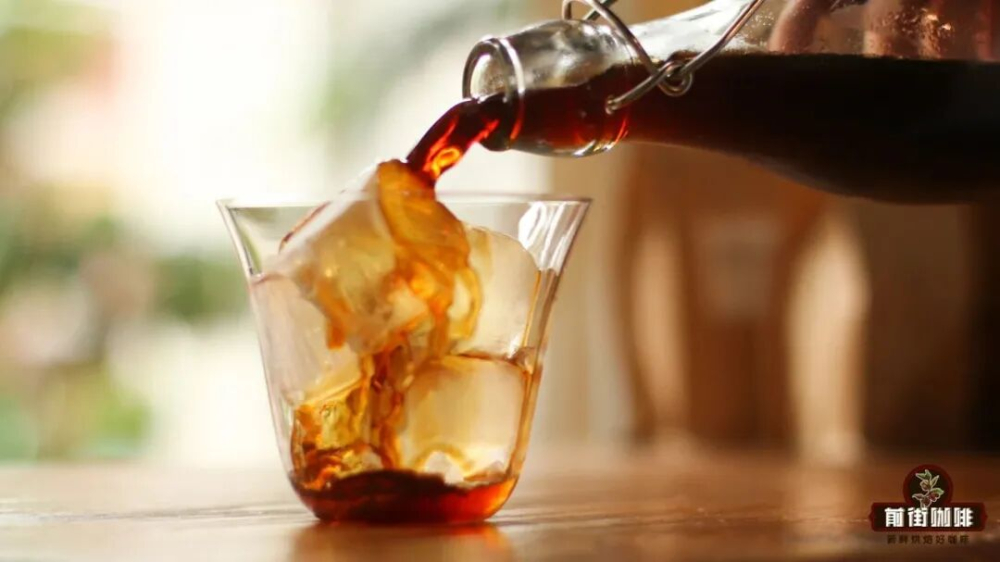 “Do you have cold drip coffee?”
“Yes, today’s cold drip is...”
“How come it’s ready so fast?”
“Because of timing, we usually prepare the cold drip in advance and store it in the fridge.”
“So how long does it actually take to make a cup of cold drip coffee?”
Such conversations are common in specialty coffee shops. Aside from its “relatively high price,” which often sparks discussion, the time-consuming brewing process also adds an air of mystery to cold drip.
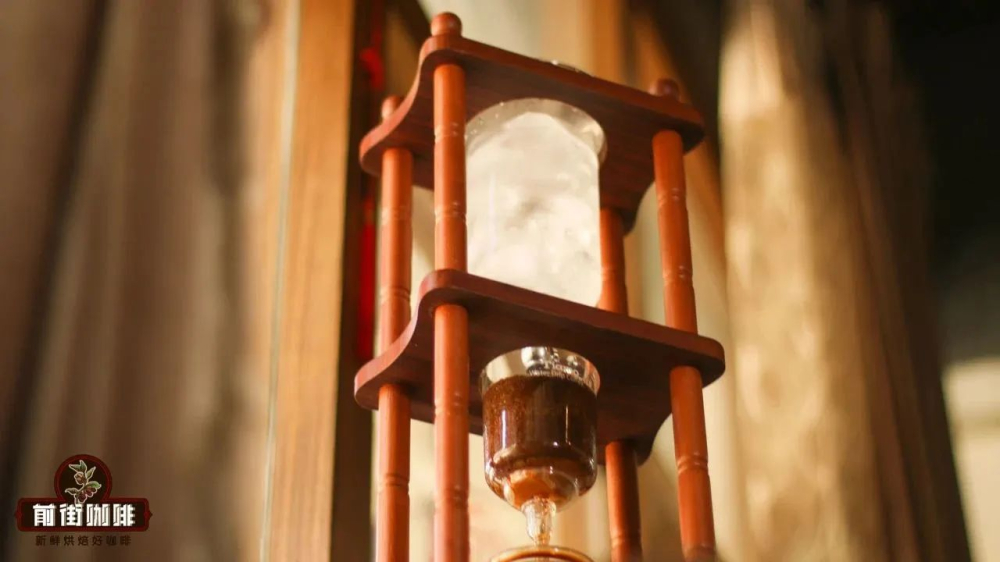
Though both are extracted under low-temperature conditions, the operational principles behind cold drip and cold brew are fundamentally different. Cold brew is relatively straightforward—just mix coffee grounds with cold water, refrigerate for several hours, then filter out the grounds to finish. Almost anyone can try it at home. Cold drip, on the other hand, not only requires specialized equipment—a cold drip tower—but also involves a continuous dripping method where ice water slowly seeps through the coffee grounds to gradually extract the flavors. Moreover, the extracted coffee liquid needs to undergo a period of refrigerated maturation to achieve a smoother, more layered mouthfeel.
In summary, to make a cup of cold drip coffee that meets the standard, you need not only the right tools but also control over drip speed, grind fineness, coffee-to-water ratio, and patience to let the coffee mature. Compared to cold brew—which has almost zero barriers to entry—the cold drip brewing process is significantly more intricate, which is why most people opt to buy it rather than make it themselves.
As is well known, water temperature greatly influences the extraction flavor of coffee, with lower temperatures helping to suppress the release of astringent compounds. Cold drip coffee is a type of drip filtration extraction, but it uses ice water below 5°C, and can thus be considered a form of low-temperature drip filtration.
Based on practical experience, the outcome of cold drip coffee extraction is primarily governed by the following four factors: drip flow rate, coffee grind fineness, coffee-to-water extraction ratio, and coffee liquid maturation time.
1. Coffee Grind Fineness
The grind size of coffee for cold drip is key to extraction efficiency. If the grind is too coarse, water passes through the coffee bed too quickly, leading to under-extraction and a weak, thin-tasting coffee. If the grind is too fine, it can cause channeling, uneven water flow, and result in over-extraction with bitter or astringent notes.
It is recommended to calibrate using a standard #20 (0.85mm) sieve. The grind sizes for common brewing methods, from finest to coarsest, are roughly: cold drip (cold brew) > pour over (siphon) 80% > American drip 75–80% > cupping 70–75% > French press 65–70%. Therefore, the grind for cold drip should be finer than that for pour over. It is suggested to aim for a grind passing rate of around 83–85% to ensure appropriate extraction resistance.
2. Drip Flow Rate
Cold drip is a continuous and dynamic extraction method, where cold water continuously flows through the coffee bed and gradually drips down to form the coffee liquid. Therefore, maintaining a stable and even flow of water through the coffee grounds is essential for balanced flavor.
If the drip rate is too fast, extraction will be incomplete, resulting in a flat-tasting coffee lacking aroma. Conversely, if the drip rate is too slow, the coffee liquid may become overly soaked, producing undesirable sourness or off-flavors.
Practical recommendations are as follows: for light roast beans, such as those with pronounced fruity and floral notes (e.g., Red Cherry, Cherry Tomato), it is advised to set the drip rate at 7 drops per 10 seconds to highlight the bright flavors. For medium roasts, such as Geisha or Strawberry Candy, a slower rate of 5 drops per 10 seconds is recommended to achieve a rounder body and richer fermented complexity.
3. Extraction Ratio (Coffee-to-Water Ratio)
The coffee-to-water ratio in cold drip not only affects brewing time but also directly determines the final concentration and overall extraction performance. Considering that cold drip coffee is often served with ice, a 1:10 ratio is suggested to achieve a balanced intensity. For a crisper taste, you can adjust to a 1:12 to 1:14 ratio, making the coffee more suitable for direct consumption without additional ice.
4. Maturation Time
Many may not realize that even when brewed under the same conditions, the flavor of cold drip coffee can vary significantly depending on how long it has been stored.
Freshly made cold drip coffee is recommended to be refrigerated first, allowing its flavor compounds to undergo slow fermentation. After several hours, the mouthfeel will become clearer and mellower. Typically, fermentation flavors peak around the 3–5 day mark; however, after the 6th day, some aromas may begin to fade and acidity may lose its brightness. Therefore, to balance flavor performance and food safety, it is advisable to consume the coffee within 5 days of brewing.
How long does the actual brewing process take?
Taking a cup of about 200ml cold drip coffee as an example, using a 1:10 coffee-to-water ratio requires 20g of coffee grounds and 240g of ice water (note: coffee grounds absorb roughly twice their weight in water). If the drip rate is 7 drops per 10 seconds, the entire extraction process takes approximately 2.5 hours.
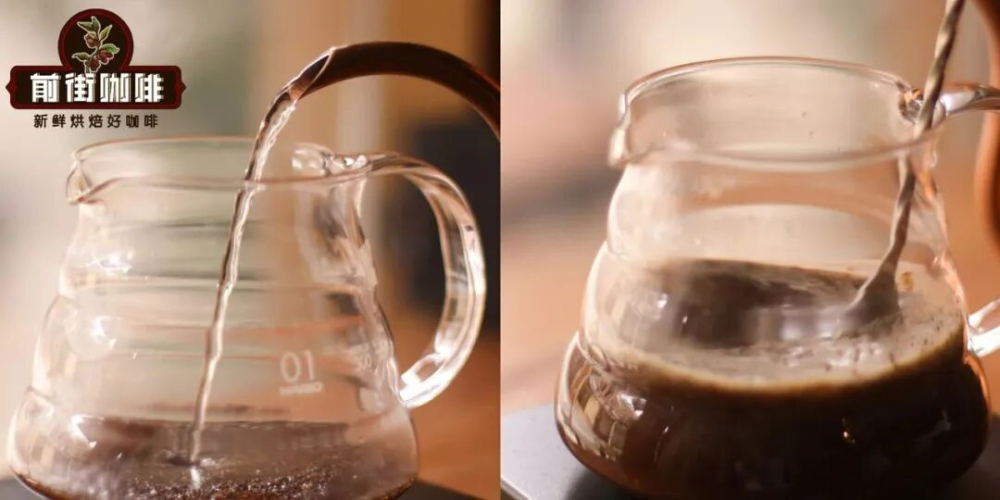
However, to improve efficiency and yield, most shops produce larger batches of cold drip coffee. For instance, the lower chamber of a shop’s cold drip tower can hold about 650ml of coffee liquid, so they use 60g of coffee grounds to brew 600g of coffee liquid, again at a drip rate of 7 drops per 10 seconds. The total brewing time is around 7 hours. After extraction, the coffee liquid is refrigerated overnight and ready for sale the next day.
So, when asked, “How long does it take to make a cup of cold drip coffee?”—if considering the whole process, saying it takes a day and a night is actually no exaggeration.
The above content is compiled by CoffeeHunters, a coffee news website.


