







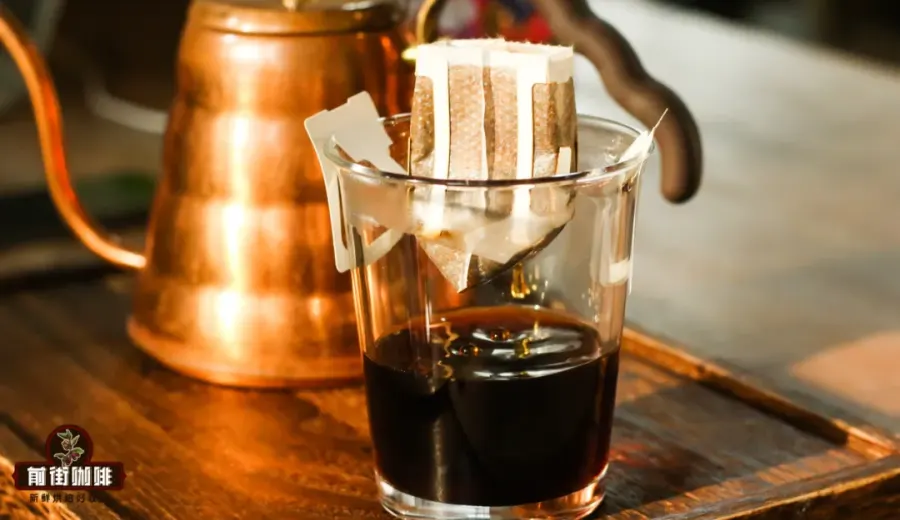
Introduction:Drip bags are the best choice for many busy individuals to enjoy great flavor on the go, but often due to incorrect water temperature, inaccurate pouring volume, or too short a brewing time, the taste can turn out flat or over-extracted. This article explains in detail the three core parameters that affect the flavor of drip bags: water temperature selection, coffee-to-water ratio, and brewing time, and provides specific recommendations for both light and dark roasts, helping you brew a rich and balanced pour-over-quality drip coffee in the simplest way possible.
Thanks to their convenience—no need for grinding beans or complicated equipment—drip bags are an ideal coffee option for business trips, office use, or travel. However, many people encounter issues such as overly light, sour, or bitter flavors when brewing at home, which is often directly related to water temperature settings, pouring volume, and brewing time. Mastering these three elements allows even pre-ground drip bags to showcase layers and flavors that rival those of pour-over coffee.
First, to fully experience the unique characteristics of coffee from different regions, try a variety of classic regional drip bag sets. These usually cover a range of roast levels from light to dark and processing methods from washed to natural, such as light-roasted beans with distinct citrus and floral notes, and dark-roasted options showcasing rich chocolate and nutty tones—perfect for comparing the flavor differences brought by various roast levels.
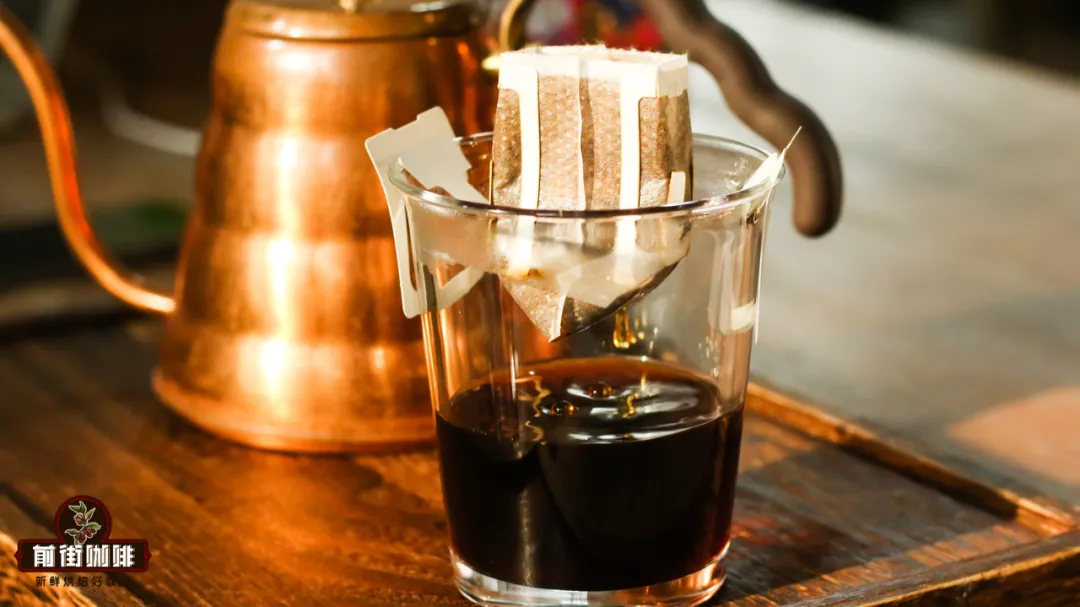
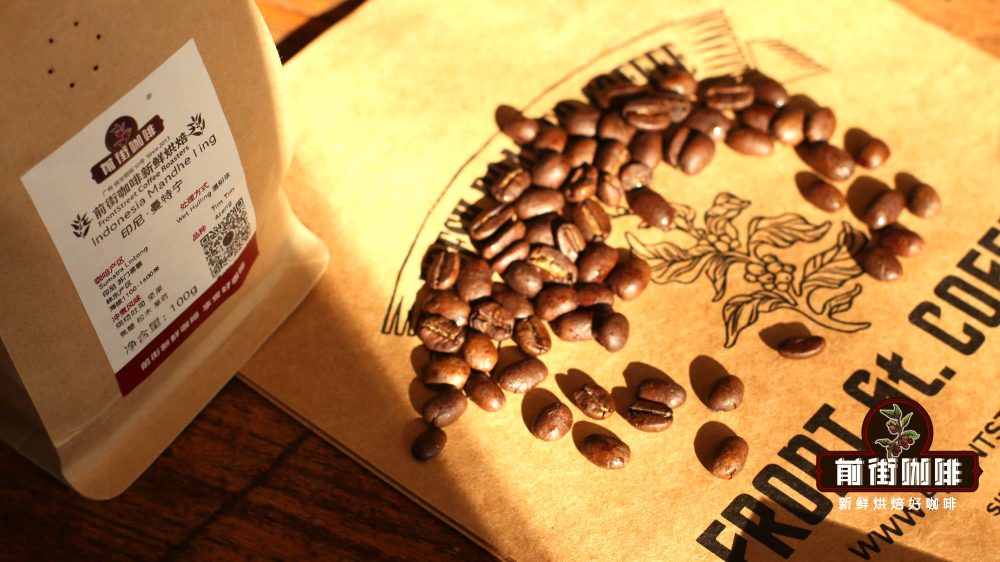
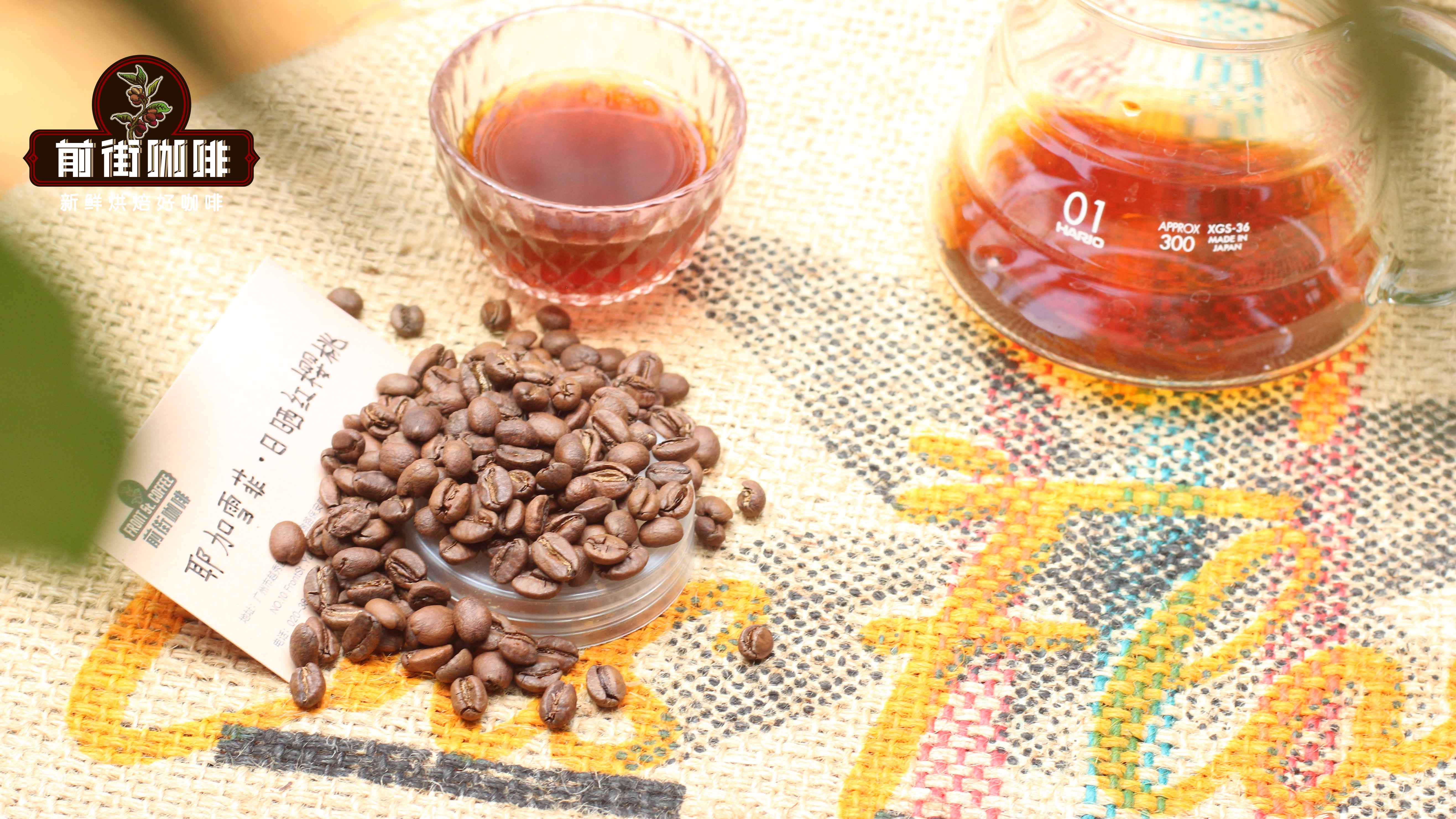
For users new to drip bags, it’s recommended to taste them in order of roast darkness: start with medium to dark roasts, such as Indonesian Mandheling with herbal and nutty aromas, or Honduran Catuai with pronounced cream and chocolate aftertastes; then try Panamanian Geisha with both citrus and honey notes, followed by Ethiopian Yirgacheffe Red Cherry with pronounced citrus tones and fruity wine-like aromas, and finally end with Kenyan Assaliya, which has clear berry and cherry tomato flavors, gradually experiencing the flavor profiles brought by different regions and roast levels.
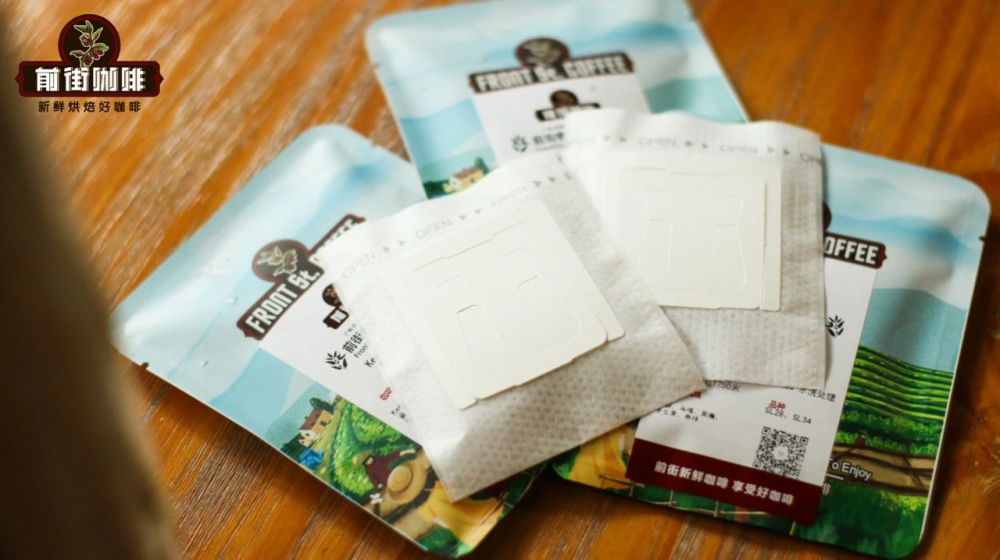
Although there are many drip brewing tutorials available online or in stores, many users still report that their coffee turns out either as weak as water or overly bitter and astringent. In fact, the key to brewing a good cup of drip coffee lies in controlling the three main factors: water temperature, pouring volume, and extraction time. This is fundamentally the same as pour-over coffee, except that the coffee grounds in drip bags are pre-ground, so we only need to focus on these three variables.
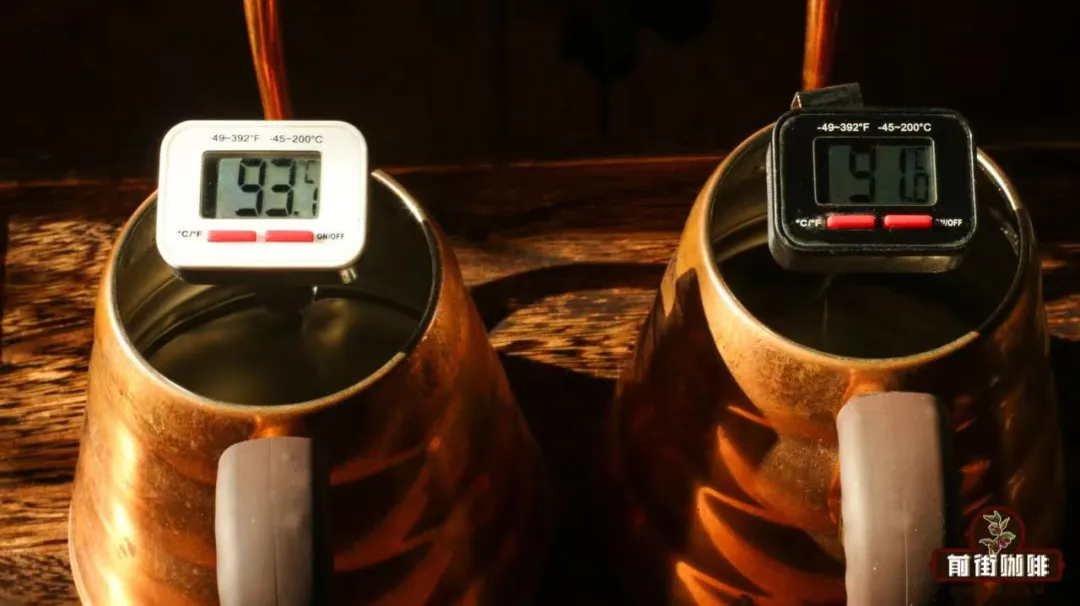
Let’s first talk about water temperature. The temperature of the water directly affects how quickly various flavor compounds in the coffee dissolve. Generally speaking, the higher the water temperature, the faster the extraction, but it also increases the risk of over-extraction; if the water is too cool, under-extraction may occur, preventing flavors from fully developing, resulting in a thin and overly acidic cup. Many households or offices use water dispensers for heating, which typically reach only around 80°C—this is generally too low for most drip bags and can make the coffee taste flat and lack complexity.
If you’re brewing a drip bag with prominent fruity or floral notes, such as light or medium-light roasted beans from Ethiopia or Central and South America, it’s recommended to set the water temperature between90°C and 93°C. This helps fully extract the delicate flavors of the beans in a short amount of time; for medium-dark or dark roasted drip bags, such as common Mandheling or blends with chocolatey profiles, it’s better to use86°C to 89°Cto avoid high temperatures accelerating the extraction of excessive bitter and burnt compounds, which can negatively impact the overall taste.
Next is the control of pouring volume. The amount of water poured not only determines the strength of the coffee but also affects the final extraction yield. A common coffee-to-water ratio is 1:15, meaning 10 grams of coffee grounds to 150 milliliters of hot water. This ratio usually produces coffee with clear flavors and a full body. If you prefer a stronger taste, you can opt for 1:14—that is, 10 grams of coffee to 140 milliliters of water; for a lighter cup, you can use 1:16 or 1:17, meaning 10 grams of coffee to 160–170 milliliters of water.
In practice, if you don’t have an electronic scale, you can also roughly estimate by observing the water level in the drip bag. For example, when slowly pouring a small stream of water until the bag is about half full, it’s roughly 30–40 milliliters; if poured to nine-tenths full, it’s about 70–80 milliliters. You can divide your desired total water volume—say, 160 milliliters—into multiple pours, such as four pours to half capacity or two pours to nine-tenths, using a pulse pouring technique to help extend the extraction time and improve the completeness of flavor extraction.
Finally, and crucially: brewing time. Generally speaking, the longer the water is in contact with the coffee grounds, the more flavor compounds are extracted, but care must be taken to avoid over-extraction, which leads to bitterness. For pre-ground drip bags, it’s recommended to keep the total brewing time to aroundapproximately two minutes. This duration is sufficient for most flavors to be released without going overboard.
Controlling the time is simple—you can achieve this byusing pulse pouring and slowing down the pouring speed. It’s suggested to divide the total water volume into 3–4 segments, waiting for the coffee to completely drip through between each pour, and allowing about 30 seconds of blooming time in the first pour to help the coffee degas and initiate extraction. This not only helps extend the overall extraction time but also allows flavors to be released more evenly across stages, improving the balance and layering of the entire cup.
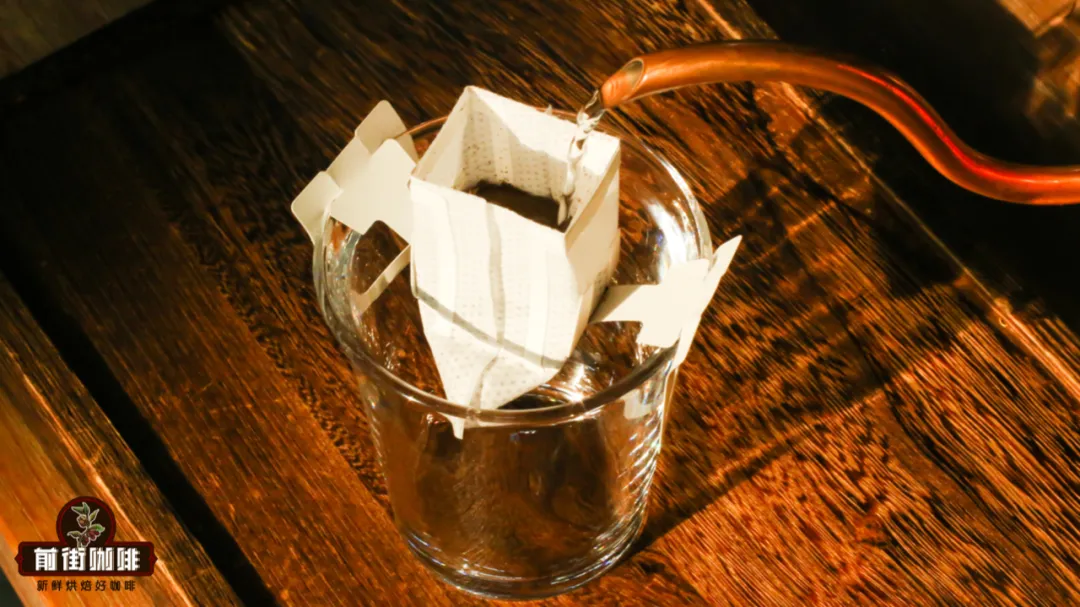
In summary, if you’re brewing a light or medium-light roasted drip bag, the recommended brewing parameters are:Water temperature 90°C–93°C, time around two minutes, coffee-to-water ratio 1:14 to 1:17 (1:15 recommended for 150 milliliters), poured in 3–4 segments; if you choose a medium-dark or dark roasted drip bag, it’s recommended to usewater temperature 86°C–89°C, same two-minute time, coffee-to-water ratio 1:14 to 1:17, poured slowly in 3–4 segments. This way, even at home or in the office, you can easily brew a drip coffee with balanced flavor and clear layers.
The above content is compiled by CoffeeHunters, a coffee news website.


