








Introduction:As an important member of the espresso family, a lungo is often mistakenly thought of as just espresso with added water. However, it actually has unique characteristics in terms of brew ratio, flavor profile, and extraction logic. This article will delve into the differences between a lungo, a hot americano, and a Long Black, while also exploring the historical evolution of the "big three" espressos. Additionally, we’ll share practical tips on adjusting grind size and controlling extraction time to help you better grasp the essence of this classic black coffee.
In recent years, many specialty coffee shops have introduced a coffee drink called the “lungo.” For consumers who are new to the world of espresso, this term might sound unfamiliar. But if you’re familiar with the Italian word Lungo, you’ll immediately recognize it as a member of the espresso family, alongside Ristretto (short shot) and regular Espresso (standard shot), with the key difference being the volume of liquid extracted. So how exactly did the lungo come about? What are the clear distinctions between it, a hot americano, and a Long Black? What details are worth paying attention to when brewing a well-balanced lungo? This article will start with the historical background of espresso and gradually break down these questions, helping you gain a deeper understanding of the charm of this classic beverage.

In many specialty coffee shops, the lungo (Lungo) is a relatively niche yet distinctive coffee option. For customers who are not familiar with the espresso system, this Chinese name might sound a bit abstract, which is why many often wonder: “What exactly is a lungo?” In fact, if you refer to it by its Italian name, Lungo, or the similarly pronounced “Longo,” many people can immediately associate it with its origin.
Regardless of which type of espresso-based black coffee you prefer, starting with a medium to dark roasted espresso bean is usually the safest choice. If you’re aiming for a rich flavor with a bold crema aroma, you might consider using a medium-dark roast blend. These beans often deliver a full-bodied texture and noticeable crema. On the other hand, if you prefer a lighter, less bitter black coffee, you can opt for a blended coffee that combines beans from multiple regions, offering a complex mix of fruity acidity and sweetness.
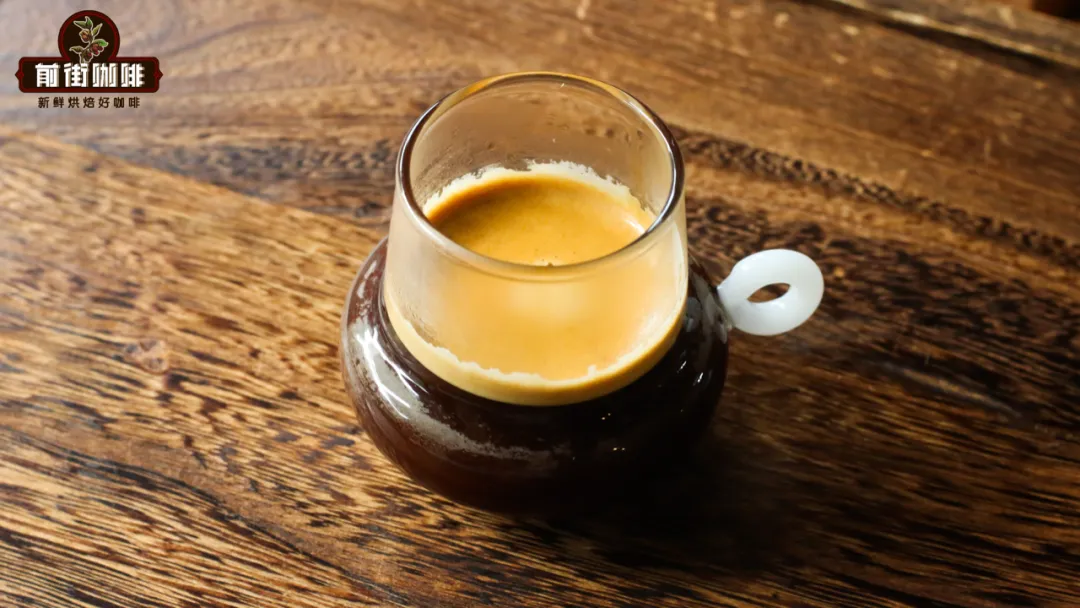
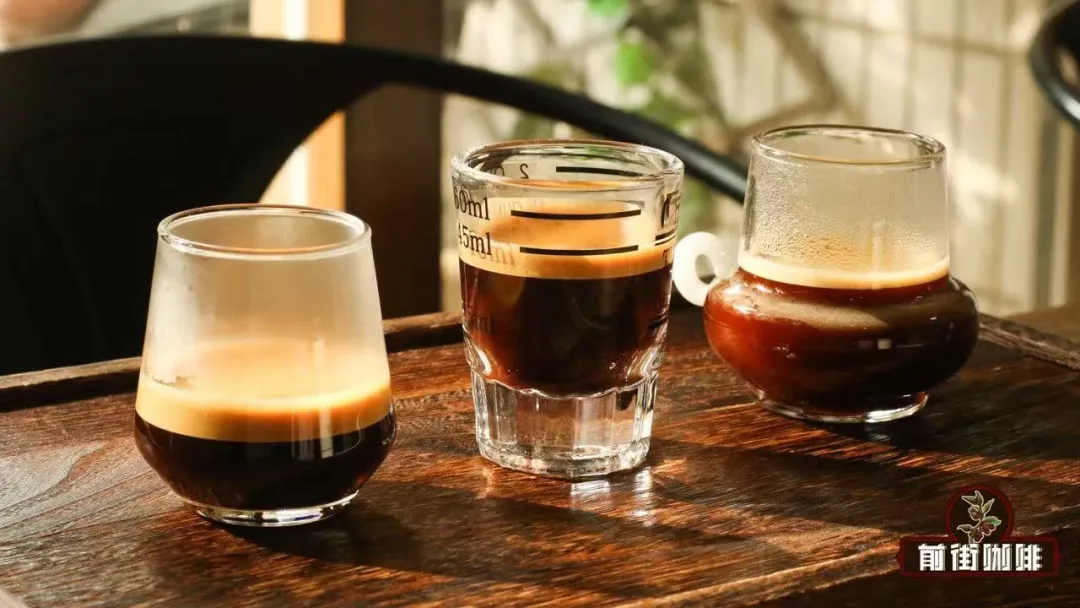
The so-called lungo (Lungo), directly translated from Italian, means “long version” or “extended version.” Its core concept is to create a coffee that is distinctly different in flavor structure from a regular espresso (Normale) by extending the extraction time and increasing the liquid volume. If you’re familiar with the concept of the “big three” espressos, you’ll know they consist of Ristretto (short shot), Normale (regular espresso), and Lungo (long shot), with their main differences lying in the brew ratio and the final volume of extracted liquid.
A common brew ratio is around 1:2—for example, using 20 grams of coffee grounds to extract 40 milliliters of espresso. Coffee brewed at this ratio typically has a higher concentration and extraction yield, resulting in a rich and balanced flavor. If you reduce the output volume from this base, you get what’s called a Ristretto, which is characterized by high concentration but slightly lower extraction yield, thus delivering an intense yet non-bitter taste, often with a noticeable sweetness.
Conversely, when we increase the extracted liquid volume—such as adjusting the brew ratio to 1:3 or even 1:4 or 1:5—we get a lungo (Lungo). Compared to regular espresso and Ristretto, a lungo has significantly lower concentration, a smoother and more mellow mouthfeel, and because the intensity of extraction is reduced, subtle flavors that might otherwise be masked become more noticeable.

The history of the lungo actually dates back to the early days when espresso machines were not yet widely used. As early as the beginning of the 20th century, shortly after the world’s first pressure-equipped espresso machine was introduced, the term “Espresso” was officially included in the Italian dictionary, referring to “espresso coffee made using pressurized equipment.” However, at that time, machine pressure was generally only 1.5 to 3 bar, far from today’s standard of 9 bar and even comparable to that of a home moka pot. Under such pressure conditions, the only way to achieve a sufficiently intense flavor was to increase the extracted liquid volume, which is the earliest prototype of the lungo (Lungo).
It wasn’t until the mid-20th century, with the improvement of lever-operated espresso machines, that pressure was finally increased to 9 bar. This not only significantly improved extraction efficiency but also enabled the formation of a layer of golden, fine crema on the coffee’s surface, marking the gradual formation of the modern espresso system. Since then, all types of espresso-based drinks have been based on espresso, and clear definitions and standards have been established. Ristretto and Lungo were also formally recognized as important members of the espresso family during this period.
Even in the modern era of orthodox espresso, the lungo still holds its own place. In Italian, the word Lungo literally means “long” or “extended,” and thus can be understood as an extended version of espresso. But why not simply dilute espresso with water to replace a lungo? This actually involves European coffee culture’s insistence on the essence of extraction.
The brew ratio of a lungo typically ranges from 1:4 to 1:5, or even higher, resulting in an overall lower concentration, a relatively milder taste, and a clearer flavor profile. However, successfully extracting a well-balanced and non-over-extracted lungo is not as simple as just extending the extraction time or increasing the liquid volume. Without adjusting the grind size and extraction parameters, excessively long extraction times and too much water contact can easily lead to over-extraction, releasing excessive undesirable compounds and resulting in a noticeably bitter taste.
To avoid this, making a lungo usually requires using a coarser grind size to increase the porosity between coffee grounds, promote water flow, and thereby control extraction time. But this also brings another challenge: an overly coarse grind can easily lead to channeling, where hot water passes through only part of the coffee grounds, causing uneven extraction and affecting the overall flavor expression.
With the popularization of variable pressure extraction technology, these issues have gradually been addressed. By dynamically adjusting extraction pressure, not only can channeling be effectively reduced, but extraction stability can also be improved, making the flavor performance of a lungo more consistent and predictable. Additionally, variable pressure extraction offers greater flexibility in grind size requirements, meaning cafes don’t need to specially calibrate grinders for each type of bean. A single machine can handle multiple types of beans, not only improving efficiency but also offering customers a wider variety of lungos with distinct and vibrant flavors.
It’s worth noting that crafting a high-quality lungo (Lungo) places certain demands on a barista’s technique and their understanding of the beans. Without precise control over grind coarseness, water temperature, pressure, and extraction time, it’s easy to end up with a flavorless, thin-bodied cup, or even one with uneven extraction. Therefore, the lungo is not just a uniquely flavored coffee but also one of the key indicators for evaluating a barista’s fundamental skills.
The above content is compiled by CoffeeHunters, a coffee news website.


