







Introduction:When making pour over coffee, should you wet the filter paper in advance? This is a question that puzzles many beginners. In fact, whether to wet the filter, what water temperature to use, and how to choose the right filter paper material can all affect the final flavor and extraction of the coffee. This article will delve into the three key criteria for deciding whether to wet the filter from real-world usage scenarios, explore the pros and cons of different water temperatures, and offer practical advice on choosing the right filter paper—helping you easily master the crucial details of pour over brewing.
Pour over enthusiasts often encounter a common question: should you wet the filter paper before starting the brew? This seemingly simple step often sparks heated discussions. Some baristas believe wetting the filter is an essential process, while others brew directly with a dry filter. So, which approach is more reasonable? The truth is, there’s no one-size-fits-all answer—it depends on multiple factors such as how well the filter fits the dripper, whether the filter itself has any off odors, and how it’s been stored.
Additionally, if you decide to wet the filter, whether to use cold or hot water also matters. Different water temperatures not only affect how well odors are removed but also relate to how effectively your equipment is preheated. Among the many commercial filter papers available, differences in material and manufacturing lead to noticeable variations in flow rate and filtration. For beginners, how do you choose a filter that suits you? Below, we’ll provide detailed analysis on these key issues to help you develop a clearer operational logic for pour over brewing.
First, let’s discuss the core question: do you need to wet the filter? Many beginners new to pour over often find themselves in a dilemma: some tell you wetting the filter is standard procedure, yet you often see other baristas brewing directly with a dry filter. This contradiction can be confusing.
In reality, deciding whether to wet the filter depends not just on personal habit, but also on evaluating the actual situation. We can analyze this from three main aspects: the fit between the filter and the dripper, whether the filter has any noticeable odor, and how the filter is typically stored.
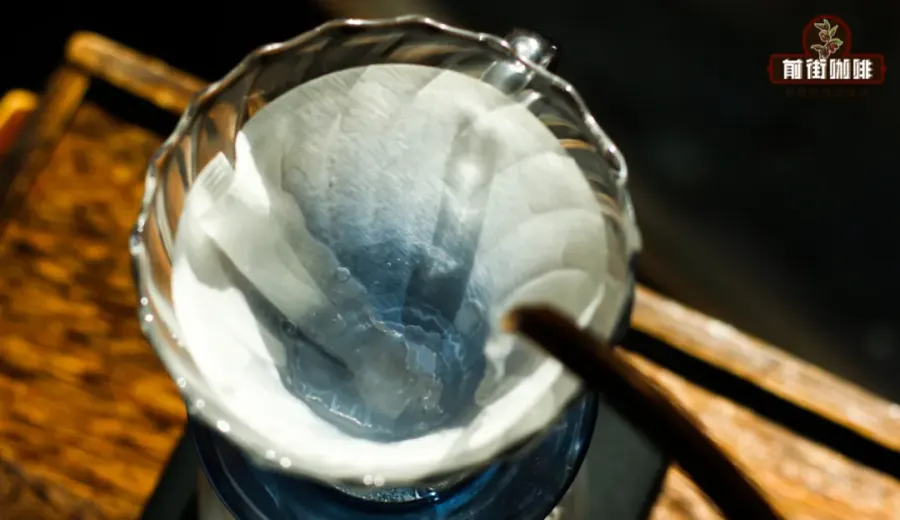
Regarding the fit between filter and dripper, take the commonly used V60 dripper as an example. Its walls are designed with many flow-guiding ribs. These ribs serve not only to support the filter paper but also to preserve necessary airflow space for the coffee grounds and effectively guide the direction of water flow. For these ribs to function properly, the filter must adhere tightly to the inner wall of the dripper.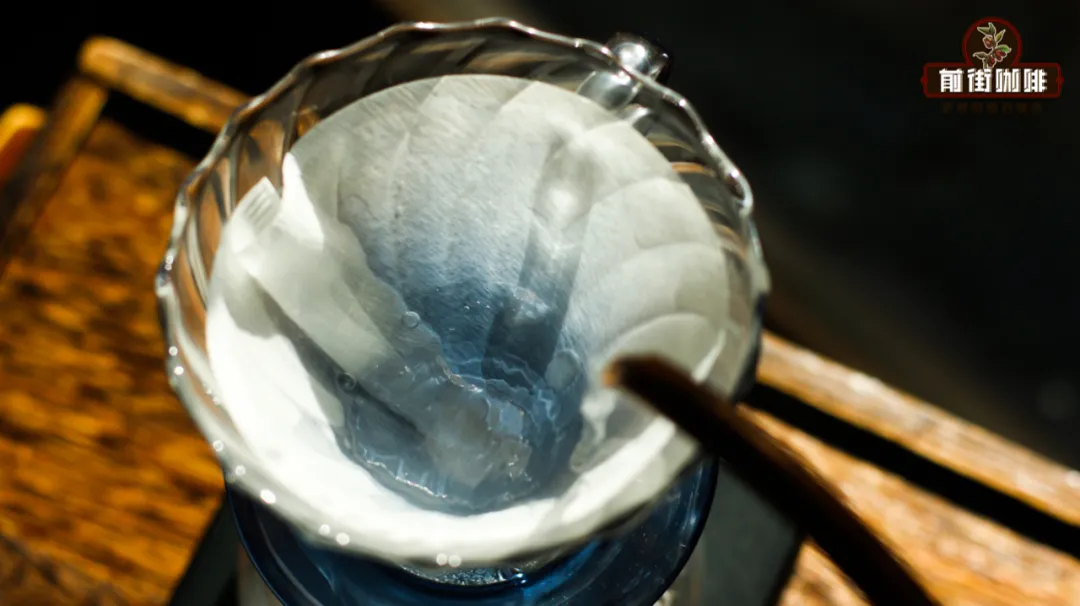
There are several ways to achieve good contact between the filter and dripper—for instance, pre-wetting the filter with hot water, or using the weight of the coffee grounds to press the filter down. But for beginners who aren’t yet skilled with the latter method, we recommend using water to wet the filter to ensure a proper fit. This approach is more stable and easier to manage.
Next, let’s talk about the storage environment of the filter. If the filter paper you’re using has been exposed to open air for a long time, it can easily absorb dust and impurities. In this case, wetting the filter can effectively remove surface dirt. On the other hand, if the filter is always kept in well-sealed packaging and remains relatively clean, you can flexibly decide whether or not to wet it based on personal preference or other brewing needs.
Finally, we must mention the issue of filter odor. In the past, one of the main purposes of wetting the filter was not only to help it better adhere to the dripper but also to eliminate any possible paper pulp odors from the filter itself. Due to limitations in manufacturing processes, some filters may retain a noticeable paper smell. Without prior treatment, such odors can seep into the coffee during brewing, resulting in an unpleasant papery taste.
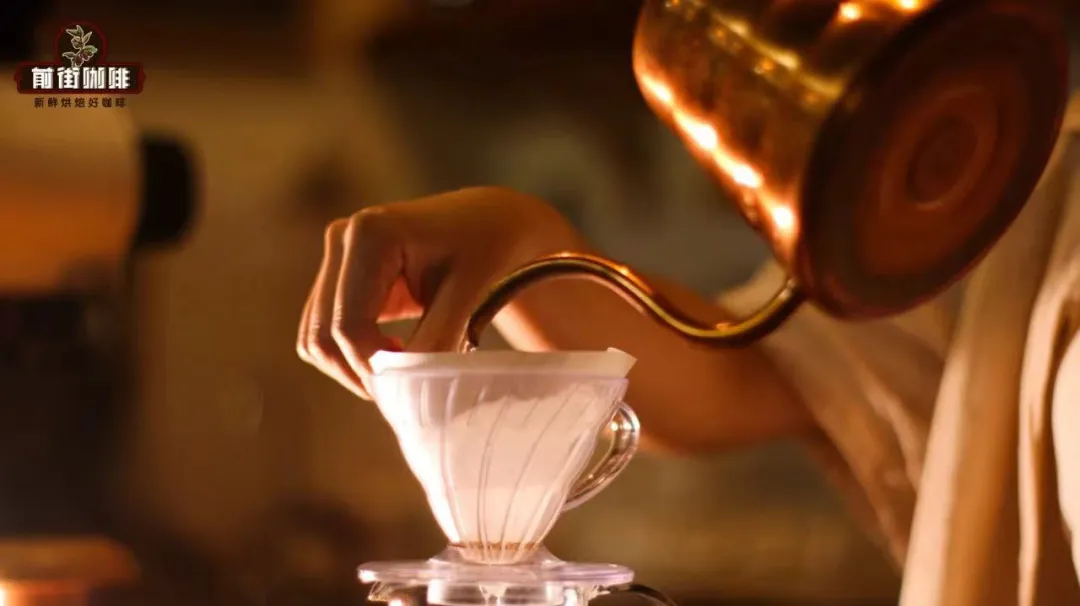
However, with advancements in manufacturing, many high-quality filters on the market today have significantly reduced paper pulp odors. Therefore, whether you need to pre-wet the filter to remove odors depends on the actual strength of the filter’s smell. How can you tell if a filter has a noticeable odor? The method is actually quite simple: just rinse the filter with a small amount of hot water, then taste the rinse water alone to determine if there’s a significant paper taste. (Of course, this step isn’t mandatory—it’s just for reference...)
Next, let’s discuss whether to use cold or hot water when wetting the filter. Once you’ve decided to wet the filter, another key consideration is choosing the right water temperature. There’s quite a bit of nuance here too.
If the main goal of wetting the filter is to remove paper pulp odors, it’s recommended to use hotter water. Just as hot water more effectively extracts flavor compounds from coffee, higher temperatures can more quickly dissolve and carry away residual paper odors.
Additionally, the water temperature used to wet the filter should also take into account whether you need to preheat your brewing equipment. For instance, if you’re using a ceramic dripper—which has a high specific heat capacity—it can absorb heat from the brewing water if not preheated, thus affecting the extraction temperature of the coffee. Using hot water to wet the filter not only removes odors but also serves to preheat the dripper. Similarly, whether or not to preheat the server follows the same logic, though it primarily affects the final temperature of the brewed coffee.
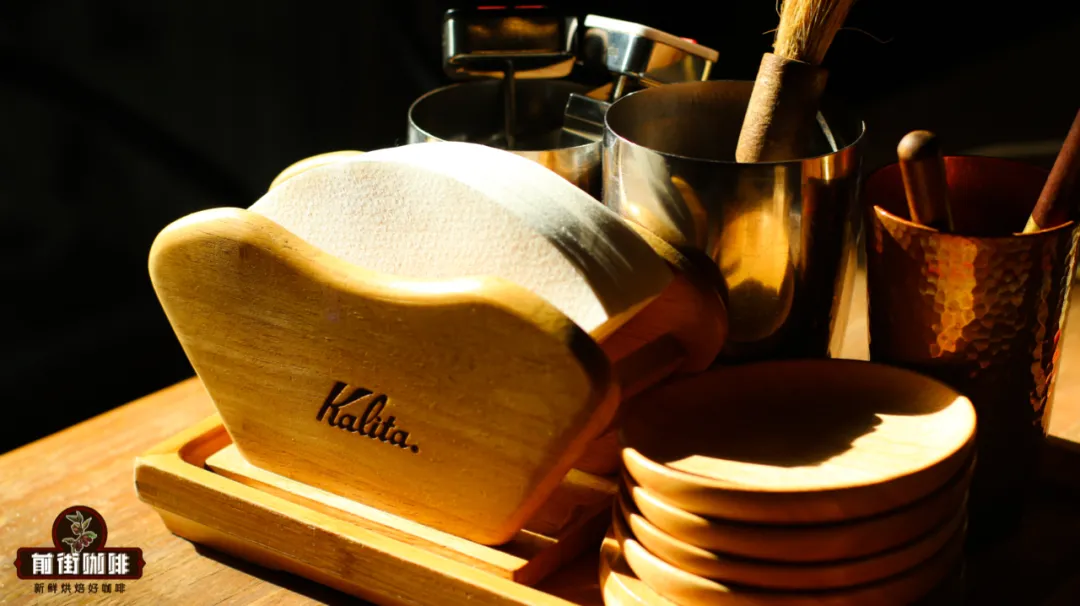
As for choosing a filter, this is another area where many beginners feel puzzled. In fact, the challenge in selecting a filter isn’t its shape, but rather the significant differences in flow rate and filtration performance among various filters. Professional sources indicate that differences in performance between brands and types of filters can be as stark as differences between different species.
For example, some manufacturers adjust the structure and thickness of the filter paper to develop specialized filters for different roast levels of coffee beans. Taking certain well-known Japanese brands as an example, they offer various filters tailored to different flavor profiles, controlling flow rate to help users achieve better extraction results.
Furthermore, filters made of different materials each have their own characteristics. Paper filters usually offer better filtration, effectively trapping fine impurities in the coffee liquid, and often result in a cleaner, crisper cup; whereas non-woven fabric filters have relatively weaker filtration and don’t completely block coffee oils, so coffee brewed with such filters tends to have more pronounced aroma and body. These differences are the core considerations behind choosing different types of filters.
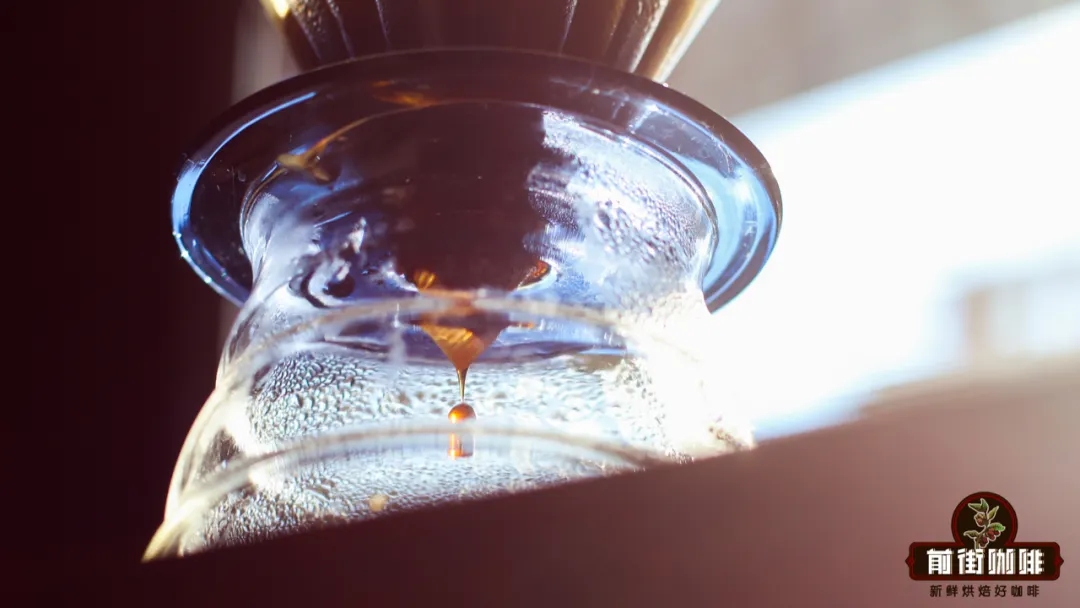
Faced with so many options, many beginners can feel overwhelmed and struggle to decide which filter to buy. For newcomers, it’s recommended to start with a conventional paper filter. Once you’re familiar with the basics of brewing, you can gradually explore the different flavor experiences offered by other types. Also, to avoid purchasing filters with strong paper odors or poor quality, try to choose well-known brands or products with good reputations—this at least ensures more reliable quality.
The above content is compiled by CoffeeHunters, a coffee news website.


