







Introduction:Many coffee enthusiasts have noticed that cappuccinos are rarely available on delivery platforms, and this is closely related to their classic thick layer of foam. This article delves into the unique recipe of the cappuccino, the precise ratio of milk to coffee, and the critical impact of the thick foam on overall flavor. It also compares the differences between a latte and a flat white, helping readers understand why this classic Italian-style coffee is not suitable for takeout and providing useful observational insights.
Cappuccinos, lattes, and flat whites all belong to the Italian coffee family, yet on the delivery menus of many coffee shops, it’s hard to find the cappuccino. This isn’t because it’s difficult to make, but rather because its signature thick layer of foam often dissipates significantly before reaching the customer, severely affecting the overall taste and portion presentation. A deeper understanding of the essence of making a cappuccino—including the precise ratio of coffee to milk, the unique texture of the foam, and how it differs from other popular coffee drinks—can help us see why this classic coffee is challenging to take out.
Why is the cappuccino so unique?
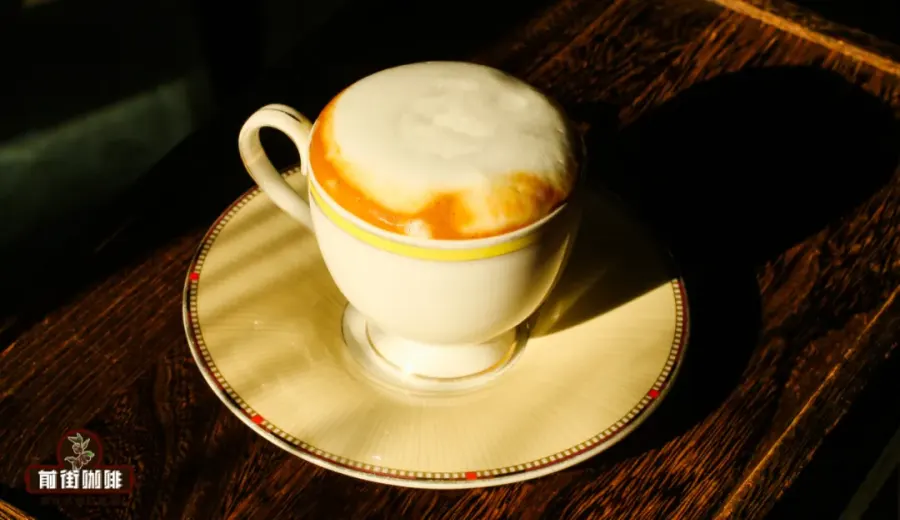
Many people wonder: if lattes and flat whites can be delivered without issue, why can’t the cappuccino, which also combines milk and coffee? The key lies in a feature that the cappuccino has and the others do not:a thick and dense layer of foam.This layer of foam not only affects the mouthfeel but is also an important symbol of what makes a cappuccino a cappuccino. During delivery, the foam collapses quickly due to time and temperature changes, resulting in a final product that is vastly different from the café experience.

The Dirty coffee’s issue is more straightforward, but the cappuccino’s challenge is more subtle.
The reason Dirty coffee isn’t suitable for delivery is obvious—it relies on the layered effect of coffee and milk, along with the unique taste of hot and cold blending. But the cappuccino, like the latte, mixes milk and coffee uniformly, so why can’t the former be delivered? In fact, although both use espresso and milk, it’s themilk ratio and foam characteristicsof the cappuccino that are the main reasons it’s not suitable for takeout.
Recipe comparison: Latte, Flat White, and Cappuccino
Lattes emphasize balance between coffee and milk, usually using a larger amount of milk to soften the intense flavor of the coffee. Taking a common recipe as an example, a hot latte uses about40ml of espresso(20g of coffee grounds, a coffee-to-water ratio of about 1:2, extracted for approximately 30 seconds), paired with200ml of hot milk. To achieve better latte art and a smoother texture, the milk is usually steamed to create a foam with moderate fluidity.
Flat whites highlight a strong expression of coffee flavor while avoiding excessive bitterness. Therefore, they use less milk than lattes, and the espresso extraction is adjusted accordingly. Typically, a flat white uses about30~35ml(20g of coffee grounds, a coffee-to-water ratio of about 1:1.5~1.8, also extracted for around 30 seconds), paired with160ml of milk, and features a fine, highly fluid foam to enhance the overall mouthfeel.

The cappuccino’s key: the ultimate balance of espresso and milk
In contrast, the cappuccino chooses to use less milk to highlight the strong flavor of the espresso. A typical cappuccino uses40ml of espresso(20g of coffee grounds, 1:2 ratio, extracted for 30 seconds), paired with140–150ml of milk. Due to the lower proportion of milk, the inherent flavor of the coffee becomes more pronounced. For coffee beginners, this flavor might feel stronger, but that’s precisely part of the cappuccino’s charm.
The indispensable thick foam: the core of texture and character
The most distinctive feature of the cappuccino is itsthick and dense foam.This layer of foam not only adds rich textural layers to the drink but also directly influences the overall flavor profile. To create such foam, a significant amount of air is incorporated while steaming the milk, increasing the number of bubbles and making the texture thicker. Even when making an iced cappuccino, this foam layer is still retained, highlighting its importance.

This thick foam is not just key to the mouthfeel but also an important hallmark that distinguishes the cappuccino from the latte and flat white. Without this foam, the drink may no longer be considered an authentic cappuccino.
Delivery challenge: the practical issue of foam dissipation
Foam is essentially formed by gas trapped in a thin liquid film. Over time, as the liquid gradually drains away, the film thins, and the bubbles burst and disappear. During the delivery process, the time from when the drink is prepared to when it reaches the customer may seem short, but it’s enough for over half of the foam to dissipate. In addition, some shops increase the milk heating temperature to maintain coffee warmth, which further accelerates the collapse of the foam.
The reduction in foam not only alters the visual proportion of the drink but may also lead customers to think the portion is insufficient, potentially resulting in unnecessary complaints or disputes. As a result, many coffee shops choose not to offer cappuccinos on their delivery menus, based on practical operational and customer service considerations, to avoid such issues.

In summary, the reason cappuccinos are rarely found on delivery menus is inseparable from their unique thick foam characteristics. From the precise ratio of coffee to milk to the texture and function of the foam, every detail of this classic Italian coffee is carefully designed, which explains why it can only truly shine when enjoyed in person.
The above content is compiled by CoffeeHunters, a coffee news website.


