








Introduction:Caramel Macchiato was once one of the world’s most popular classic coffee drinks, ranking alongside Latte and Cappuccino. However, many consumers still can’t tell the difference between it and Macchiato. This article delves into the fundamental differences between Caramel Macchiato, Latte, and Macchiato, breaking them down from aspects such as recipe, flavor, and preparation techniques, and provides a complete set of steps and tips for making a standard version of Caramel Macchiato at home—helping you easily recreate this richly layered classic coffee.
Once all the rage, Caramel Macchiato stood alongside Latte, Cappuccino, and Mocha as one of the gateways for many into coffee culture. Yet in recent years, it has become increasingly rare in many cafés. Many customers mistakenly assume that Caramel Macchiato is just a variation of Macchiato, but in reality, the two differ greatly in recipe, flavor, and even preparation logic. This article will start from the basics to help you clarify the distinctions among Caramel Macchiato, Latte, and Macchiato, and then guide you step-by-step on how to make a standard-flavor Caramel Macchiato at home using simple tools and ingredients.

A standard Caramel Macchiato is actually quite straightforward to make: first, mix vanilla syrup with espresso evenly, then pour in hot milk with steamed, fine-textured milk foam, and finally, use caramel sauce to draw an intricate design on the smooth, white layer of foam. This classic style can be traced back to the 1990s, when it was popularized by a globally renowned coffee chain, and since then has become a sweet coffee icon in many people’s memories.
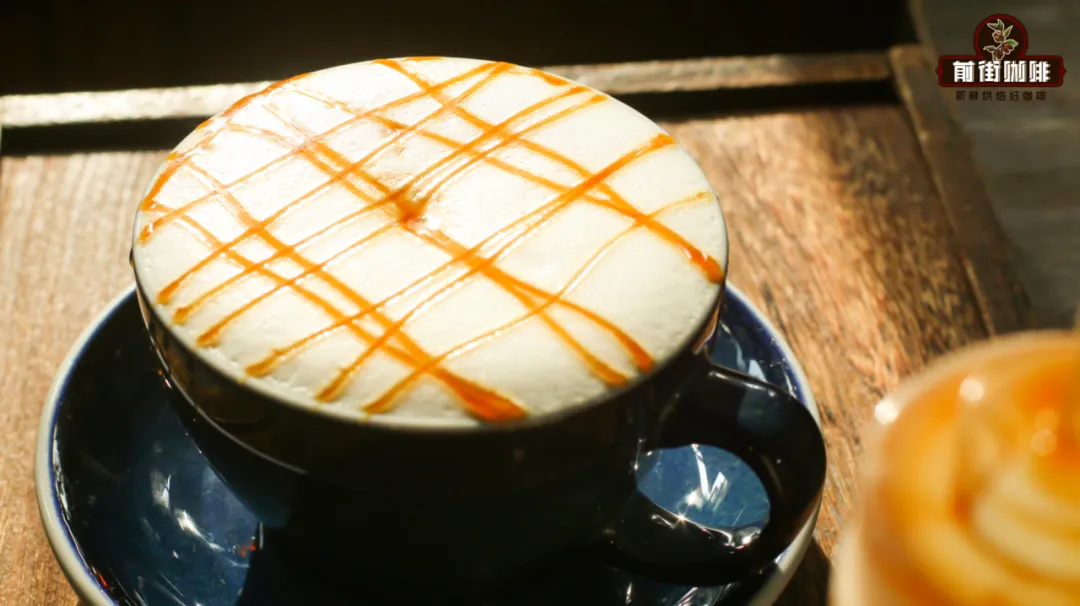
With its sweet yet not cloying flavor, smooth texture, and the delicate caramel patterns on top, this drink was once hugely popular in cafés around the world, frequently appearing in everyday leisure, movie scenes, or street photography. But as coffee trends have shifted, it’s become less easy to order an authentic Caramel Macchiato at a café. If you too miss this coffee that carries childhood memories, follow our guide and easily recreate it at home.

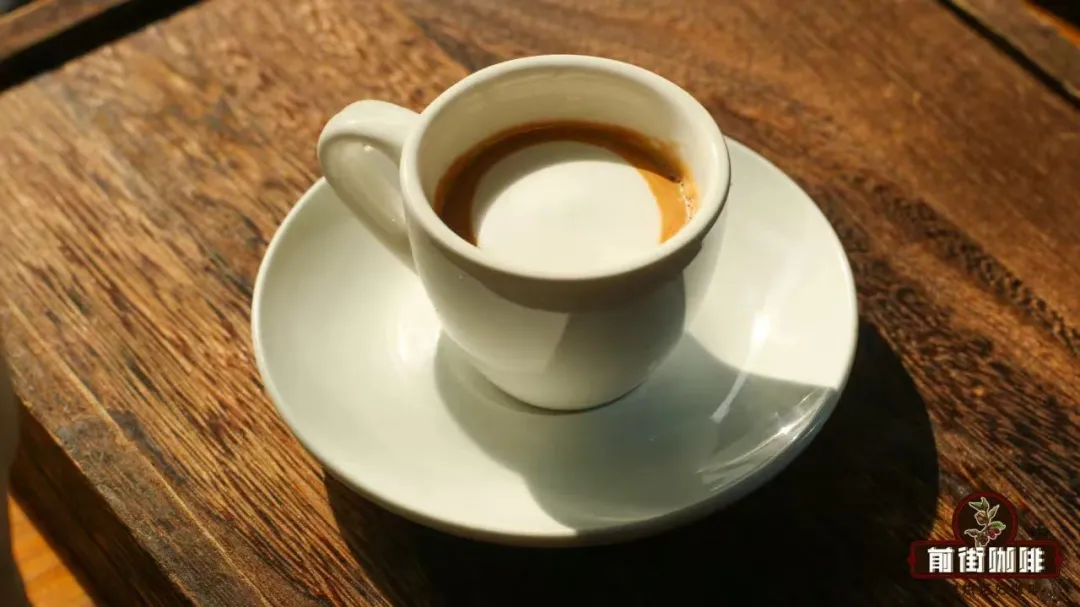
But first, let’s clear up a common misconception: because the name also contains “Macchiato,” many people naturally assume that Caramel Macchiato is an extension or variation of Macchiato. In fact, apart from the similar name, they are almost entirely different in terms of preparation philosophy and flavor structure. If you’re familiar with a certain brand’s past descriptions, you’ll know that Macchiato originated in Italy and originally referred to adding a small amount of milk foam to espresso, as a “mark” of espresso “with milk.” This is worlds apart from the Caramel Macchiato we know today.

The creation of Macchiato arose from the need of early Italian consumers to adapt to the intense flavor of espresso. As the coffee beans commonly used in Italy often include Robusta varieties and are roasted darker, the resulting espresso is bold and stimulating. Therefore, some customers requested a small amount of milk to soften the taste, and to distinguish these special orders, baristas would leave a small amount of milk foam on the surface of the coffee as a “mark”—hence the name “Macchiato,” which in Italian means “spot” or “mark.”
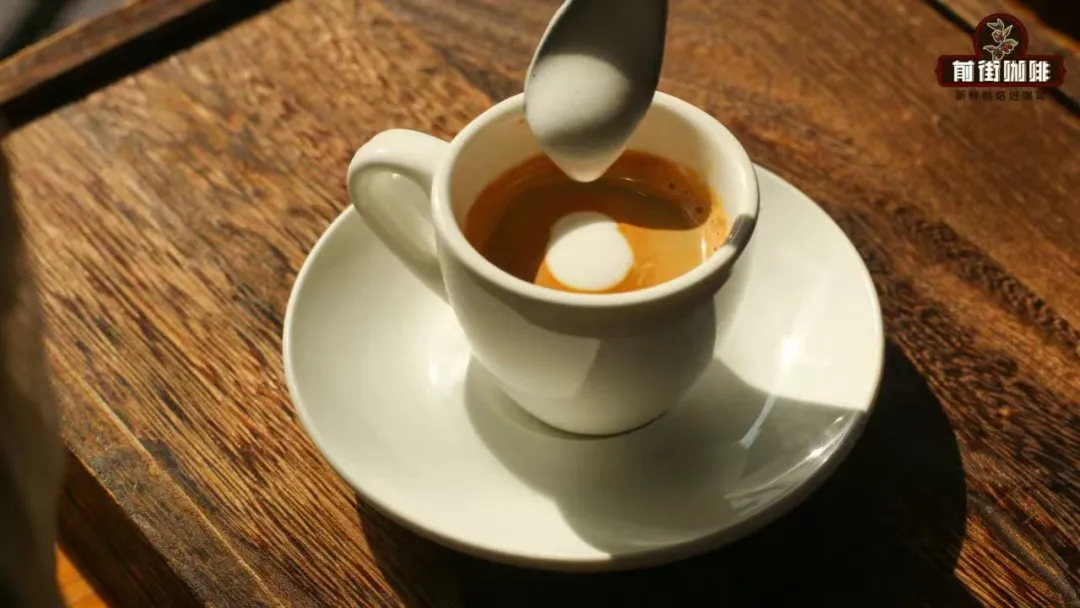
As for Caramel Macchiato, it emerged as an innovative drink in the late 1990s, combining multiple flavor elements: vanilla syrup, espresso, steamed milk, and caramel sauce—offering distinct layers and a strong sweet taste. Although its name includes “Macchiato,” it’s actually closer to a sweetened, sauce-added variant of Latte. Many enthusiasts jokingly call it “coffee in sugar coating,” precisely because it starts with the dessert-like taste of caramel, then leads into the balanced flavor of milk and coffee.
If you’d also like to make an authentic Caramel Macchiato at home, here is a standard recipe and procedure put together by a certain brand. The required ingredients include: approximately 40 ml of espresso (extracted from about 20 g of coffee grounds), 200 ml of whole or semi-skimmed milk, 12 ml of vanilla syrup, and caramel sauce with suitable fluidity. A special reminder: when choosing caramel sauce, it’s best to avoid overly thick types to facilitate drawing patterns on the foam later.

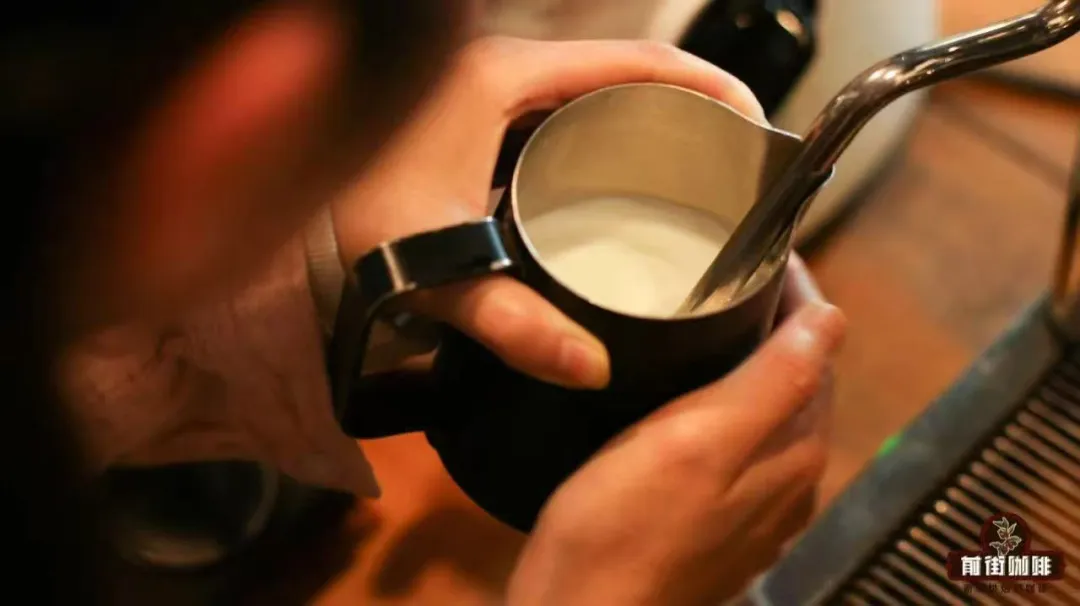
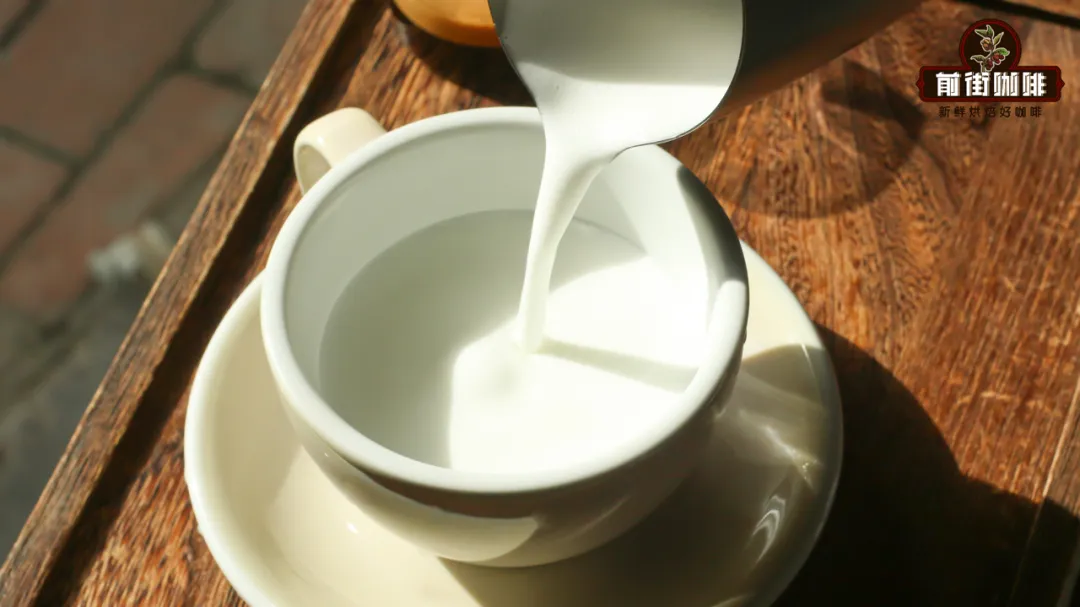
First, extract the espresso. It’s recommended to use a medium-dark roasted blended bean, using 20 g of coffee grounds and extracting about 40 ml of espresso in roughly 30 seconds. These parameters will preserve rich crema and a balanced acidity-bitterness structure. After extraction, set it aside temporarily, then prepare the milk and foam: heat and steam 200 ml of milk, paying attention to steaming the foam slightly thicker than that for a typical Latte, so it can stably support the subsequent caramel sauce patterns.
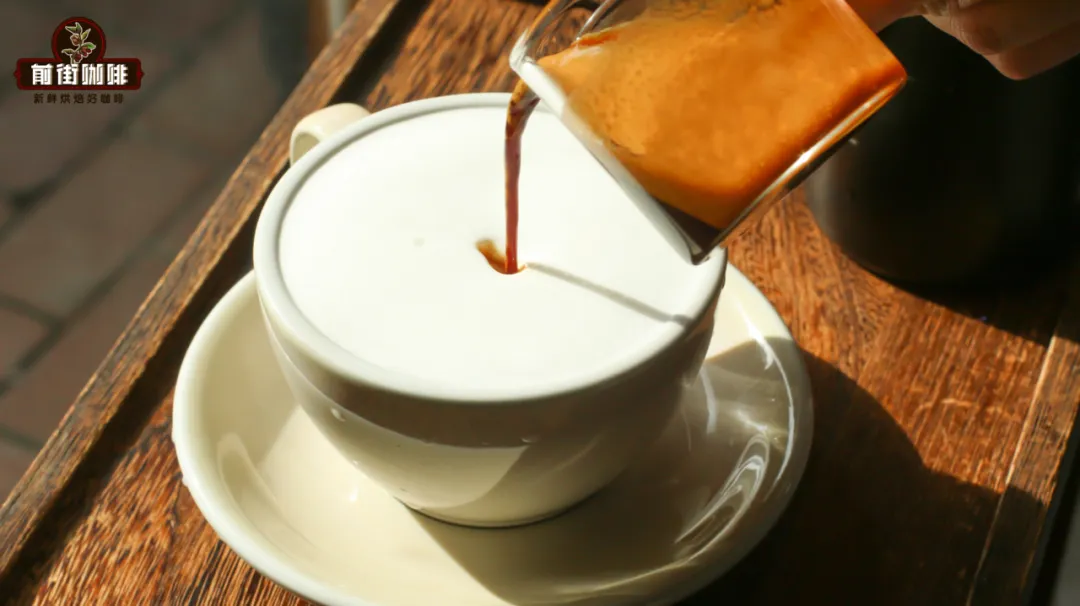
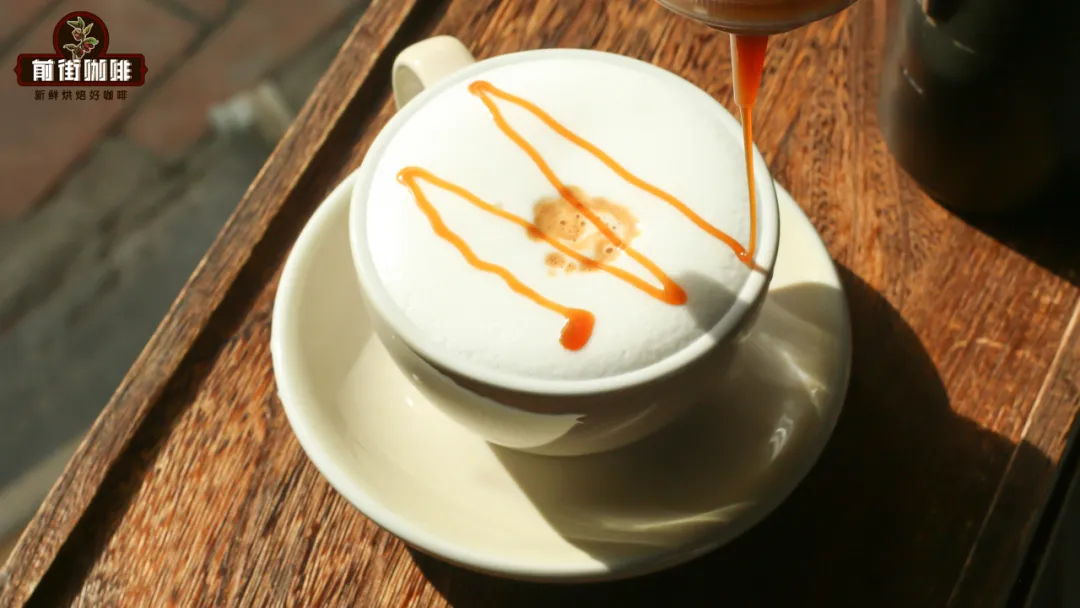
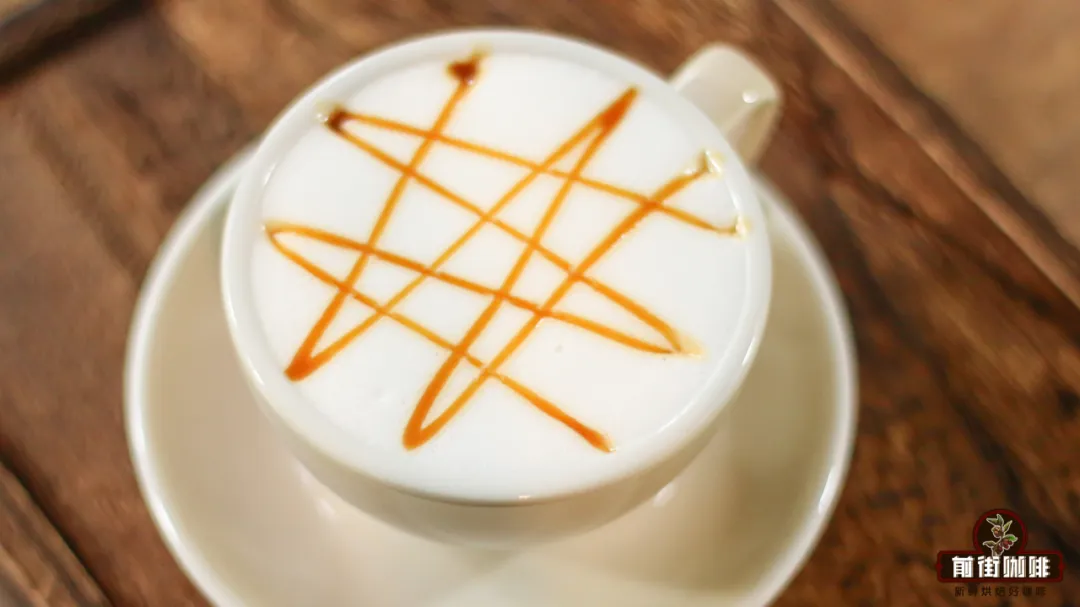
Once the ingredients are ready, you can begin assembling. First, pour 12 ml of vanilla syrup into the cup, then pour in the steamed milk to about nine-tenths full—the milk and syrup will have preliminarily blended. Next, slowly pour the previously extracted espresso from the center of the cup. This pouring method creates a visual layering effect, but remember to stir gently before drinking to ensure even flavor distribution. Finally, use chilled, slightly hardened caramel sauce with a piping bag or spoon to draw your favorite pattern on the foam—the classic Caramel Macchiato is now complete.
The finished Caramel Macchiato first delivers the sweet aroma of caramel, followed by the smoothness and gentle warmth of the milk, and finally slowly reveals the underlying flavors of vanilla and coffee. The overall layers are distinct and memorable. If you’re tired of plain black coffee or overly sweet flavored drinks, this classic milk coffee is definitely worth rediscovering. Beyond the basic patterns, there are plenty of creative styling tutorials online—feel free to experiment based on your personal preferences.
In summary, Caramel Macchiato is not only a uniquely flavored coffee drink but also an important memory in many people’s coffee journeys. By gaining a deeper understanding of its differences from Latte and Macchiato, you’ll better appreciate the thoughtful design and cultural background behind each type of coffee. And the process of making it yourself not only allows you to adjust the recipe to your taste but also lets you more deeply experience the diverse charm of coffee. Why not give it a try now, using simple tools and ingredients to recreate this nostalgic, sweet coffee?
The above content is compiled by CoffeeHunters, a coffee news website.


