








Introduction:As an iconic coffee-growing region in Ethiopia, Yirgacheffe's unique high-altitude washed processing creates a distinctive flavor profile of bright lemon acidity, floral notes, and a green tea finish. However, many coffee enthusiasts often encounter challenges when brewing at home, such as paper filter clogging and bland flavors. This article delves into the reasons behind Yirgacheffe's characteristic flavors, explores the underlying logic of why light-roasted high-density beans tend to clog filters, and uses Washed Guodiding as an example to detail a practical brewing method with high-temperature fine grinding and four-stage small water flow, helping you accurately reproduce the classic bright and refreshing flavor.
Yirgacheffe is one of the most recognizable regions on Ethiopia's coffee map. Its unique flavor profile—bright lemon acidity, elegant white floral notes, and clean green tea finish—has become a taste benchmark for coffee lovers worldwide. However, many people face repeated frustrations when brewing at home: either the paper filter frequently clogs, causing abnormal flow rates, or they simply can't replicate that fresh and bright "Yirgacheffe flavor" they remember. To solve these issues, a systematic approach is needed, covering regional characteristics, bean traits, and brewing parameters.
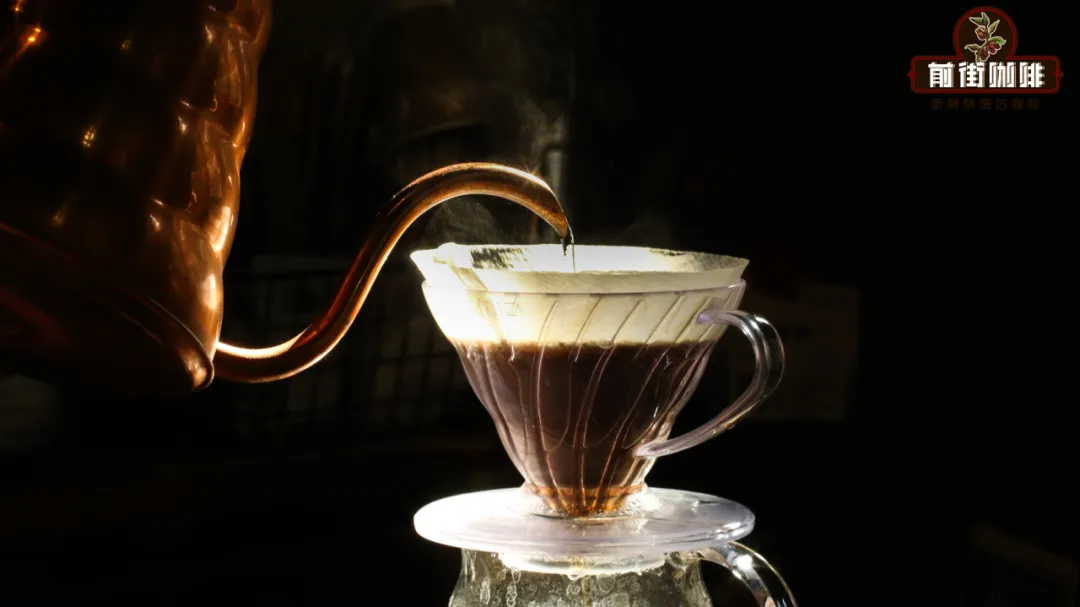
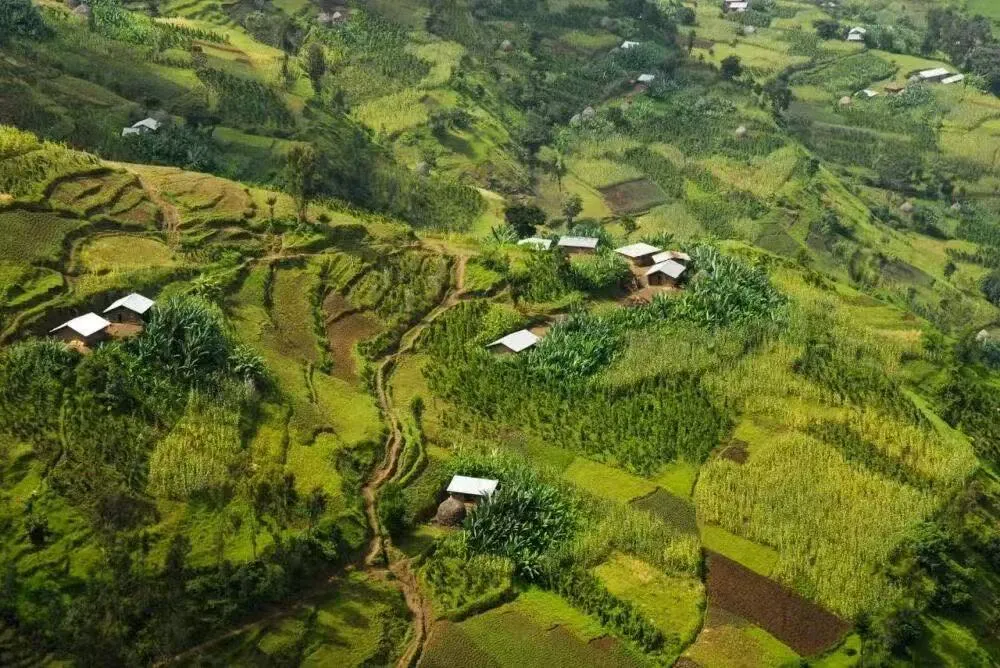
The so-called "Yirgacheffe flavor" is essentially the result of the region's high-altitude cultivation and washed processing. Yirgacheffe is located in western Ethiopia, with an average altitude of about 2,000 meters (some micro-regions even exceed 2,200 meters). The high-altitude environment extends the ripening period of coffee cherries, allowing the fruits to accumulate richer sugars and aromatic precursors. Combined with the area's unique volcanic soil and microclimate, it provides nearly ideal conditions for coffee tree growth.
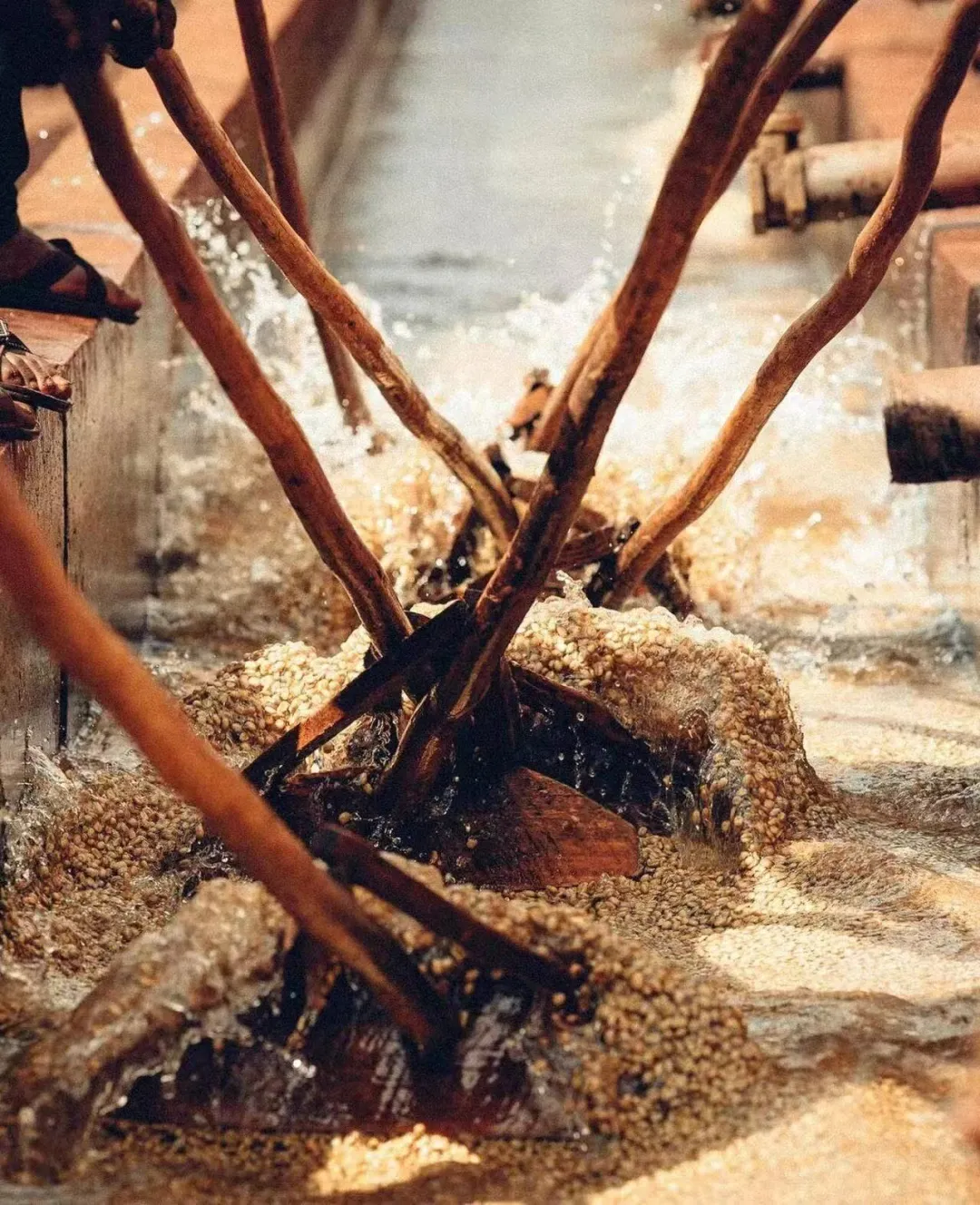
It's worth noting that Yirgacheffe was originally a sub-region of Sidamo and was later designated as a separate region due to its exceptionally distinctive flavors. The key to its fame lies in the widespread adoption of washed processing—a practice introduced in 1972 when the Ethiopian government brought in the first set of washing equipment and established processing stations. This not only significantly reduced defect rates but also, through precise control of the fermentation process, allowed the coffee's natural flavors (such as citrus acidity and floral notes) to be clearly expressed.
However, brewing Yirgacheffe well is no easy task. Many users report two common pain points: first, the paper filter tends to clog during brewing (especially when using conical filters like the V60), causing a sudden drop in flow rate; second, no matter how the parameters are adjusted, the brewed coffee often lacks that signature bright acidity and clean taste. The core reason behind this lies in the fact that the washed beans commonly used for Yirgacheffe are typically light-roasted and have a significantly higher density than ordinary commercial beans.
The high density of the beans stems from two factors: coffee cherries grown at high altitudes develop more slowly, resulting in thicker bean cell walls, while light roasting preserves more of the raw bean's original density. These characteristics make it difficult for hot water to evenly penetrate the coffee bed—the water flow tends to create "bypass channels" (paths that don’t fully extract the coffee grounds) along the edges of the coffee bed, leading to uneven extraction with both over-extracted and under-extracted areas. Additionally, high-density beans are more prone to clogging the paper filter fibers after absorbing water and expanding, especially when the pouring force is too strong.
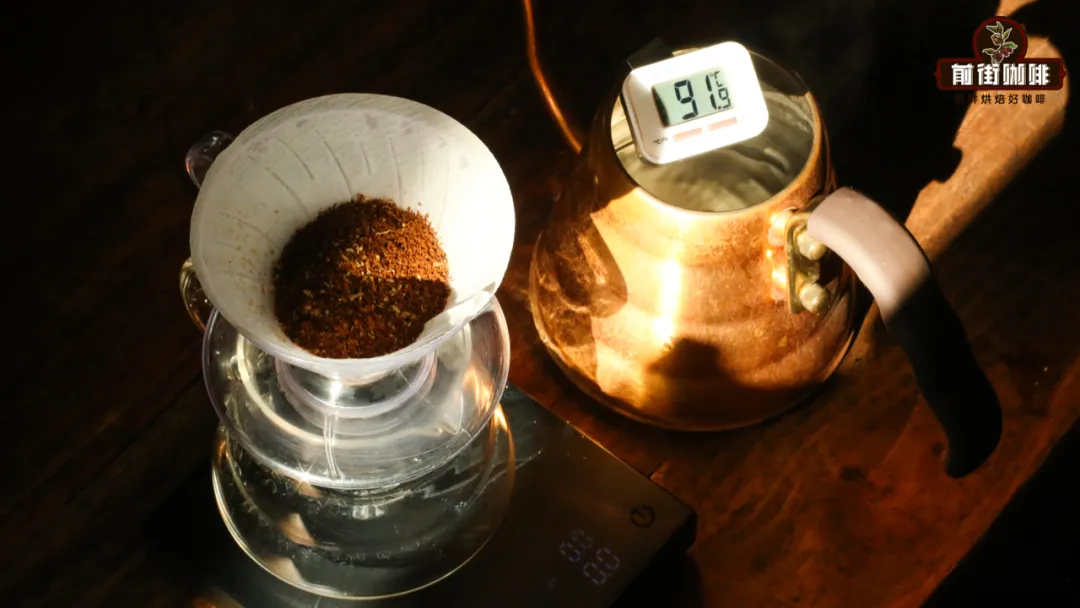
To address these issues, a stable brewing solution should focus on three key aspects: first, using a higher water temperature (around 92°C is recommended) and finer grinding (e.g., Ek43 grinder at setting 10, approximately 75% through a #20 sieve, close to the particle size of fine sugar) to improve extraction efficiency; second, controlling the pouring height (keeping it 5–8 cm above the coffee bed) to reduce the impact of the water flow on the coffee bed and avoid filter clogging; third, employing a segmented pouring strategy to precisely control the rhythm of coffee-water contact through small water flows.
The following demonstrates a specific four-stage brewing operation using Washed Guodiding (a classic representative of Yirgacheffe flavors) as an example: using 15 grams of coffee, a 1:16 coffee-to-water ratio, and a total of 240 ml of water. First, perform a 30-second bloom (pour 30 ml of hot water to cover all the coffee grounds). This step activates the coffee grounds and releases carbon dioxide. After the bloom, pour the second stage of 90 ml of hot water in small circles (bringing the total to 120 ml), ensuring the water level does not exceed two-thirds of the coffee bed height to avoid bypass channels.

Once the second stage of water has fully drained (after about 1 minute), pour the third stage of 60 ml of hot water (totaling 180 ml), switching to smaller, more controlled circular pours to further evenly extract the middle layers of the coffee bed. Finally, when the water level drops to the surface of the coffee bed, pour the remaining 60 ml of hot water (totaling 240 ml), adjusting your technique based on the current flow rate—if the total time hasn’t reached 2 minutes, continue with small circular pours; if it has exceeded 2 minutes, switch to a steady center pour to maintain a consistent flow rate. The entire extraction process usually takes 2 minutes and 20 seconds to 2 minutes and 30 seconds.

After extraction, observing the wet aroma can provide an initial indication of success: a high-quality Yirgacheffe should have a pronounced white floral aroma (similar to lily of the valley or jasmine) and a subtle citrus note. Upon tasting, the bright lemon acidity will come through first, accompanied by layers of apricot, mandarin, and other fruit flavors, transitioning mid-palate to a richness akin to black tea, with a finish that retains the freshness of green tea and the sweetness of honey. The overall mouthfeel is clean and crisp, with no off-flavors or excessive bitterness.
In summary, the key to brewing Yirgacheffe lies in "balance"—using high-temperature fine grinding to overcome the extraction challenges of high-density beans, and employing segmented small water flows to control flow rate and uniformity, ultimately showcasing its signature bright and refreshing style. Mastering these essentials allows even beginners to recreate a café-quality classic Yirgacheffe flavor at home.
The above content is compiled by CoffeeHunters, a coffee news website.


