







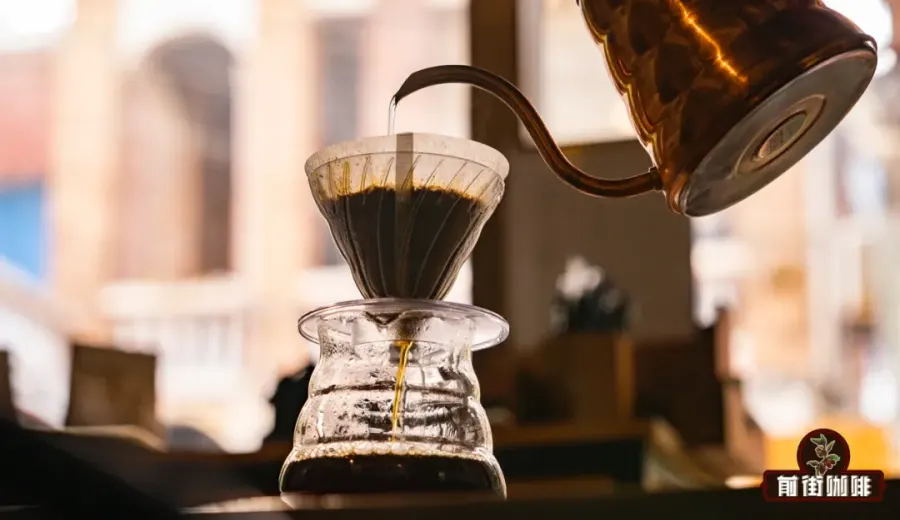
Introduction:Pour over coffee may seem simple, but many beginners often affect the final flavor due to operational and cognitive misconceptions. This article addresses the five most common issues faced by pour over beginners, including water temperature settings, pouring techniques, blooming expansion, handling the coffee “wall,” and the timing of bitterness extraction. It provides an in-depth analysis of the underlying principles and offers specific improvement suggestions to help you adjust your steps and brew more balanced, layered coffee.
Many people think pour over coffee is easy to master, and there are numerous tutorial videos and articles online. However, this information is often scattered and lacks systematic guidance, leading beginners to misinterpret parameters or develop bad habits during actual brewing, which in turn affects coffee flavor. This article will summarize five common misconceptions among pour over beginners, including water temperature selection, pouring methods, whether blooming should cause expansion, whether the coffee “wall” should be intentionally rinsed, and whether bitterness only appears during the final extraction phase. It will help clarify concepts and improve your pour over quality.
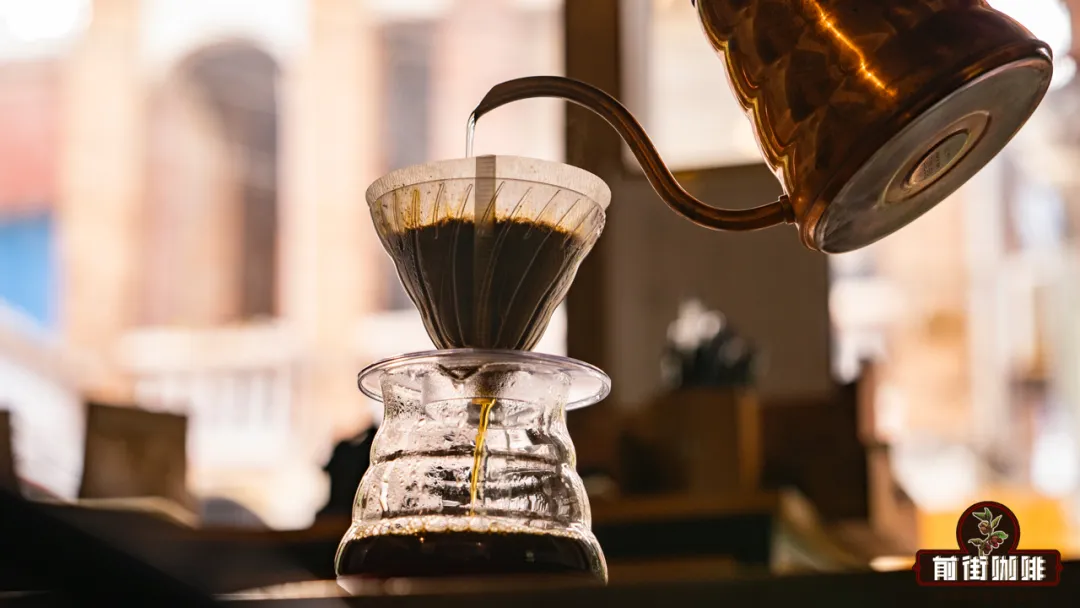
First, many people mistakenly believe that “the higher the water temperature, the better the beans,” or even think that only premium coffee beans are suitable for high temperatures between 96°C and 98°C. In fact, water temperature is not a measure of bean quality, but rather one part of the extraction parameters. High water temperature can indeed enhance extraction efficiency, but only when other conditions—such as grind size, brew time, and technique—are well-matched. Even with a relatively high water temperature, delicious coffee can still be brewed as long as the overall extraction parameters are balanced. Conversely, if other factors are not adjusted accordingly, high water temperature may lead to over-extraction.

Many beginners like to rinse down the coffee grounds attached to the edge of the filter during pour over, thinking it will improve overall extraction uniformity. While the intention behind this “rinsing the coffee wall” behavior is good, it may actually have the opposite effect. Common filter designs like the V60 include flow-guiding ribs that help direct water flow and enhance gas release from the coffee bed. However, if you apply high water pressure directly to the edge of the coffee layer, the water may flow along the filter wall as bypass water, skipping the coffee grounds and dripping directly through. This not only leads to uneven extraction, but also dilutes coffee concentration and affects flavor complexity. It’s better to let the edge layer extract naturally, which can help present a richer mouthfeel.
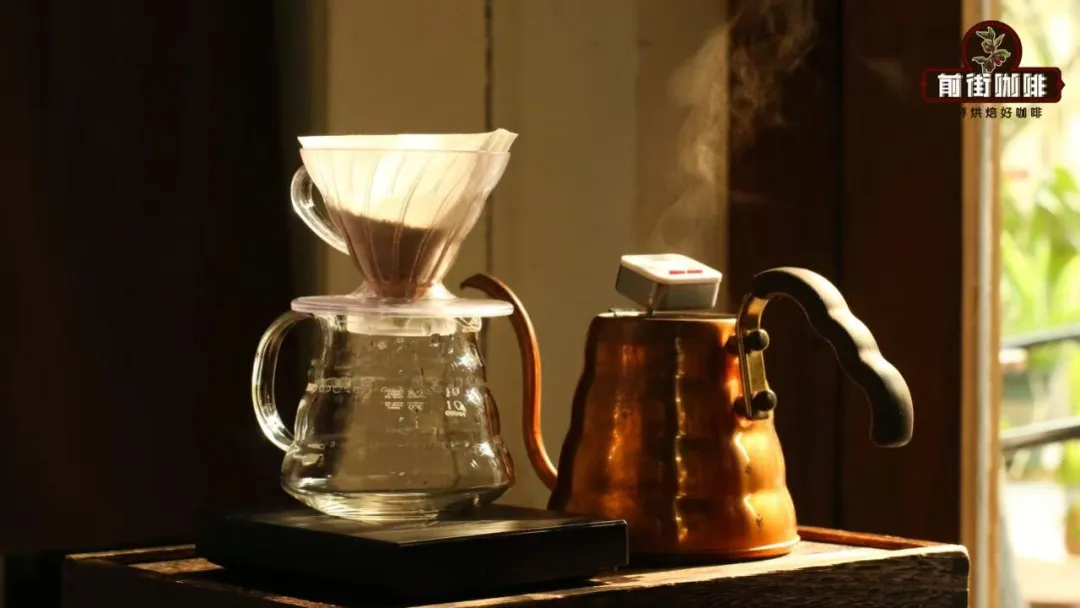
Another common misconception is that “the higher the pour, the more thorough the extraction.” A high water stream can indeed create stronger agitation, but there are technical limitations. If the pour height is too high, the water will lose heat as it falls through the air—especially under high temperature requirements—directly affecting extraction efficiency. Additionally, if the water stream itself isn’t strong enough, a high pour can cause the water to break into droplets, failing to effectively agitate the coffee bed and thus reducing extraction effectiveness. It’s recommended to hold the kettle about a fist’s height above the coffee bed, and no more than two fists, to balance stability and efficiency.
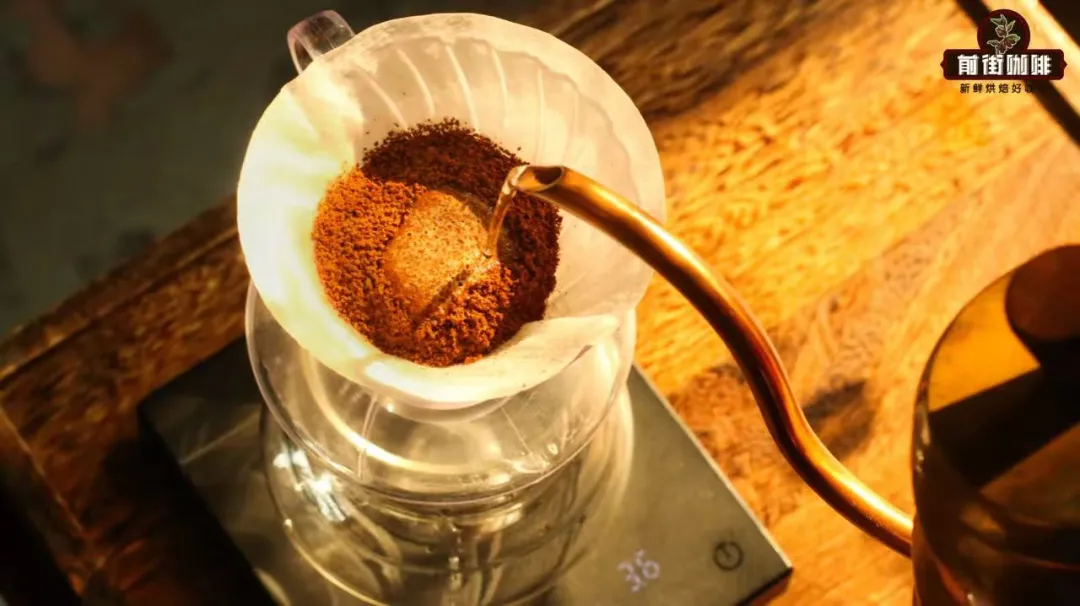
A common question during the blooming stage is: “Why doesn’t my coffee bed expand?” After buying coffee beans online, many people notice no obvious “hamburger” shaped rise during blooming and suspect the beans aren’t fresh. In reality, the degree of blooming is not solely determined by bean freshness, but also by water temperature, grind size, and pre-brew treatment. The rate of carbon dioxide release is influenced by multiple factors, including roast level and water temperature. Higher temperatures can accelerate CO₂ release, making it easier for the coffee bed to expand; lower temperatures result in less expansion. Therefore, if the bloom is not pronounced, in addition to checking the roast date, you should also review whether any brewing parameters have changed.
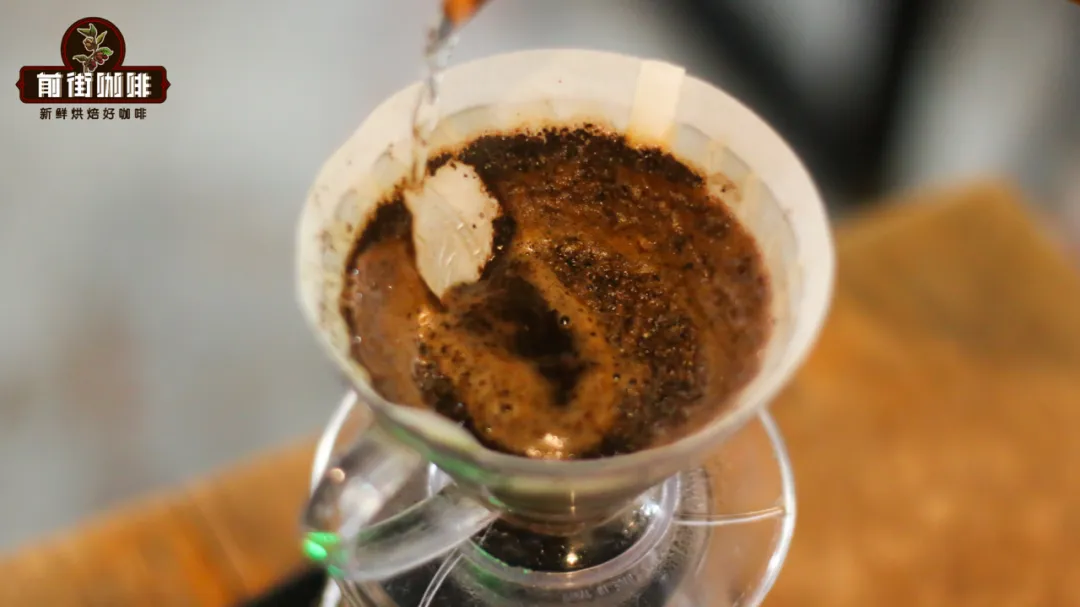
The last common mistake is believing that bitterness only emerges during the final extraction phase, leading some to deliberately cut off the flow at the end to avoid overly bitter coffee. In fact, bitter compounds are released from the very first drop of coffee, but in the beginning, the release of acidic and sweet compounds is faster, often masking the bitterness. By the end, as acidity and sweetness diminish, bitterness becomes more noticeable. Cutting off the brew out of fear of bitterness may actually sacrifice overall flavor balance. The truly effective approach is to control grind size, water temperature, and pour time from the start to avoid over-extraction, allowing the full and harmonious coffee flavor to emerge naturally.
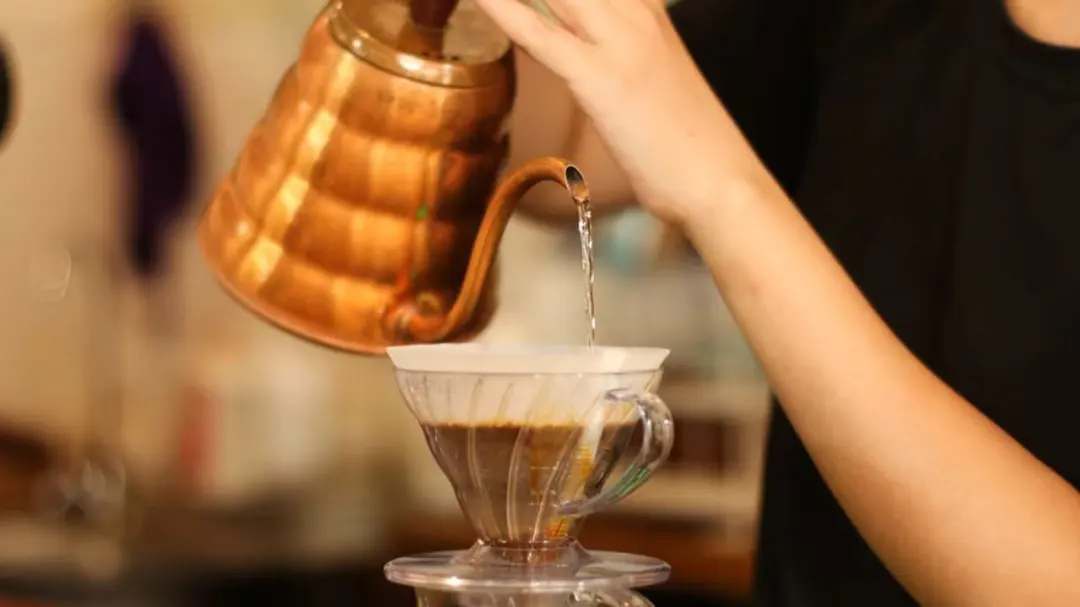
Summing up these five common mistakes, beginners learning pour over should focus more on the coordination and understanding of overall parameters rather than extreme adjustments of a single variable. By adjusting water temperature, stabilizing pouring techniques, taking a balanced view of blooming performance, and understanding the full picture of bitterness release, you’ll be able to face each pour over session with more confidence and brew coffee that meets your flavor expectations.
The above content is compiled by CoffeeHunters, a coffee news website.


