







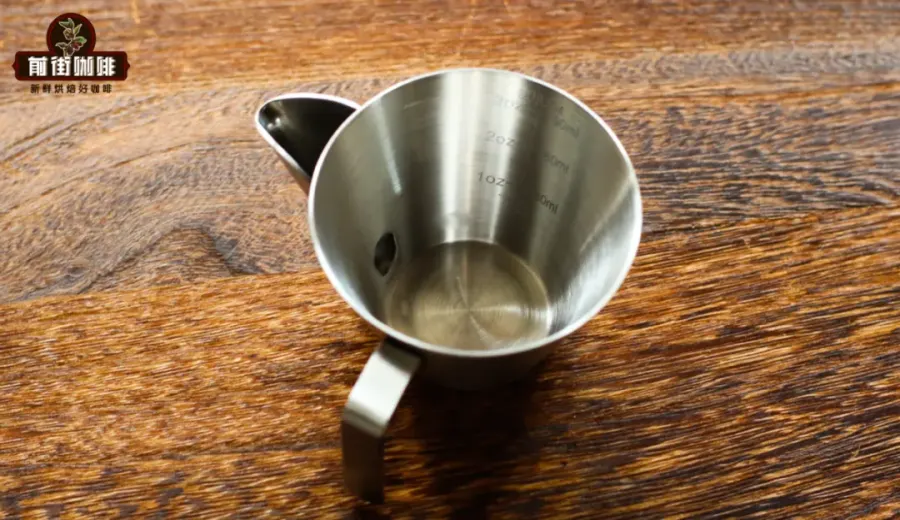
Introduction:The golden crema on top of an espresso is often considered the source of bitterness. A coffee tool resembling an oil filter has recently appeared on the market, claiming to remove crema and improve taste. But does this layer of foam really cause bitterness? What are the actual flavor differences after filtering it out? This article dives deep into the composition of crema, explores the true sources of bitterness, evaluates the practicality of the oil-filtering cup, and provides useful tips for balancing aroma and cleanliness, along with classic blend recommendations to help you pull beautiful crema.
In recent years, a small coffee gadget resembling a household oil filter—dubbed the "espresso oil-filtering cup"—has emerged among coffee enthusiasts. Its primary function is to separate the iconic golden foam on top of an espresso—crema, or what we commonly refer to as coffee oils. By removing this layer, many users report a cleaner, more refreshing taste and a noticeable reduction in perceived bitterness. But is crema truly the main culprit behind bitterness? How effective is this tool in practice? This article will analyze the structure and composition of crema from a scientific perspective, clarify the real factors contributing to bitterness, discuss the pros and cons of the oil-filtering cup, and offer alternative methods that preserve aroma while improving taste purity, along with classic blend suggestions to help you achieve great crema.
The design of this oil-filtering cup closely resembles common household oil-separating tools, and its working principle is also based on the concept of separating surface oils from liquids. When we pull a shot of espresso, the naturally formed crema on top is rich in lipids and tiny bubbles. This tool works by filtering out that golden foam floating on the surface of the coffee. According to practical tests, espresso filtered through this cup generally presents a cleaner, smoother mouthfeel, with a significant reduction in bitterness—making it a noticeably different drinking experience for those who prefer a cleaner flavor or are sensitive to bitterness.
Many coffee lovers are particularly fond of crema, viewing this golden layer not just as a hallmark of espresso but also as a symbol of flavor and texture. If you’re also a fan of crema, it’s recommended to choose espresso blends optimized for producing rich crema, such as classic blends and commercial blends. These bean blends are specifically designed in terms of roast level and ratio to enhance crema performance, helping you pull layered and stable crema easily at home.
The classic blend is especially suitable for coffee beginners, those looking to practice latte art, or cafés positioned toward a specialty-focused offering. This blend consists of coffee beans from three different origins, roasted to a medium-dark level, drawing inspiration from the once-popular "Mamba" combination—that is, the classic pairing of Mandheling and Brazilian beans. To further boost aroma and crema thickness, a small amount of Robusta is added. This not only enhances overall flavor intensity but also makes it easier for beginners to pull rich, golden-hued espresso with strong body using home equipment—especially helpful for practicing latte art.
As for the commercial blend, it’s better suited for business-oriented cafés. Its formula combines Colombian washed beans, Brazilian semi-washed beans, and a touch of Robusta, with a flavor profile centered around nuts, cocoa, and caramel. This blend continues the classic combination of Brazilian and Colombian beans, enhanced by a hint of Robusta, which not only adds flavor complexity but also brings a rich mix of aromas such as toasted bread, almond, and walnut. With good crema fluidity, low acidity, and a full-bodied mouthfeel, plus cost-effectiveness, it has become a popular choice for many cafés during startup or daily operation.
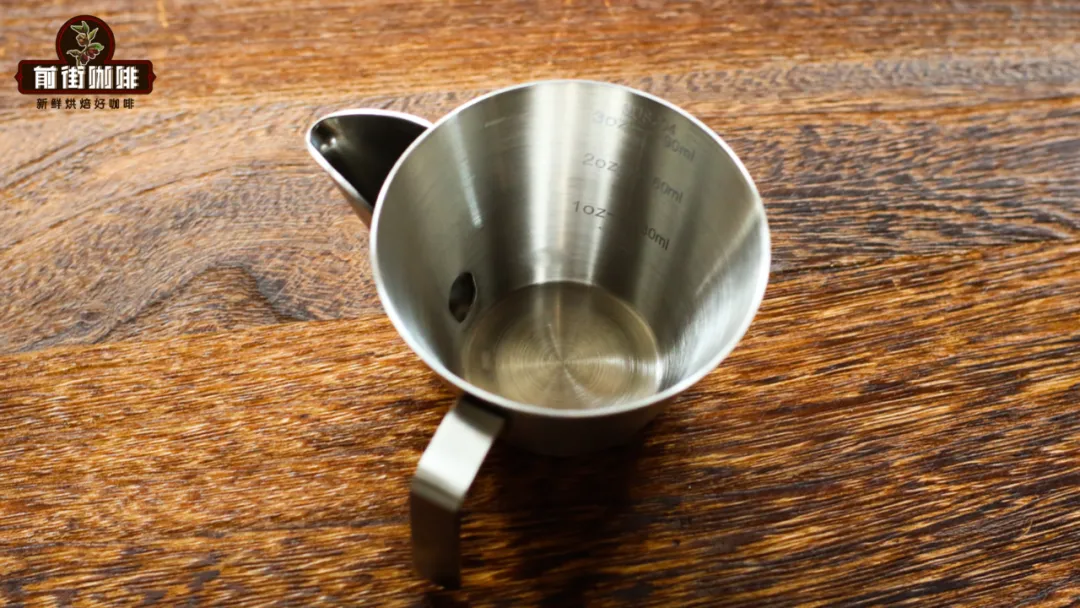
Many users have found in practice that if espresso is left to sit for a while, allowing the crema and coffee liquid to gradually separate, tasting the crema alone often reveals a distinct bitterness, sometimes accompanied by a slightly grainy or dry sensation. This is precisely why removing this layer of crema with an oil-filtering cup can indeed lead to a less bitter and purer coffee experience—hence the attention this tool has garnered.
But the key question is: bitterness doesn’t actually come from the lipids in the crema itself. Scientific analysis shows that crema is primarily composed of coffee lipids and carbon dioxide released during extraction—neither of which are inherently very bitter. The real cause of the bitter taste is the extremely fine coffee particles mixed in with the oils. These ultra-fine particles, due to their tiny size, can easily pass through the filter holes of standard espresso machine portafilters during extraction, entering the final coffee liquid along with the oils.

Since the design of espresso machine portafilters isn’t as precise as filter paper in screening out all ultra-fine particles, most of the lighter ultra-fine particles end up being wrapped in the oils and rise to the surface of the coffee, forming what we see as crema. These ultra-fine particles carry some inherent bitterness, and when mixed with the oils, they contribute to a more pronounced bitter taste in the overall coffee liquid. Additionally, if the coffee sits too long, the originally floating ultra-fine particles may sink to the bottom as the crema structure breaks down—another reason why we might occasionally feel a slight graininess while drinking.
In summary, the reason this oil-filtering cup effectively reduces bitterness and improves taste purity is that it not only filters out the crema but also the ultra-fine coffee particles mixed within it, thereby reducing the sources of bitterness.

So, is this oil-filtering cup worth the investment? The answer depends on personal taste preferences and needs. As mentioned earlier, there are actually several alternatives on the market with similar functions, and consumers can find suitable “budget-friendly options” based on their own budget and requirements. Moreover, while the oil-filtering cup can effectively reduce bitterness, it also diminishes the aroma intensity and body contributed by the coffee oils. After all, crema contains not just lipids but also carbon dioxide and some volatile aromatic compounds—all key elements shaping the overall flavor profile of coffee. Once the oils are filtered out, the coffee’s aroma often weakens, and you also lose the richness and lingering aftertaste provided by the oils.
Nevertheless, this oil-filtering cup still offers another way to enjoy your coffee. If you want to enjoy both the aroma and texture from coffee oils while also reducing bitterness and improving overall purity, consider this alternative: before filling the portafilter with coffee grounds, place two round filter papers at the bottom. This approach retains the crema while effectively filtering out the ultra-fine particles mixed in, achieving a dual improvement in aroma and taste cleanliness—letting you enjoy both the richness of the oils and the freshness of the flavors in your espresso.
The above content is compiled by CoffeeHunters, a coffee news website.


