







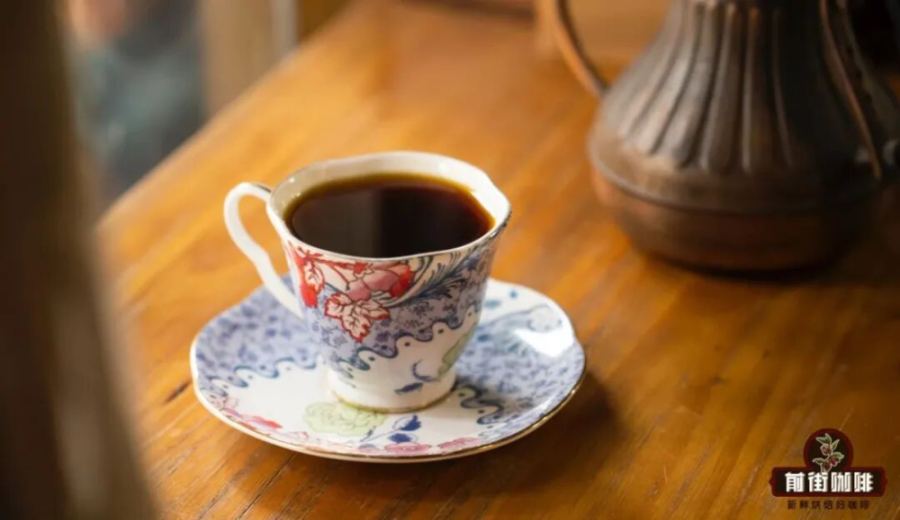
Introduction:Did you know that the same pour-over coffee can taste different when sipped from another cup? The shape of the cup’s rim can subtly alter the release of aroma and the mouthfeel experience. This article conducts practical tests using three classic roast levels—dark roast, medium roast, and light roast—paired with three mainstream cup shapes: open (wide), straight, and tapered. We analyze flavor differences at high and low temperatures and supplement the science of tongue taste distribution to help you find your ideal cup shape for the best coffee flavor.
In the process of coffee tasting, the vessel is far more than just a simple container. The design of the cup’s rim directly affects the efficiency of aroma release and the path the liquid takes into the mouth, thereby influencing overall flavor perception. In this test, we compared three common cup rim types—open (wide), straight, and tapered—and selected three representative coffee beans: the dark-roasted Blue Mountain No. 1, the medium-roasted Sidamo, and the light-roasted Gesha Village Red Label. We observed how their flavors varied when brewed under identical conditions but poured into different cup shapes.
All experimental parameters were strictly standardized: using the EK43s grinder, a three-stage pouring technique, and a 1:15 coffee-to-water ratio with 15 grams of coffee per brew. The dark-roasted Blue Mountain No. 1 was brewed at 87°C, the medium-roasted Sidamo at 91°C, and the light-roasted Gesha Village Red Label also at 91°C. Grind sizes were controlled at 75%, 82%, and 80% passing rates through China standard sieves respectively, ensuring consistent extraction conditions with cup shape as the only variable.
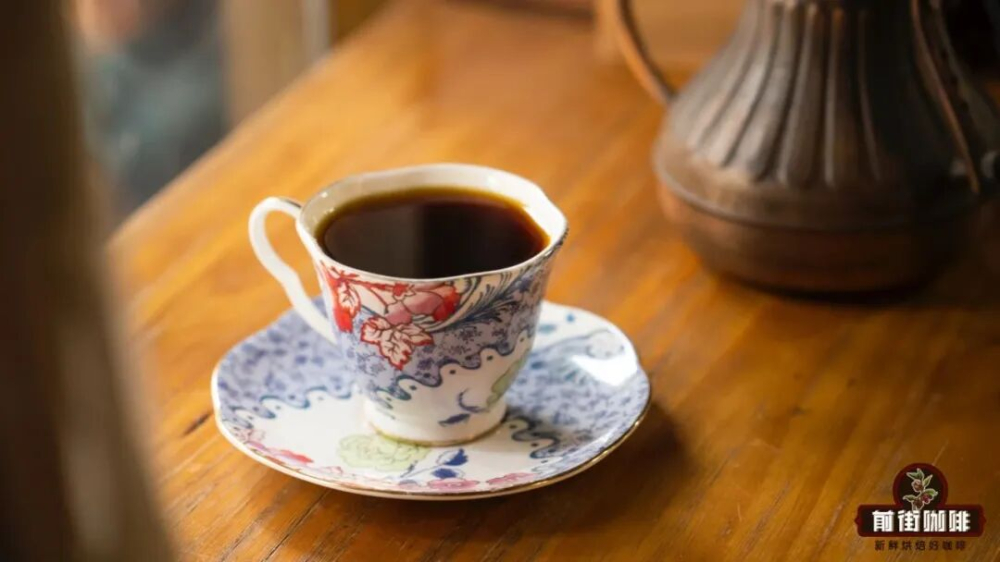
Let’s first discuss aroma perception. Practical testing found that the open (wide) cup, due to its large opening and outward-flaring rim, had the fastest aroma dissipation. At high temperatures, it was noticeably the quickest to lose aroma, making it the least “aroma-retentive” of the three cup types. The straight cup maintained a moderate aroma intensity with stable performance and smaller variation. The tapered cup, with its inward-curving rim, effectively concentrated the aroma, delivering the richest overall fragrance, with each bean’s characteristic aromas clearly presented.
Taking the Blue Mountain No. 1 as an example, it exhibited the most focused flavor in the straight cup—full-bodied, rich, and mellow. In the tapered cup, it had a notable aftertaste, with a soft and clear mouthfeel. The open (wide) cup, on the other hand, gave a relatively flat performance, with acidity slightly prominent but lacking the body to support it. The medium-roasted Sidamo highlighted citrus and stone fruit acidity in the open (wide) cup, accompanied by a slight tea-like note. In the tapered cup, it had the sweetest profile, reminiscent of ripe grape juice. The straight cup performed best in overall balance, maintaining a comfortable state in both flavor and mouthfeel. The light-roasted Gesha Village Red Label showed intense fruit aromas and a slightly astringent finish in the straight cup. The tapered cup, though not particularly aromatic, delivered a clear caramel sweetness. The open (wide) cup showcased bright fruit acidity and mild fermentation notes, shifting to citrus and black tea tones as it cooled.
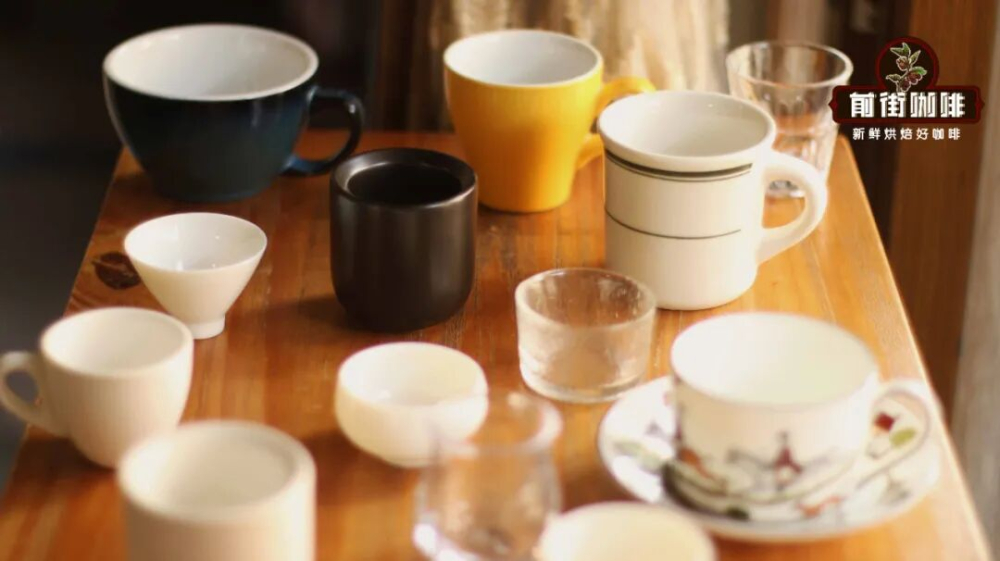
Why can cup shape change the flavor experience of coffee? The key lies in the distribution of taste receptors on the human tongue. Generally, the tip of the tongue is sensitive to sweetness, the back to bitterness, and the sides to acidity. When paired with different cup shapes, the entry point and flow of coffee in the mouth also change, thereby affecting taste perception.
The open (wide) cup, with a rim flared more than 45 degrees outward, offers the widest opening, maximizing the contact area between coffee and air, which leads to rapid aroma dissipation. However, the liquid flows smoothly toward the sides and tip of the tongue, making it suitable for light to medium roast beans that emphasize fruity acidity and delicate flavors—such as Huakui or Xiaofanqie from African regions—allowing their fruity notes to be captured more keenly.
The straight cup typically has an upright and relatively tall structure, with a consistent diameter from the rim to the center. This design channels coffee liquid toward the center of the mouth, exerting stronger stimulation on the taste buds, especially at mid-to-high temperatures, fully showcasing the coffee’s body and caramel aromas. For dark roast beans such as Mandheling or Huilan, it highlights their rich and robust characteristics.
The tapered cup features an inward-curving rim and an outward-bulging body, helping to release aroma at its widest point and gather it along the rim, enhancing aroma concentration. Drinking from this cup requires slightly tilting the jaw upward, allowing the coffee to first touch the front part of the tongue—the area most sensitive to sweetness. Therefore, the tapered cup is especially well-suited for coffees with pronounced sweetness, featuring notes of candied fruit, toffee, ripe fruits, or fermentation, such as Sidamo or Strawberry Candy among medium roast beans.
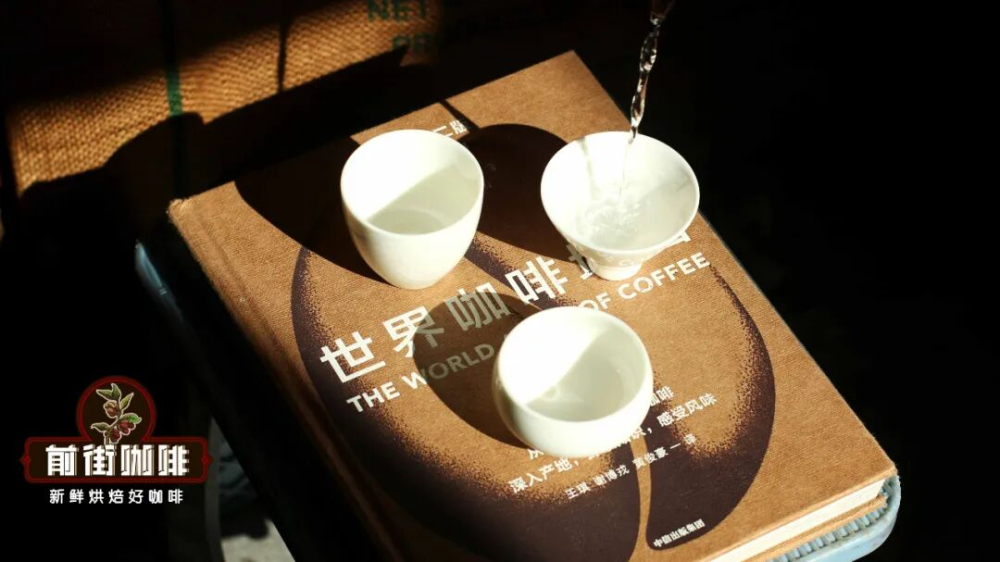
In summary, cup shape is not just about aesthetics—it’s a key element that influences the overall sensory experience of coffee. Whether you’re a beginner in the world of pour-over or a coffee enthusiast chasing the ultimate flavor, understanding the characteristics of different cup shapes will help you choose the most suitable vessel for the coffee at hand, whether for tasting or daily enjoyment, further elevating the pleasure of drinking coffee.
The above content is compiled by CoffeeHunters, a coffee news website.


