







Category: Coffee Knowledge
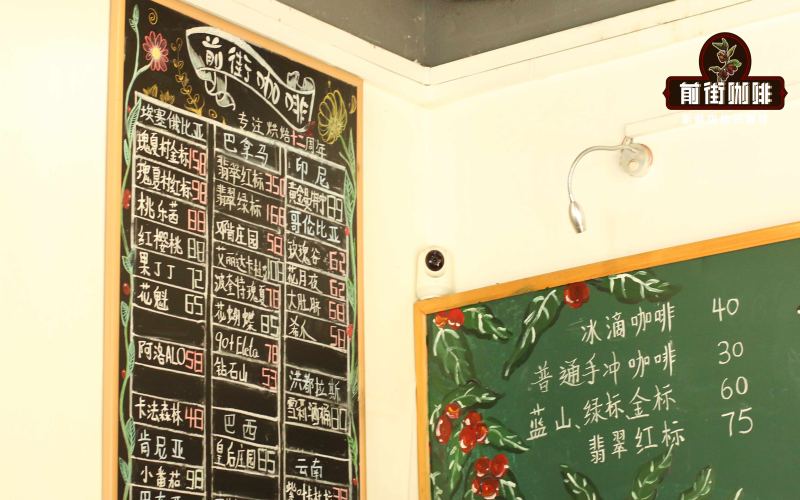
Complete Guide to Central and South American Coffee Regions: Flavors, Varieties, and Processing Methods in One Article
Central and South America is a major hub for specialty coffee, encompassing renowned coffee-producing countries such as Brazil, Colombia, Panama, and Costa Rica. This article provides an in-depth analysis of the geographical environments, major coffee varieties, common processing methods, and representative flavor characteristics of each region. It also uses real regional examples to illustrate brewing parameters and flavor profiles, helping you fully grasp the essence of Latin American coffee. [more…]

A Complete Guide to the Flavor Profiles and Processing Methods of the Six Major Coffee Regions in Latin America
Latin America is a major hub for specialty coffee, encompassing renowned countries such as Panama, Colombia, Costa Rica, Brazil, and Honduras. This article will delve into the geographical environments, altitude conditions, main coffee varieties, and processing techniques of these regions, while also helping you understand the unique flavor profiles of their beans. Whether you're a beginner in pour over or an advanced coffee enthusiast, you'll find recommended beans and flavor references tailored to your taste. [more…]

The Authentic Cappuccino Method: Milk Foam Thickness, Golden Ring, and WBC Standards Explained
Do you think a cappuccino must always follow the so-called “golden ratio” of 1:1:1 — espresso, milk, and foam? In fact, this is not the standard in international competitions. A higher proportion of coffee can actually affect the overall flavor and integration. This article delves into the WBC’s official cappuccino standards, introduces the correct milk foam thickness and the origin of the golden ring, and provides a complete step-by-step guide — from cup selection and espresso extraction to milk frothing and pouring — to help you craft an authentic cappuccino with rich foam and well-preserved crema. [more…]
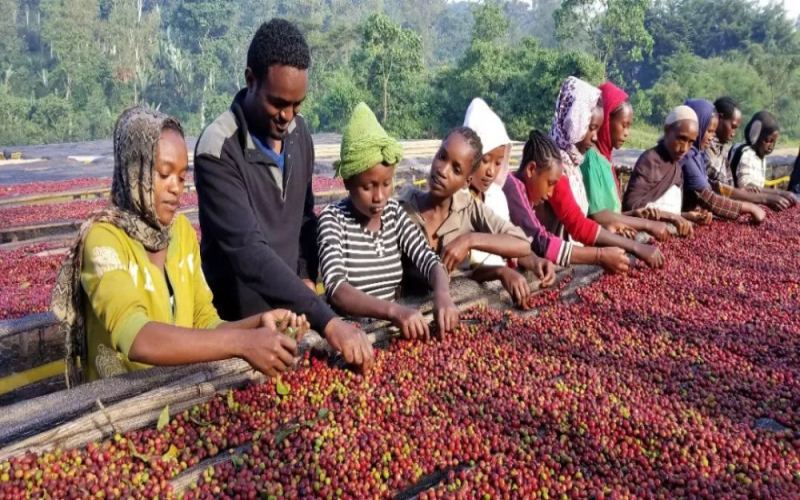
A Comprehensive Guide to Ethiopian Natural Aricha: TOH Champion Background & Washed Version Comparison
Dive deep into Ethiopian Natural Aricha, a sun-dried coffee from the village of Aricha in Yirgacheffe, Ethiopia. Explore its growing region, varietal origins, and the journey that led it to win the 2019 TOH competition. This guide offers a full analysis of its honey-like richness and complex flavor profile. We also compare the differences between the natural and washed versions, and provide practical V60 pour over parameters to help you brew the best cup possible. [more…]
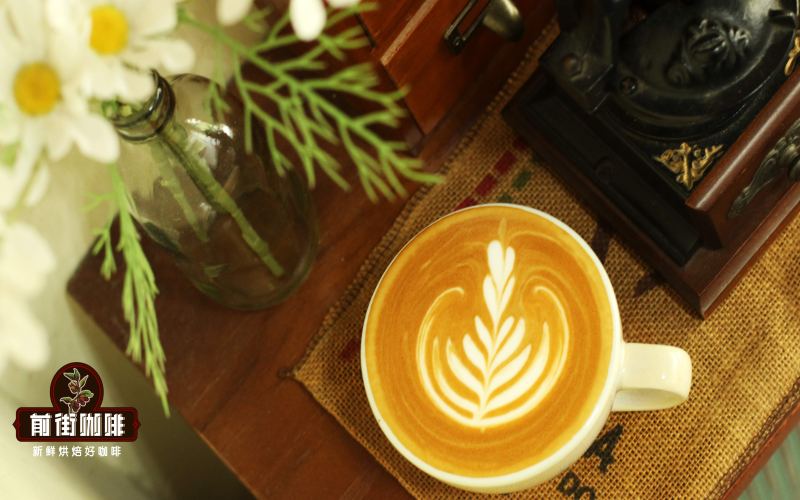
What’s the main reason for failed latte art? A complete guide to pouring techniques and key steps for delicious lattes
Many coffee enthusiasts, in their pursuit of elaborate latte art patterns, often overlook an essential step that lays the foundation for the entire cup—pouring (fusion). Good pouring not only enhances the overall taste of a latte but is also a crucial prerequisite for successful latte art. This article will delve into the principles, operational details, and practical techniques of pouring, covering everything from preparing the espresso and milk foam to controlling pitcher height, pouring technique, and volume. It will help you fully master this foundational craft that influences both the flavor and visual appeal of your coffee. [more…]

Espresso Latte Latte Art for Beginners: Milk Frothing Techniques and Heart, Leaf, and Tulip Pattern Tutorials
Learn to make professional-level latte art at home — the key lies in mastering milk froth texture and pouring techniques. This article explains in detail how to create fine, velvety milk foam, and step-by-step breaks down the operational essentials of three classic latte art patterns: heart, leaf, and tulip. It includes practical tips such as steam wand angle, air intake rhythm, and poured milk flow control, helping coffee enthusiasts reliably recreate café-level visual and taste experiences. [more…]
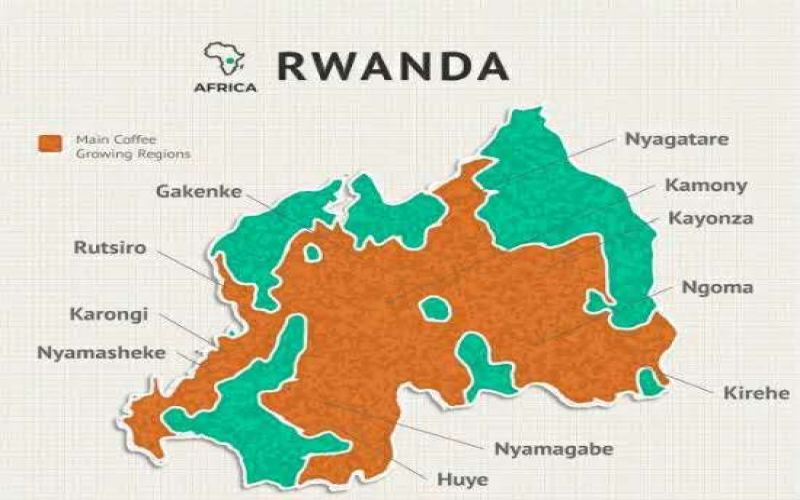
Rwanda Coffee Flavor Unveiled: How Washed Processing Brings Out Bright Acidity and Berry Notes
Rwanda, an inland African country known as the "Land of a Thousand Hills," produces coffee with unique flavors thanks to its high-altitude terrain and fertile volcanic soil. This article will delve into the distinctive characteristics of Rwanda’s coffee-growing regions, its main coffee varieties, and the washed processing method, uncovering the secrets behind its bright acidity, citrus, and berry aromas. We’ll also explore why medium to light roasting best highlights its delicate complexity. [more…]
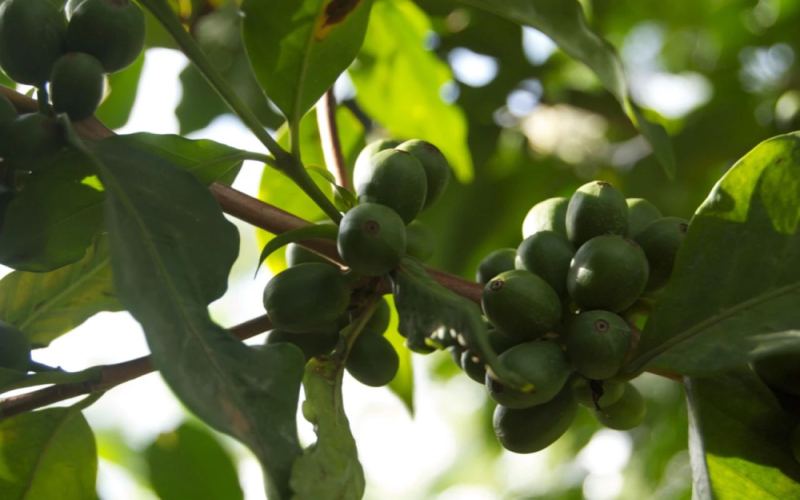
Kenya Coffee In-Depth Guide: From SL28/SL34 Varieties to K72 Washed Process and Pour Over Recommendations
Kenya coffee is renowned for its bright acidity and rich berry aromas, attributes that stem from its unique variety genetics and meticulous processing methods. This guide will take an in-depth look at Kenya’s geographical conditions, its six major producing regions, the characteristics of the classic SL28 and SL34 varieties, and the K72 washed process that shapes its distinctive flavors. You’ll also find practical pour over parameters and flavor profiles to help you fully appreciate this vibrant single-origin specialty coffee. [more…]
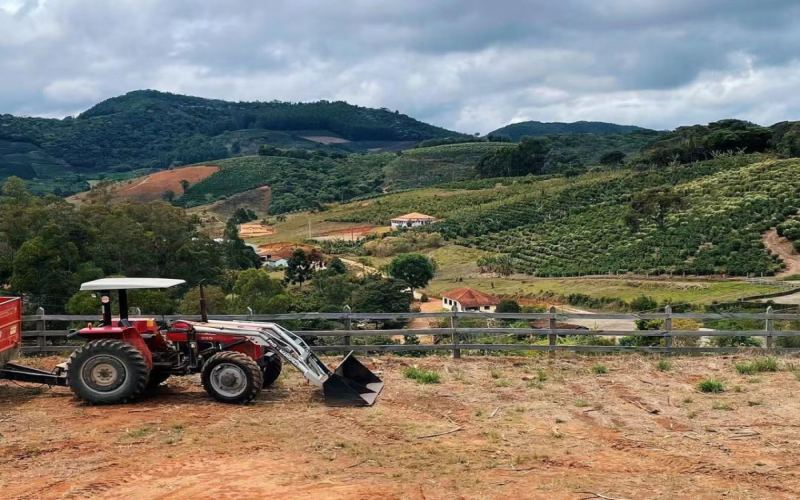
A Guide to Brazilian Coffee Beans: Natural Semi-Washed Processing, Regional Characteristics, and Pour Over Recommendations
Brazil is not only the world’s largest producer of Arabica coffee, but also one of the key sources of specialty coffee. Its unique terrain and climate give rise to distinctive flavor profiles, while the natural semi-washed processing method highlights its rich notes of nuts, caramel, and chocolate. This article will delve into Brazil’s major coffee-growing regions, processing methods, and provide practical pour over parameters and techniques to help you master the essentials of brewing this classic bean. [more…]
A Comprehensive Guide to Nicaragua’s Coffee Regions: Flavors, Varieties, and Growing Environments
Although Nicaraguan coffee originates from a country facing significant economic challenges, it has won international acclaim for its delicate acidity and rich aroma. This article delves into the unique terroir of the country’s three core coffee regions, the characteristics of its main cultivated varieties, and how political changes have influenced the development of the coffee industry. From Matagalpa to Jinotega, gain key insights for selecting premium Nicaraguan beans and understand the secrets behind their quality, often compared to that of Kenya AA. [more…]
A Comprehensive Guide to Sumatra Mandheling Coffee Beans: Wet-Hulling Process, Pour Over Parameters & Flavor Characteristics
Dive deep into the unique charm of Sumatra Mandheling coffee — from regional background and the wet-hulling processing method, to the flavor differences between Lintong and Golden Mandheling, as well as brewing recommendations suited for medium to dark roasts. This article explains in detail how to extract a Mandheling with clear flavors and pronounced aftertaste through pour over techniques. Whether you're a beginner or an advanced coffee enthusiast, you'll find practical insights here. [more…]

Beginner's Guide to Pouring Over Indonesian Golden Mandheling: A Comprehensive Analysis of Flavors and Extraction Techniques
Golden Mandheling from Sumatra, Indonesia, is renowned for its full-bodied texture and spicy character, making it a classic that specialty coffee enthusiasts shouldn't miss. This article delves into the unique attributes of its growing region, the distinctive impact of the wet-hulled processing method, and offers professional pour-over recommendations and parameters to help you fully unlock its dark chocolate, caramel, and herbal aromas—mastering the brewing essentials of this bean. [more…]
A Comprehensive Guide to Jamaica Blue Mountain Coffee: Varieties, Elevation Grades, and Flavor Profiles
An in-depth exploration of Jamaica Blue Mountain Coffee’s core growing region—Wallenford Estate. From geographical conditions and variety classifications to the rigorous CIB grading standards, this guide fully breaks down what constitutes authentic Blue Mountain coffee. Discover the traditional Blue Mountain cultivation area above 666 meters, the differences between high-mountain coffee and Jamaican coffee, and the reasons behind its scarce production and high prices. It also offers roasting and brewing guidance, making it an essential deep-dive resource for coffee enthusiasts. [more…]
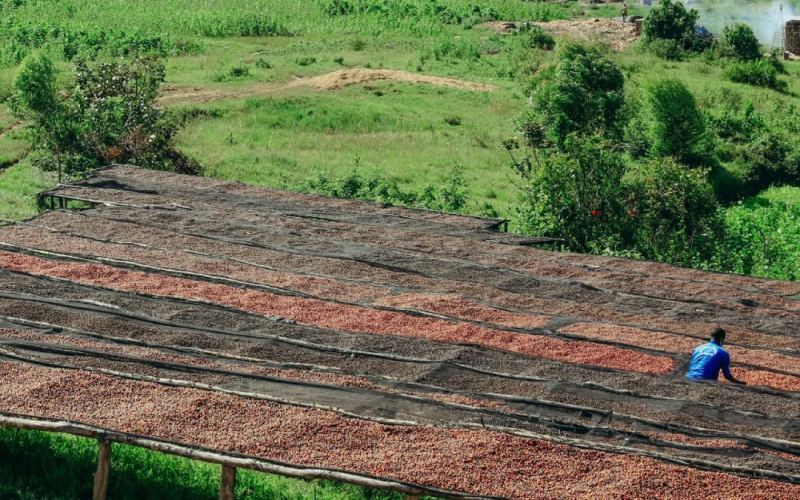
Flavor Profile of Rwanda Washed Red Bourbon Beans: The Perfect Combination of Altitude, Variety, and Processing Method
Although Rwanda is a small African country, its high altitude and fertile volcanic soil nurture specialty coffee with great potential. This article delves into the historical background, geographical conditions, main cultivated varieties, and details of the washed processing technique in Rwanda’s coffee-growing regions, with a special focus on the washed Red Bourbon beans from the Southern Province’s Nshili region, helping you understand its captivating flavor profile of berries, green tea, and fruity notes. [more…]

Analysis of Jamaican Blue Mountain Coffee Grading | Pour Over Parameters and Authenticity Guide for Blue Mountain No. 1
Jamaican Blue Mountain coffee is regarded as the pinnacle of specialty coffee, yet the market is flooded with vague labels such as "Blue Mountain flavor." This article delves into the unique characteristics of the Jamaican Blue Mountain growing region, its rigorous grading system, and explains the differences between Blue Mountain No. 1, No. 2, and No. 3. It also clarifies why it commands such a high price. Additionally, we provide recommended pour over parameters for Blue Mountain No. 1 along with its actual flavor profile, helping you comprehensively identify authentic beans through appearance, certification documents, and brewing methods. [more…]
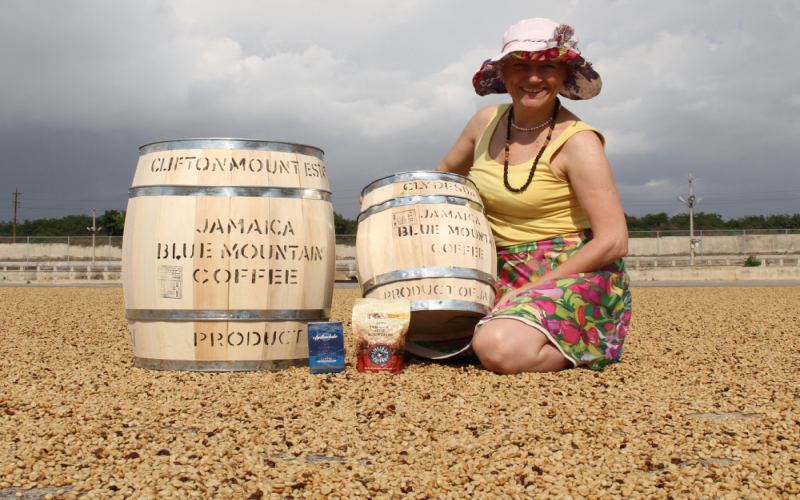
How is Jamaican Blue Mountain coffee graded? Understand everything from grades to flavors in one go
Jamaican Blue Mountain coffee is hailed as one of the world’s top-tier coffees, but it actually has a rigorous grading system with clear regulations on factors such as cultivation altitude and green bean size. This article provides an in-depth analysis of the three main grades of Blue Mountain coffee, including the differences between Blue Mountain No. 1, No. 2, and No. 3, as well as variations among different producing regions such as high mountain and premium washed coffee. It also covers actual export specifications and common market price references to help you choose and appreciate this legendary coffee more precisely. [more…]
Flavor Analysis of Hawaiian Kona Coffee | A Complete Guide from Planting History to Pour Over Tips
Want to dive deep into the world-renowned Hawaiian Kona coffee? This article will take you on a journey from its origins and planting history, all the way to its unique flavor characteristics and how they are formed. We’ll also share key tasting points and recommended brewing methods. Whether you’re a coffee beginner or an advanced enthusiast seeking flavor complexity, you’ll find practical inspiration for bean selection and brewing here. [more…]

The Ultimate Guide to Yellow Bourbon Coffee: Flavor Profile, Origin, Processing, and Pour Over Techniques
Yellow Bourbon is a distinctive variety within the Arabica family, renowned for its orange-yellow fruits and sweet, juicy flavor profile—especially excelling in high-altitude growing regions. This article delves into the genetic origins of Yellow Bourbon, its unique flavor characteristics, and through the real-world example of Brazil’s Queen Estate, explores practical details from sun-dried processing and roast design to pour over parameters. Whether you’re new to specialty coffee or looking to refine your Yellow Bourbon tasting experience, you’ll gain valuable insights. [more…]
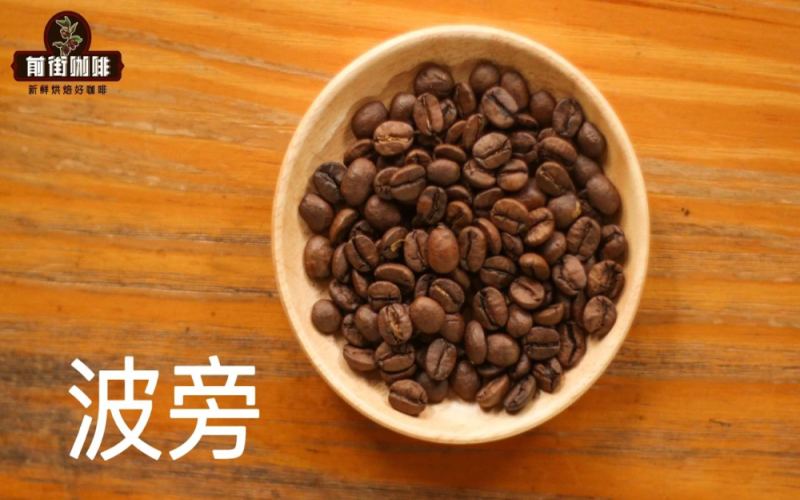
How to Brew Brazilian Yellow Bourbon Natural Beans? A Complete Guide to Queen Estate Flavors and Pour Over Parameters
Yellow Bourbon is a rare and unique coffee variety native to Brazil. When ripe, it displays a warm, gentle orange-yellow hue, with outstanding sweetness and aroma. This article delves into the varietal origins of Yellow Bourbon, explores the refined natural processing techniques of Queen Estate, and provides professional-level pour over brewing recommendations—including practical parameters such as water temperature, grind size, and coffee-to-water ratio—to help you fully experience the nutty, chocolatey, and sugarcane sweetness of this premium Brazilian coffee. [more…]

Pour Over Coffee Parameter Setup Guide: Practical Adjustment Techniques for Coffee-to-Water Ratio, Water Temperature, Grind Size, and Pouring
The flavor of pour over coffee depends on several key parameters, including coffee-to-water ratio, water temperature, grind size, and pouring method. However, simply knowing the numbers is far from enough. This article delves into the practical effects of each parameter on extraction, helping you understand the underlying principles and providing flexible adjustment strategies. Whether you're a beginner or an experienced coffee enthusiast, you'll learn methods to achieve stable brewing and optimize flavor. [more…]