







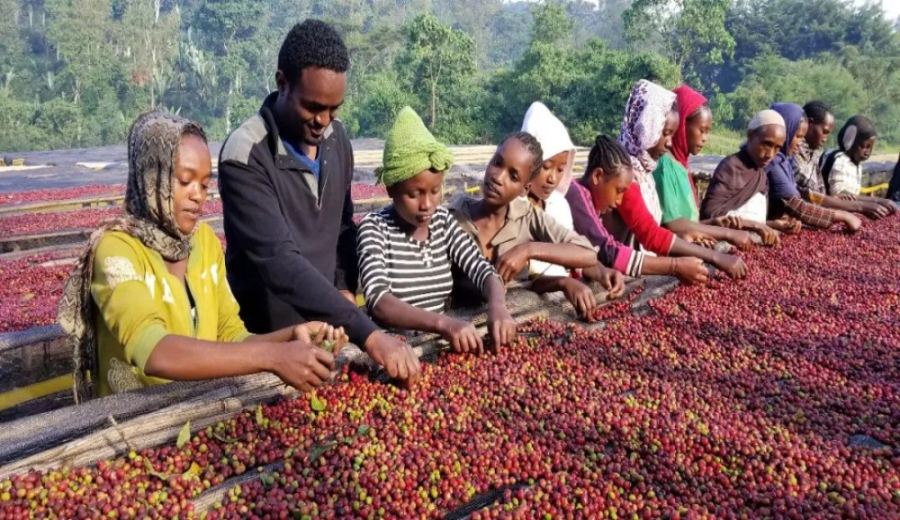
Introduction:Delve into the sun-dried Ethiopian Yirgacheffe Aricha village coffee — Aricha — exploring everything from its regional geography and varietal origins to its journey to winning the 2019 TOH competition. Gain a comprehensive understanding of its honey-like richness and complex layered flavors. We’ll also compare the differences between the sun-dried and washed versions and provide practical V60 pour over parameters to help you brew it to its fullest potential.
Aricha is arguably one of the most representative sun-dried coffees from the Yirgacheffe region. With its intense honey aroma, explosive fruit character, and multi-dimensional taste experience, it has garnered global attention among specialty coffee enthusiasts. This article begins with an overview of the region’s characteristics and varietal background, then delves into the natural conditions and microclimate of the Aricha area, explores the backstory of the TOH (Taste Of Harvest) competition champion beans, and compares the flavor profiles of both sun-dried and washed processing methods — giving you a full grasp of this “fruit bomb” level coffee’s unique charm.
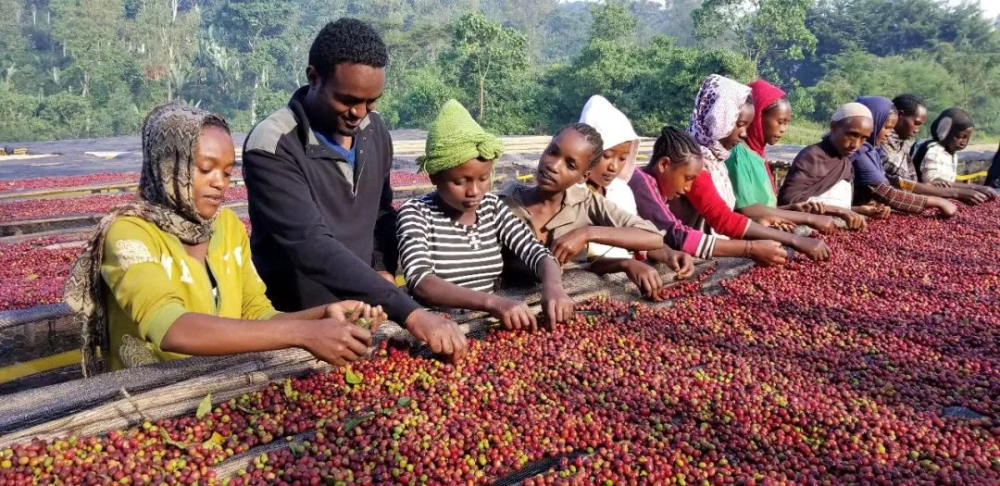 When it comes to Ethiopian coffee, many people first think of beans bursting with floral, berry, and citrus notes — such as the well-known Candlelight, Huakui, Aricha, Kochere, Worka, Guji Dingding, and Red Cherry. If you’re looking to choose one that showcases both honey sweetness and rich fruity complexity, the sun-dried Aricha coffee bean is undoubtedly your top pick.
Aricha is not a single large producing region but rather a small village located about 8 kilometers east of Yirgacheffe town — Aricha kebele. Kebele is the smallest administrative division in Ethiopia, typically consisting of around 500 households, with a population of approximately 3,500 to 4,000 people. The coffee in this area mostly comes from wild varieties that grow naturally in the forest, so the varietals are extremely diverse. A single batch might contain anywhere from 2 to 30 different varietals, making it difficult to assign a single name. Since these coffee trees mostly grow at altitudes above 1,850 meters and consist of ancient, non-commercially classified varieties, the local government collectively categorizes them as ‘Heirloom’ (native variety) to preserve biodiversity and cultural heritage.
The term TOH stands for Taste Of Harvest, meaning the ‘Harvest Flavor Competition.’ It is an annual evaluation event hosted by the African Fine Coffee Association (AFCA). The competition covers eight countries: Burundi, Democratic Republic of the Congo, Ethiopia, Malawi, Kenya, Tanzania, Uganda, and Zambia, and is held annually alongside the Africa Fine Coffee Conference & Exhibition. Judges follow SCAA (Specialty Coffee Association of America) standards to conduct double-blind cupping and scoring of the top-quality green beans submitted by each producing region. The Aricha coffee beans produced by the Adorsi washing station won the championship in the sun-dried category of the 2019 TOH competition with an impressive score of 91.
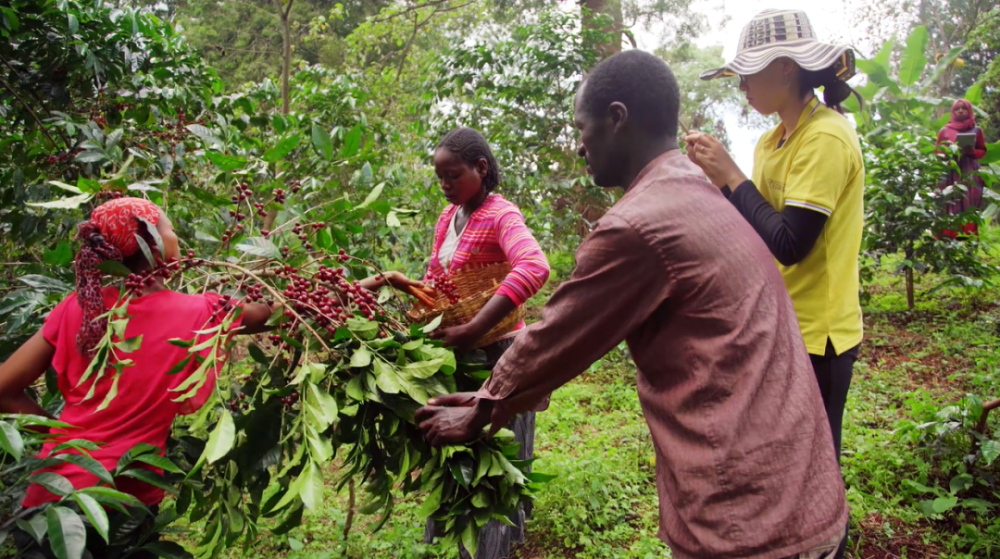
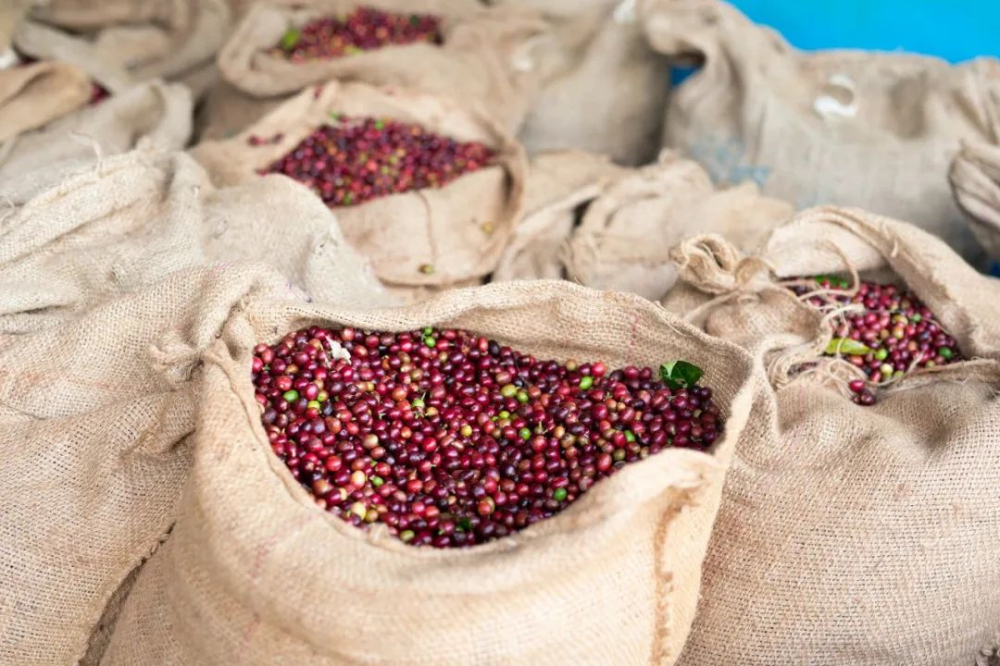 The Adorsi washing station is located in the Aricha region of Yirgacheffe, at an altitude between 1,950 and 2,100 meters. It features mineral-rich red volcanic soil and enjoys an average annual temperature of around 23 degrees Celsius — providing ideal conditions for coffee cultivation. The champion beans were grown from ancient Heirloom native varieties, handpicked, and carefully selected for premium coffee cherries sized between 17 and 18 mesh. Under such exceptional microclimatic and processing conditions, it’s no surprise that the Aricha sun-dried beans deliver outstanding cupping performance.
Through actual cupping of the 2019 harvest Aricha sun-dried beans, its flavors burst forth like a ‘fruit bomb’ with distinct layers. The cup opens with a soft citrus aroma, followed by the sweet scents of berries and peach. The mid-palate brings a light milkiness blended with refreshing acidity of lemon and grape, while the finish lingers with abundant floral notes and a long, evolving aftertaste. Not only are the flavors intense, but the mouthfeel is smooth, sweetness is pronounced, and there’s even a hint of fermented wine-like complexity.
Sun-drying is the most traditional and widely used processing method in Ethiopia, accounting for about 70% of the country’s total coffee production. In this method, whole coffee cherries with their pulp are placed directly on raised beds to slowly dry under ample sunlight — usually for over two weeks. This process not only preserves the sugars in the fruit, enhancing sweetness, but also creates more intense and complex fruit tones. Compared to washed processing, sun-dried beans usually have lower acidity but more prominent sweetness, a richer mouthfeel, and more layered complexity. Although they may be slightly less clean in profile, they possess a more primal and wild charm.
In the Yirgacheffe region, the sun-drying process places particular emphasis on hygiene and quality control. After harvest, coffee cherries are first sorted to remove defects and unripe fruits, then placed whole on raised beds to avoid contact with the ground and prevent unwanted taints. After more than two weeks of sun drying, the cherries gradually turn dark brown and are preserved properly for subsequent aging. This method yields Aricha coffee with more bold, expressive flavors, distinct layers, and a unique fermented wine-like aroma along with high sweetness.
For this bold and expressive sun-dried Aricha coffee, a medium-light roast is recommended to fully showcase its fruit character and delicate aromas. In actual pour over tests, using a V60 filter with 15 grams of coffee, a 1:15 brew ratio, and a medium-fine grind (similar to caster sugar, 78% passing through a #20 sieve), with water temperature controlled between 92–93°C, effectively extracts rich floral and fruity notes along with a full-bodied mouthfeel.
Specific pour over recommendations are as follows: Begin with a 30-second bloom using twice the coffee weight in water (about 30 grams) to activate aroma release. Then pour water in small streams in a circular motion from the center outward until reaching 125 grams for the first pour. After a slight drop in the coffee bed, continue pouring to 225 grams to complete extraction, with a total brew time of about 2 minutes. These parameters help balance acidity and sweetness, enhance flavor layers, and avoid over-extraction or bitterness.
The brewed Aricha sun-dried beans emit a rich dry aroma with intense fruitiness and the sweetness of ripe dried fruit. The wet aroma is silky like syrup, with hints of honey and chocolate. Upon tasting, fermentation aromas are prominent, with bright acidity from green grapes and lemon. As the cup cools, a creamy mouthfeel and the juicy sensation of ripe grapes gradually emerge. The finish is long-lasting and filled with floral notes — offering an unforgettable specialty coffee experience.
The above content is compiled by CoffeeHunters, a coffee news website.


