







Introduction:Indonesia’s Sumatran Golden Mandheling is renowned for its full-bodied texture and spicy notes, making it a classic that specialty coffee enthusiasts shouldn’t miss. This article delves into the characteristics of its growing region, the unique influence of the wet hulling process, and provides expert pour over recommendations and parameters to help you fully release its black chocolate, caramel, and herbal aromas, mastering the brewing secrets of this bean.
When it comes to Indonesian coffee, Mandheling is undoubtedly one of the most representative offerings. This Arabica bean from Sumatra is known for its solid body, low acidity, and rich aroma, while specialty-grade Mandheling also excels in cleanliness and sweetness. Among them, the Golden Mandheling produced by PWN is a classic among classics—not only is its selection rigorous, but its unique processing method and roasting style also bring captivating layers of spice, black chocolate, and caramel.
The areas around Lake Toba in Sumatra and the highlands of North Sumatra Province offer an elevation of 750 to 1500 meters for cultivation, coupled with the constant warmth and high humidity of the tropical rainforest climate, providing ideal growing conditions for Arabica coffee. The Mandheling produced here, due to terroir variations, has developed multiple flavor profiles, including the common Lintong Mandheling, the high-quality Golden Mandheling, and the aged Aged Mandheling. Each type showcases distinct regional characteristics, worthy of deeper exploration.
Lintong Mandheling is produced in the Lake Toba region and is a traditional representative of Sumatran coffee. After being processed via wet hulling, this bean often exhibits pronounced herbal and earthy tones, making it suitable for drinkers who enjoy bold flavors. Some shops list it as their everyday drinking bean, allowing coffee beginners to easily experience the unique character of Indonesian coffee.
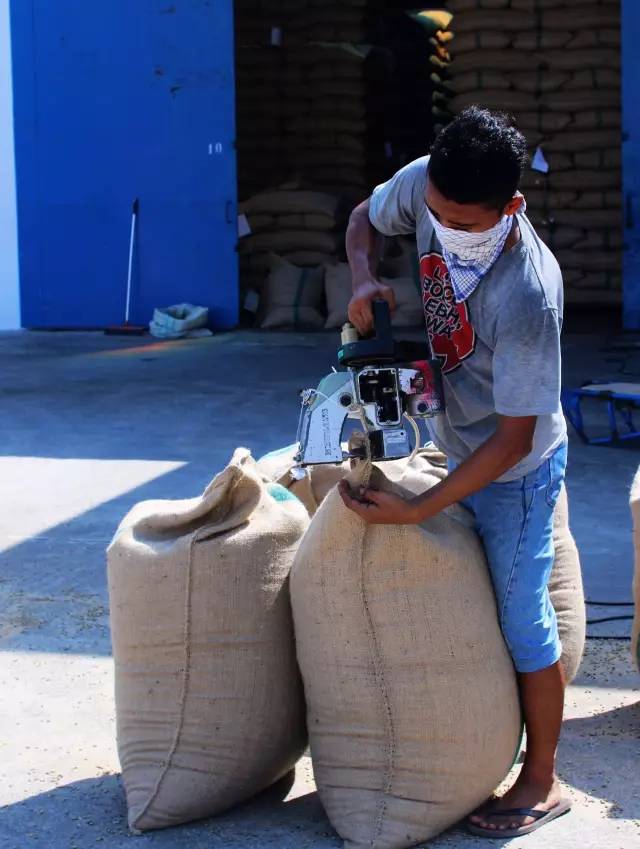
Golden Mandheling, on the other hand, is the flagship product of PWN, adhering to strict quality control standards. Only G1 grade green beans larger than eighteen screens with an extremely low defect rate are selected, and they undergo multiple rounds of manual sorting to ensure consistency in size, shape, and color. This high-standard processing procedure allows Golden Mandheling to deliver a cleaner taste and more elegant sweetness when brewed, with its spice and caramel aromas standing out even more prominently.
When discussing the processing characteristics of Indonesian coffee, wet hulling (also known as wet hulling) cannot be overlooked. This method originates from the region’s high humidity and frequent rainfall, where traditional washed or sun-dried processes are difficult to effectively apply. In wet hulling, after removing the skin and pulp of the coffee cherry, the beans are only briefly fermented for a few hours before some of the mucilage is removed. They are then partially dried to a moisture content of 30%-40% before the parchment layer is removed. Because the beans are prone to pressure damage during the hulling process, they develop a distinctive “elephant ear” appearance. However, this also accelerates the drying process, allowing the coffee beans to retain a strong body along with unique woody and herbal tones—this is the “terroir flavor” of Sumatran coffee.
To fully showcase the flavor potential of Golden Mandheling, selecting the right brewing parameters is crucial. It is recommended to use a medium-dark roast, allowing the beans to fully transform during development and release their spice and chocolate characteristics. After roasting, allow a resting period of 7 to 10 days until the degassing stabilizes before brewing, in order to achieve optimal flavor expression.
For actual pour over brewing, it is recommended to use a KONO filter cone paired with a medium grind size (approximately EK43s - scale 11, 70% passing rate through a #20 sieve), and control the water temperature at87~88°Cto avoid over-extraction that can lead to bitterness. The recommended powder-to-water ratio is set at1:15, with a total coffee dosage of15 gramsand a total brew water volume of225 grams. Use a three-stage pouring method: the first stage involves pouring water at double the coffee dose (about 30 grams) and letting it bloom for 30 seconds. Then, in the second stage, pour small streams of water in circular motions from the inside out up to125 grams. Once the coffee bed drops, continue pouring in the third stage up to225 grams, keeping the total brew time aroundapproximately 2 minutes. This method helps reduce aroma loss, enhances the full body and layered flavor profile.
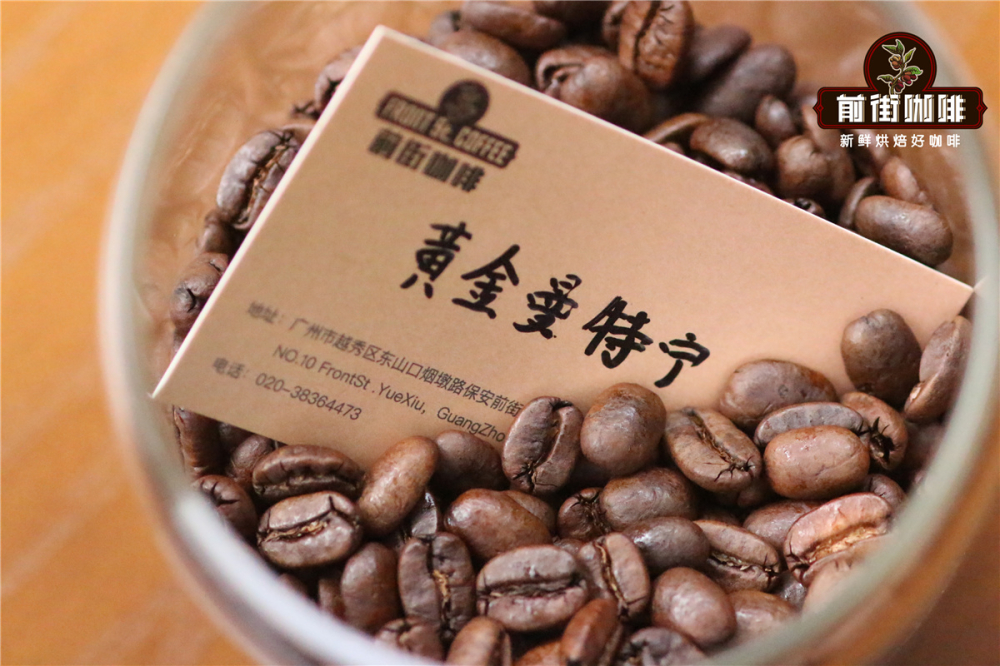
Once brewed, the Golden Mandheling emits a rich roasted hazelnut aroma even when grinding, with prominent caramel notes during the blooming phase. Upon tasting, the flavors of black chocolate, nuts, and caramel sweetness intermingle. As the temperature cools, herbal spices and subtle cedar notes gradually emerge. The aftertaste is long-lasting and balanced, with a rich overall flavor profile—making it a classic choice for experiencing the essence of Sumatran coffee.
The above content is compiled by CoffeeHunters, a coffee news website.


