







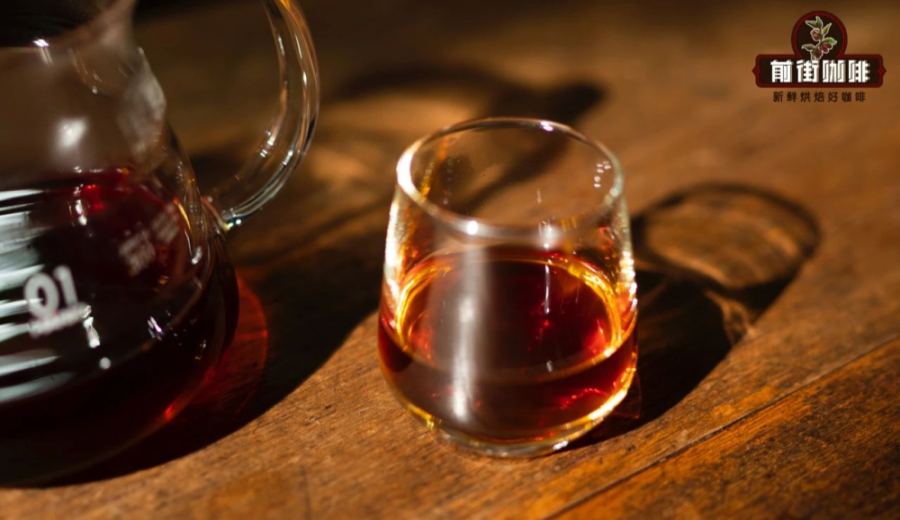
Introduction:The flavor of pour over coffee depends on several key parameters, including the coffee-to-water ratio, water temperature, grind size, and pouring technique—but simply knowing the numbers is far from enough. This article delves into how each parameter actually affects extraction, helping you understand the underlying principles and offering flexible adjustment strategies. Whether you’re a beginner or an experienced coffee enthusiast, you’ll gain methods for stable brewing and flavor optimization.
Many people assume that following a pour over recipe to the letter will yield identical flavors, but that’s not the case. Just like cooking, even the most detailed recipe can’t guarantee success if heat control or operational details vary. In the world of coffee, variables such as coffee dose, coffee-to-water ratio, grind size, water temperature, and pouring scheme all influence the final extraction outcome and flavor profile.
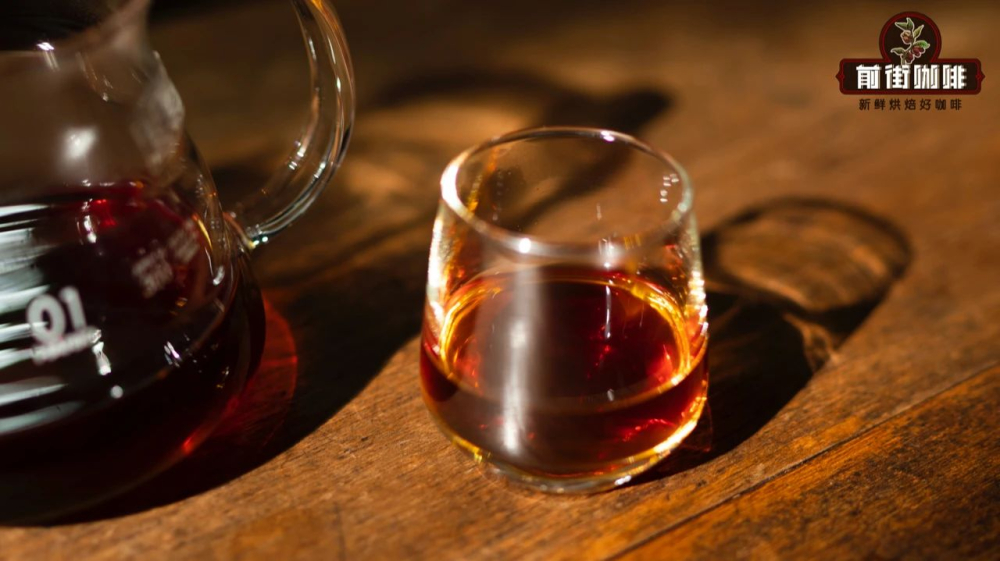
Imagine receiving a recipe from a master chef—if you don’t understand the reasoning behind each step, you might be at a loss when faced with real-world variations. The same applies to pour over coffee: only by grasping the function and adjustment logic of each parameter can you make appropriate fine-tunings based on actual conditions and thereby improve extraction issues.
First is the coffee dose. It may seem like it simply determines how much coffee you use, but in reality, changing the dose directly affects the total water volume, which in turn alters the overall extraction time. For example, if you adjust only the dose while keeping other parameters constant, the pouring time and flow rate will naturally change. However, the impact of dose on flavor is relatively indirect, mainly manifesting through changes in extraction time and concentration. Therefore, it’s recommended to decide the dose based on your usual coffee consumption rather than obsessing over specifics.
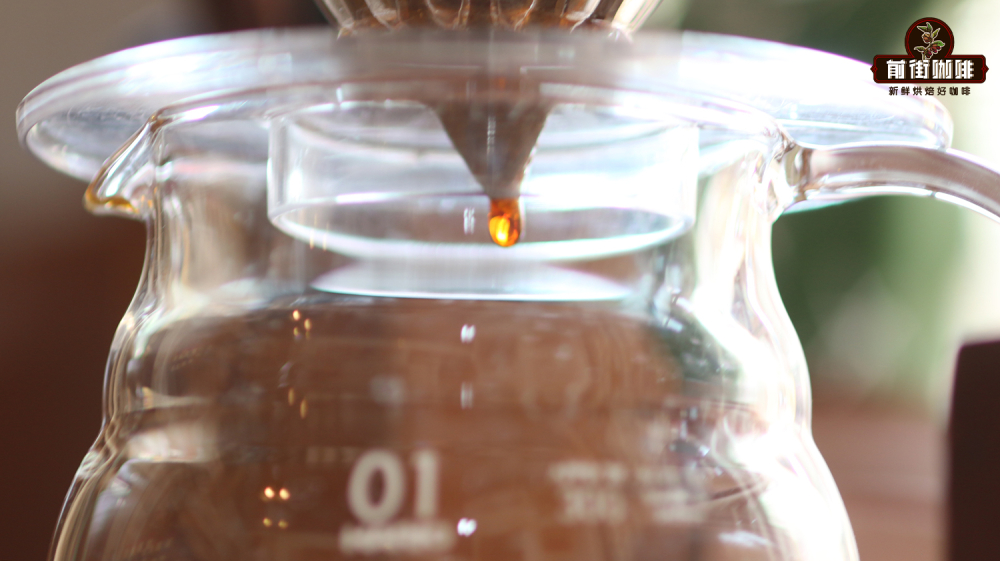
Note that the size of your filter cone limits the range of usable coffee doses. Take the common V60 01 filter cone, for instance—when the dose exceeds 25 grams, the original pouring scheme may cause water to overflow, necessitating adjustments to the pouring rhythm or segmentation. Conversely, too little coffee can also lead to uneven pouring and affect extraction uniformity. For further advice, refer to professional articles on this topic.
Regarding the coffee-to-water ratio, 1:15 is a golden ratio often used by baristas, but it’s by no means the only option. Preferences vary significantly across different drinking cultures. For example, in Japan and Taiwan, ratios between 1:10 and 1:13 were once popular, producing coffee with a richer, fuller body; whereas in the United States, lighter ratios between 1:17 and 1:20 are more favored, yielding a fresher, mellower flavor. Currently, the mainstream pour over range falls between 1:15 and 1:16, suitable for most coffee beans and taste preferences.
If you find your coffee tasting weak or lacking in acidity, you might be using too much water; conversely, if the coffee is overly intense with a short aftertaste, you may not be using enough. Adjusting the coffee-to-water ratio can effectively alter the strength and flavor layers of your coffee.
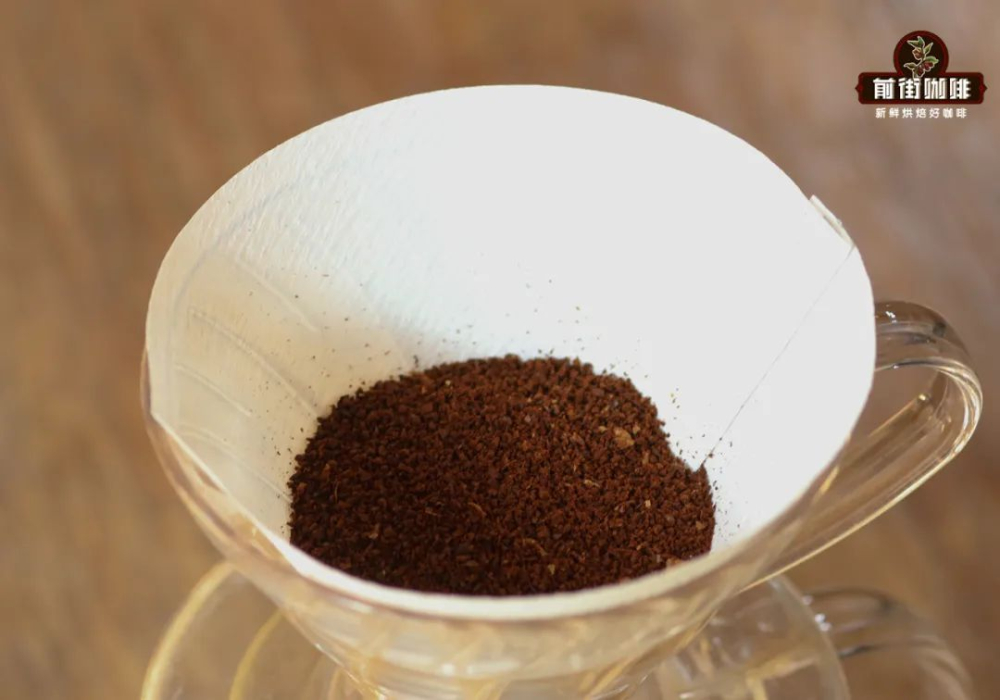
Grind size is one of the key factors affecting extraction efficiency, especially in drip-style brewing. The uniformity of the grind is crucial—if the particle size distribution is too wide (some grounds too coarse, others too fine), extraction becomes uneven, easily leading to over-extraction in some parts and under-extraction in others. Many people mistakenly blame channeling or slow drainage on incorrect grind settings, but the issue might actually stem from inconsistent grind uniformity. Using a sieve to remove extremely coarse or fine particles can help improve this.
Additionally, during drip filtration, extraction and filtration occur simultaneously. When the coffee is ground coarser, water passes through the bed more quickly, shortening extraction time; if the grind is finer, water flow is impeded, naturally extending extraction time. Thus, adjusting grind size not only affects flavor but also directly alters the overall extraction pace. If your coffee tastes noticeably bitter or off, try grinding coarser; if the flavor is too thin, grind finer.
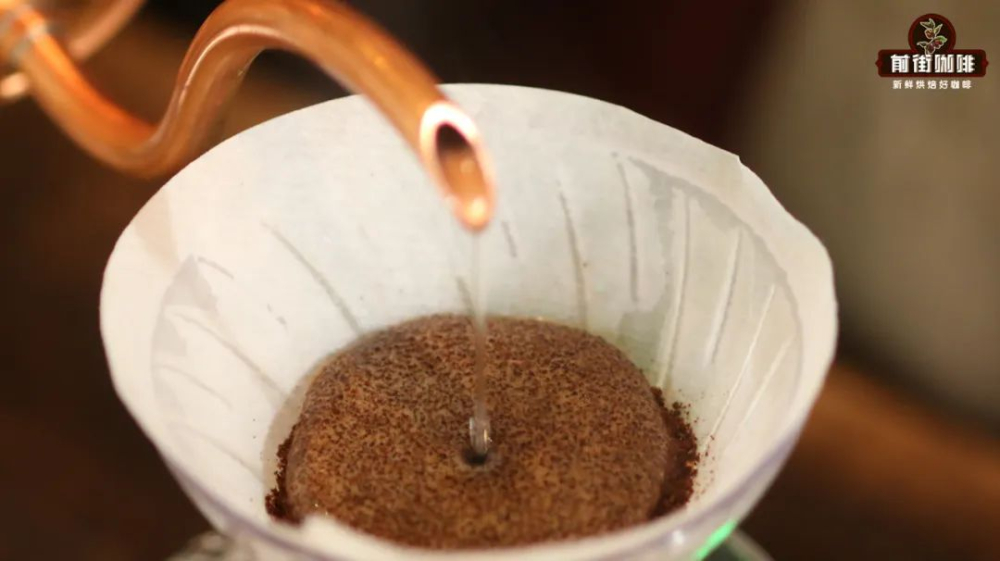
Water temperature is another variable that shouldn’t be overlooked. Generally, using boiling water at 100°C is not recommended, as it can extract excessive harshness and astringency. The industry-recognized ideal extraction temperature range is 86°C to 93°C, which fully highlights the coffee’s aroma and flavor layers without over-extracting. The advantage of adjusting water temperature is that it works independently without affecting other parameter settings. If you find your coffee lacking depth while other factors seem normal, water temperature is likely the culprit.
Finally, the pouring scheme is a more flexible parameter that needs to be adjusted based on actual conditions and the estimated extraction time. The number of pouring segments, the volume of water per segment, and the intervals between them can all be varied. For example, if you plan to complete extraction within 2 minutes but find that the first two segments of your original four-segment plan take too long, you can combine the last two segments into one to ensure the total extraction time isn’t too long or too short.
In summary, adjusting pour over coffee parameters is a technique that blends science and art. Familiarizing yourself with the role and interplay of each variable enables you to make the most suitable adjustments across different beans and brewing environments, further enhancing coffee quality and flavor expression.
The above content is compiled by CoffeeHunters, a coffee news website.


