







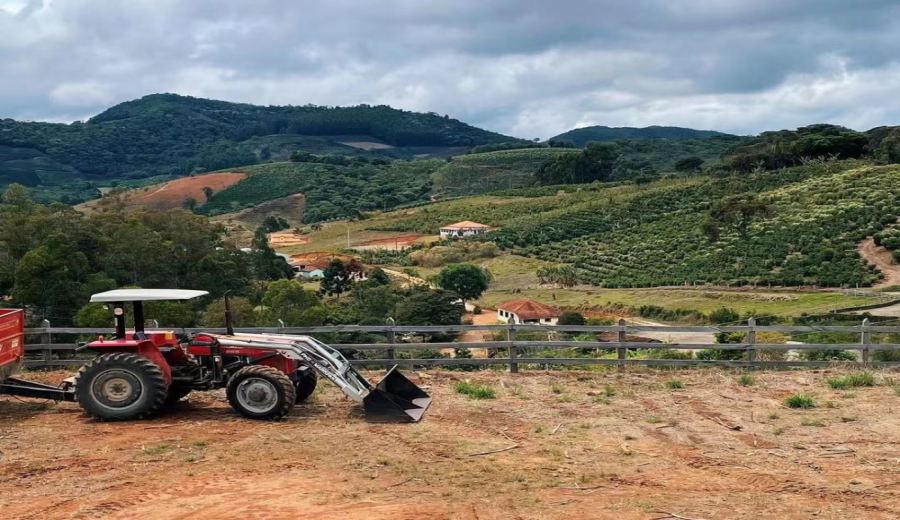
Introduction:Brazil is not only the world’s largest producer of Arabica coffee but also one of the key sources of specialty coffee. Its unique terrain and climate contribute to distinctive flavor profiles, while the pulped natural processing method is key to highlighting its rich notes of nuts, caramel, and chocolate. This article will delve into Brazil’s major producing regions, processing methods, and provide practical pour over parameters and techniques to help you master the brewing essentials of this classic bean.
Brazil is currently the world’s largest producer of Arabica coffee. In addition to supplying a large volume of commercial-grade beans, many of its regions are also renowned for producing high-quality specialty coffee. The country’s landscape is mostly characterized by gentle plateaus, lacking significant microclimates or strong day-night temperature variations, which results in Brazilian coffee having a flavor profile distinct from other Central and South American regions.
Due to these geographical conditions, Brazilian beans typically feature gentle acidity and rich flavors, with common tasting notes including nuts, caramel, and chocolate. Such styles are well-suited to medium-dark roasting to enhance their full-bodied and balanced mouthfeel. Based on these characteristics, we will comprehensively analyze Brazilian coffee from aspects such as growing environment, key regions, representative beans, pulped natural processing, to pour over extraction parameters.
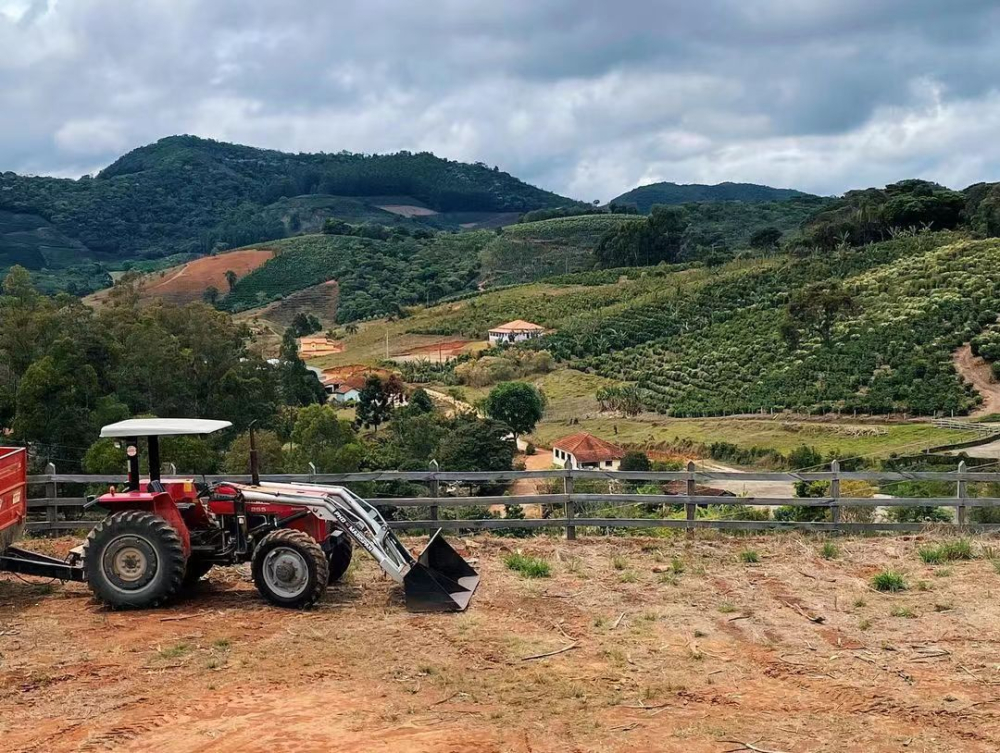
From a climatic perspective, about one-third of Brazil has a tropical rainforest climate, while the remaining two-thirds have a tropical savanna climate—conditions that are highly favorable for growing tropical crops like coffee. Leveraging this geographic advantage, Brazil has not only become a major global coffee exporter but also consistently ranks at the top in per capita coffee consumption and total production, earning it the title “Coffee Kingdom.”
However, unlike many Central and South American countries with complex terrains and pronounced microclimates, most of Brazil’s landscape is relatively flat, resulting in less noticeable day-night temperature variation and making it harder to cultivate coffee with highly complex and bright acidic profiles. As a result, Brazilian beans often present stable and balanced flavor profiles in cupping, with bright acidity being relatively subdued. Instead, they are dominated by rich aromas of nuts, caramel, and chocolate. To highlight these full-bodied traits, roasters often opt for medium-dark roasts to bring out their intense and layered taste structures.
Brazil’s coffee-growing regions can be broadly divided into two major topographic zones: the Brazilian Highlands, located in the central and southern parts of the country with elevations above 500 meters, and the lowland plains, concentrated in the northern and Amazon River basin areas with elevations below 200 meters. The main regions for specialty coffee are primarily situated in the central and southern highlands, including Mogiana and Centro-Oeste in São Paulo State, as well as Sul de Minas, Cerrado Mineiro, Chapada de Minas, and Matas de Minas in Minas Gerais State.
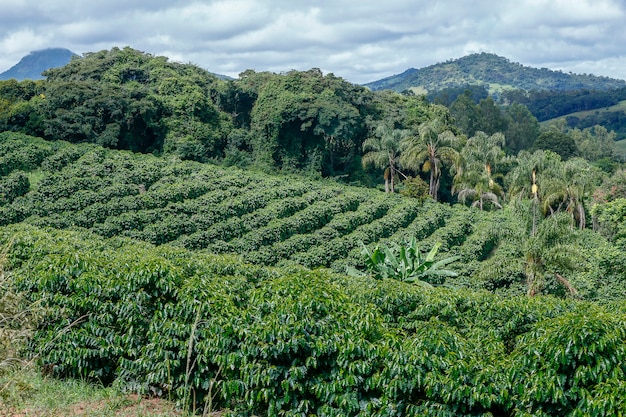
Commonly found in the market, premium single-origin Brazilian beans and espresso blend beans are often sourced from these high-altitude regions. For example, some beans come from the Red Bourbon-growing areas in the Cerrado region at around 1,000 meters altitude. This variety, under higher altitude conditions, often exhibits richer sweetness and complexity. Cerrado coffee frequently showcases pronounced nutty and caramel sweetness, sometimes accompanied by a chocolatey, full-bodied finish.
Another notable premium bean comes from Fazenda Rainha (Queen Estate) in the Mogiana region at an altitude of 1,400 meters. Covering an area of 280 hectares, with 200 hectares dedicated to cultivating the Yellow Bourbon variety, this farm is meticulously managed by agricultural engineer José Renato G. Dias. Yellow Bourbon, a mutation of Red Bourbon, generally delivers a softer flavor profile, with balanced and clean acidity, low bitterness, and clear sweetness, along with distinct nutty and chocolate characteristics. As a result, coffee from Fazenda Rainha often presents intense chocolate aroma, delicate nutty notes, and a sugarcane-like soft and bright sweetness, with a smooth and refined mouthfeel and a richly layered overall flavor.
Another defining feature of Brazilian coffee is its predominant processing method—the pulped natural process. This method differs from both traditional natural (sun-dried) and washed processes: first, the coffee cherry’s skin and pulp are removed, while some mucilage is retained, followed by sun drying. Compared to the traditional natural process, where the entire fruit (including skin and pulp) is processed and fermentation is less controllable, the pulped natural method allows for more precise control over the fermentation level of the mucilage after removing the outer fruit layers. Additionally, since it skips the “tank fermentation and water rinsing” steps of the washed process, pulped natural can be considered a processing method that lies between natural and washed.
It’s worth noting that the pulped natural process allows for a second screening step, effectively removing unripe green cherries. As a result, the final coffee beans generally have higher maturity and more uniformity, which helps improve flavor consistency and cleanliness. Compared to purely natural processed beans, pulped natural beans often exhibit a more even mouthfeel and a clearer, full-bodied core flavor.
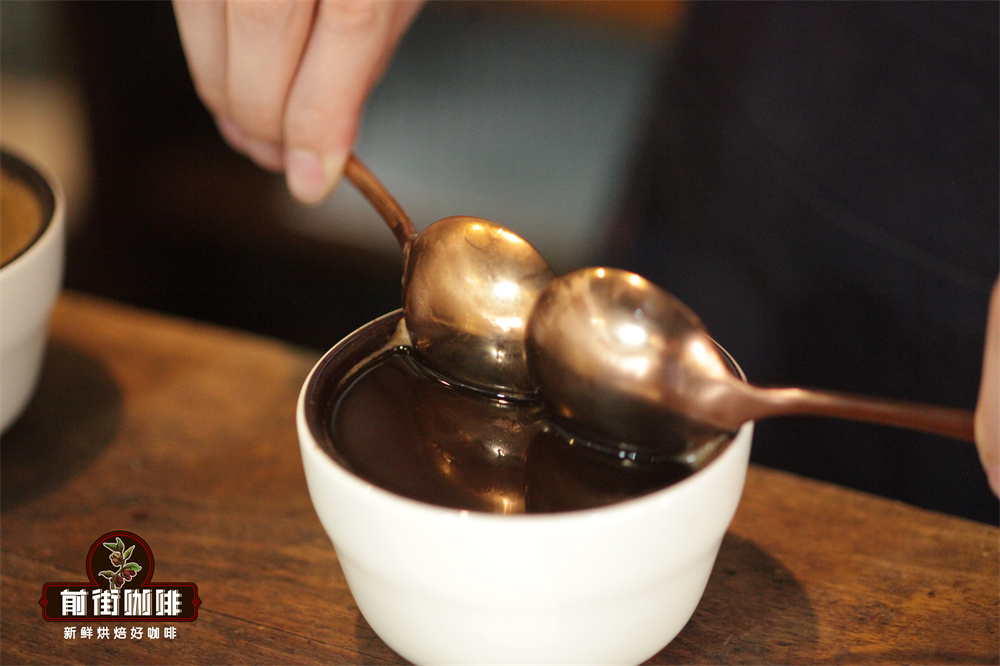
To brew high-quality Brazilian coffee at home, using freshly roasted beans is crucial. It is generally recommended to purchase beans shipped within 5 days of roasting to ensure optimal flavor. Given Brazilian coffee’s full-bodied and balanced characteristics, pour over is one of the brewing methods that best highlights its nuances.
It is recommended to use a Kono filter cone, with a water temperature set at 88°C, a coffee dosage of about 15 grams, a coffee-to-water ratio of 1:15, and a medium-fine grind (approximately 70-75% passing through a standard Chinese No. 20 sieve). In practice, a three-stage pouring method is advised: start with a 30-second bloom using 30 grams of water, then pour in a small circular motion until reaching 125 grams for the first pour, wait for the water level to drop slightly before continuing to pour up to 225 grams, and finally remove the filter cone just before the water level exposes the coffee bed. The total extraction time should be controlled between 2 minutes 05 seconds and 2 minutes 15 seconds. This helps fully extract the nutty, caramel, and chocolate flavors of Brazilian coffee, while maintaining a full-bodied and balanced mouthfeel.
The above content is compiled by CoffeeHunters, a coffee news website.


