







Introduction:Although Rwanda is a small African country, its high altitude and fertile volcanic soil nurture specialty coffee with great potential. This article delves into the historical background, geographical conditions, major planted varieties, and the details of washed processing techniques in Rwanda’s coffee-growing regions, with a special focus on the washed Red Bourbon from the Southern Province’s Nyanza sector, introducing you to its captivating flavor profile of berries, green tea, and fruity notes.
Located in Central Africa, Rwanda is a landlocked country surrounded by mountains and is often referred to as the “Land of a Thousand Hills.” The country features five volcanoes and numerous lakes, with abundant water resources. Its climate is temperate highland, with an average annual temperature of about 24.6 to 27 degrees Celsius — such an environment provides ideal conditions for growing specialty coffee.
Rwanda’s coffee industry dates back to the early 20th century during the German colonial period when the first coffee trees were introduced by missionaries. Later, under Belgian colonial rule, coffee cultivation expanded significantly. However, due to exploitative labor policies and low purchase prices, coffee quality remained low for a long time. It was not until the 1960s, after the country gained independence and established the official coffee management body OCIR, that attention gradually turned to coffee quality and industry development.
In the 1980s, Rwanda’s coffee production reached its peak. However, the ethnic conflicts and civil war in the early 1990s nearly paralyzed the entire industry. In recent years, with political stability and active government promotion, Rwandan coffee has once again gained international market attention for its high-quality washed beans, especially those from western and southern regions such as Nyamasheke.
In terms of varieties, Rwanda mainly grows three types: Bourbon, Catuai, and Catimor, all belonging to the Bourbon family. Bourbon is known for its pronounced sweetness and mild flavor, often featuring citrus and nutty notes; Catuai is a natural mutation of Bourbon, with higher yields but shorter tree stature; Catimor combines traits of Catuai and the Mundo Novo variety, offering stronger resistance to wind and rain and even higher yields. Cupping experience from certain coffee farms shows that Bourbon varieties perform particularly well in Rwanda’s high-altitude environment.
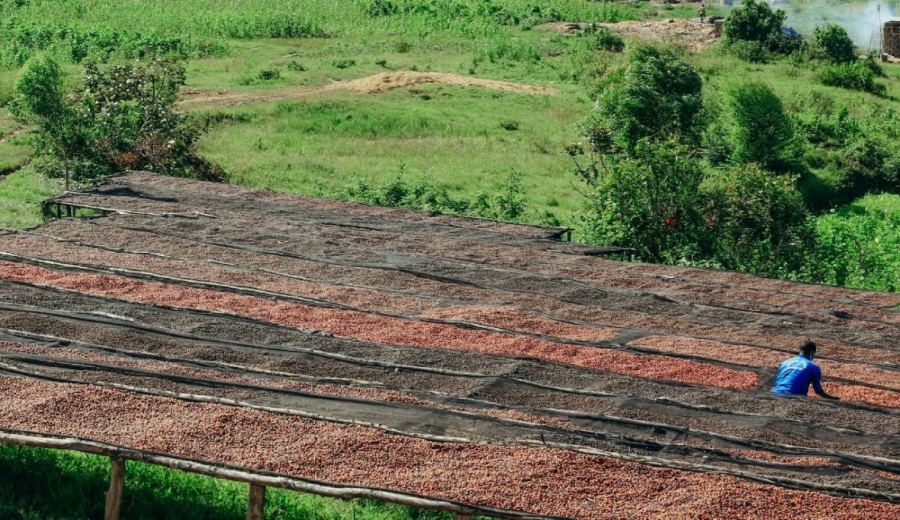
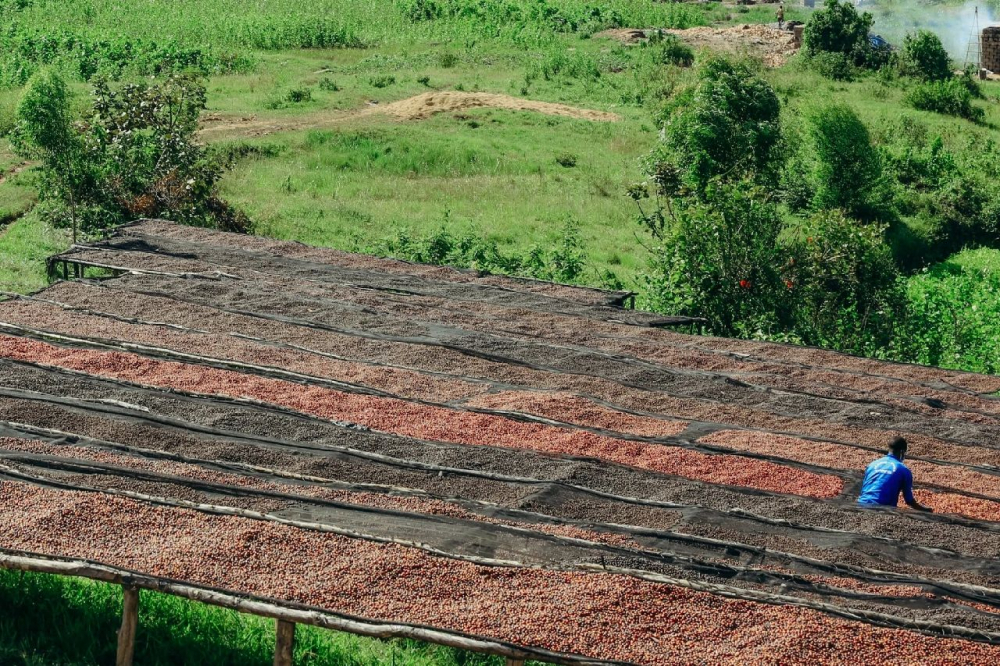
In terms of processing methods, Rwanda almost exclusively uses washed processing, which is a key reason why its coffee generally boasts high cleanliness and clear acidity. The washed processing procedure includes: flotation to remove unripe cherries, removal of pulp and flesh, mucilage fermentation, washing with clean water, and final drying either by sun or machine. Fermentation time varies depending on the climate, typically ranging from 12 to 36 hours, and drying must control moisture content between 11% and 13%, requiring constant turning to ensure evenness.
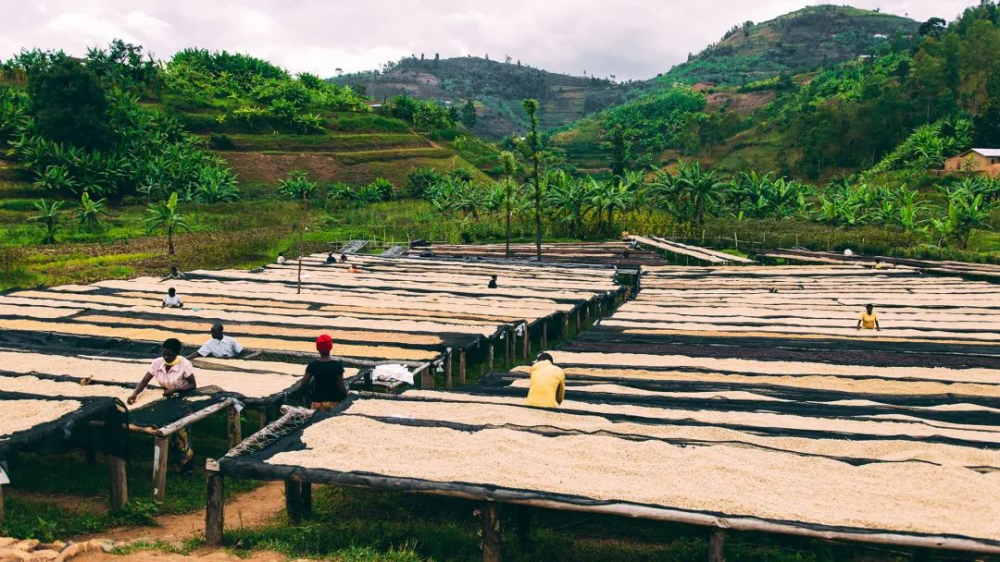
High-quality coffee in Rwanda mostly comes from the high-altitude regions of the south and west, including the Huye Mountains, Nyamagabe, and Nyamasheke near Lake Kivu. These areas generally sit at elevations between 1,500 and 1,800 meters, with large diurnal temperature variations and mineral-rich volcanic soils, which impart complex yet clear flavor characteristics to the coffee.
Among many regions, one brand, through long-term cupping data tracking, ultimately selected the washed Red Bourbon from the Nyamasheke region as its representative bean. This bean is grown at an altitude of about 1,500 to 1,700 meters, processed using the washed method, and of the Red Bourbon variety — named for the red color of the fruit when ripe, and known for typically accumulating more sugar and exhibiting softer acidity.
This washed Red Bourbon strictly controls fermentation and drying times during processing, paired with a medium-light roast curve to preserve its inherent flavors. It is recommended to cup the coffee 8 hours post-roast to accurately capture its aroma and flavor profile. During cupping, its dry fragrance carries fresh apple and green tea notes, accompanied by subtle floral hints. After brewing, the berry acidity is prominent, transitioning into the sweetness of apple and apricot, while the finish lingers with a clean aftertaste of green tea and fruitiness — the overall profile is very balanced and layered.
For brewing, a pour over method is recommended. The grind size should be medium-fine (such as BG 15-16), with water temperature controlled at 90 to 92°C. Using a Middle Eastern flow or three-pour technique helps achieve even extraction and highlights delicate fruit acidity and sweet aromas. This bean is not only suitable as a daily drinker but also an excellent entry point for exploring the terroir of Rwanda.
The above content is compiled by CoffeeHunters, a coffee news website.


