








Introduction:Latin America is a key region for specialty coffee production, encompassing well-known countries such as Panama, Colombia, Costa Rica, Brazil, and Honduras. This article will delve into the geographical environments, altitude conditions, main varieties, and processing techniques of these regions, while also guiding you through the unique flavor profiles of their coffee beans. Whether you're a beginner in pour over or an advanced coffee enthusiast, you’ll find recommended beans and flavor references tailored to your taste.
The world’s coffee-growing zones can be broadly divided into three major regions: Africa, Asia-Pacific, and Latin America, each with highly distinctive flavor profiles. Among them, Latin American coffee is renowned for its rich characteristics of chocolate and nuts, not only widely loved in the market but also a top choice for many pour over beginners. This article will take readers on a journey to explore core Latin American coffee-producing countries — including Panama, Colombia, Costa Rica, Brazil, and Honduras — analyzing their regional distribution, altitude characteristics, variety selection, and processing methods. Based on actual cupping experiences, it presents the diverse flavor expressions of these countries' coffee beans, ranging from soft and bright to bold and sweet.
According to global coffee-growing geography, the main regions can be categorized into three major blocs: Latin America (i.e., Central and South America), the Asia-Pacific region, and Africa. Among them, Latin America is known for its stable and layered mouthfeel, making it ideal for coffee lovers seeking balanced flavors. This article focuses on the Central and South American regions within Latin America, most of which are located in high-altitude terrains. These areas not only enjoy cool climates but also experience significant day-night temperature variations, which help coffee cherries mature slowly and accumulate richer flavor compounds.
Generally speaking, coffee in Central America is grown at altitudes of around 1600 to 1700 meters. The high-altitude environment brings notable day-night temperature differences, extending the maturation time of coffee cherries and thereby enhancing bean density and hardness. These factors result in Central American coffees typically having soft acidity, good cleanliness, and moderate body. However, a closer look at individual countries reveals distinct flavor differences. Below, we will introduce the regional characteristics and coffee profiles of five major producing countries: Panama, Colombia, Costa Rica, Brazil, and Honduras.

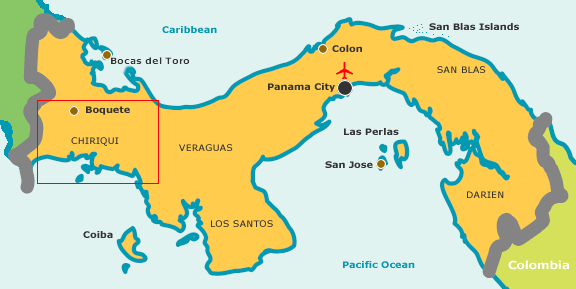
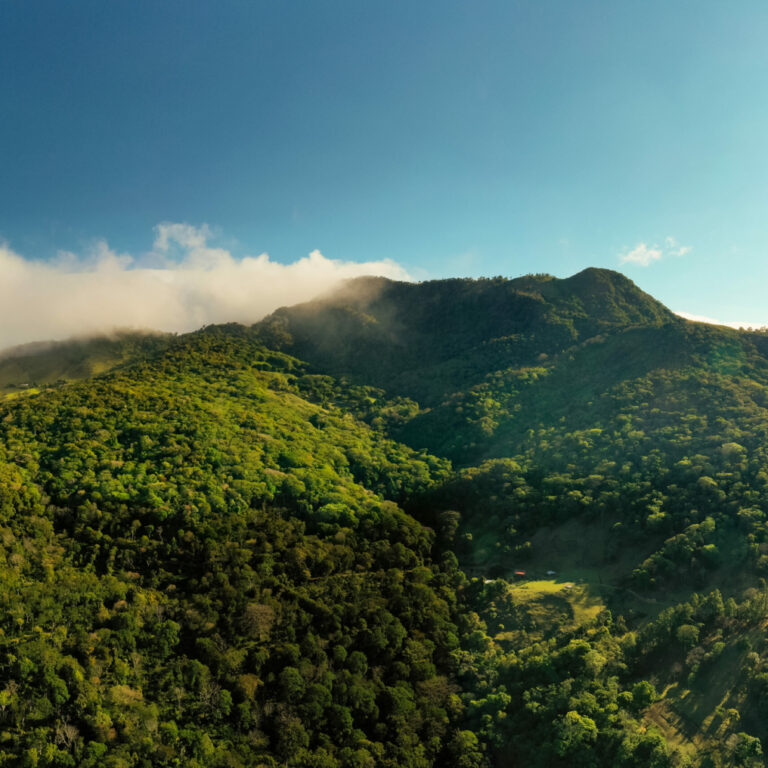
Panama is located at the southernmost tip of Central America, bordering Costa Rica and Colombia. Due to its unique geographical position, it forms diverse microclimates, giving rise to uniquely flavored coffees. Panamanian coffee beans are usually plump but relatively light in weight, with soft acidity and an overall balanced profile. Major producing regions include Boquete, Volcán, Santa Clara, and Piedra de Candela. Among them, Boquete sits at an altitude of about 1450 meters and is Panama’s primary specialty coffee region, home to numerous well-known farms; Volcán reaches even higher altitudes of 2000 to 3000 meters, gradually gaining attention for its mild and balanced flavors; Santa Clara benefits from its proximity to the canal, offering convenient logistics; and Piedra de Candela is regarded as a micro-region with high potential. Panama’s most famous coffees include the Geisha from the Esmeralda Estate in Boquete, and the wine-process beans from the Hartmann Estate in Volcán.
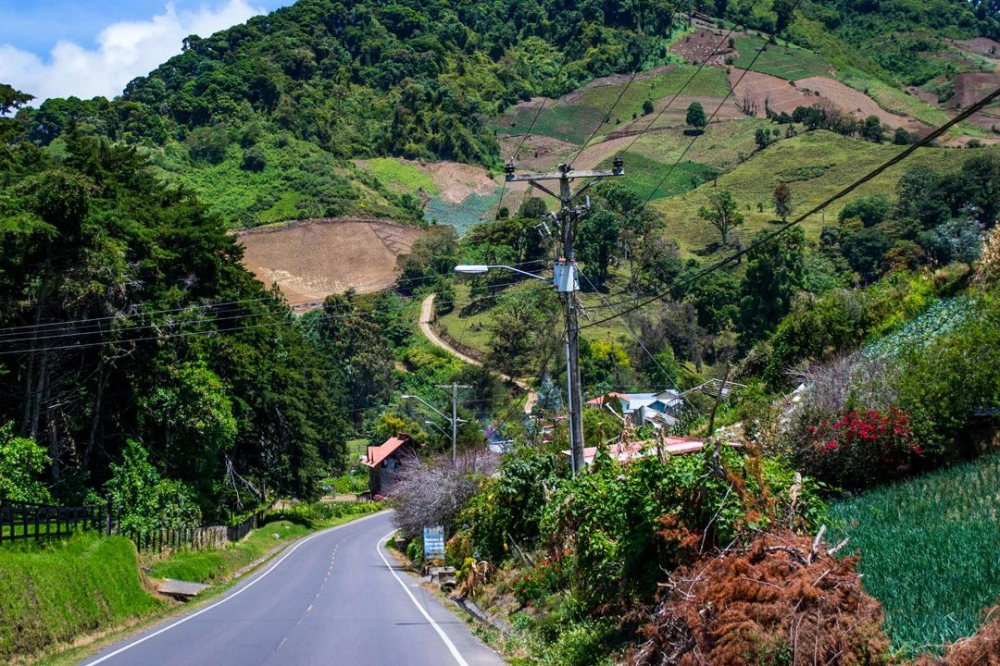
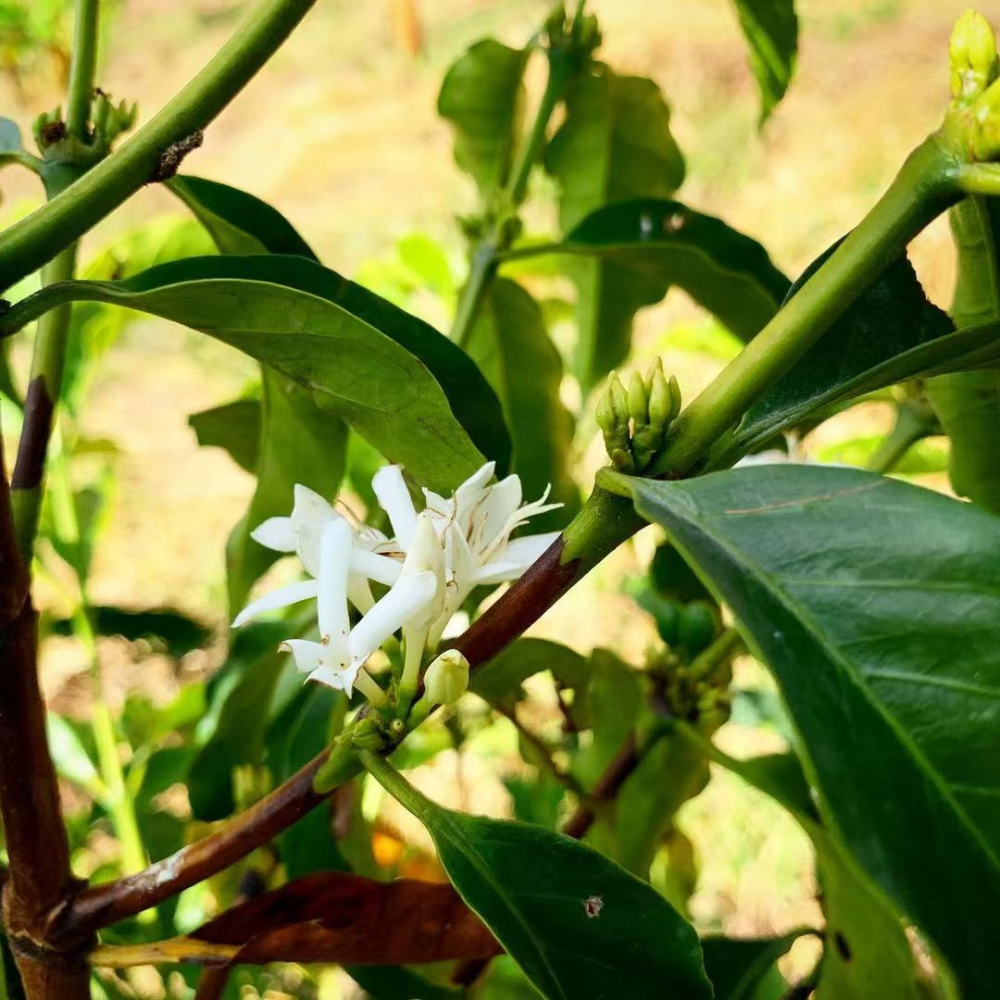
The Natural Green Label Geisha beans from the Hacienda Esmeralda are grown in Boquete, Panama, at an altitude of 1600–1800 meters. The variety is Geisha, and the processing method is natural (sun-dried). Its flavor profile features bright lemon acidity and jasmine floral notes upon entry, followed by passion fruit and strawberry juice-like sensations as it cools, with a honeyed sweetness lingering on the finish. The overall mouthfeel is smooth and full-bodied. The Geisha variety originated in Ethiopia but was initially overlooked due to low yields and its different appearance compared to typical Central and South American beans. It rose to fame in 2004 when Hacienda Esmeralda introduced it at the BOP competition, becoming one of the flagship varieties of global specialty coffee.
Coffee cultivation in Colombia can be divided into two major areas: central and south-central. The central region, at around 1000 meters altitude, is represented by MAM (Medellín, Armenia, and Manizales), producing coffee with low acidity, full body, and pronounced sweetness, with flavors similar to Indonesian Mandheling. The south-central region is home to several specialty coffee regions, such as Huila, Tolima, Cauca, and Nariño. These areas are mostly volcanic, with higher altitudes, and are producers of some of the world’s top-tier coffees. Among them, Huila Province, with planting elevations above 1500 meters and abundant water resources, grows coffee with flavors of nuts, chocolate, and caramel.
The Colombian Sidra beans are from the Huila region, grown at 1900 meters altitude, with the Sidra variety and anaerobic natural (anaerobic sun-dried) processing. Its flavor characteristics include a wet aroma with notes of passion fruit, grape, and apricot, an entry marked by tropical fruit fermentation sensations, and an almond-like finish. It is suitable for coffee lovers who enjoy fruity profiles and unique processing methods.
Costa Rica has eight major coffee-growing regions, among which Tarrazú and the Central Valley are the most well-known. Tarrazú is located south of the capital, San José, and is famed for its hand-picking practices and rigorous quality control. The beans are full-bodied, with flavors dominated by chocolate and nuts, moderate acidity, and a smooth mouthfeel. The Central Valley is situated on a plateau, supplied with fertile soil from three volcanoes, along with moderate annual rainfall and cool temperatures, resulting in coffee with prominent chocolate aromas, soft acidity, and rich sweetness.
The Costa Rican Musician Series Beethoven beans are from the Finca Carretos in Tarrazú, grown at 1900 meters altitude, with the Yellow Catuai variety and washed processing. Its flavor profile includes strawberry sweetness and citrus acidity, paired with floral notes and an almond finish, delivering an overall performance as light and harmonious as a musical movement. The Blackberry beans, also from Tarrazú, come from the Caturra variety, processed with black honey, grown at 1700 meters and classified as SHB grade. They exhibit distinct layers of flavor, with berry notes, fermented wine aromas, and honey-like sweetness.
Brazil, with its relatively low altitude and flat terrain, lacks significant microclimates. Its coffee is known for low acidity, full body, and rich chocolatey sweetness. Major producing regions include Minas Gerais, São Paulo, Bahia, and Espírito Santo. Among them, Minas Gerais’ Cerrado and Sul de Minas are celebrated for their high altitudes and elegant Bourbon varieties. Cerrado ranges from 1100 to 1300 meters in altitude, producing coffee that is sweet, full-bodied, and free from earthy tones; Sul de Minas, thanks to its hillside slopes and day-night temperature differences, is suitable for cultivating Bourbon and Yellow Bourbon, yielding refined flavors.
The Brazilian Red Bourbon beans are from the Cerrado region, grown at 1000 meters altitude, with the Red Bourbon variety and semi-washed (pulped natural) processing. Their flavors showcase distinct sweetness and lemon aroma, with black chocolate notes emerging in the latter part, resulting in an overall rounded mouthfeel. The Queen Estate Yellow Bourbon, grown in São Paulo State at 1400–1950 meters, is processed with either semi-washed or natural methods, offering sugarcane-like sweetness along with strong nutty and dark chocolate notes in the finish. It suits drinkers who prefer sweet and aromatic profiles. The semi-washed process, situated between natural and washed methods, enhances bean ripeness and cleanliness, and is one of the common processing techniques in Brazil.
Honduras features mountainous terrain with abundant microclimates and high-altitude environments, making it an important specialty coffee origin in Central America. Major producing regions include Copán, Opalaca, Montecillos, El Paraíso, Agalta, and Marcala, with planting altitudes mostly above 1100 meters. Honduran coffee is characterized by flavors of nuts, cream, chocolate, and walnuts. Among them, the Copán and Marcala regions have gained attention for their special processing methods.

The Honduran Washed Caturra beans are from the Copán region, grown at 1250 meters altitude, with the Caturra variety and washed processing. Their flavor profile includes notes of nuts, cream, chocolate, and walnuts, with a mild and smooth mouthfeel. Red Caturra is a natural mutation of the Bourbon variety, featuring higher disease resistance and delicate acidity. Suitable for high-altitude planting, its flavors are soft and highly compatible with most other varieties, making it a common choice in blended coffees.
The above content is compiled by CoffeeHunters, a coffee news website.


