







Category: Coffee Knowledge
Introduction to Guatemala’s Eight Major Coffee Regions: A Comprehensive Guide to Antigua and Huehuetenango Pour Over Flavors and Processing Methods
Guatemala is one of the world’s most renowned specialty coffee origins, boasting eight distinct coffee-growing regions. This article delves into the terroir, varietal characteristics, and processing techniques of two well-known regions—Antigua and Huehuetenango—and shares pour over recommendations and extraction parameters to help readers better understand the unique flavors of these regions’ coffees and master practical tips for selection and brewing. [more…]

Panama vs. Guatemala Geisha Beans: A Comprehensive Analysis of Regional Flavors, Auction Backgrounds, and Pour Over Recommendations
Both Panama and Guatemala are renowned for their Geisha coffee, yet each showcases distinctly different flavor profiles. This article delves into the growing environments of both regions, shares the stories of representative farms, compares their auction histories and cupping characteristics, and provides practical pour over parameters and roasting recommendations to help you choose the most suitable Geisha beans based on your taste preferences. [more…]
Analysis of Indonesian Sumatra Mandheling Flavors and Recommended Gift Coffee Beans
Indonesian Sumatra Mandheling is renowned for its rich and deep flavor profile, making it a classic choice among many coffee enthusiasts. This article will guide you through the unique flavor characteristics of this Asian specialty coffee, and recommend two highly acclaimed Mandheling products on the market — from entry-level to premium selections — both perfect for personal enjoyment or as a gift. It also includes practical flavor analysis and roasting suggestions. [more…]
In-depth Analysis of Sumatra Mandheling Roast Levels & High-Value Brand Recommendations – Suitable for Both Pour Over and Espresso
Sumatra Mandheling is renowned for its rich and full-bodied flavor, making it a top choice for many coffee enthusiasts exploring Asian beans. But does dark roasting best highlight its characteristics? This article delves into the roast suitability of Mandheling, and carefully selects two popular, high-cost-performance Mandheling coffee beans on the market. From flavor profile, body, cleanliness to suitable brewing methods, we provide a detailed analysis to help you find the one that suits you best. [more…]
In-depth Analysis of Nicaraguan Tianci Estate Coffee Beans: Caramel Flavor, Processing Method & Pour Over Recommendations
The COE-winning coffee beans from Nicaragua’s Tianci Estate are renowned for their unique caramel and hazelnut-chocolate flavors, making them ideal for coffee lovers who enjoy mild acidity and a sweet aftertaste. This article will guide you through the geographical advantages of the Dipilto region where the estate is located, the unique processing method that combines pre-washed and sun-dried steps, as well as the bean’s performance at a medium roast level. We also provide practical pour over recommendations to help you fully appreciate this premium-grade coffee. [more…]
Comparison of Flavor Profiles: Brazilian Red Bourbon vs. Yellow Bourbon | Recommended Natural Yellow Bourbon Beans & Brewing Tips
An in-depth analysis of how the variety origins, cultivation conditions, and processing techniques of Red Bourbon and Yellow Bourbon from Fazenda Rainha (Queen Estate) in Brazil influence their flavor profiles. This article covers aspects from planting altitude and processing methods to cupping characteristics, helping coffee enthusiasts distinguish between these two major Bourbon varieties. It also highlights a recommended natural processed Yellow Bourbon from the Minas Llicinea region, showcasing its unique sweetness and nutty-chocolate notes, along with practical bean selection and pour over brewing advice. [more…]
Flavor Analysis of Ethiopian Natural Sidamo Shakiso & The Red Cherry Project Unveiled
This article provides an in-depth analysis of a single-origin coffee bean from Ethiopian Natural Sidamo Shakiso, launched by a certain coffee brand. It comprehensively deconstructs its complex flavor profile—where captivating berries, wine-like aromas, and tea notes intertwine—by exploring the growing region’s geography, the cooperative farming conditions, as well as the green bean characteristics and roast reactions. It also unveils how a certain bean selection program, through its rigorous selection mechanism and technical support, helps smallholder farmers improve quality. This allows the coffee to exhibit explosive fruitiness in light to medium roasts, while also revealing rich cocoa layers in darker roasts. [more…]
Ethiopia Yirgacheffe Kochere G2 Washed Beans: A Complete Guide to Flavor Profile & Grading System
An in-depth exploration of the unique flavor characteristics of Ethiopia Yirgacheffe Kochere Estate washed G2 coffee beans, including its prominent lemon notes and mid-palate reminiscent of fruity black tea. This guide also explains Yirgacheffe’s defect-rate-based grading system—as opposed to bean size—and examines the differences and selection tips among grades G1 to G3. Additionally, it shares the historical background and business model of the Kochere region, along with practical insights on sourcing high-quality G1 micro-lot beans. [more…]
How to Brew Panamanian Geisha Hacienda La Esmeralda Flower Dance Coffee Beans? Recommended Grind Size and Water Temperature for Pour Over
The Flower Dance coffee beans from the Boquete Highlands in Panama blend three varieties—Geisha, Caturra, and Catuai—offering a high-level balance of acidity and sweetness with delicate floral notes. This article delves into the background of the growing region, the characteristics of the bean varieties, and provides practical recommendations for grind size, water temperature, and coffee-to-water ratio for pour over brewing, helping you easily extract a smooth, rich, and layered cup of coffee. [more…]

A Guide to the Six Major Coffee Regions of Honduras | Complete Analysis of Wine Barrel Fermentation and Pour Over Parameters
As the largest coffee-producing country in Central America, Honduras boasts a diverse range of altitudes and climatic conditions, giving rise to distinctive highland flavors. This article delves into the geographical environments, bean varieties, and post-harvest processing methods of the country’s six major regions, with a special focus on how whiskey barrel fermentation imparts rich wine-like aromas to the coffee. It also provides professional pour over recommendations and cupping references, offering you a comprehensive understanding of Honduras' specialty coffee—from origin to cup. [more…]

How to Choose a Coffee Grinder? Differences Between Flat, Conical, and Burrs with Practical Grind Size References
Faced with the wide variety of grinders on the market, many coffee enthusiasts often don’t know how to choose. This article starts with burr types, providing a detailed analysis of the structural principles, particle characteristics, and their actual impact on extraction and flavor for flat, conical, and burr grinders. It also offers practical grind size recommendations for popular models such as the Komodo, Hario Mini Mill, and Zhènghuǎngháng, helping you select the most suitable grinding combination based on different brewing methods and taste preferences. [more…]

Unveiling Korean Coffee Culture: From 350,000 Certified Baristas to the Evolution of Gangnam-Style Cold Brew
Korea’s coffee market is renowned worldwide for its astonishing number of professional certifications and unique consumer habits. With over 350,000 certified baristas and 147 internationally accredited training centers, this article takes you deep into six defining features of Korean coffee culture—from must-order extra-hot lattes and cinnamon cappuccinos to Gangnam-style Americanos and Dutch cold brew techniques. We analyze the historical context and market logic behind these trends to help you master key details in serving Korean customers. [more…]
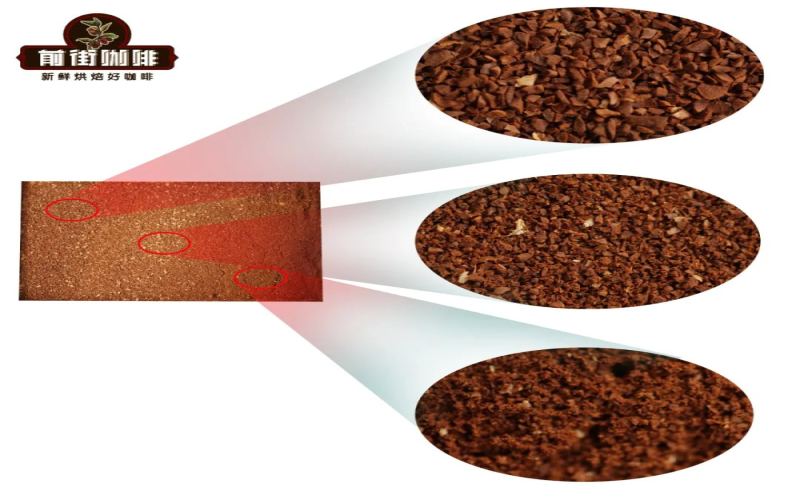
How to Determine the Grind Size for Pour Over Coffee? A Comprehensive Guide from Cupping Standards to Practical Adjustments
The flavor expression of pour over coffee largely depends on the precise control of grind fineness. This article starts with the professional cupping standard of a #20 sieve, guiding you on how to judge grind size through sieve percentage, and analyzing the impact of grinds that are too coarse or too fine on extraction. It also provides practical calibration steps, teaching you how to adjust parameters based on roast level, and further fine-tune by observing the dripping speed—so you can consistently brew richly layered pour over coffee at home. [more…]

Cold Drip Coffee vs. Cold Brew Coffee: Brewing Principles, Flavor Analysis, and Purchasing Tips
Both cold drip and cold brew are representative methods of low-temperature coffee extraction, but they differ significantly in brewing techniques, extraction time, and final flavor profiles. This article provides an in-depth analysis of their historical backgrounds, extraction principles, and operational details. Using a light-roasted Ethiopian Santa Vini bean as an example, it offers a practical comparison of the flavor contours and taste differences between the two types of coffee, helping you choose the one that best suits your personal taste preferences. [more…]
Beginner's Guide to Coffee Latte Art: Milk Frothing Techniques & Step-by-Step Heart & Leaf Patterns
To learn coffee latte art, start by mastering milk foam quality and basic pouring skills. This guide breaks down everything for beginners—how to create fine-textured milk foam, and step-by-step instructions for pouring heart and leaf patterns. From espresso extraction, milk temperature control, steam wand techniques, to adjusting the angle and flow rate of the pitcher, we’ll fully dissect each key step to help you quickly gain professional-level coffee latte art skills. [more…]
A Complete Map of Ethiopian Coffee Growing Regions | Flavors and Cultivation Secrets of Yirgacheffe
Ethiopia is not only the birthplace of coffee but also home to some of the world’s top coffee-growing regions and diverse flavor profiles. This article delves into the main coffee-growing areas of Ethiopia, the coexistence of traditional and modern cultivation methods, the differences between washed and natural processing, as well as a detailed grading system. It also highlights the unique flavor profiles of renowned regions like Yirgacheffe, offering you a comprehensive understanding of Ethiopian coffee — from origin to cup. [more…]
Panama Hartmann Estate Wine Process Coffee: A Century-Old Family and Its Flavor Secrets
Take an in-depth look at Panama’s Chiriquí Province to explore Hartmann Estate, and discover how this five-generation coffee family rose from turmoil to create premium beans with intense flavors using a unique wine process. This article details the estate’s historical background, cupping and quality control processes, as well as the fruity and full-bodied taste brought by the wine fermentation technique—giving you a comprehensive guide to selecting and brewing this pour over coffee. [more…]
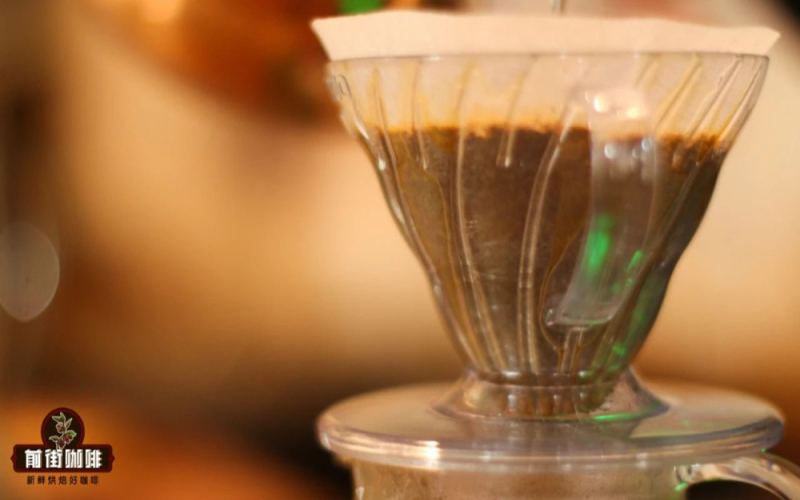
Essential Guide for Pour Over Beginners: Choosing a V60 Dripper & Using Filter Paper
Just getting started with pour over coffee? Feeling overwhelmed by the types of drippers and choices of filter paper? This guide starts with the structure and function of drippers, explaining why the V60 is the top choice for pour over beginners. We’ll explore the extraction differences among conical, fan-shaped, and flat-bottom drippers, and also clarify whether you need to pre-wet your filter paper, as well as the secrets to choosing between bleached and unbleached filters—helping you take your first confident step into the world of pour over coffee. [more…]
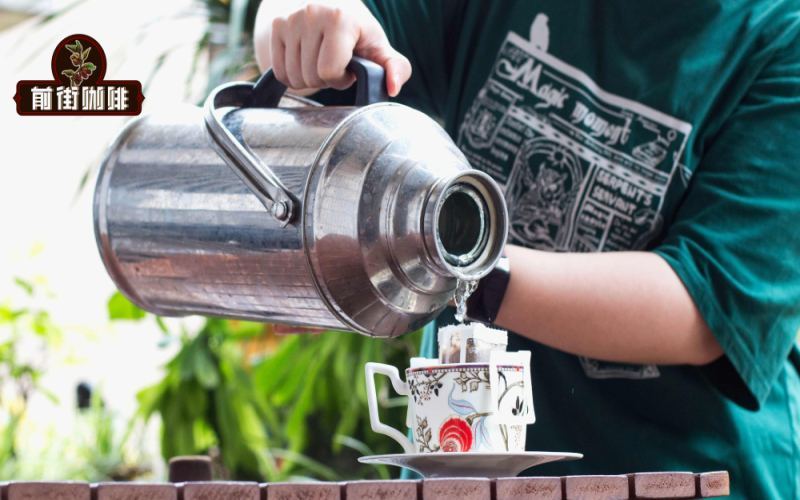
How many times is it best to brew a drip bag coffee? Optimal extraction from chlorogenic acid and popular bean flavor choices
Drip bag coffee, with its convenience and good flavor, has become the first choice for many coffee beginners. But many people often wonder: how many times can one drip bag be brewed? This article delves into why drip bags are generally recommended for only one brew by analyzing the soluble components in coffee beans—especially the extraction characteristics of chlorogenic acid—and shares the flavor profiles and suitable audiences of popular regional beans such as Blue Mountain, Brazil, and Mandheling, helping readers master the correct brewing method and avoid off-flavors or under-extraction. [more…]
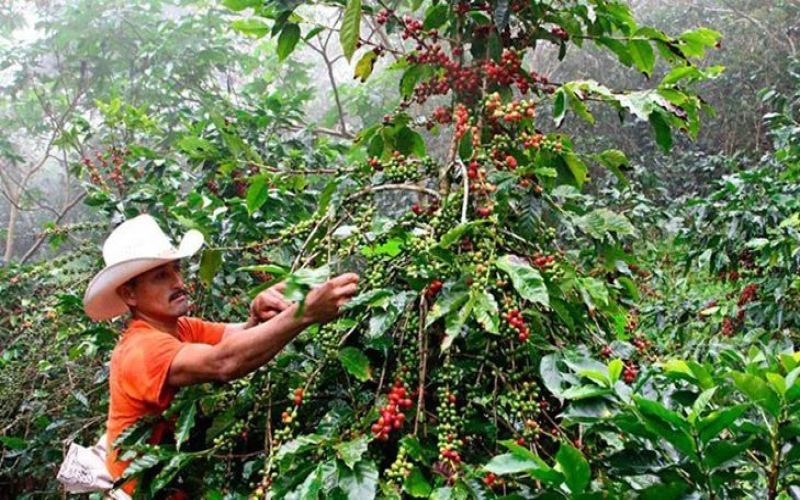
The Evolution of Honduras' Coffee Industry & Pour Over Parameters: A Complete Guide to the Flavors of 6 Major Growing Regions
From obscurity in the late 20th century to becoming one of the world’s top ten Arabica-producing regions, what lies behind Honduras coffee’s remarkable rise? This article not only traces the development trajectory of Honduras’ coffee industry but also delves into the flavor profiles of six core growing areas. Combined with practical pour over experience, it provides comprehensive extraction parameters—including water temperature, grind size, and brew ratio—to help everyone from beginners to advanced enthusiasts master this rising star of Central American coffee. [more…]