







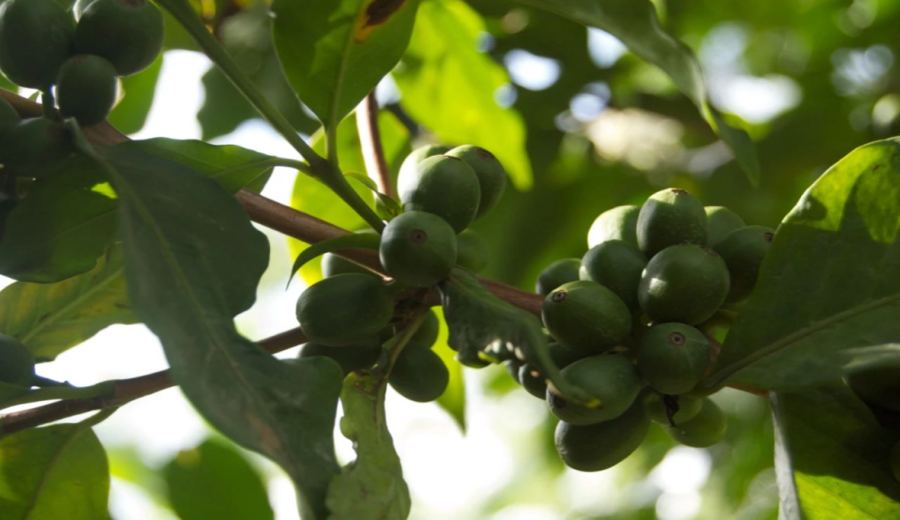
Introduction:Kenyan coffee is renowned for its bright acidity and rich berry aroma, qualities that stem from its unique varietal genetics and meticulous processing methods. This article will delve into Kenya’s geographical conditions, six major producing regions, the characteristics of classic SL28 and SL34 varieties, as well as the K72 washed process that shapes its distinctive flavor. Practical pour over parameters and flavor experiences are also provided to help you fully grasp this vibrant specialty coffee bean.
Although neighboring Ethiopia—the birthplace of coffee—Kenya did not begin commercial coffee cultivation until the early 20th century. Yet within just a few decades, Kenya distinguished itself with high-quality specialty coffee, becoming a focal point for coffee enthusiasts worldwide. The country lies on the equator and is bisected by the East African Rift Valley, with volcanic plateaus ranging from 1600 to 2100 meters above sea level, providing an almost ideal environment for coffee trees.
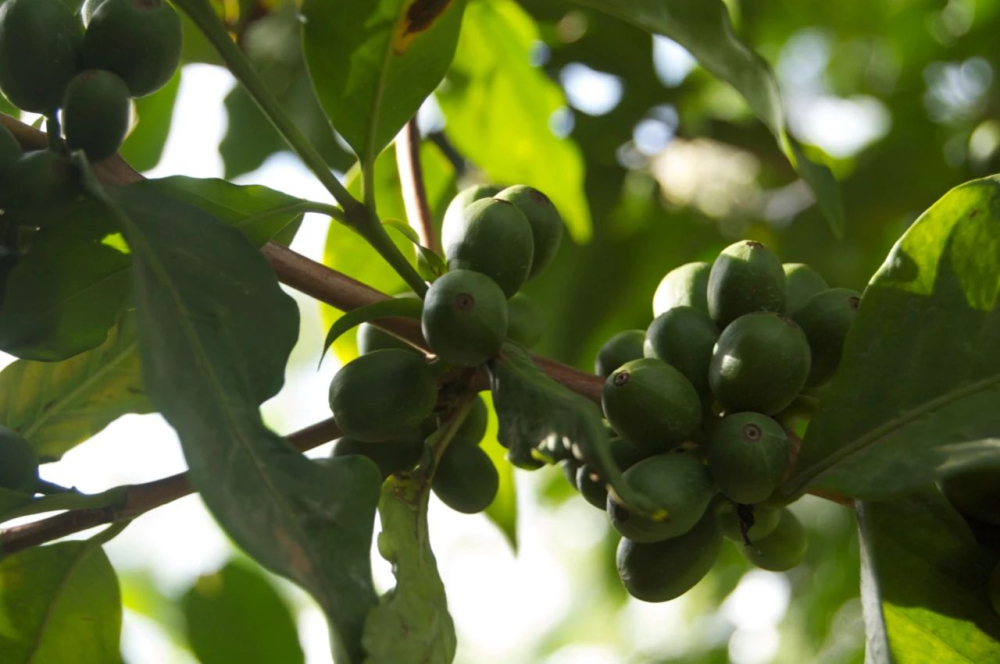
Located in East Africa with the equator running through it, Kenya is predominantly a plateau region with an average elevation of about 1500 meters. Thanks to its unique geography, the country experiences two distinct rainy seasons each year, allowing for two coffee harvests annually. The main coffee-growing areas are concentrated around the capital Nairobi and near Mount Kenya, typically within volcanic zones at elevations between 1600 and 2100 meters. The cool climate at high altitudes slows the ripening of coffee cherries, aiding in the accumulation of flavor compounds, resulting in beans often characterized by more pronounced acidity and a solid mouthfeel.
Dating back to the late 19th century, French missionaries introduced Bourbon variety coffee seeds from Bourbon Island (now Réunion) to the coastal regions of Kenya. Historical records indicate that John Paterson, representing the Scottish Mission, brought these seeds into Kenya in 1893, with the first planting occurring in 1896 in the fertile Kiambu-Kikuyu area. By 1912, coffee plantations spanning hundreds of acres had emerged, primarily cultivating Bourbon and Kent varieties. After Kenya gained independence in 1963, local farmers continued to produce high-quality coffee using years of accumulated experience and techniques, with over half of the coffee production still coming from smallholder farms today.
Kenya places great emphasis on coffee variety development, among which SL28 and SL34 are representative of the country’s coffee. Both varieties originated from the breeding program at Scott Laboratories, which, in response to the coffee berry disease outbreak in the 1930s, was dedicated to developing disease-resistant varieties with good flavor profiles. SL28 and SL34 stood out among numerous experimental varieties; the former exhibits remarkable drought resistance, while the latter also excels in flavor, leading to their continued widespread cultivation to this day.
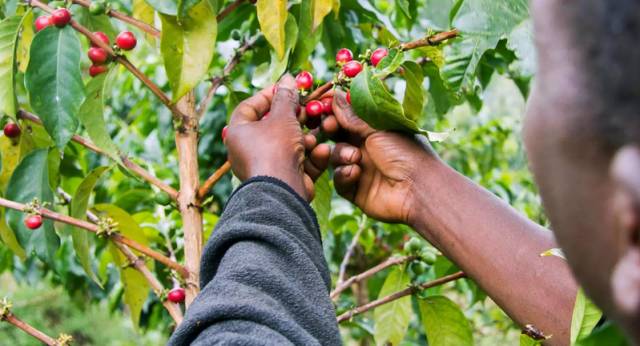
The SL28 variety typically features pronounced wine-like high acidity, a rich and layered mouthfeel, with common flavor notes including dark berries and bold fruitiness. SL34, on the other hand, has a slightly different genetic background, incorporating elements of French Mission, Bourbon, and some Typica genes. Its leaves display a distinctive copper color, and the bean shape resembles that of a broad bean. When brewed, SL34 often showcases a more balanced sweetness, complex fruit tones, along with prominent citrus and dark plum flavors.
Kenya’s six major coffee-producing regions are: Thika, Kirinyaga, Mt. Kenya West, Nyeri, Kiambu, and Muranga. Among them, the central regions of Thika, Nyeri, Kirinyaga, Muranga, and Kiambu collectively account for approximately 60% of total production. These regions all feature fertile volcanic soils, ample sunlight, moderate rainfall, and elevations mostly between 1400 and 2000 meters, with temperatures maintained between 15 and 24 degrees Celsius. Such conditions allow coffee cherries to fully develop bright and vibrant fruity acidity.
Kenyan coffee is celebrated for its distinctive berry tones and complex fruit aromas. Its acidity is both intense and refined, paired with a sweet juice-like quality that leaves a lasting impression. This flavor profile is not only related to the phosphate content in the local soil but is also inseparable from Kenya’s proud K72 washed process. Renowned for its precision and time-intensive approach, this method enhances the coffee’s cleanliness and flavor layers through prolonged fermentation and multiple washes.
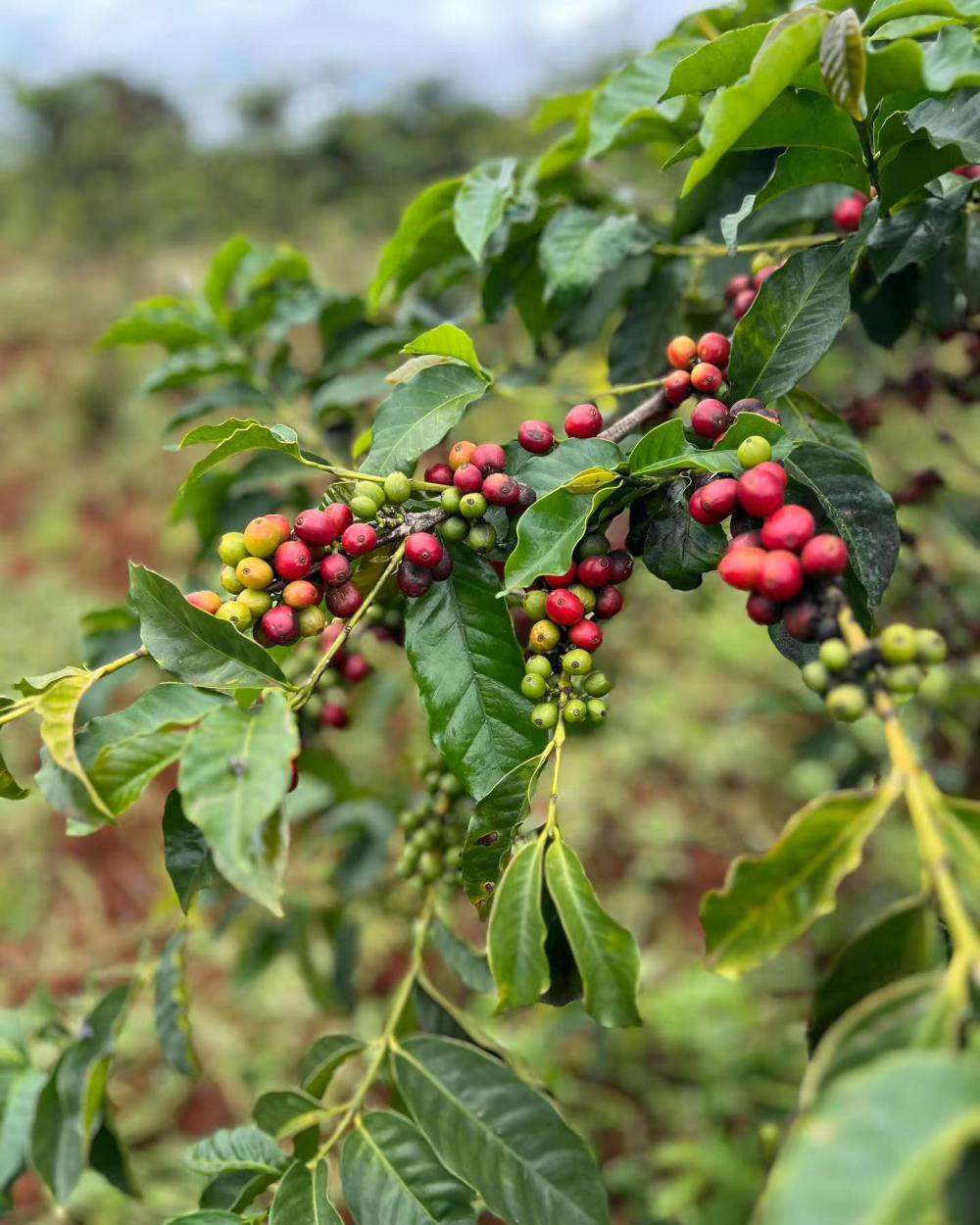
Many coffee enthusiasts are first drawn to Kenyan coffee because of its unforgettable berry and fruity acidity flavors. To experience it firsthand, it is recommended to choose AA-grade beans cultivated from SL28 and SL34 varieties and processed via the K72 washed method—beans that often represent the highest quality standard of Kenyan coffee.
If you wish to brew Kenyan coffee at home, here is a set of practical and proven pour over recommendations: use a 1:15 coffee-to-water ratio, with 15 grams of coffee grounds and a total water volume of 225 milliliters. Water temperature should be controlled between 90℃ and 91℃, and grind size can be compared to that of fine sugar or adjusted to setting 10 on a grinder such as the EK43s (approximately 80% passing rate through a standard 20-mesh sieve). For brewing, a three-stage extraction method is advised: first, place the ground coffee into the filter paper, then pour 30 grams of water starting from the center for a 30-second bloom, maintaining a gentle flow and evenly circling from inside out. Next, add 95 grams of water in the second stage, and when the coffee liquid is nearly drained, proceed with the third stage of pouring 100 grams of water until all the coffee liquid has filtered through. The total brewing time is approximately 2 minutes, with an allowance of about 10 seconds variation.
Using the above parameters for brewing, Kenyan coffee typically presents flavors of dark plum and cherry tomato, with a noticeable and full-bodied acidity upfront. The mid-palate offers a clear sweetness, reminiscent of the juicy taste of black plum, while the finish carries berry aromas and brown sugar sweetness accompanied by a hint of subtle tea-like notes, delivering a balanced and layered overall experience.
The above content is compiled by CoffeeHunters, a coffee news website.


