







Introduction:Jamaican Blue Mountain coffee is regarded as the pinnacle of specialty coffee, yet the market is flooded with misleading labels such as "Blue Mountain flavor." This article delves into the unique characteristics of Jamaica’s Blue Mountain coffee region, its stringent grading system, and explains the differences among Blue Mountain No.1, No.2, and No.3. It also explores why it commands such a high price. Additionally, practical pour over parameters and flavor notes for Blue Mountain No.1 are provided to help you comprehensively identify authentic beans—from appearance and certification to brewing techniques.
When discussing top-tier coffee, many veteran coffee enthusiasts still hold Jamaican Blue Mountain in the highest regard. However, with shifting market trends, many products labeled as “Blue Mountain blends” or “Blue Mountain flavor” found in cafés or e-commerce platforms may not actually contain beans from the Jamaican Blue Mountain region. So how is Jamaican Blue Mountain coffee graded? What distinguishes No.1, No.2, and No.3? More importantly, how can you tell if what you’re buying is the real deal? This article will detail the regional background, grading logic, and green bean specifications of Blue Mountain coffee, along with recommended pour over parameters and actual flavor profiles for Blue Mountain No.1, helping you buy with clarity and drink with confidence.
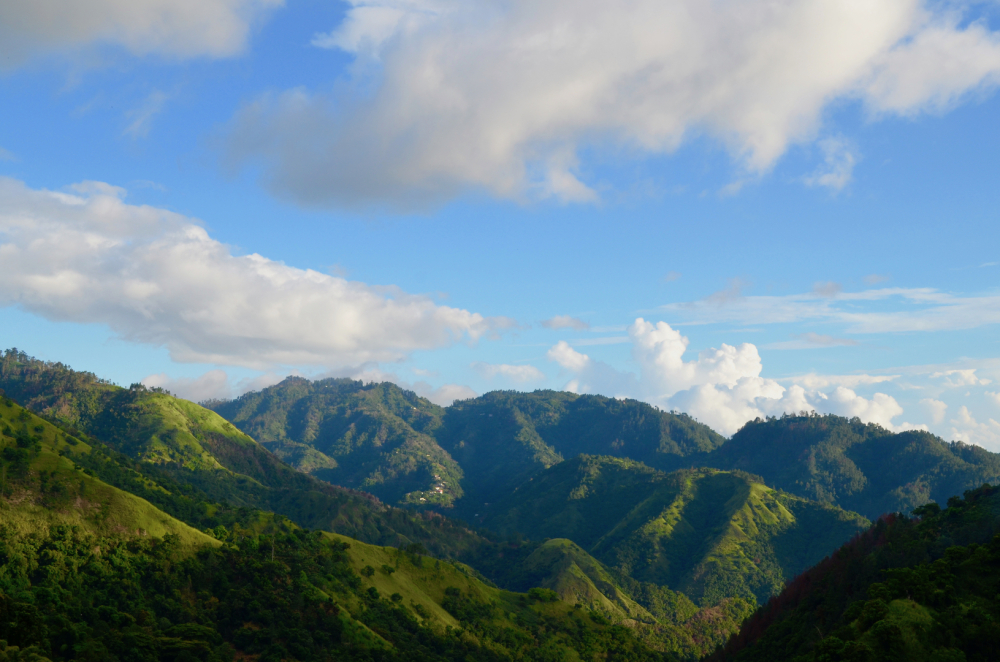
 The uniqueness of Jamaican Blue Mountain coffee is closely tied to its growing environment. The Blue Mountains are located in eastern Jamaica, surrounded by the Caribbean Sea. On clear days, sunlight reflecting off the sea gives the mountaintops a gem-like azure glow, hence the name “Blue Mountain.” Although parts of the range exceed 2,100 meters in elevation, not all areas are suitable for coffee cultivation. Due to government environmental policies, farming is prohibited above 1,700 meters, and higher altitudes are prone to frost, which is detrimental to coffee trees. As a result, Blue Mountain coffee is primarily grown at elevations between 1,000 and 1,700 meters.
Jamaican authorities broadly classify their coffee into three grades: Jamaican Blue Mountain coffee, Jamaican High Mountain coffee, and Jamaican Prime coffee. Among these, only beans grown in designated areas of the Blue Mountains—including the four parishes of Saint Thomas, Saint Andrew, Saint Mary, and Portland—and at elevations above 1,000 meters qualify as “Jamaican Blue Mountain coffee.” These beans are further categorized into Blue Mountain No.1, No.2, No.3, and Peaberry based on bean size and defect rates.
Among them, Blue Mountain No.1 has the strictest standards, requiring a bean size of 17/18 mesh and a defect rate below 3%. After rigorous screening, Blue Mountain No.1 that meets the criteria is not only of exceptional quality but also relatively scarce in yield—key reasons for its premium pricing.Consumers should pay close attention to information such as origin, altitude, grading, and defect rate to avoid purchasing mere “Blue Mountain flavor” blends.
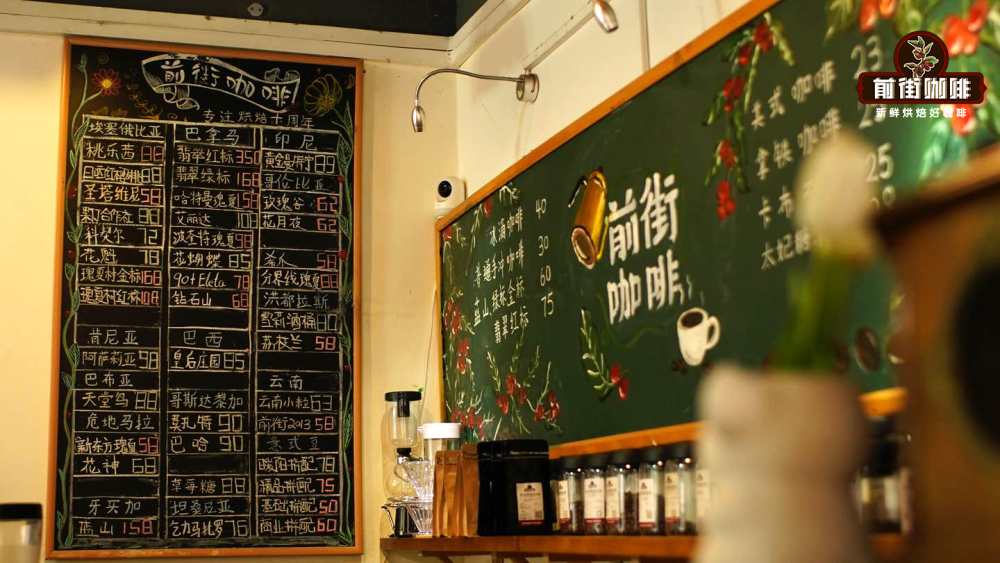 Identifying authentic Blue Mountain coffee goes beyond grading—it also involves tangible evidence. For instance, genuine Blue Mountain coffee is exported in wooden barrels marked with a green frog logo, a Rainforest Alliance certification indicating environmentally friendly farming practices and protected biodiversity. Moreover, each batch of Blue Mountain coffee beans comes with an origin certificate issued by the coffee estate—both are crucial documents for verifying authenticity. Buyers are advised to request these barrels and certificates from sellers to confirm the beans’ provenance.
In terms of roasting and brewing, Blue Mountain coffee is known for its balanced acidity, sweetness, bitterness, and rich mouthfeel, making medium-dark roasts ideal for highlighting its classic profile. One well-known brand’s Blue Mountain No.1 originates from the Clifton Estate, located near Catherine’s Peak, boasting rich biodiversity and a commitment to pesticide-free and chemical fertilizer-free sustainable cultivation.
For brewing, using a KONO filter cone with water temperature at 88°C, about 15 grams of coffee grounds, and a 1:15 coffee-to-water ratio is recommended. A grind size that allows 70% of particles to pass through a 20-mesh sieve in the Chinese standard works best. Since Blue Mountain coffee is typically medium-light to medium roasted, pre-wetting (blooming) is advised to release CO₂ and enhance extraction efficiency. The suggested steps are: pour 30 grams of hot water for a 30-second bloom, then slowly circle water from the center outward until reaching 125 grams. As the water level nears the bed surface, continue pouring up to 225 grams, aiming for a total brew time of about 2 minutes. These parameters help fully express the nutty and dark cocoa notes of Blue Mountain No.1, delivering a full-bodied and layered drinking experience.
The above content is compiled by CoffeeHunters, a coffee news website.


