







Introduction:When making cold brew coffee, many people assume that the finer the grind, the stronger the flavor. However, under the conditions of low-temperature steeping extraction, this assumption may not be entirely accurate. This article compares the effects of coarse and fine grinds on the concentration (TDS) and flavor of cold brew through experiments, delves into the relationship between water temperature, particle movement, and extraction efficiency, and provides practical grind recommendations and applicable scenarios to help you master the key parameters of cold brew and create a brew that balances both strength and flavor.
In the world of cold brew coffee, grind size is a frequently discussed yet often misunderstood factor. Many coffee enthusiasts, when making cold brew, first think of grinding the beans finer in hopes of enhancing the richness of the coffee. However, in an environment of low-temperature, long-duration steeping, this intuition can backfire. One business conducted a cold brew experiment using the same Yirgacheffe coffee beans, with identical coffee-to-water ratios and steeping times, comparing fine and coarse grinds. The result showed that the coarse grind yielded a slightly higher TDS (total dissolved solids) and a brighter, sweeter flavor profile, reminiscent of the refreshing taste of unsweetened lemon tea.
When we asked multiple coffee professionals and seasoned enthusiasts: “If you’re making cold brew with the same water quality, coffee beans, coffee amount, container, and steeping time, how can you increase the extraction concentration?” most answered: “Grind finer.” This response seems logical because, in hot water high-temperature extraction, the finer the grind, the greater the contact surface area between water and coffee grounds, leading to higher extraction efficiency. However, cold brew is a low-temperature steeping extraction, and the logic that holds true under high-temperature or dynamic extraction conditions may not apply to cold brew.
Why do water temperature and particle movement have such a significant impact on extraction? The key lies in how temperature affects molecular activity. In high-temperature environments, the thermal motion of water molecules is intense, effectively breaking down the cell walls of coffee particles and releasing flavor compounds. At the same time, high temperatures also facilitate better contact and dissolution between water molecules and coffee components. But in extraction environments at room temperature or near freezing, molecular thermal motion is significantly reduced, even approaching stillness. This causes finely ground coffee particles to clump together easily, preventing the inner parts of the grounds from being fully penetrated and extracted by water.

Compared to pour over coffee, where the flow of water during high-temperature brewing stirs the coffee bed, a finer grind can actually enhance extraction efficiency. However, if the grind is too fine, it can lead to over-extraction under high-temperature, high-extraction conditions, resulting in bitterness and unpleasant aftertastes. Cold brew is entirely different — the entire process is completed through low-temperature steeping, typically requiring the coffee grounds and water to be left to steep for at least 12 hours, sometimes even up to 24 hours. Even with prior stirring to ensure uniformity, it’s hard to avoid some coffee grounds clumping together and being under-extracted.
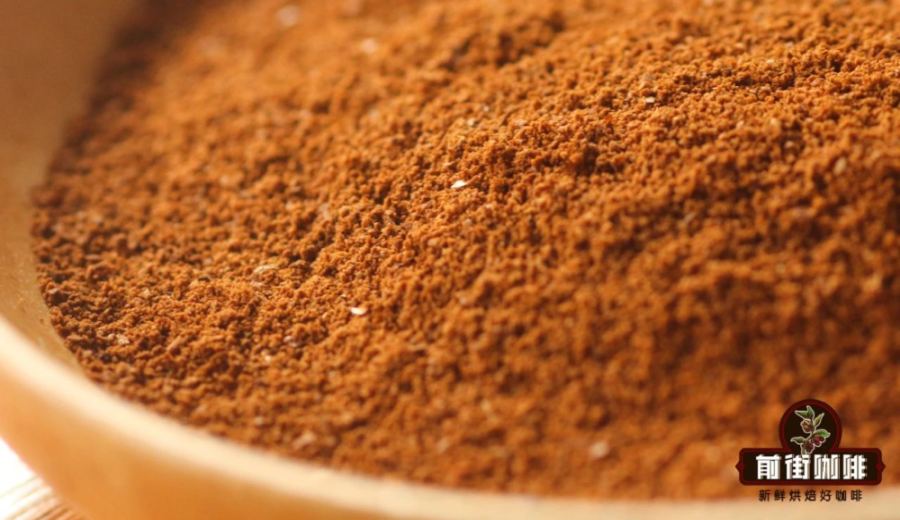
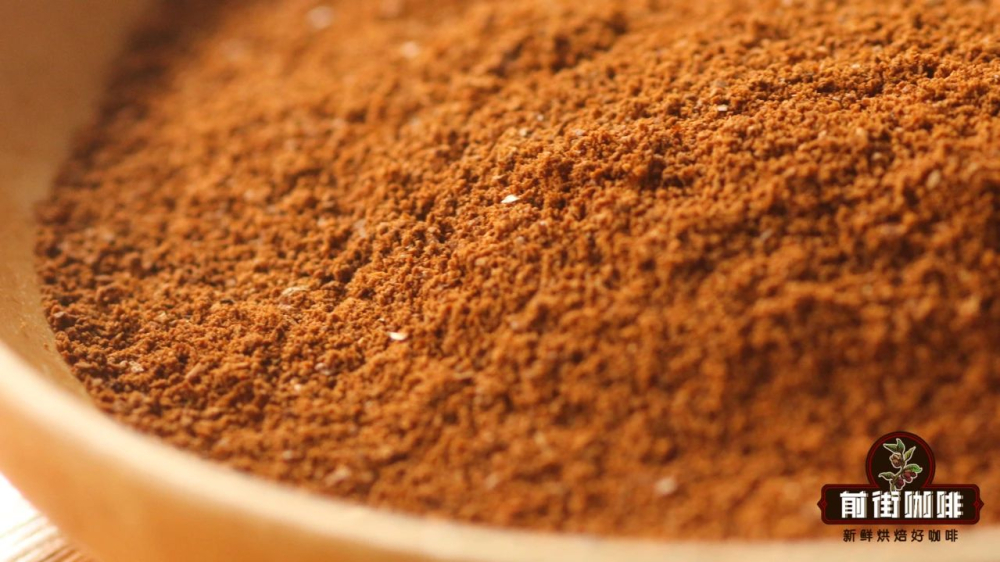
So, does adjusting the grind to a coarser level truly improve the extraction rate of cold brew? One business conducted a comparative experiment. Using Ethiopian Yirgacheffe Gedeo Zone Kochere Cooperative coffee beans, they tested two grind settings on an EK43s grinder: #9 (fine grind) and #10.5 (coarse grind), both with a coffee-to-water ratio of 1:10, using 30 grams of coffee each, and steeped in a refrigerator for 16 hours.
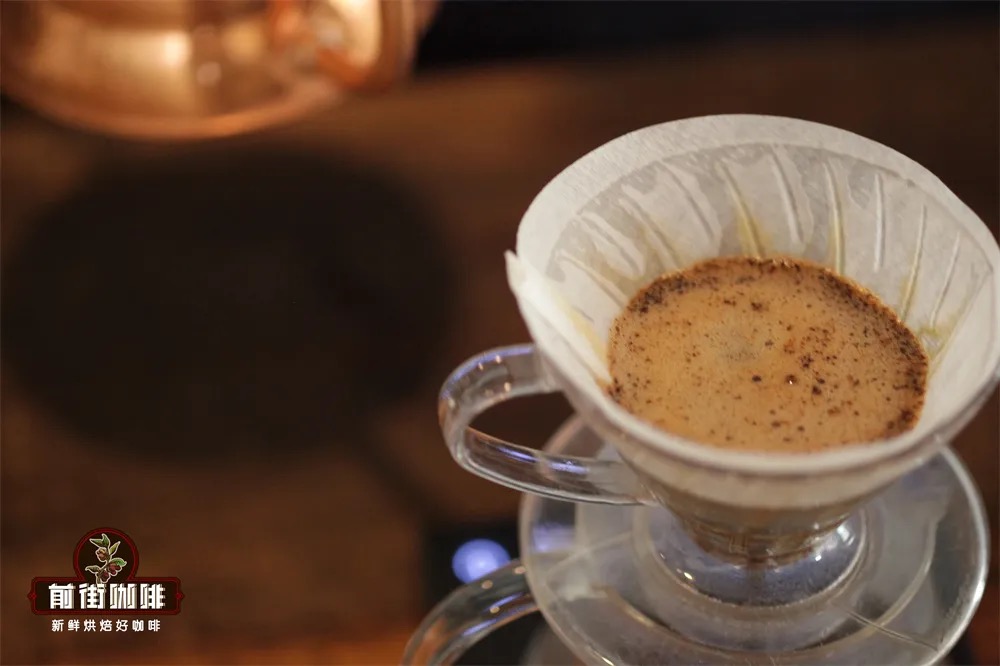
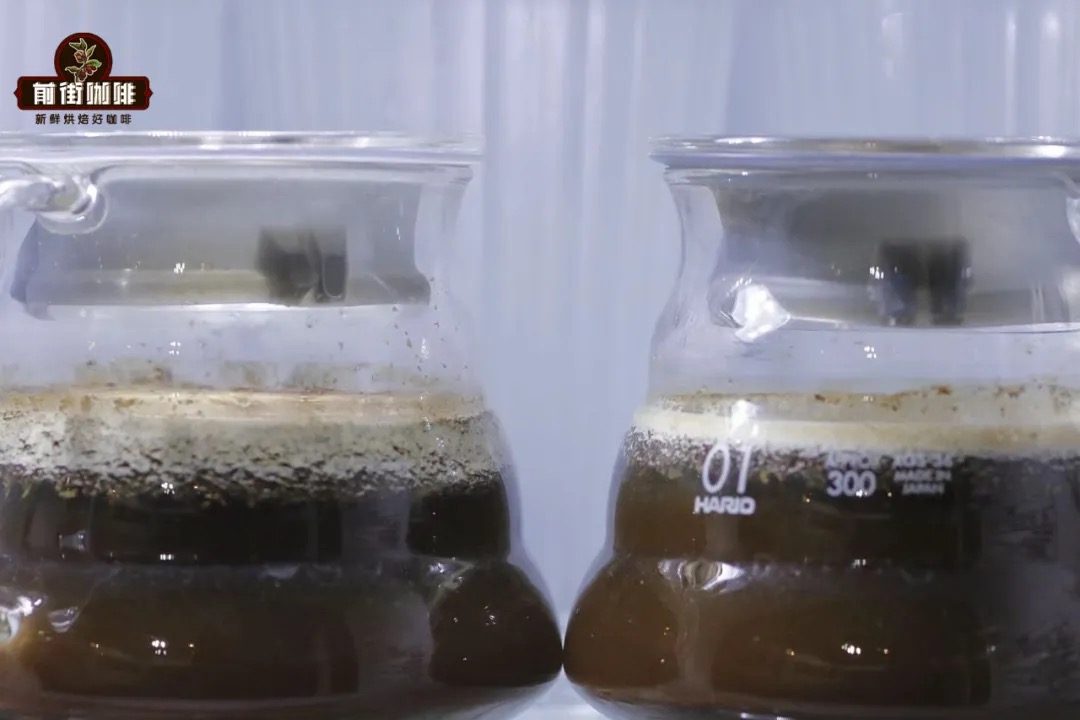
After extraction, the coffee was filtered through a filter cone and paper, and the TDS values were measured using a concentration meter. The results showed that the fine grind cold brew had a TDS of 2.10%, while the coarse grind cold brew had a TDS of 2.20%. In terms of flavor, the fine grind cold brew exhibited a brighter citrus acidity, honey-like sweetness, and subtle tea notes; whereas the coarse grind cold brew not only had a more pronounced citrus acidity, but also richer sweetness and tea-like characteristics, with an overall taste more akin to unsweetened lemon tea — refreshing and well-layered.
These experimental results challenge the common belief that “the finer the grind, the better” for cold brew. For those aiming to produce a cold brew with higher concentration, suitable for use in specialty drinks, and who want to avoid having added ingredients mask the intrinsic aroma of the coffee, some professionals recommend trying a slightly finer grind with a coffee-to-water ratio of 1:13 to 1:15. This approach can achieve higher extraction concentration without over-extracting.
However, adjusting to a coarse grind isn’t universally suitable. If the coffee beans are roasted either too lightly or too darkly, using a coarse grind for cold brew may result in incomplete flavor profiles, or even sharp acidity or unpleasant bitterness. Additionally, there are now many electric cold brew bottles on the market that continuously agitate the filter via internal mechanisms to keep the coffee grounds in motion — in such cases, a finer grind can actually yield better extraction efficiency.
In summary, the choice of grind coarseness for cold brew should take into account water temperature, steeping time, coffee bean characteristics, and personal flavor preferences. If you’re aiming for a refreshing, sweet, and well-balanced cold brew, a coarser grind paired with an appropriate coffee-to-water ratio is a more reliable choice; whereas if you prefer a stronger brew and plan to use cold brew as a base for mixed drinks, a finer grind can still be effective under certain conditions. Understanding these basic principles will help you achieve more precise control over your home-brewed cold brew and enjoy your own unique steeped flavor.
The above content is compiled by CoffeeHunters, a coffee news website.


