








Introduction:Want to make deliciously flavorful iced coffee at home? This article dives deep into the brewing principles of the three mainstream iced coffee methods—iced pour over, cold brew, and ice drip. From coffee-to-water ratios, grind size, extraction time to storage tips, we break down common misconceptions one by one and offer practical bean variety suggestions based on different flavor preferences to help you brew rich yet layered iced coffee.
As summer arrives, iced coffee becomes a focal point for many coffee enthusiasts. Whether it’s the refreshing and bright iced pour over, the smooth and mellow cold brew, or even the meticulously extracted ice drip, each technique delivers its own unique flavor profile. However, many people encounter issues such as ice dilution leading to watery coffee and loss of flavor when making these at home. This article will guide you through the key extraction parameters for iced coffee—from calculating coffee-to-water ratios and adjusting grind sizes to the operational details of different equipment—step by step teaching you how to make rich and balanced iced coffee.
Iced Pour Over Coffee: Precisely Control Coffee-to-Liquid Ratio to Avoid Ice Dilution Impact
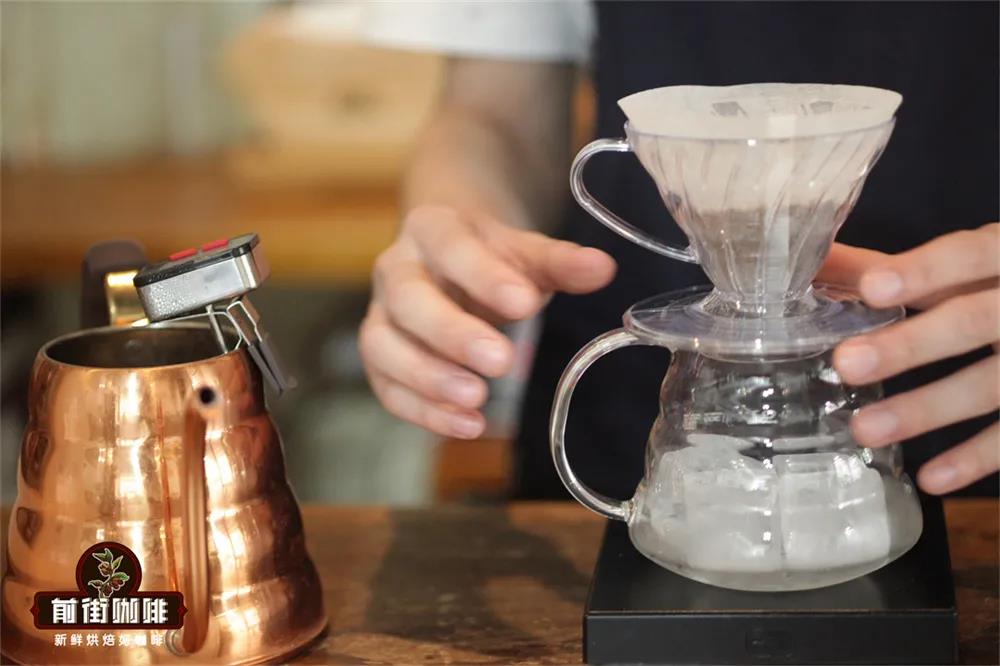
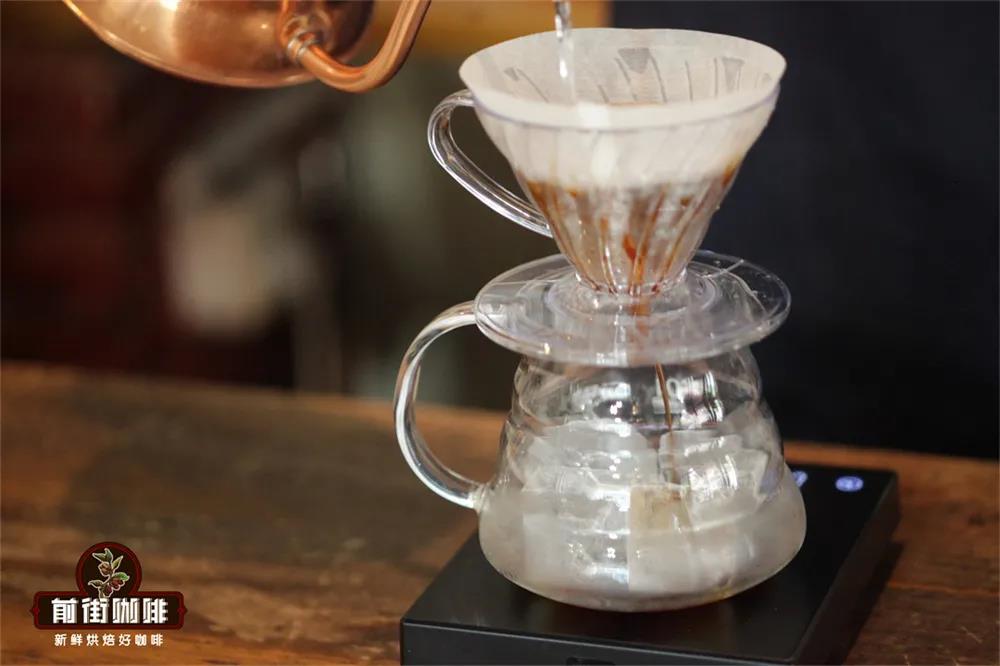
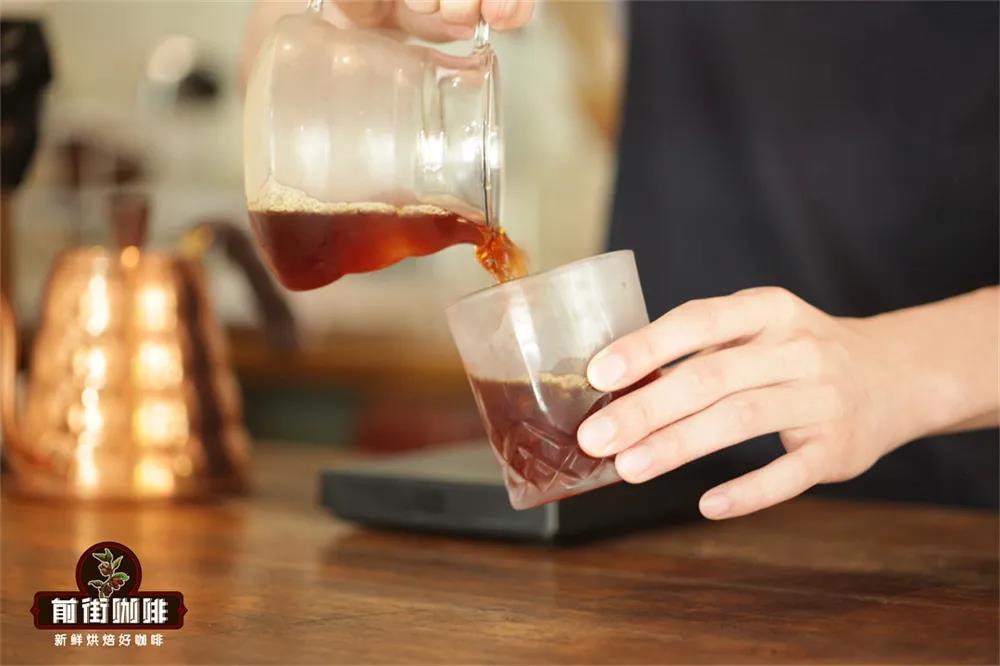
When making iced pour over, the biggest challenge is that melting ice can dilute the coffee, and if you directly apply the coffee-to-water ratio used for hot pour over (such as 1:15), the final flavor often turns out weak and muted. To maintain a stable extraction concentration, it’s recommended to calculate based on the “total weight of coffee grounds and the final coffee liquid plus ice,” aiming for a coffee-to-liquid ratio of around 1:15. For example, when using 15 grams of coffee grounds, the total weight of the final coffee liquid plus ice should reach 225 grams (15 × 15). In practice, you can start by extracting with a 1:10 coffee-to-water ratio (e.g., 15 grams of grounds to 150 grams of water), considering that the coffee bed will absorb about 25–30 grams of water during the bloom phase, resulting in approximately 120–125 grams of final coffee liquid, then top up the ice to reach the desired total weight (about 100–105 grams).
Since iced pour over extraction is relatively fast, it’s recommended to adjust the grind size slightly finer than that used for hot pour over to facilitate the release of flavor compounds. For medium-light roasted beans, use a grind size where about 80% passes through a Chinese standard No. 20 sieve; for medium-dark roasts, adjust to around 73%. If your equipment doesn’t allow fine adjustments, you can also stick with your original hot pour over grind size and slightly increase the water temperature by 1–2°C. Additionally, some coffee lovers opt to use stainless steel ice cubes for cooling, adding them directly after completing the hot pour over extraction, which can also balance flavor and convenience.

In terms of flavor preference, those who enjoy floral layers can choose beans with distinct fruity and floral notes; those seeking bright and crisp acidity might go for options with flavors reminiscent of black tea and berries; if you prefer a rich, balanced, and low-acid taste, medium-dark roasted Brazilian beans or carefully selected high-quality Indonesian beans are great choices.
Cold Brew Coffee: Long Steeping Time Unlocks Smooth and Mellow Flavors
The charm of cold brew coffee lies in its simplicity and delightful flavor. By steeping coffee grounds in cold water for an extended period at low temperatures, it effectively reduces the release of bitter and astringent compounds while allowing small-molecule flavor compounds like floral and fruity notes to dissolve more easily, resulting in a smooth and mellow taste. It’s recommended to set the coffee-to-water ratio at 1:15—for example, 30 grams of coffee grounds with 300 grams of room-temperature water and 150 grams of ice, mixed well and left to steep in the refrigerator for 12–24 hours, then strained to enjoy.
It’s important to note that the coffee grounds used for cold brew shouldn’t be too fine; it’s recommended to aim for a grind size where about 80–85% passes through a 0.85mm standard sieve. Too fine a grind can accelerate the release of sweet and acidic compounds, and if steeped for too long, may lead to woody notes emerging, affecting the overall cleanliness of the cup. Additionally, although cold brew can be refrigerated for several days, it’s best consumed within 2–3 days after straining to achieve optimal flavor, and it’s not recommended to store it beyond 7 days.
Ice Drip Coffee: The Ultimate Combination of Drip Filtration and Low Temperature, Delivering Distinct Flavor Layers
Ice drip coffee combines drip filtration with low-temperature extraction and requires a specialized ice drip brewer. Though the operation is relatively complex, it can produce an exceptionally clean and distinctly layered flavor. It’s recommended to set the coffee-to-water ratio at 1:13, extracting a volume of coffee liquid equal to 13 times the coffee grounds capacity as indicated by your ice drip brewer. The grind size is suggested to be where about 85% passes through a 0.85mm standard sieve, which helps bring out rich fruity notes and layered complexity.
During extraction, control the ice-to-water ratio at 1:1 and adjust the dripping speed to about 7 drops per 10 seconds. The entire process takes roughly 6–8 hours. A special reminder: the freshly brewed ice drip coffee may taste somewhat thin initially. It’s advised to bottle it and let it sit in the refrigerator for 12 hours to allow for low-temperature fermentation, further enhancing aroma intensity and flavor complexity. However, ice drip coffee does not keep well and is best consumed within 3 days after low-temperature fermentation. It’s not recommended to store it beyond 5 days to avoid developing undesirable acidic notes.
The above content is compiled by CoffeeHunters, a coffee news website.


