







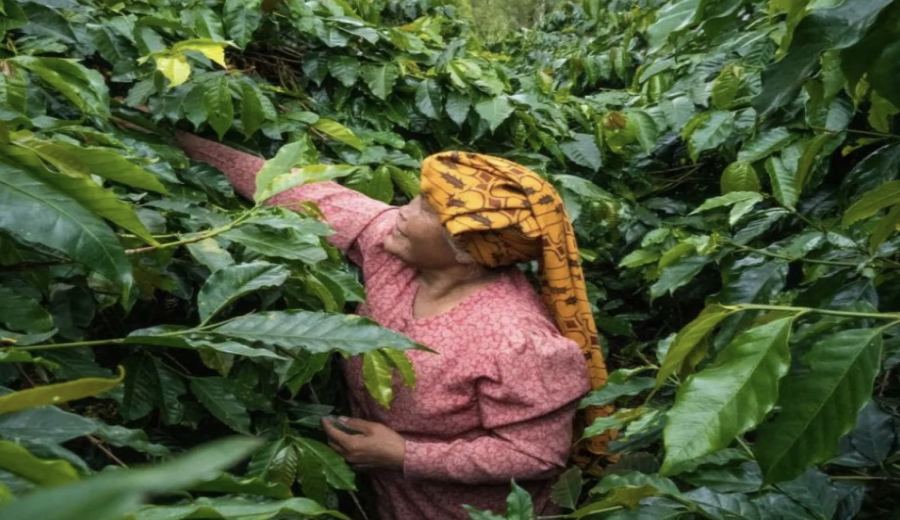
Introduction:Mandheling coffee from Sumatra, Indonesia, is renowned for its rich, full-bodied profile and distinctive herbal and spicy notes. Beyond factors like geography and coffee variety, the wet hulling process plays a pivotal role in shaping these characteristics. This article delves into each step of this unique method, explaining how it influences acidity, clarity, and the overall flavor profile of the coffee. It also highlights the noticeable differences caused by varying processing qualities, helping you better understand the hallmarks of this classic coffee.
Mandheling coffee from Sumatra has long been cherished by coffee enthusiasts worldwide for its bold body and captivating herbal and spicy aromas. These distinctive flavor traits are not only closely tied to the local varieties and climate conditions but also significantly shaped by the unique "wet hulling (Wet Hulling)" process. This processing method effectively addresses the challenges posed by Indonesia’s high temperatures, frequent rainfall, and extremely humid environment, emerging as an innovative technique developed through years of practical experience by local coffee farmers.
Indonesia features a typical tropical rainforest climate with high temperatures and humidity year-round, coupled with slow air circulation. These conditions pose major challenges for standard washed or natural processing methods. Traditional washed processing requires substantial amounts of water, and the fermentation wastewater can easily lead to environmental pollution. Meanwhile, natural drying is prone to uneven drying due to weather fluctuations, increasing the risk of mold. To tackle these issues, local farmers combined the strengths of both methods to create the distinctive wet hulling process, a technique unmatched globally.
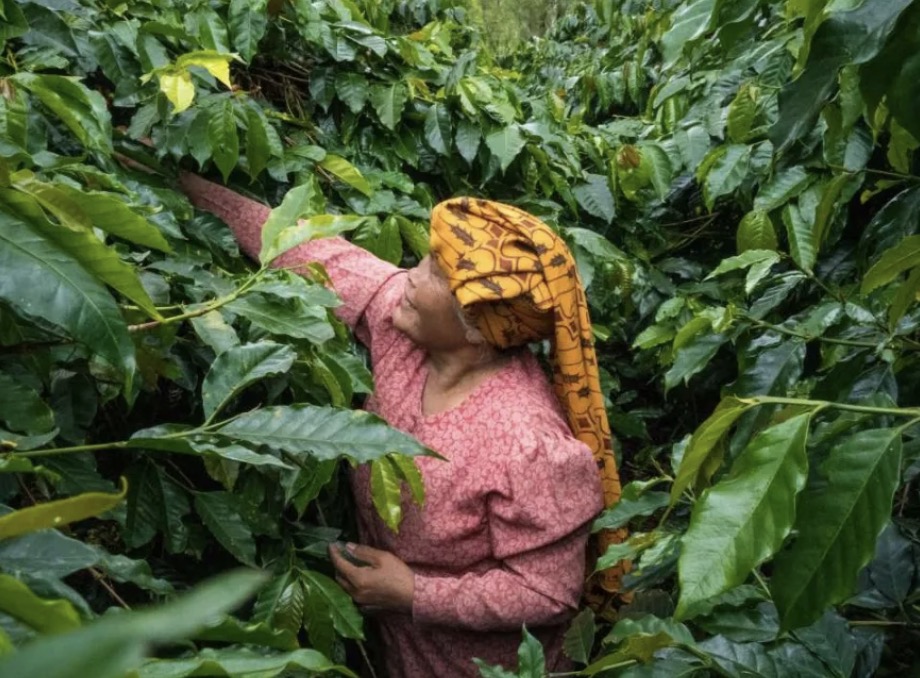
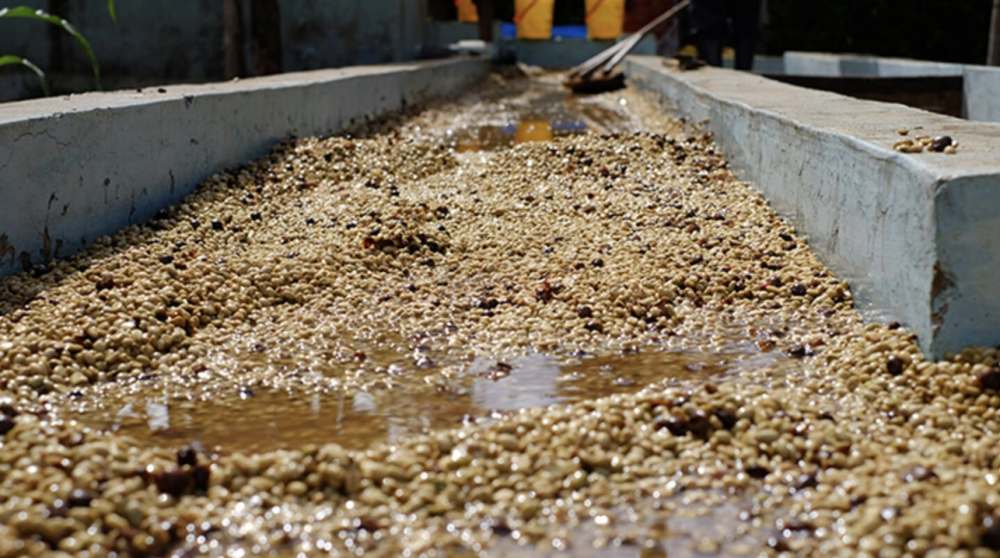
The wet hulling process begins with the careful selection of coffee cherries. First, harvested ripe cherries are placed in water tanks for flotation, where unripe cherries, impurities, and dust are removed based on buoyancy. Next, a specialized pulper removes the outer skin and some of the pulp, while deliberately leaving the mucilage layer intact. The mucilage-covered beans are then soaked in water for 12 to 36 hours of fermentation, a period that helps break down the mucilage for easier cleaning in subsequent steps.
After fermentation, the beans are thoroughly rinsed with large amounts of clean water to remove residual mucilage and impurities. They are then spread out on the ground for a short initial drying phase, typically lasting about two days, to reduce the moisture content to around 30–50%. At this stage, the beans are still semi-wet and semi-firm, and they are then sent through a hulling machine to remove the outer parchment layer.
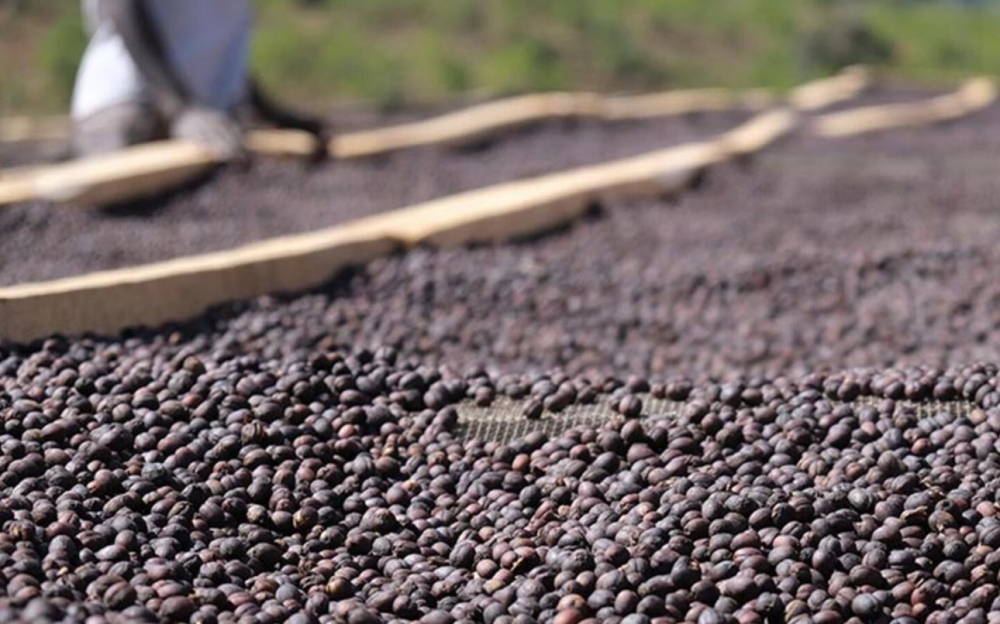
It’s worth noting that the bean structure at this semi-dry stage is relatively fragile, with inconsistent hardness. Applying the necessary pressure to remove the parchment often damages the beans, resulting in what is known as "elephant ear beans"—beans with one side crushed and resembling a hoof shape. This is one of the hallmark characteristics of Mandheling green coffee beans. Finally, the processed beans undergo about two more days of final sun drying until the moisture content stabilizes at around 12%, marking the completion of the entire wet hulling process.
Observing the finished Mandheling green beans, one can notice their distinctive bluish-green hue and a pronounced grassy, herbal aroma. Visually, these beans also have a rather unique shape, sometimes resembling horseshoes or elephant hooves. Compared to traditionally washed coffee beans, Mandheling processed via wet hulling typically exhibits lower acidity but boasts a heavier body and complex herbal and spicy notes—this is precisely the essence of Sumatra Mandheling’s flavor profile.
However, even among beans processed using wet hulling, differences in altitude and processing details can lead to significant variations in the final cup. Coffee grown at lower altitudes, if not properly managed in terms of temperature and ventilation during drying, often absorbs excessive extraneous odors, resulting in undesirable earthy or musty flavors. Additionally, uneven pressure during hulling or improper control of moisture levels can affect the bean’s integrity and the purity of its flavor.
In summary, Sumatra’s wet hulling method is not only an innovative processing technique adapted to the environment but also a crucial factor in defining the unique flavors of Mandheling coffee. Understanding the intricacies of this process allows coffee enthusiasts to better appreciate the herbal, spicy, and full-bodied characteristics in their cup, as well as to more accurately discern quality differences and processing traits when selecting beans.
The above content is compiled by CoffeeHunters, a coffee news website.


