







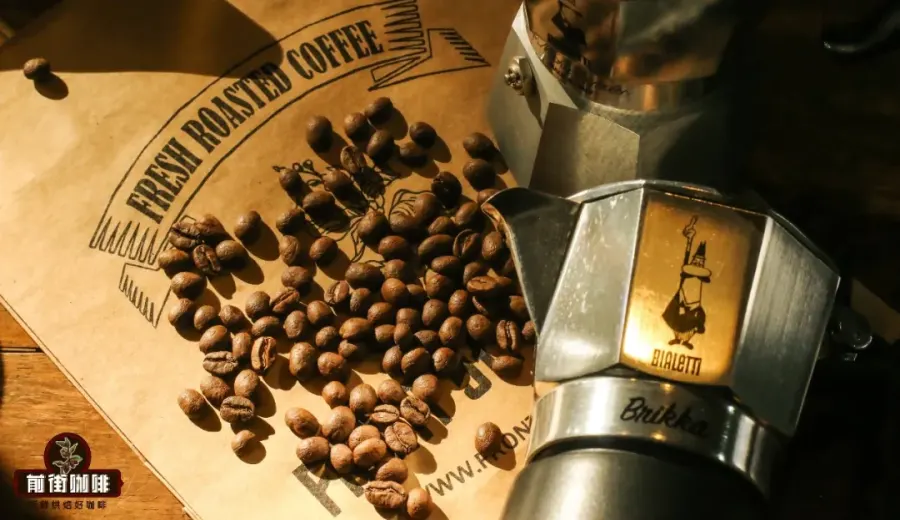
Introduction:Want to brew rich and aromatic coffee with a moka pot? This article delves into how to enhance your moka pot coffee extraction through the right coffee bean selection, precise coffee-to-water ratio, and suitable heating methods. From understanding the mechanism of the tool, characteristics of medium-dark roast beans, to the practical brewing process, it helps you master the key tips for achieving full-bodied crema and a solid mouthfeel—making both black coffee and milk-based drinks more outstanding.
With its combination of high temperature and pressure, the moka pot can extract coffee that is bold and rich in flavor. Since its invention in 1933 by Italian designer Alfonso Bialetti, it has become a staple coffee appliance in many European households, especially in Italy. If you want your moka pot coffee to be more intense, the key lies in choosing the right type of coffee beans, controlling an appropriate coffee-to-water ratio, and mastering the rhythm and technique of heating. The following will detail the working principle of the moka pot, suitable medium-dark roasted coffee beans, practical steps for operation, and a comparison between gas stoves and induction cookers—allowing you to easily brew layered coffee with noticeable crema.
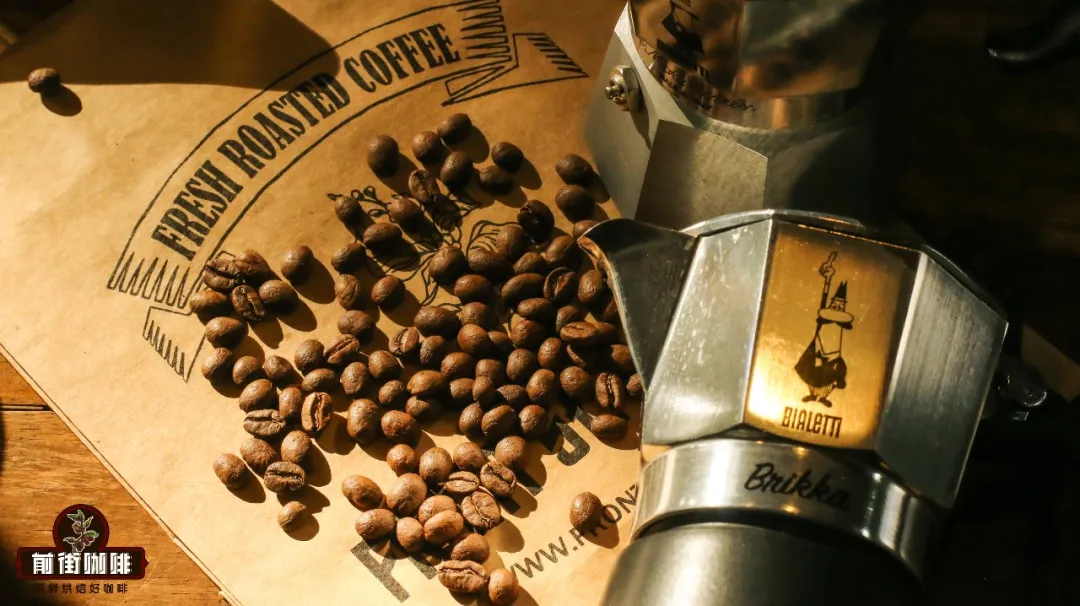
Unlike drip or pour over methods, the moka pot extracts coffee by heating water in the lower chamber, using the resulting steam pressure to push the hot water up through the coffee grounds, thereby extracting a concentrated coffee liquid. This pressurized extraction method results in a more concentrated flavor and a fuller body. Early moka pots were mostly made of aluminum and could only be heated with an open flame, whereas modern versions are typically made of stainless steel and are compatible with a variety of heat sources such as induction cookers and halogen stoves. Commercially available moka pots come in various sizes, with the most common being small models suitable for 2–3 people—perfect for daily home use.
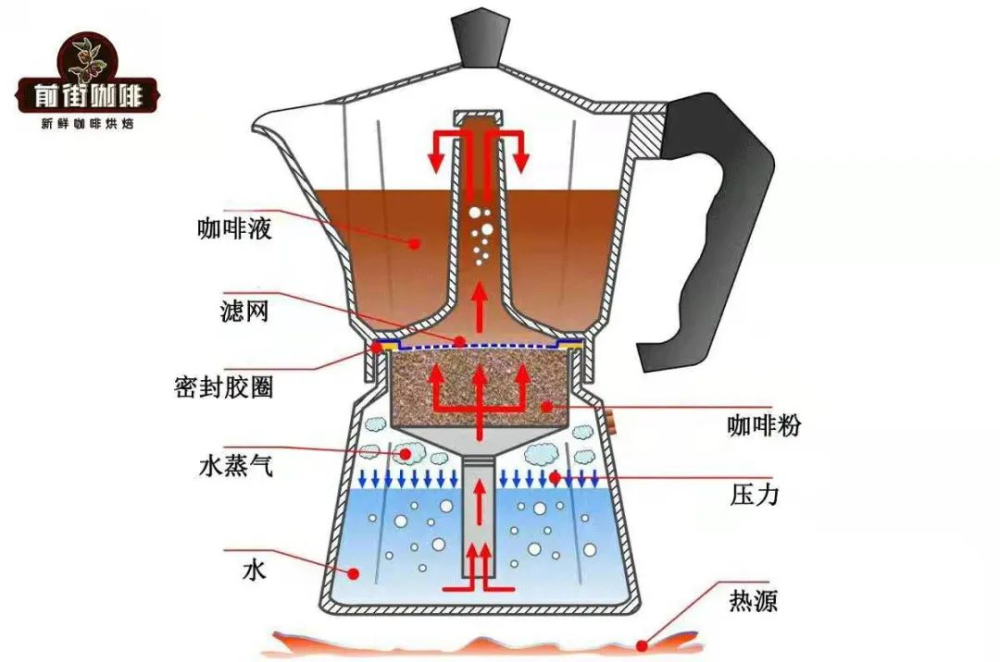
The moka pot mainly consists of three core components: the upper chamber holds the extracted coffee, the middle filter basket contains the ground coffee, and the lower chamber holds the water and generates pressure. When the water in the lower chamber is heated, steam pushes the water upward through the coffee-filled filter basket, extracting the aromatic compounds and soluble solids from the coffee, eventually forming a dark, richly aromatic cup. This tool is not only great for straightforward drinking but can also be customized with water or milk based on personal taste.
For preparation, you’ll need a pack of freshly roasted coffee beans at their optimal flavor window, a heat source (gas stove or induction cooker), a grinder, and clean water. It’s important to note that not all coffee beans are suitable for moka pot extraction. Since the moka pot uses high-temperature, pressurized extraction that amplifies the intrinsic characteristics of the beans, it’s recommended to choose medium-dark roasted beans. Beans roasted to this level usually have a richer flavor, better balance of bitterness and sweetness, and can withstand the intensity of pressurized extraction. In addition, coffee bean flavors are most vibrant within about 40 days post-roast; after that, aroma and freshness gradually decline, so it’s best to opt for freshly roasted products.
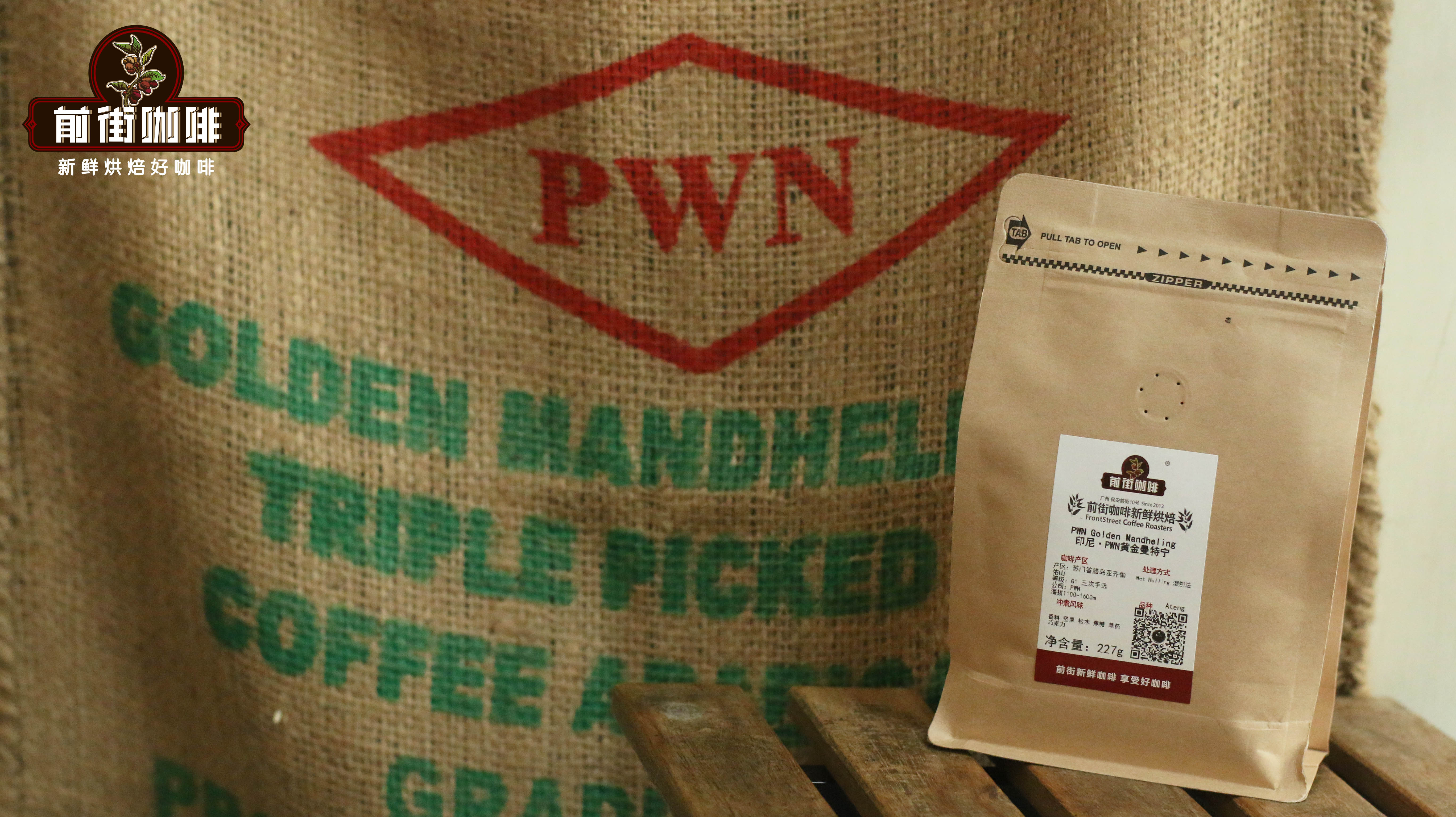
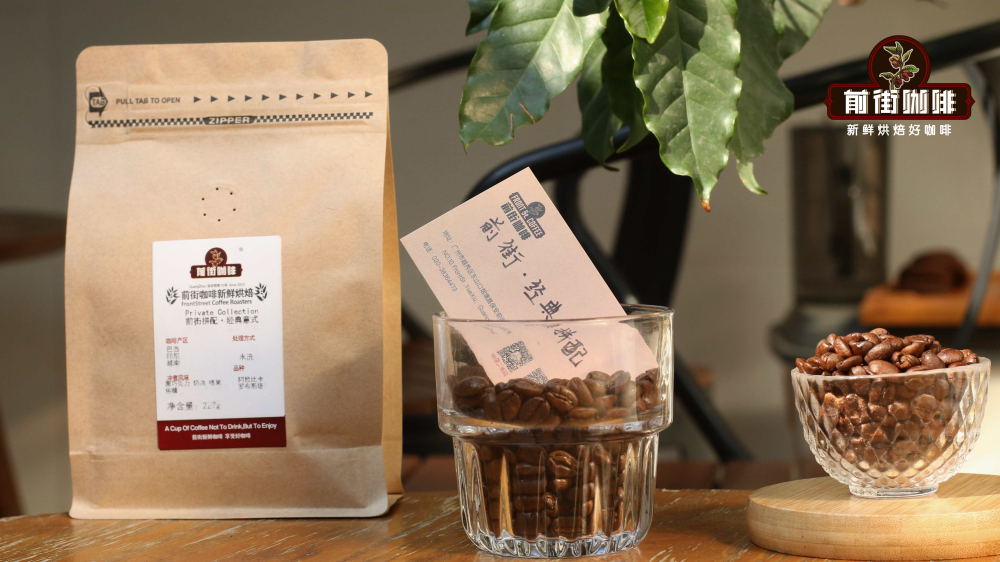
If you want to fully enjoy the crema and rich taste brought out by the moka pot, it’s advisable to choose medium-dark roast blends with a rich, layered profile. For example, classic Italian-style blends that combine Brazilian, Indonesian Mandheling, and Vietnamese beans, roasted to a medium-dark level, not only produce fine and rich crema but also offer a robust base that pairs well with milk—suitable for making lattes or other milk coffees. If you prefer a more balanced taste with a distinct sweet aftertaste, you might also consider beans with creamy and peanut-like notes—whether brewed as a straight black coffee or with milk added, they can showcase a pleasant finish.
Here is the specific process for using a moka pot to brew stronger coffee: First, fill the lower chamber with water, keeping the water level about 0.5 cm below the safety valve. This amount of water is approximately 100 grams, paired with around 20 grams of coffee grounds to fill the filter basket—achieving a 1:5 coffee-to-water ratio. It’s especially important to note that using cold water will prolong the contact time of the coffee grounds, which can lead to over-extraction and make the coffee taste overly bitter. Therefore, it’s recommended to use hot water to shorten the extraction time and improve the overall clarity of the flavor.
Secondly, the grind size for moka pot coffee should fall between that of pour over and espresso—slightly coarser than typical pour over grind but a bit finer than espresso grind. If the grind is too coarse, the water will flow through too quickly, leading to under-extraction, weak coffee flavor, and even risk of splattering due to insufficient pressure, which could cause burns. Pour the ground coffee evenly into the filter basket, then gently tap it flat with your fingers to ensure an even surface, which helps achieve more stable and consistent flavor extraction.
Next, reinsert the filter basket into the lower chamber, securely screw on the upper chamber, and place the moka pot on the heat source to begin heating. It’s recommended to use a halogen stove as it provides stable heat and allows you to easily observe the extraction status. As the temperature rises, when you hear a slight hissing sound from inside the pot, it indicates that the water has begun turning into steam and generating pressure. At this point, you can reduce the flame and open the upper chamber lid to observe the slow flow of coffee liquid and crema.
When the coffee in the upper chamber accumulates to about half its capacity, you can turn off the heat source and move the moka pot to a table to rest. There is still residual heat and pressure inside the pot that will continue the remaining extraction process. Be careful handling the hot pot to avoid burns. The finished coffee can be consumed directly—its flavor is rich and layered—or you can add milk or flavorings according to your preference to create coffee drinks with different profiles.
If you wish to see an appealing layer of crema on top of your coffee, selecting freshly roasted medium-dark roast beans is key. The abundant gases produced during roasting are released during pressurized extraction, helping form a rich crema layer. However, over time, these gases gradually dissipate from the beans, affecting crema formation. Therefore, it’s recommended to use beans roasted within 5 days to ensure the best flavor expression and extraction performance.
The above content is compiled by CoffeeHunters, a coffee news website.


