







Introduction:Have you ever marveled at how some people can identify the coffee variety just by glancing at the beans? In fact, different varieties within the Arabica family exhibit identifiable details in bean shape, size, and appearance. By understanding the differences in roasted bean appearance among common Arabica varieties such as Typica, Bourbon, and Geisha, you can quickly grasp the relationship between variety and morphology. This article will detail the bean shape characteristics of these popular varieties to help you improve your identification skills—beneficial for both beginners and seasoned enthusiasts.
Many coffee lovers have this question: why can some experts tell the variety and possible origin of coffee beans just by looking at them? The answer lies in the inherent bean shape characteristics of Arabica varieties. Once you master the visual patterns of each variety, you too can develop an eye for identification.
This article will delve into the roasted appearance of several popular Arabica varieties, including Typica, Bourbon, SL28, SL34, Caturra, Catuai, and Geisha, helping you establish a correspondence between variety and bean shape. Roasted bean photos are provided for reference, making it easy for you to compare with the beans you have on hand and observe the details.
Even if you don’t often work with green beans, the characteristics of roasted beans still offer many clues. If you happen to have a pack of coffee beans nearby, try applying what you’ve learned—take out a few beans, observe them, and compare with the descriptions below to gradually build your identification ability.
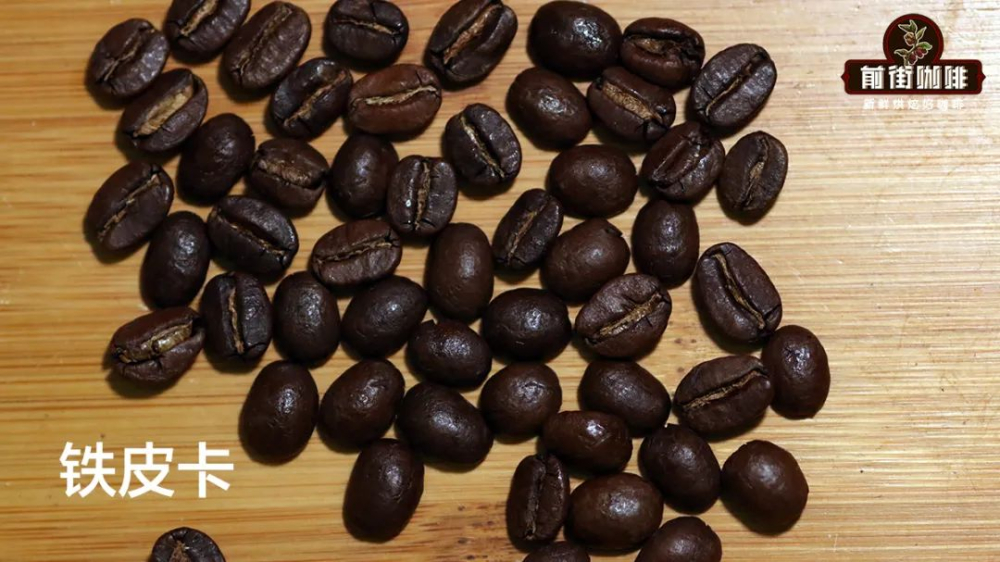
Let’s start with the “archetypal representative” of Arabica varieties—Typica. This variety is often regarded as the foundation for many other varieties. Whether in book illustrations or reference photos, it is the one that appears most frequently. The roasted Typica beans are slender and slightly flattened in an oval shape, with a full and standardized overall contour, making them a starting point for many beginners learning about coffee beans.
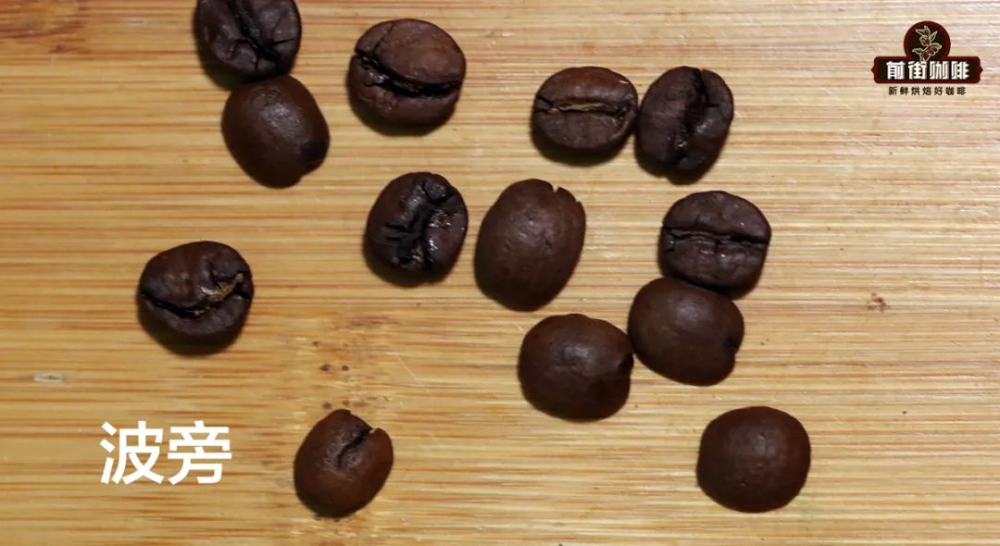
Next up is Bourbon. This variety is actually a natural mutation of Typica. Legend has it that the original Typica plants planted in Yemen mutated, causing the beans to change from their originally slender form to a rounder shape, hence earning the name “round bean.” Later, these seeds were brought to Bourbon Island in the Indian Ocean (now Réunion Island), and the name gradually spread. Today, the main producing countries of Bourbon include Brazil, among others. The roasted Bourbon beans are characterized by short, plump, and round grains, with slightly contracted ends. Their size is roughly similar to Typica, but the appearance is more rounded and full.
Typica and Bourbon are not only historic varieties but also provided important genetic foundations for many subsequent varieties and cultivars.
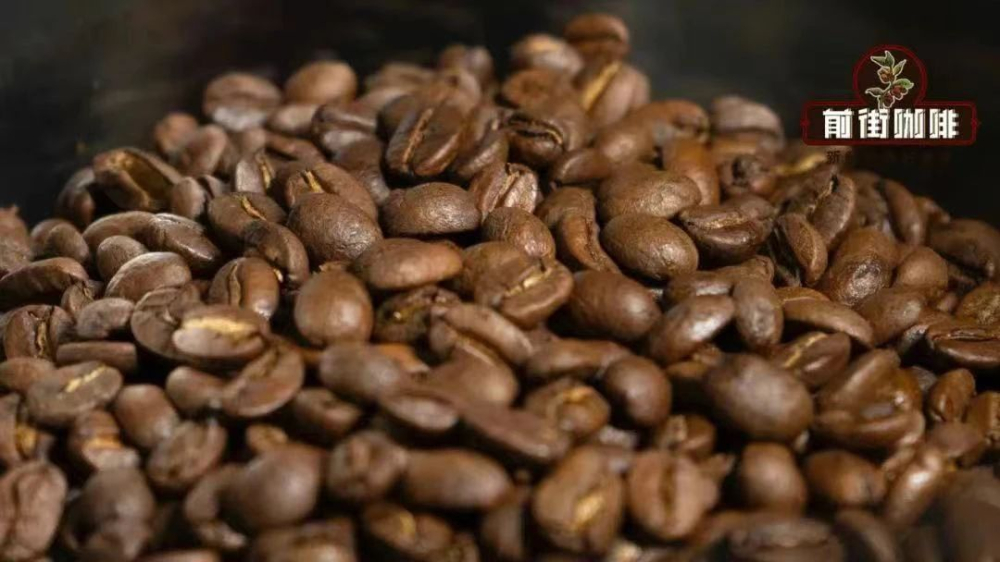
Next are the classic Kenyan varieties: SL28 and SL34. Though these two varieties are often mentioned together, they are actually two distinctly different coffee varieties. Both originated from the artificial selection program conducted by the Scott Laboratories (abbreviated as SL) in the early to mid-20th century. At that time, researchers collected 42 wild coffee varieties from the field and, after more than ten years of repeated trials and screenings, ultimately selected the two varieties best suited to Kenya’s environment: SL28 and SL34.
Interestingly, subsequent genetic analysis shows that SL28 is more closely related to the Bourbon lineage, while SL34 is closer to Typica. Therefore, in Kenyan coffee lots, it’s common to see beans with visibly different appearances mixed together. Generally speaking, SL28 beans tend to be more round, while SL34 beans are slightly elongated oval-shaped, and these differences can be preliminarily distinguished through observation.
Now let’s look at Caturra, a natural mutation of the Bourbon variety. Its most distinctive feature is its shorter plant height and dense branching, which can increase yield per unit area. The roasted Caturra beans are similar in shape to Bourbon, also leaning toward a rounded form, but are usually slightly more elongated, resembling a small oval. This characteristic makes it popular in many Central and South American producing regions.
Closely related to Caturra is Catuai. Catuai is an artificial cultivar resulting from the crossbreeding of Caturra and the Mundo Novo variety (a natural hybrid formed by Bourbon and Sumatra Typica). As a result, in addition to inheriting some traits of Caturra, Catuai also carries Typica genes, making its bean shape more flattened and oval-like, often with a slightly elongated tail. In many parts of Central and South America, Caturra and Catuai are often interplanted, so you might see both small, roundish beans (Caturra) and slightly larger, long oval beans (Catuai) in the same batch.
Finally, let’s get to know the globally beloved Geisha. Geisha coffee is renowned for its unique citrus, floral, and tea-like flavor profiles, especially those from Panama being the most representative. The roasted Geisha beans from Panama are highly distinctive in appearance: the beans are slender, with pointed tips at both ends, a plump and full center, and an overall silhouette resembling a sausage bun, making them easily stand out among a pile of coffee beans.
In some blended coffees, such as Flower Butterfly, you can clearly see the differences between Geisha and other varieties (such as Caturra and Catuai). Geisha beans are usually larger, distinctly long and narrow, and have pointed ends. Even when encountering slightly smaller Geisha beans, their pointed tips and full centers remain clearly distinguishable.
However, if you come across Geisha from Ethiopia, the situation is slightly different. These varieties are mostly re-selected later from native forests, such as Gori Geisha and Geisha 1931, which were identified based on historical records tracing back to possible origin forests, and then selected through a comprehensive assessment of plant morphology, bean shape, and cupping flavor. Since they are not based on genetic testing but rather on appearance and flavor performance, their bean shapes may differ slightly from those of Panamanian Geisha.
Taking Gesha Village as an example, their Geisha 1931 variety features roasted beans with slightly pointed ends and a round, plump center. In contrast, Gori Geisha is more oval-shaped, with an overall smaller size. This also reminds us that even if the variety name is the same, Geisha beans from different regions or forests may still exhibit unique differences in shape.
The above content is compiled by CoffeeHunters, a coffee news website.


