








Introduction:Although Robusta coffee beans are often seen as the supporting players in specialty coffee, they actually play a crucial role in the global coffee supply chain. This article delves into the origin of Robusta varieties, their main growing regions, unique flavor profiles, and their irreplaceable role in instant coffee and commercial blends. By drawing detailed comparisons with Arabica, it helps readers understand key differences such as altitude adaptability, disease resistance, and caffeine content, as well as how to choose the right Robusta beans based on brewing needs.
In the world of coffee, Arabica and Robusta are the two most frequently mentioned varieties. Many coffee beginners often hear these names upon first encounter but have only a vague understanding of their essence. Robusta, strictly speaking, is a commercial subspecies under the Canephora species, and due to its widespread cultivation and practical characteristics, it has almost become synonymous with this group. Compared to Arabica, which is renowned for its delicate flavors, the rise of Robusta is inseparable from its robust adaptability.
The origin of Robusta can be traced back to the Congo Basin in West Africa. From a botanical classification perspective, it stands as one of the two original species of coffee alongside Arabica. However, most other Canephora species remain in the wild, without large-scale artificial domestication, making Robusta the most representative cultivated variety in this category. Its main producing regions include Vietnam, Indonesia, as well as countries in West Africa such as Algeria and Angola. Among them, Vietnam is famous for its large-scale Robusta cultivation and serves as an important source in the global supply chain; Indonesia gradually developed into another major producing region after the introduction of Robusta in the late 19th century.
When discussing the history of Robusta, the case of Indonesia is quite representative. In the 17th century, Dutch colonists introduced coffee trees to the region. However, by 1877, local coffee plantations were devastated by coffee leaf rust, nearly wiping out the original varieties, which prompted farmers to switch to planting the more disease-resistant Robusta. This move not only saved Indonesia’s coffee industry but also laid the foundation for its later status as a major producing country. The situation in Vietnam is slightly different—while Robusta dominates, there is also a small amount of Arabica cultivation, and the beans produced are often used in commercial blends, offering the market more cost-effective options.
In terms of flavor characteristics, Robusta and Arabica show significant differences. The former, due to its higher content of caffeine (about 2% to 3%) and chlorogenic acid, results in a rich, heavy taste, often accompanied by nutty notes such as walnut, peanut, and hazelnut, and occasionally earthy or grain-like undertones. In contrast, Arabica, grown at higher altitudes (typically between 800 and 2000 meters), offers a more complex flavor profile with distinct floral notes, fruity acidity, and sweetness, thus being regarded as the mainstream in specialty coffee. It is worth noting that Robusta usually produces a more abundant crema, making it a popular choice for enhancing the body of espresso blends.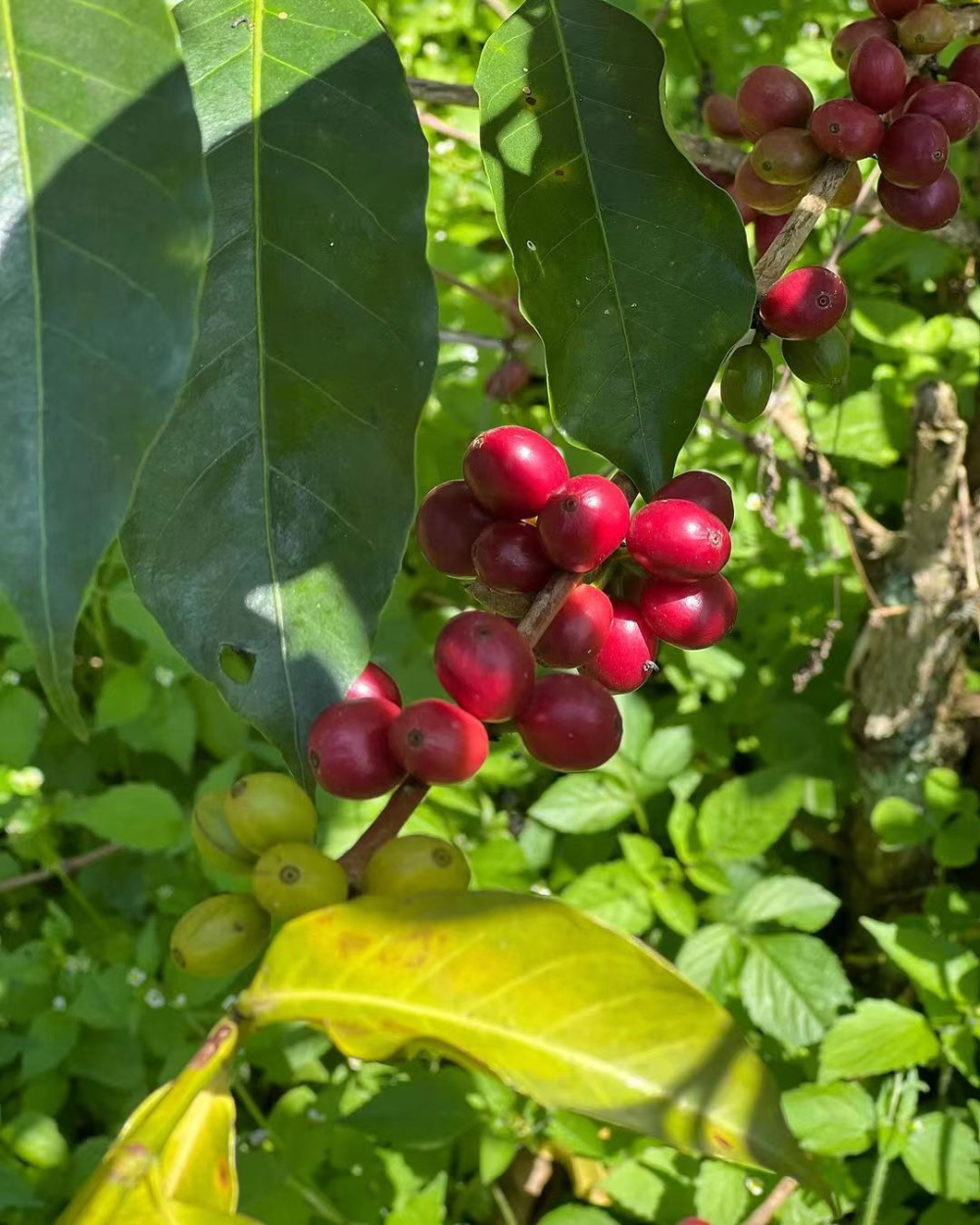
In terms of growing conditions, Robusta demonstrates remarkable adaptability. It can thrive in low-altitude (typically below 800 meters) and high-temperature environments, and grows faster than Arabica. These characteristics allow it to be widely cultivated in tropical regions such as Vietnam, Brazil, and India, with even records of cultivation in Hainan, China. Additionally, Robusta’s caffeine content is nearly twice that of Arabica, coupled with its natural pest resistance, enabling it to effectively ward off most insect attacks. From a genetic perspective, Robusta is a cross-pollinated plant with greater genetic diversity than the self-pollinating Arabica (with 22 pairs and 44 pairs of chromosomes, respectively), allowing it to produce more adaptable offspring through genetic recombination when facing climate change or diseases.
However, the disadvantages of Robusta are equally evident. Due to its higher chlorogenic acid content, its flavor is often described as monotonous and bitter, lacking the aromatic complexity unique to Arabica. This makes it rarely favored in specialty coffee evaluations, and it is mostly used in commercial blends or for making instant coffee. In fact, the volume of coffee liquid extracted from Robusta is about twice that of Arabica, a characteristic that makes it an ideal raw material for instant drinks and canned coffee. For consumers seeking a strong flavor, adding an appropriate amount of Robusta to espresso blends can effectively enhance the richness and crema performance of the coffee.
Visually, Robusta coffee beans are usually round and C-shaped, with a prominent center line resembling the number “1,” and the raw beans are yellowish-brown in color. Similar to Arabica’s one fruit–one bean structure, its density and size are often slightly smaller. When selecting Robusta beans, it is recommended to pay attention to origin information and processing methods—for example, Indonesia’s wet-hulled process or Vietnam’s sun-drying method can both influence the final flavor profile. Additionally, if using Robusta for pour over or French press methods, attention should be paid to grind size and water temperature control, with a suggested water temperature slightly lower than that for Arabica (around 90 to 93°C) to avoid over-extraction and excessive bitterness.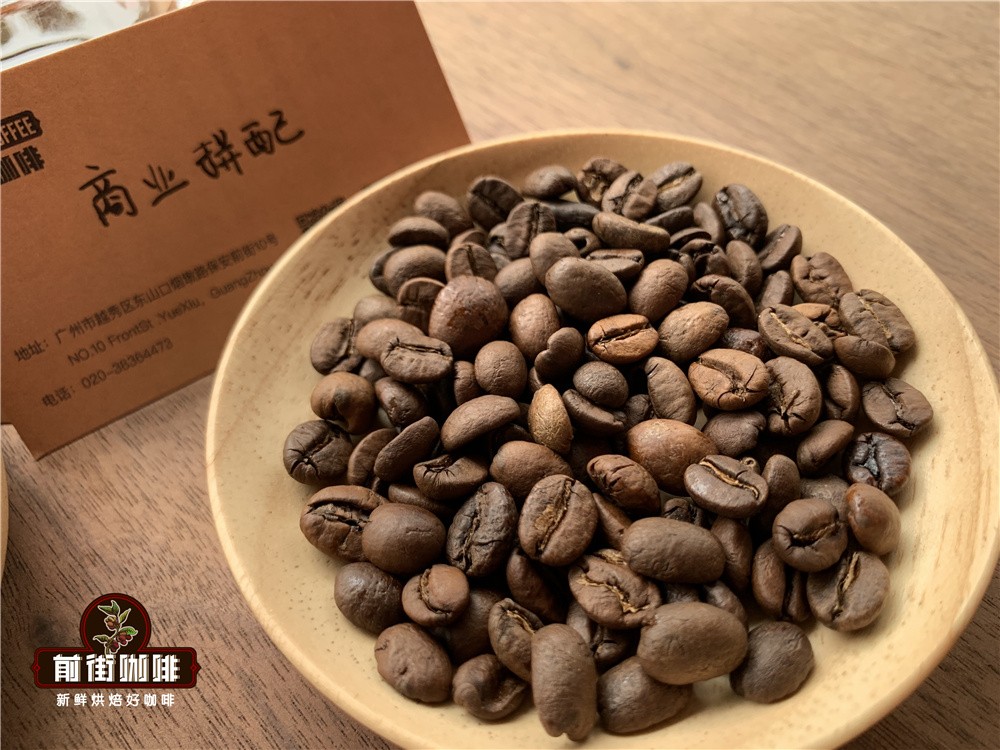
In summary, although Robusta is not the mainstream choice in specialty coffee, it holds an indispensable position in commercial applications and everyday drinking. Understanding its varietal characteristics, regional distribution, and flavor profile helps consumers make more informed choices based on their own needs. Whether you’re an instant coffee lover chasing a bold flavor or a barista aiming to balance blend profiles, Robusta can offer a unique contribution.
The above content is compiled by CoffeeHunters, a coffee news website.


