







Introduction:Although Peruvian coffee is not as well-known as Brazil or Colombia, it has carved out a niche in the specialty coffee world with its high altitudes and clean flavor profiles. This article takes an in-depth look at the distribution of Peru’s three major coffee-growing regions, the development of its organic coffee kingdom, its unique altitude-based grading system, and its tradition of washed processing. Through a washed Geisha from the Cajamarca region, you’ll experience its floral notes, juicy body, and black tea finish — a guide to exploring this niche coffee for aficionados.
On the South American coffee map, Peru has long maintained a low profile. Though less famous than neighboring Brazil or Colombia, its coffee, grown in the Andes Mountains at high altitudes and on fertile volcanic soils, is celebrated for its exceptional clarity and complexity. In recent years, it has also become the world’s top producer of organic coffee, setting an example for sustainable agriculture and specialty coffee.
Many coffee enthusiasts are unfamiliar with Peruvian coffee, often considering it a niche origin. In truth, although it doesn’t receive much exposure, Peruvian coffee offers richly layered flavors and a balanced, gentle profile. Its outstanding clarity has rapidly elevated its status in recent years, making it an excellent choice for coffee lovers eager to explore new origins.
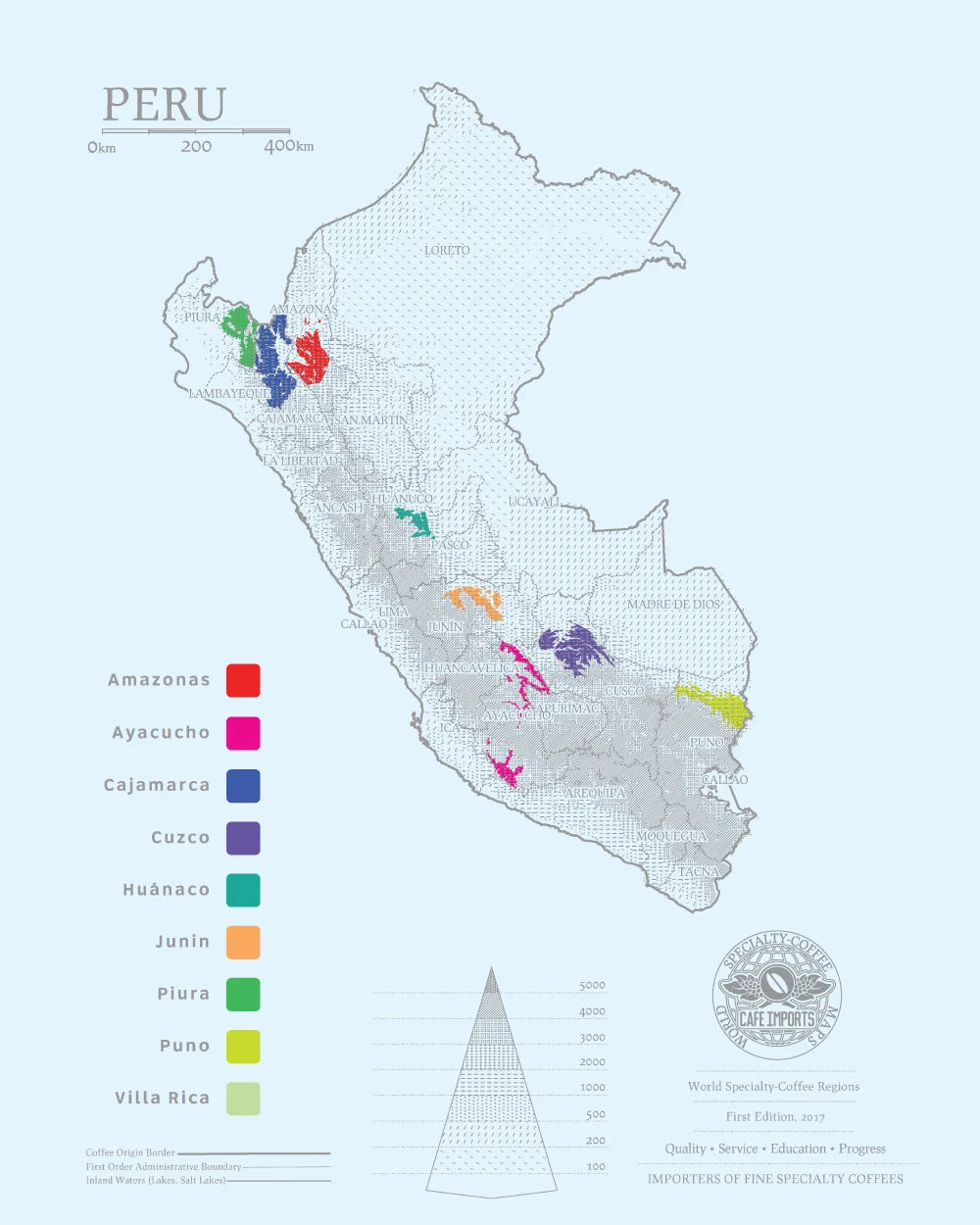
Peru’s coffee-growing areas can be divided into three major geographic zones: the northern region accounts for about 43% of national production, at elevations averaging 1250–1950 meters; the central region makes up 34%, between 1200–2000 meters; and the southern region comprises around 23%, spanning 900–2050 meters. These three zones, each defined by distinct microclimates and terrains, produce coffee with uniquely characteristic flavor profiles.
Looking back at the history of Peruvian coffee, its origins date back to the late 18th century, when it was introduced by Spanish colonists and initially grown only as an ornamental garden plant. After gaining independence in 1821, the government began promoting cash crop cultivation to replace the declining silver mining industry. Starting in 1850, influenced by the booming Brazilian coffee industry and the spread of coffee leaf rust, European immigrants established the first coffee plantations in the Cajamarca region of central and northern Peru. They also introduced modern cultivation techniques, laying the foundation for Peru’s coffee industry.
By the end of the 19th century, large estates dominated production. Statistics show that nearly 80% of the country’s coffee output came from these large farms in 1890. However, this model’s heavy reliance on international markets led to a 60% collapse in coffee prices during the Great Depression of 1929, sparking social unrest. It wasn’t until 1968, under the military government of Juan Velasco Alvarado, that land reforms were implemented, redistributing land to smallholders and dismantling the large estate system. Coffee production then shifted primarily to small-scale farmers, with an average farm size of around 2 hectares.
While the smallholder model improved social equity, it also brought challenges such as difficulties in technology dissemination and relatively low productivity. It wasn’t until the 1980s, with support from German church organizations and fair trade institutions, that coffee cooperatives were established in the northern regions. These cooperatives reduced production costs through centralized purchasing and equipment sharing. After the signing of the North American Free Trade Agreement in 1994, Peruvian coffee gradually entered the premium market with high-value labels such as “organic” and “Rainforest Alliance certified,” becoming the world’s largest producer of organic coffee in 2003, with 110,000 hectares certified.
Peruvian coffee is predominantly Arabica, characterized by its altitude/hardness grading system, which assesses bean hardness and flavor potential based on growing elevation. The high-altitude environment slows growth, allowing coffee beans to accumulate more nutrients and develop mild yet complex flavor profiles. Additionally, Peru’s abundant water supply has made washed processing the norm. This method involves floatation to remove defective beans, pulping, mucilage fermentation, drying, and hulling — all of which enhance coffee clarity while preserving delicate fruit acidity and a smooth, rich mouthfeel.
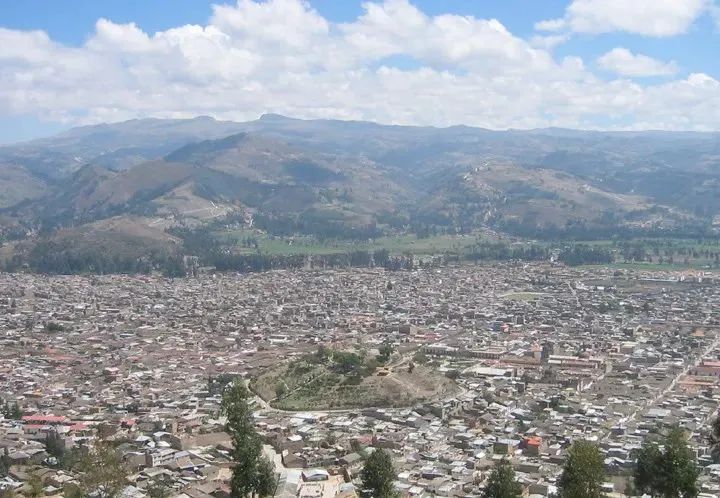
To experience the charm of Peruvian coffee firsthand, start with a washed Geisha from the Cajamarca region. Located in northern Peru near the Ecuadorian border and set in the high-altitude Andes, this area features fertile volcanic soils, significant day-night temperature variations, and diverse microclimates — the perfect environment for cultivating specialty coffee. Early European settlers chose this region as their primary planting base, and it remains a key source of premium coffee to this day.
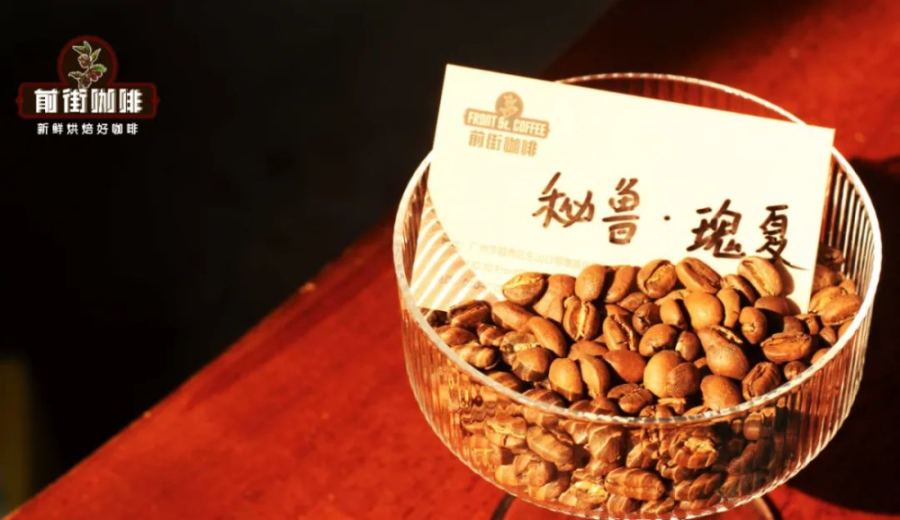
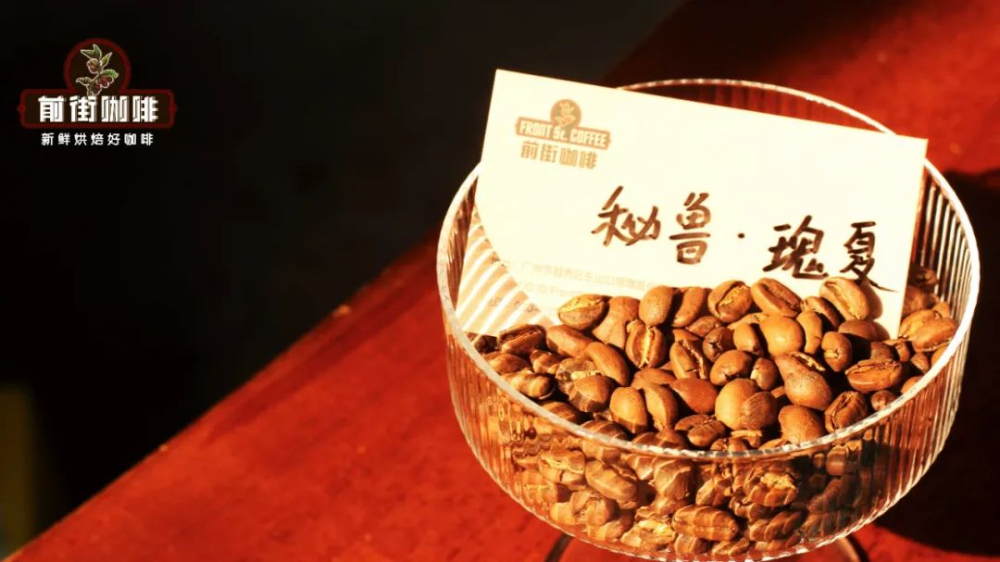
Local smallholders bring extensive experience and skill, earning the Cajamarca region widespread acclaim for coffee quality. In recent years, it has become a focal point in the specialty coffee scene. The coffee tasted here is a washed Geisha from this region. Given its vibrant flavor profile, the author opted for a medium-light roast to fully highlight its distinctive floral notes and regional character.
A coffee brand: Peru · Cajamarca Geisha
Origin: Peru, Cajamarca
Elevation: 1800–1950 meters
Variety: Geisha
Processing Method: Washed
Grade: SHB
Flavor Profile: White floral, prune, citrus, juicy, black tea finish
During cupping, the dry aroma is clear, with intertwined notes of white flowers, berries, preserved plums, and citrus. After hot water is poured, honey-like peach and caramel sweetness emerge. The first sip reveals a delicate floral tone, followed by vibrant acidity reminiscent of grapes, citrus, and prunes, creating a refreshing and lively profile. The finish lingers with black tea and caramel notes, showcasing exceptional clarity — it’s like holding a preserved plum candy in your mouth. As the cup cools, the acidity becomes brighter, juiciness intensifies, and a round, sweet almond-like tone emerges, leaving a memorable aftertaste.
The above content is compiled by CoffeeHunters, a coffee news website.


