







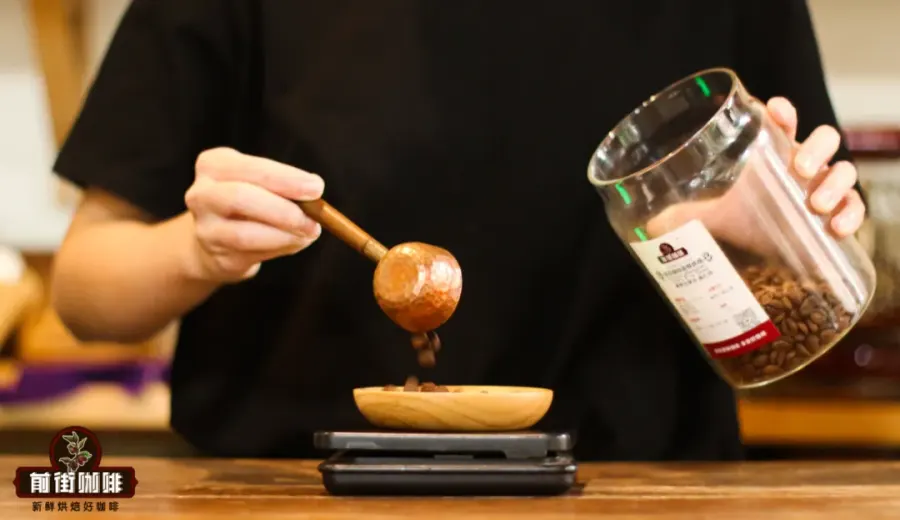
Introduction:Many coffee beginners are puzzled by baristas using digital scales, thinking that experience-based estimation or simple measuring tools can also make good coffee. However, even slight differences in coffee dosage and liquid weight can directly affect the coffee’s concentration and flavor profile. This article uses practical test data to explain why digital scales play a crucial role in both pour over and espresso preparation, and provides useful tips to help you consistently brew coffee with your desired flavors.
Many coffee enthusiasts, while observing baristas at work in cafes, often wonder why they rely on digital scales: Is it really necessary to be so precise when making a cup of coffee? Can’t they, like experienced chefs, simply estimate with their eyes or use basic spoons and cups to brew decent-tasting coffee?
In fact, although a digital scale is not an absolute must-have tool for brewing coffee, if you’re aiming for stable and consistent extraction results, it indeed plays an important role. Compared to relying on visual estimation, using a digital scale can effectively avoid errors in both coffee dosage and liquid weight, thereby influencing the final concentration and flavor.
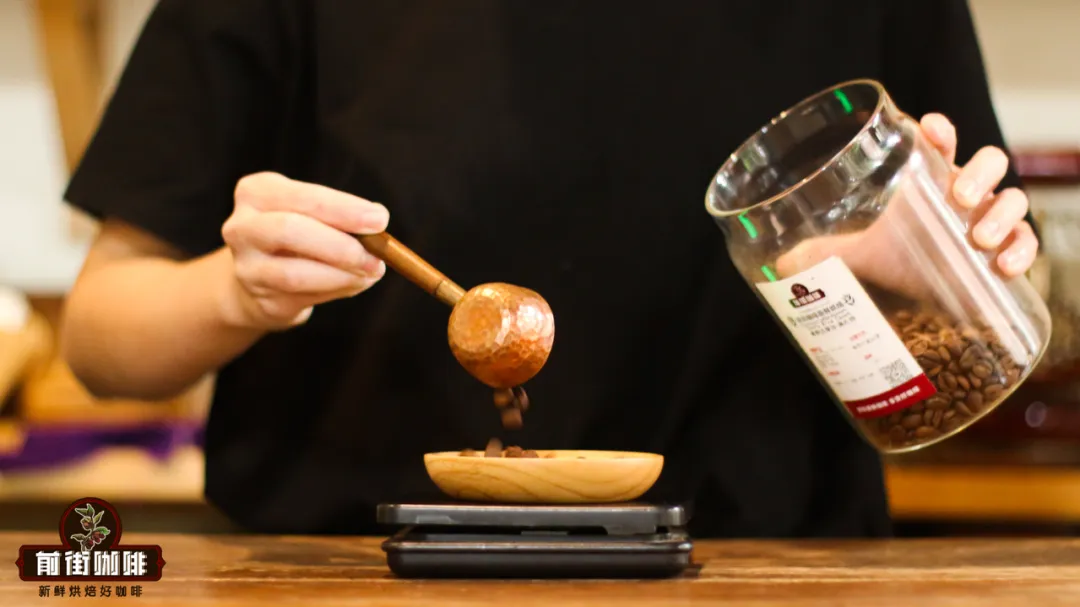
Some customers in cafes may find the use of a digital scale by baristas overly complicated. They think that just like seasoned chefs can season by feel and experience, baristas should also be able to brew good coffee intuitively, making the use of a scale seem somewhat unnecessary.
Indeed, even without a digital scale, it’s possible to brew a cup of coffee with decent taste using estimation, spoons, or cups. But this method lacks consistency — especially for beginners, if they brew "blindly" based solely on intuition, each result might be as unpredictable as opening a mystery box.
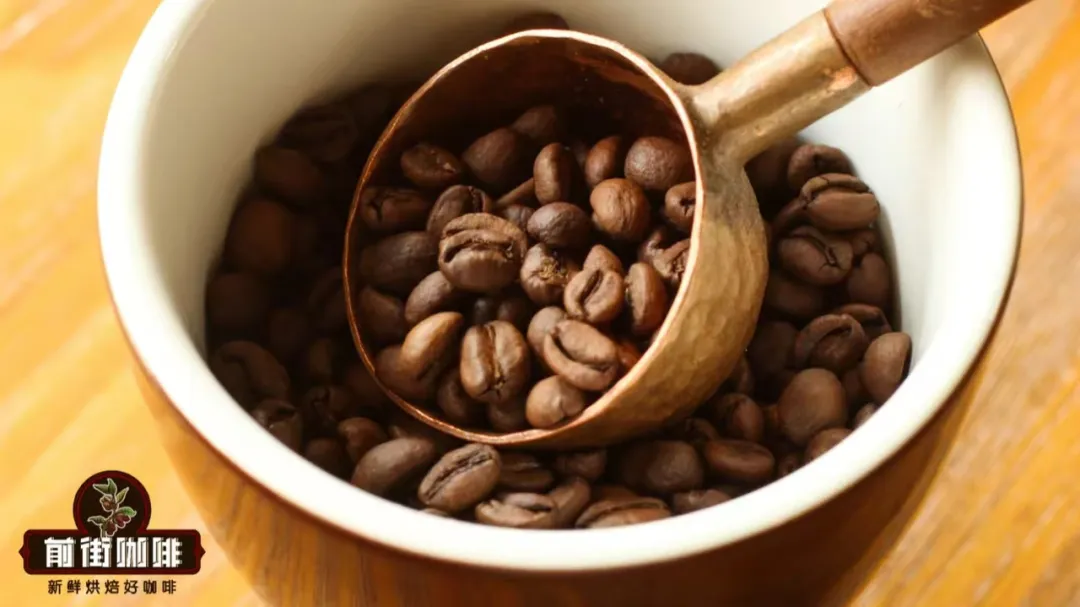
So, why is using a digital scale so important when brewing coffee? The key lies in the fact that a good cup of coffee typically has a moderate concentration and enjoyable flavors, which actually involve achieving an “appropriate extraction yield and concentration range.” To consistently reach this range, you need to precisely control the ratio of coffee dosage to water volume for each brew.
A digital scale helps us use consistent coffee dosage and water volume each time, reducing variables — something that’s hard to achieve through estimation or standard measuring tools. Common spoons, for instance, may seem standardized, but in reality, the measured weight can vary significantly between coffee beans of different roast levels.

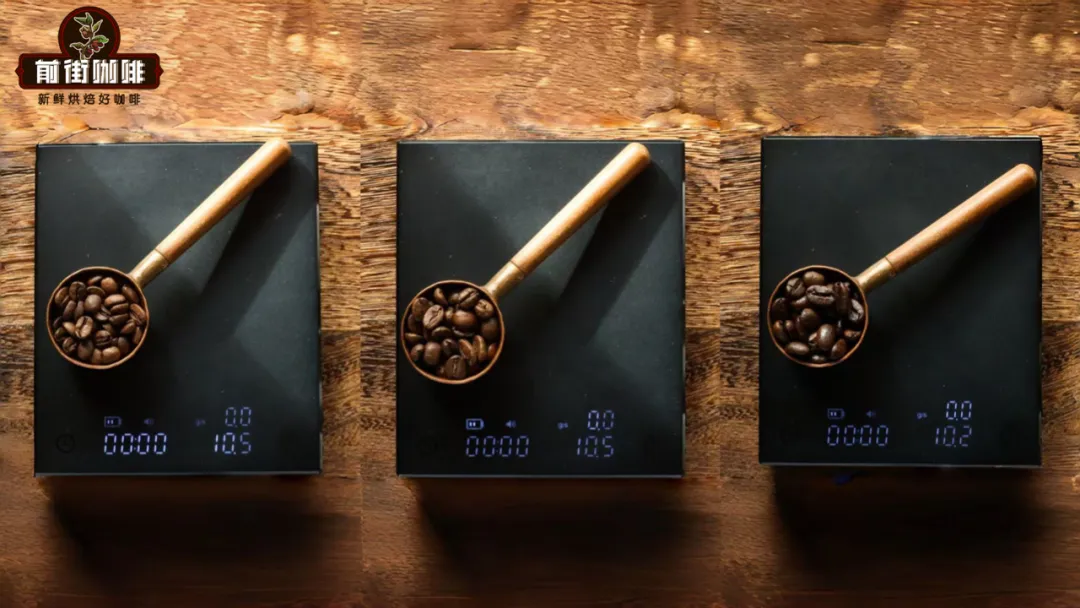
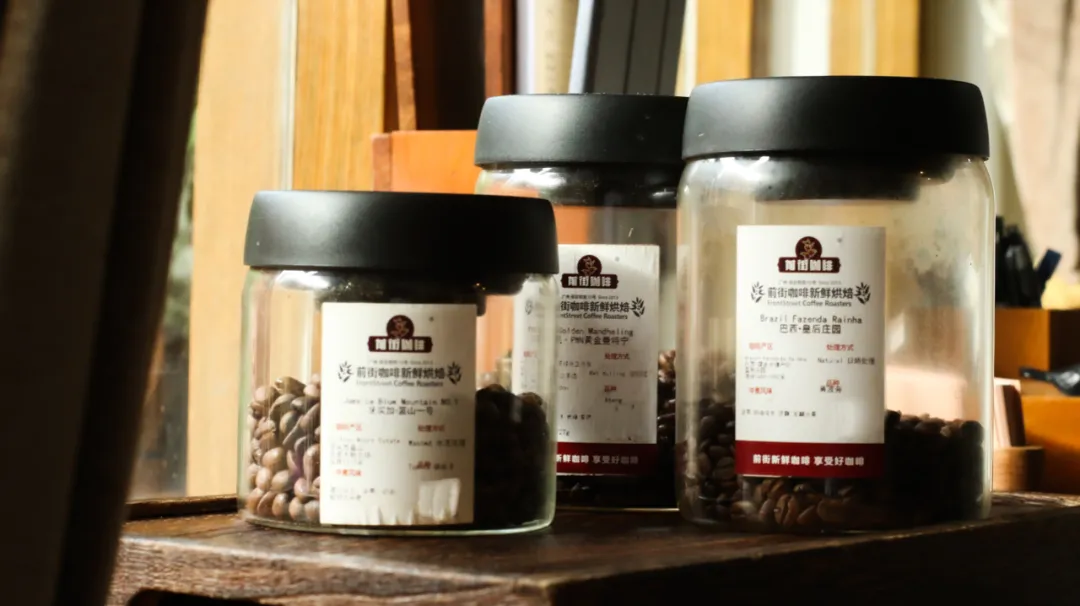
For example, a standard coffee scoop is labeled as having a 10-gram capacity. When using dark roasted beans, a level scoop usually weighs around 10 grams, with an error generally within 0.5 grams, which is relatively stable. Test data shows that dark roasted beans such as Brazilian Queen Estate, Jamaican Blue Mountain No.1, and Sumatra Golden Mandheling all weighed within the range of 10g ± 0.5g when measured with a scoop.
However, the situation changes drastically when using light roasted beans. Take Ethiopian Yirgacheffe Guddina, Ethiopian ALO, and Panamanian Boquete Geisha as examples: for the same one-level-scoop amount, the actual measured bean weights were 13.4g, 12.7g, and 11.7g respectively — all well above the expected 10 grams, with differences of several grams.
This difference mainly stems from varying roast levels: dark roasted beans expand in volume and have lower moisture content, resulting in a lighter overall weight; whereas light roasted beans are denser, smaller in volume but heavier in weight. Ignoring this factor and using the same water volume could lead to higher concentration due to excessive coffee grounds, negatively impacting the taste.
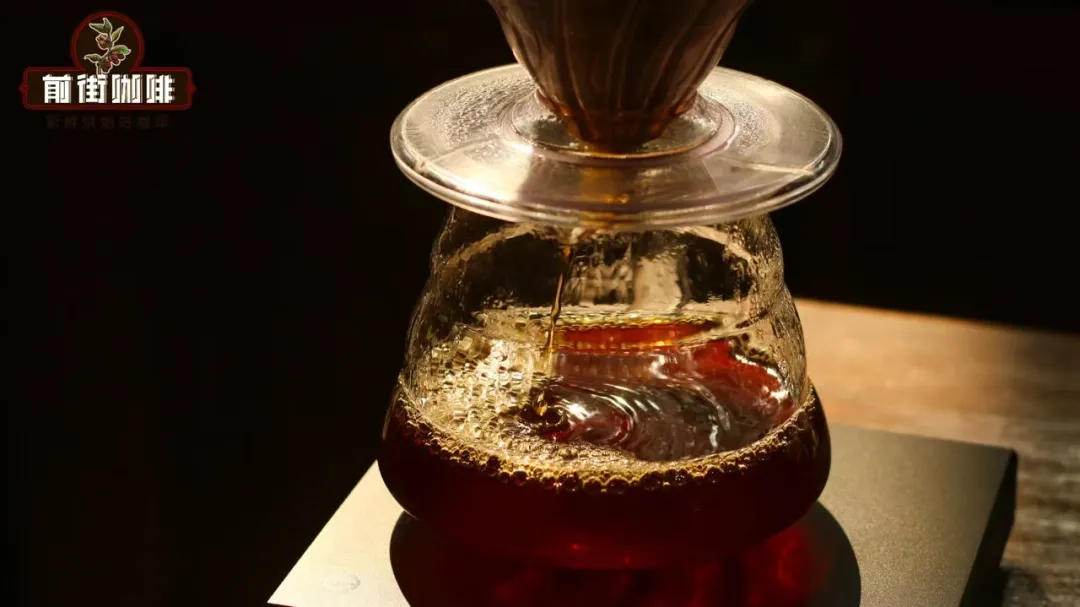
To illustrate more直观ly, an experiment was conducted: using 10g and 13g of Boquete Geisha beans, both brewed with the same water volume (150ml) via pour over. The results showed that the 10g brew had a moderate concentration, with clear flavors featuring white floral notes, citrus, and berries; whereas the 13g brew, due to its high concentration, tasted heavy, with delicate flavors hard to discern — it even required dilution with water to adjust to a drinkable state.
Apart from coffee dosage, controlling liquid weight is another crucial factor affecting coffee quality. Many people brewing espresso tend to rely on the markings on the cup as a guide, but this method is actually not very accurate.
Even if two shots of espresso appear to have similar liquid heights, their actual weights may differ due to variations in crema and extraction yield. For instance, medium-light roasted Ethiopian Huakui and medium-dark roasted classic blends may have the same liquid height after extraction, but due to differences in crema and the body of the espresso, their actual weights and flavors will also vary.
For those new to coffee, relying solely on cup markings to judge liquid volume can easily lead to inaccurate measurement of actual extraction, thereby affecting the overall flavor presentation. Add unstable coffee dosage into the mix, and consistently brewing a good cup of coffee truly requires some luck.
In summary, if you hope to achieve stable and desirable coffee flavors every time you brew, or if you’re experimenting with adjusting extraction parameters and studying bean characteristics, then a digital scale will be an indispensable tool. Once you’re familiar with the basic logic of brewing and the traits of your beans, you can adjust your tool usage as needed — that’s also a completely viable option.
The above content is compiled by CoffeeHunters, a coffee news website.


