







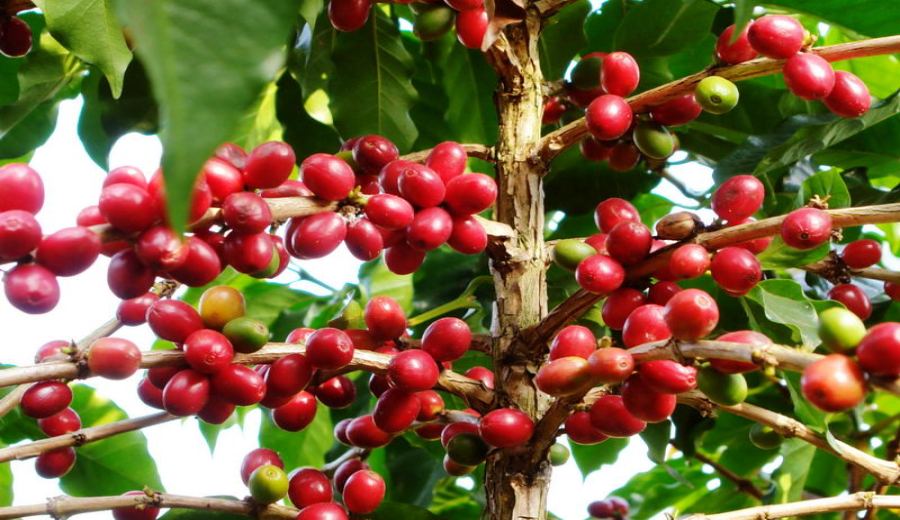
Introduction:Robusta is often seen as synonymous with cheap coffee, but its unique woody and nutty flavors, along with its practical performance in extraction, make it indispensable in commercial blends. This article delves into the differences between Robusta and Arabica varieties, explores suitable brewing methods, and analyzes key distinctions in aroma, acid-bitter balance, and processing techniques—helping you make more informed coffee choices based on your preferences.
Among the two major coffee varieties, Arabica is widely praised for its delicate floral and fruity aromas and balanced acidity and sweetness, while Robusta is often known for its intense woody notes and strong bitterness, commonly used in instant and blended coffees. But does this mean Robusta has no value? In fact, this coffee bean possesses a distinctive personality and practical characteristics, especially in commercial blends and specific brewing methods, where it holds an irreplaceable position.
This article will comprehensively examine the characteristics of Robusta—from its varietal origins, growing environments, flavor profiles to real-world applications—and compare it with various Arabica subspecies such as Typica, Bourbon, and Geisha, to help you understand the differences between these varieties and ultimately choose the coffee that best suits your taste.
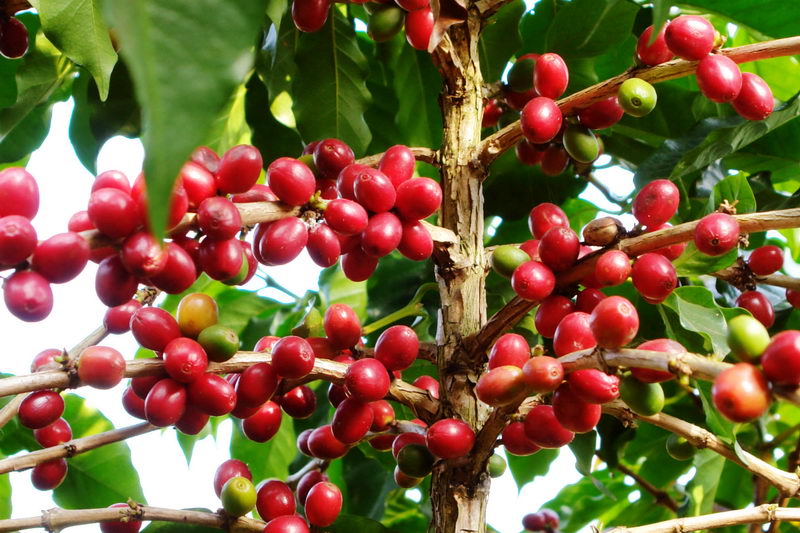
The world’s main coffee varieties can be categorized into three primary species: Arabica, Robusta (referred to here as “Robusta beans” for brevity), and Liberica. Among these, Liberica is rare and less commonly found in the market, so the mainstream still consists of Arabica and Robusta. Especially for those who want to deeply explore the world of coffee, the variety is often a key factor influencing the direction of flavor.
Arabica coffee is known for its elegant floral notes, fruity acidity, and multi-layered sweetness, making it suitable for single-origin coffee and the mainstream choice in specialty coffee. In contrast, Robusta, with its pronounced bitterness and coarser texture, has traditionally been used in espresso blends, canned coffee, and instant coffee. However, this distinction is not absolute; understanding their essence may give you a whole new perspective on Robusta.
Arabica is the oldest and most widely cultivated coffee variety, originating from Ethiopia and now grown in Central and South America, Africa, and Asia. Its growing conditions are relatively demanding, requiring altitudes between 600 and 2,200 meters, temperatures maintained at 15–24°C, and annual rainfall of about 1,200–2,200 mm. The large diurnal temperature variations at high altitudes allow the coffee cherries to fully accumulate flavor compounds, resulting in a complex yet smooth taste.
Typical Arabica coffee flavors include floral, citrus, nutty, and caramel notes, with a good balance between acidity and bitterness, and a caffeine content generally below 1.5%. Its beans are slightly elongated and oval-shaped, with pronounced and rounded wet aromas, making it highly accepted overall and thus the preferred choice in the specialty coffee market.

Among the many Arabica subspecies, “Typica” is the most original lineage, featuring bronze-colored top leaves, slender beans, delicate flavors, but low yield and weak disease resistance. Representative regions such as Jamaica Blue Mountain, Sumatra Mandheling, and Hawaii Kona all belong to this series. Another important subspecies, “Bourbon,” evolved from Typica, has rounder beans, rich flavors, and excellent cupping performance, and is widely planted in Central and South America.
In addition, “Geisha” is a derivative variety of the Typica family, initially discovered in the Geisha Mountains of Ethiopia, later introduced to Panama in the 1960s, and only gained international acclaim in the 2000s. The famous Geisha-growing farms in Boquete, Panama—including Hacienda La Esmeralda, Elida Estate, and NPGE—are currently the most renowned Geisha regions, known for flavors of jasmine, peach, honey, and tea-like notes, making them highly sought after by specialty coffee enthusiasts.
In comparison, Robusta has stronger environmental adaptability, able to grow at low altitudes from 0 to 800 meters and within temperature ranges of 18–36°C, with higher annual rainfall requirements of about 2,200–3,000 mm. Its beans are rounder, with a distinct “1”-shaped center line, and often carry a unique woody aroma, with an overall simpler flavor profile, prominent bitterness, and lower acidity.
Robusta has a caffeine content as high as 1.8% to 3.5%, and is rich in oils, often used in industrial coffee applications such as instant, canned, and espresso blends, helping to enhance the richness and intensity of the drink. Many commercial blend formulations contain around 10% Robusta to increase crema and add layers of texture.
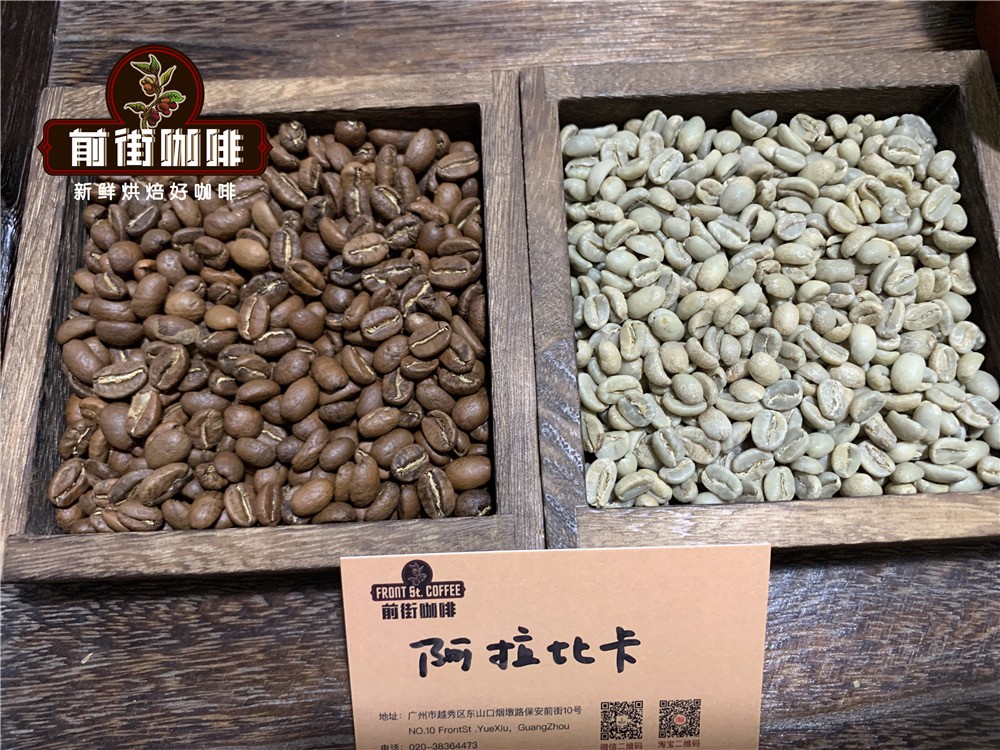
It is worth mentioning that Robusta is a “one fruit, one bean” variety, meaning each coffee cherry contains only one coffee bean, with a C-shaped center line; whereas Arabica is typically “one fruit, two beans,” occasionally yielding peaberries, which are rounder and flatter. Additionally, Robusta reproduces through cross-pollination, resulting in high genetic diversity and strong adaptability; whereas Arabica reproduces via self-pollination, leading to genetic stability but greater susceptibility to diseases.
Although Robusta is generally rated poorly, its potential should not be underestimated if cultivation and post-harvest processing are improved. Common issues include the harvesting of too many unripe beans, defective beans, and foreign matter, leading to low cupping scores. With refined processing methods and screening processes, Robusta can also present flavors of nuts, grains, and even subtle cocoa, rather than just a bitter impression.
For roasting and brewing choices, due to its high oil content and bold characteristics, Robusta is particularly suitable for espresso blends, helping to enhance crema thickness and overall mouthfeel richness. Many commercial blends mix 90% Arabica with 10% Robusta to balance flavor and intensity. If used for pour over, medium-dark roasting is recommended to suppress excessive off-flavors and highlight its nutty and cocoa profiles.
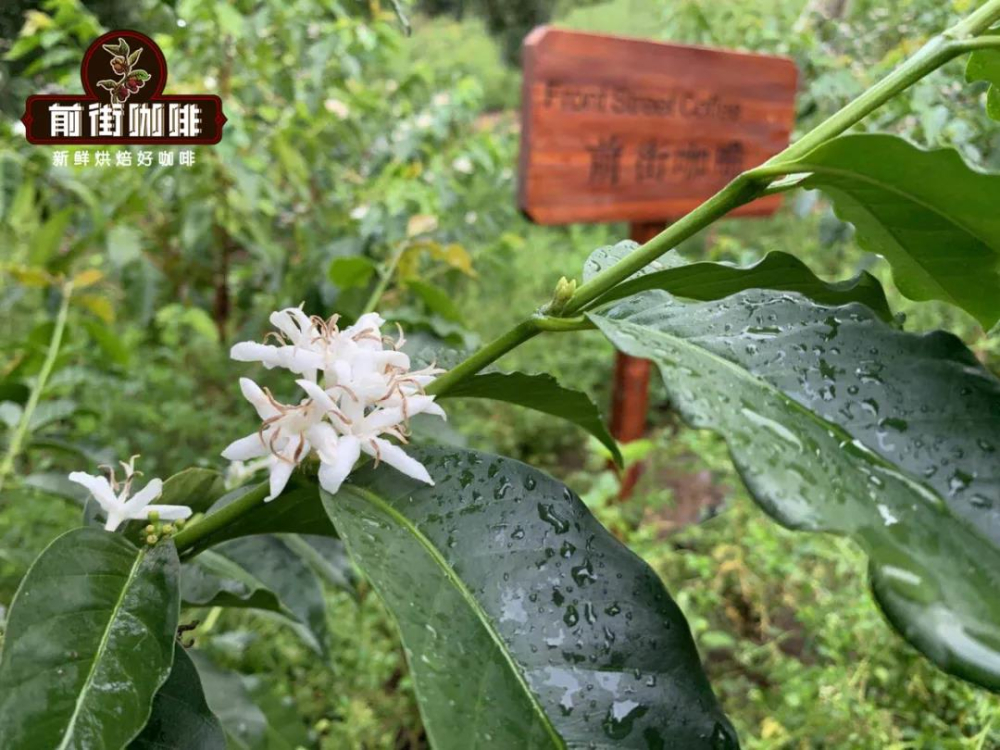
For coffee beginners or those seeking a bold flavor, understanding bean variety characteristics can help make more suitable choices. Arabica offers a fresh, distinctly acidic and sweet profile, ideal for those who prefer a delicate taste; whereas Robusta excels in boldness, bitterness, and oiliness, suiting those who prefer intense flavors or want to boost concentration in blends.
Regardless of which beans you choose, freshness is a core factor affecting flavor expression. It is recommended to select coffee beans shipped within five days of roasting and to let them rest for 4 to 7 days after arrival for degassing, allowing the flavors to fully develop. If choosing coffee powder, it should be used as soon as possible to avoid oxidation affecting aroma and taste. For the best flavor experience, whole beans and freshly ground brewing are highly recommended.
The above content is compiled by CoffeeHunters, a coffee news website.


