







Introduction:The moka pot is a classic brewing device found in the homes of many coffee enthusiasts, but questions about the safety of its aluminum material, whether it can be used in a dishwasher, and what precautions to take during operation often cause confusion. This article delves into the structure and working principle of the moka pot, explores the safety of aluminum moka pots, and provides over ten practical usage and maintenance tips to help you use the moka pot correctly, avoid common mistakes, and enjoy rich coffee with peace of mind.
As a classic Italian-style coffee device with a long history, the moka pot remains widely loved by coffee enthusiasts around the world. However, many users have concerns about its safety, especially regarding whether the aluminum material may release harmful substances, whether it can be washed in a dishwasher, and what potential risks exist during operation. In fact, as long as you master the correct usage and maintenance methods, not only is the moka pot safe, but it can also consistently brew rich and aromatic coffee.
Many people find the moka pot complicated to use and even worry about potential dangers during operation. These concerns mainly stem from two aspects: first, the moka pot has relatively high requirements for brewing parameters such as coffee-to-water ratio, heat intensity, and tamp pressure, which can be challenging for beginners; second, the pot usually lacks clear markings, making it difficult to accurately control the coffee-to-water ratio, which can lead to over-extraction or the risk of hot water spraying due to excessive pressure. However, by understanding its structural principles and following the correct operating steps, these issues can be effectively avoided.
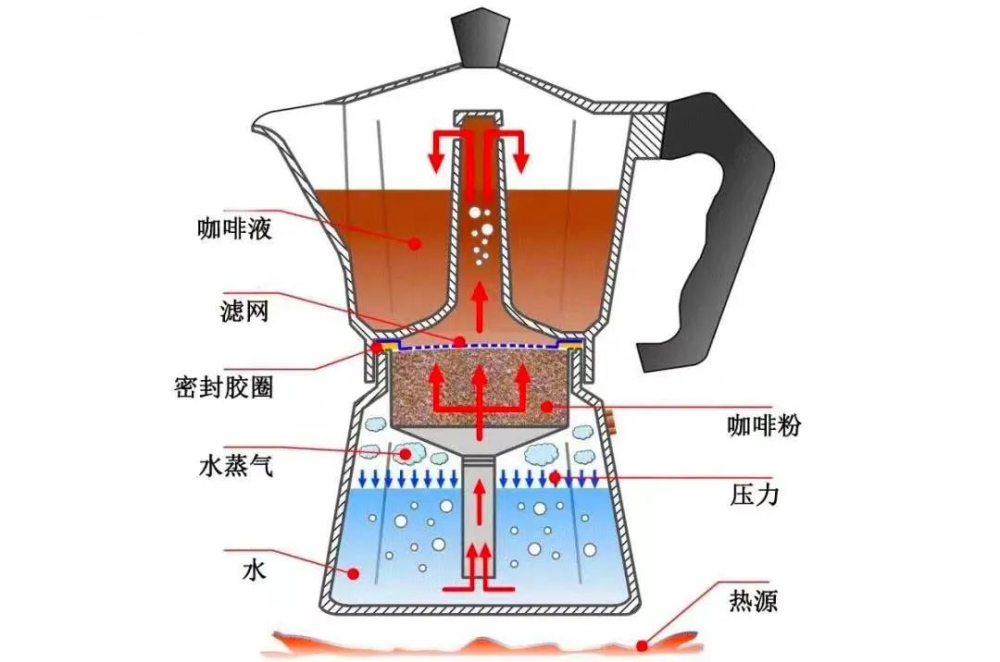
The moka pot is primarily made of aluminum alloy or stainless steel, and generally consists of three parts: the upper chamber, the coffee basket, and the lower chamber, connected by a central tube. The lower chamber is equipped with a pressure relief valve, which automatically releases pressure when the internal steam pressure becomes too high, preventing the pot from rupturing due to excessive pressure—an important safety feature.

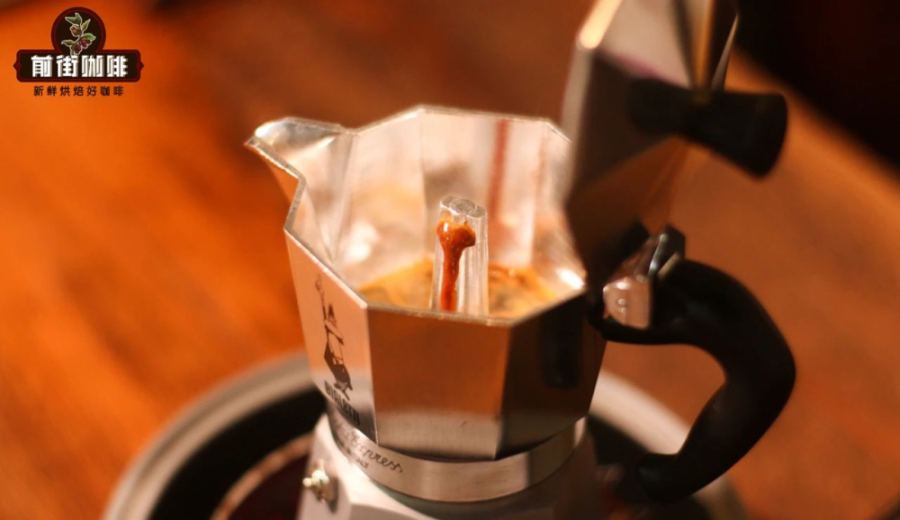
The moka pot operates by using heat to generate steam in the lower chamber, creating pressure that pushes the hot water up through the coffee-filled basket, then through a filter screen into the upper chamber, completing the extraction. Regardless of the model used, the following practical usage and maintenance tips are very important, as they can effectively enhance extraction quality and extend the moka pot’s lifespan.
First, for a newly purchased moka pot, it is recommended to perform two trial brews before the first actual use and discard the brewed coffee. This helps remove trace amounts of metal residues that may remain from the manufacturing process. Additionally, remember not to fill the lower chamber above the lower edge of the pressure relief valve to avoid abnormal pressure increases.
When filling the coffee basket, avoid excessively compacting the coffee layer. If using filter paper, also ensure its size does not exceed the surface of the coffee grounds, as this may lead to excessive pressure, causing steam leakage. This not only affects extraction but also increases the risk of burns and pot damage. After each use, make sure to thoroughly dry the lower chamber to prevent aluminum oxidation, which can impact the pot’s durability and coffee flavor.
In addition, the rubber gasket at the bottom of the upper chamber is a key component maintaining the airtightness of the pot. Its recommended replacement cycle is once a year, or every six months if used frequently, to prevent air or water leakage and avoid the danger of hot liquid spraying. When assembling the moka pot, try to avoid holding only the upper handle to tighten it, as doing so over time may cause the handle to loosen. The correct method is to tighten the entire structure by rotating the lower chamber. If the lower chamber contains hot water, be mindful of heat insulation to avoid burns during operation.
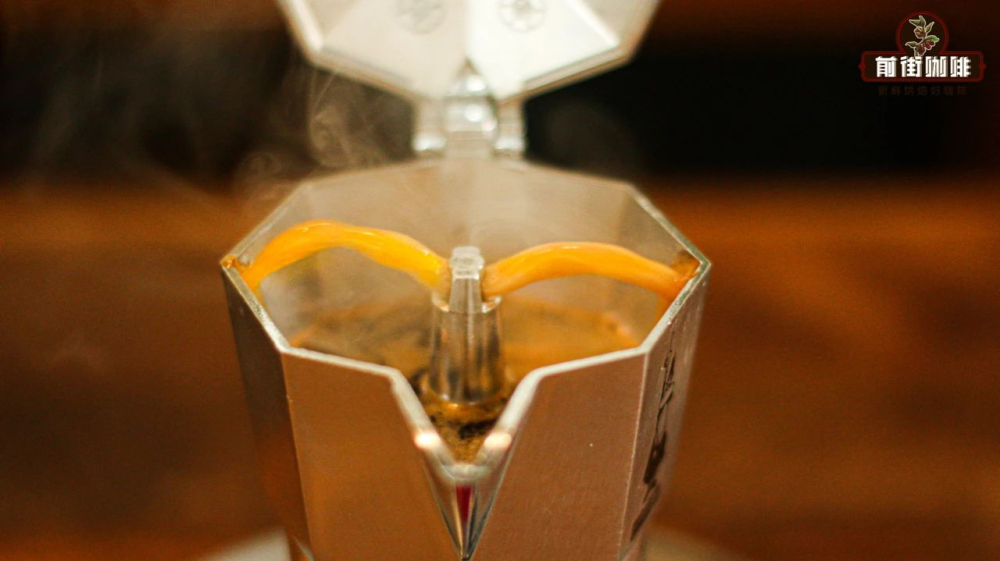
It is important to note that there are restrictions on how the moka pot should be heated. Generally, aluminum moka pots are suitable only for use on electric ceramic stovetops, open flames (such as gas or propane stoves), and small electric stoves, while stainless steel models are compatible with induction cooktops and other heat sources. Additionally, if you notice the coffee spraying into the upper chamber during extraction, it may be due to factors such as too much water in the lower chamber, overly coarse coffee grind, an unfilled coffee basket, excessive heat, or improper assembly of parts.
If you notice any leakage from the pot during use, it may be due to aging of the rubber gasket or an improper seal between the upper and lower chambers. New pots may also exhibit this issue during initial use, but it usually improves after three to four trial brews. When the pressure relief valve emits a sharp sound during heating, it usually indicates excessive internal pressure, which may be caused by overly fine coffee grounds, too much coffee, water level exceeding the valve, or improper installation of accessories—all of which require timely adjustment.
After use, it is recommended to rinse the moka pot immediately with water to avoid leaving coffee grounds that can cause odors or burnt, bitter tastes. Pay special attention to the filter plate, gaskets, and coffee flow channels, as long-term buildup of coffee stains may cause blockages and affect extraction efficiency. Once again, do not put the moka pot in the dishwasher, nor soak it in corrosive cleaning agents, to prevent damage to materials and structure.
Finally, when selecting coffee beans, it is recommended to prioritize medium to dark roasts, which can bring out a richer taste and more crema. These beans help the moka pot produce a bold and layered coffee flavor, making them ideal for coffee lovers who prefer an intense shot-like experience.
The above content is compiled by CoffeeHunters, a coffee news website.


