







Introduction:There are numerous coffee varieties, and different varieties exhibit visibly distinct characteristics in their plant morphology. This article focuses on seven common Arabica varieties—Typica, Bourbon, Geisha (also known as Gesha or Artisan), Caturra, Catuai, and Pacas-Malabar (Pacamara)—and provides a systematic observation method by examining specific traits such as plant height, leaf shape, fruit color, and branch angles. This helps readers quickly identify varieties based on physical plant characteristics, even without tasting the flavor, thereby deepening their understanding of coffee at its source.
The richness of coffee varieties is not only reflected in flavor complexity but also in the subtle differences in plant morphology. Understanding these traits allows coffee enthusiasts to recognize the uniqueness of different varieties by appearance before tasting. This article will detail the key identification points for seven major coffee varieties—Typica, Bourbon, Geisha (Artisan), Caturra, Catuai, and Pacamara—including critical parameters such as plant height, leaf tip color, leaf shape, fruit characteristics, and branch distribution, helping you develop an intuitive ability to observe varieties.
First, observing the overall morphology of the coffee plant is the first step in identification. FromPlant Heightperspective, Typica is a classic tall variety, capable of growing up to5 metersin height. Its main trunk is straight and upright, presenting a distinct conical silhouette. Theinternode spacingandbranch anglesare both relatively wide, typically ranging between50 to 80 degrees, resulting in a more open tree canopy. In contrast, Geisha (Artisan) also has a tall tree structure, but its branches grow at a more compact angle, generally between45 to 50 degreesupwards, forming an umbrella-like or flat-topped appearance, which is one of the most visually distinctive differences from Typica.
Leaf characteristics are also an important basis for identification. Typica leaves are relatively long and narrow, often exhibiting a unique bronze color at the leaf tip when young, turning deep green upon maturity. The leaf surface is smooth with inconspicuous wavy edges. Bourbon variety leaves, on the other hand, are broader, with clearly wavy edges, and the leaf tip color is usually green initially, though occasionally bronze may appear. The shape and arrangement of the leaves often reflect the genetic background and adaptability of the variety.
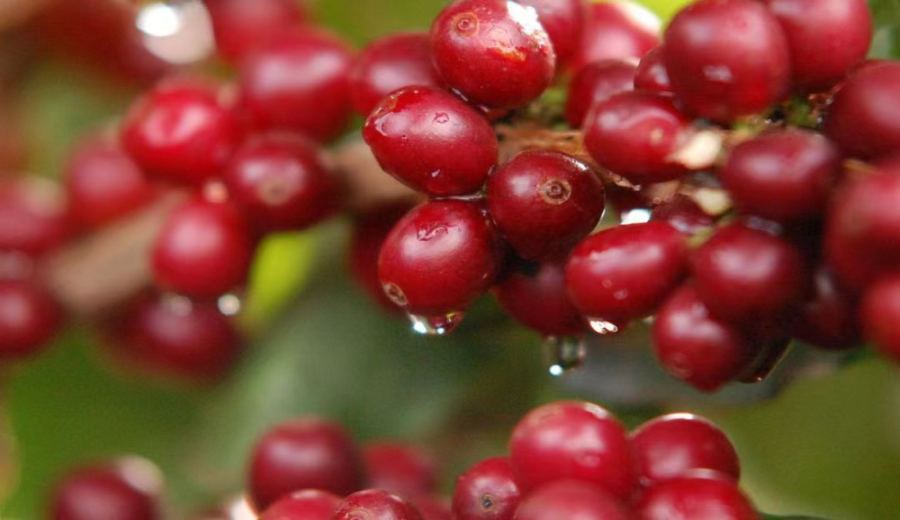
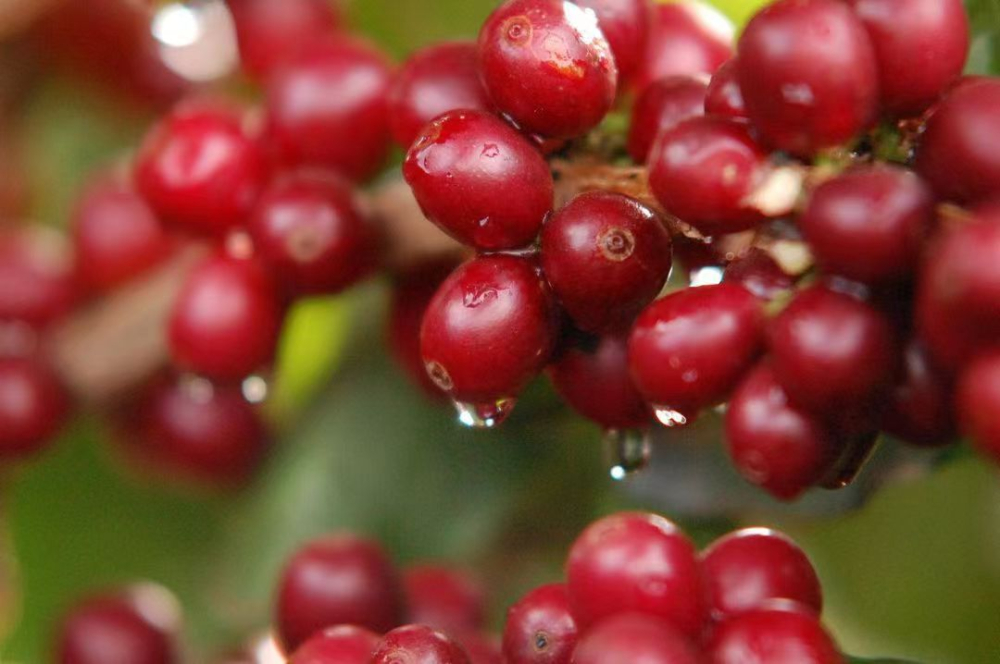
Fruit characteristics are also a key factor in distinguishing varieties. Both Typica and Geisha produce slender fruits that mainly turn bright red upon ripening. Bourbon fruits, however, are round and can appear in diverse colors such as red, orange, or yellow when ripe. This color variation is closely related to sugar accumulation within the pulp and the inherent traits of the variety.Caturra, a natural mutation of Bourbon, features noticeably shorter plants but denser foliage. Its fruits are also round, medium in size, and mostly ripen to red or yellow. Notably, Caturra has shorter internode and branch spacing compared to its parent, resulting in a more compact and lush overall tree structure.
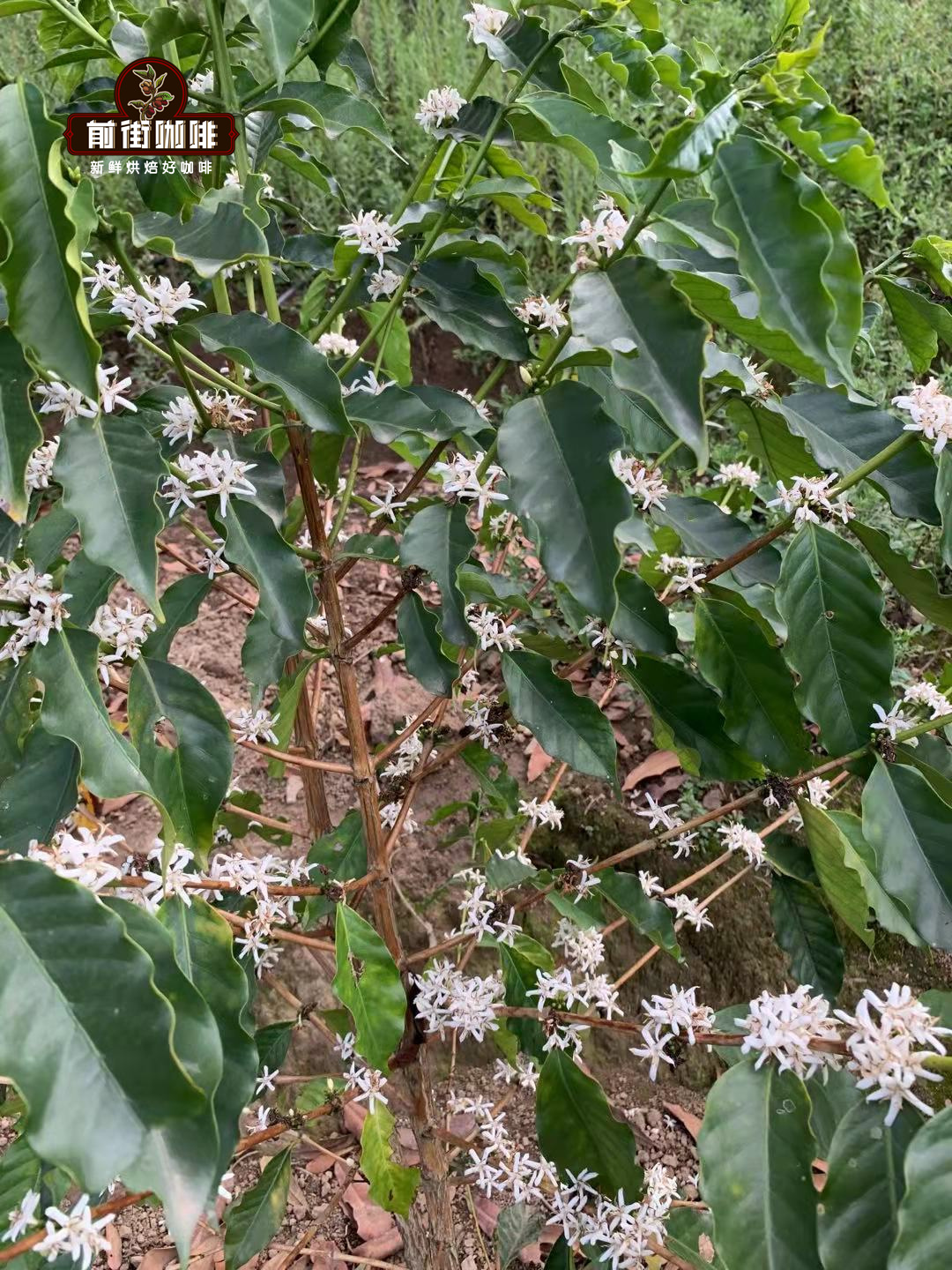
Catuaiis a hybrid offspring of Mundo Novo and Caturra, inheriting mixed traits of both Typica and Bourbon. It is relatively short in stature, with side branches nearly perpendicular to the main branches, and rarely develops secondary branches at the top, giving it a more open umbrella-like appearance. The leaves also have wavy edges, with leaf tips mostly green, but the fruits have strong attachment, making them less prone to falling off due to wind or rain. This makes it an ideal cultivar for regions with strong winds.
Pacamarais a rather unique variety, resulting from a cross between Pacas and Maragogype. While its plant traits may vary across generations, it still retains some distinct characteristics. Its fruits are larger in size, and the leaf morphology is unique, possibly featuring green or bronze-colored leaf tips. The plant type is compact with short branch spacing, forming a dense canopy. The main trunk and branches are relatively thick but less elastic. These combined traits give Pacamara a high degree of visual recognizability.
In summary, from the overall plant silhouette, leaf morphology, fruit characteristics, to branch distribution, each variety exhibits its own unique traits. Typica is known for its tall tree structure and slender fruits, Bourbon showcases a fuller canopy and diverse fruit colors, Geisha (Artisan) stands out with its umbrella-shaped tree and slender fruits, Caturra and Catuai demonstrate dense growth and stable fruit attachment, while Pacamara attracts attention with its large fruits and distinctive leaf shape. Mastering these observational points allows you to gain a deeper understanding of the uniqueness of different varieties through the plants themselves, even before tasting the coffee.
The above content is compiled by CoffeeHunters, a coffee news website.


