







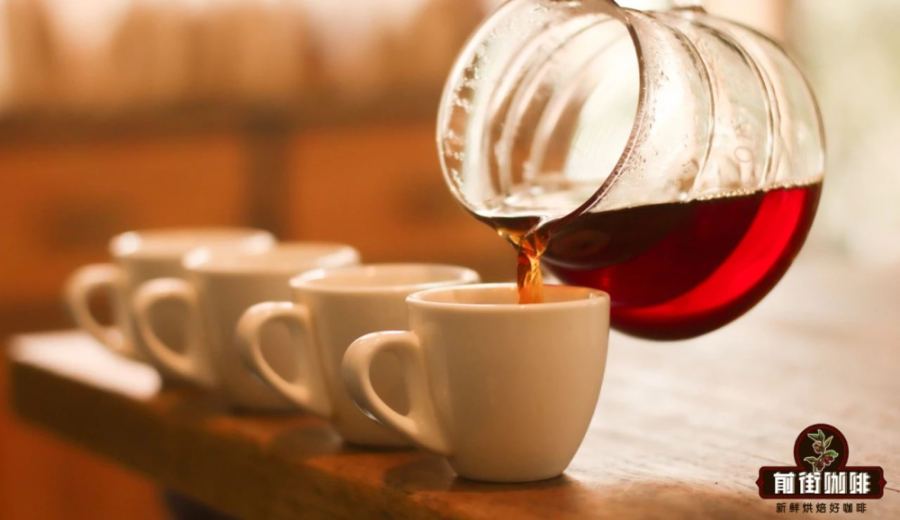
Introduction:To easily brew a cup of coffee with outstanding flavor at home, the key lies in choosing the right equipment and mastering basic techniques. This article provides a comprehensive introduction to pour over (using the Hario V60 as an example), AeroPress, moka pot, French press, Chemex, semi-automatic and fully automatic espresso machines, as well as drip coffee makers—covering their suitable scenarios and practical tips. From wetting the filter paper, blooming, water temperature control to pouring techniques, it explains in simple terms the flexible use of various brewing methods, helping you find the most suitable home brewing solution based on your needs and budget.
Enjoying a good cup of coffee at home doesn’t have to be the exclusive domain of professional baristas. With a grasp of basic equipment operation and extraction concepts, you can consistently brew coffee that meets your expectations according to your personal taste and lifestyle. Common home coffee equipment on the market includes pour over tools, AeroPress, moka pot, French press, Chemex, semi-automatic and fully automatic espresso machines, as well as drip coffee makers. Each has its unique advantages and suitable scenarios.
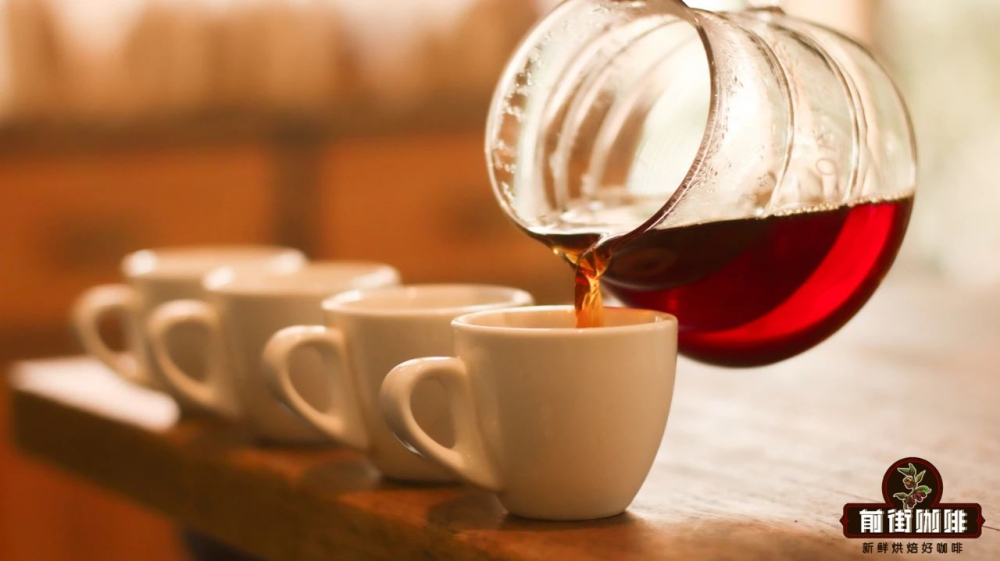
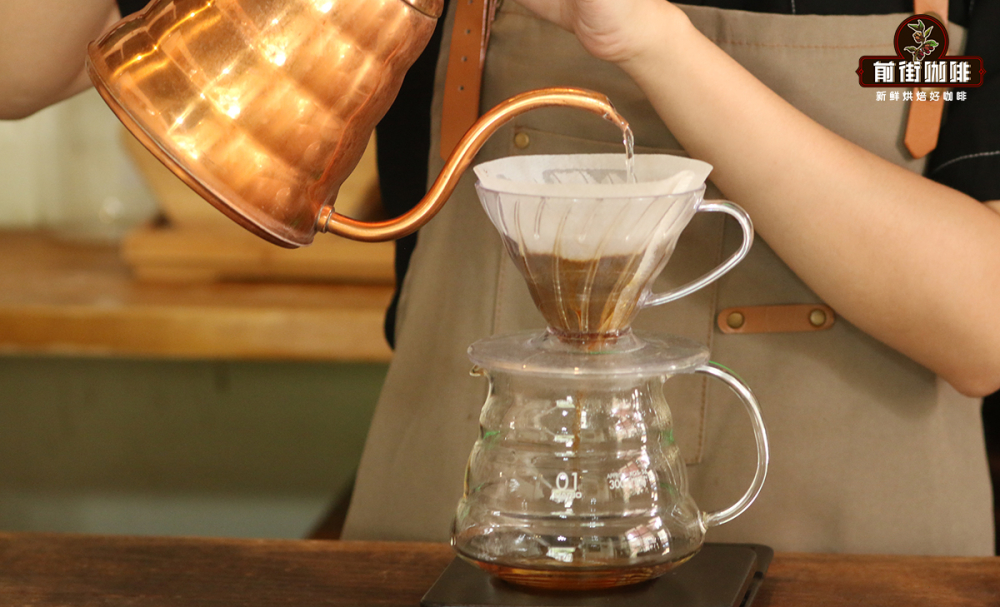
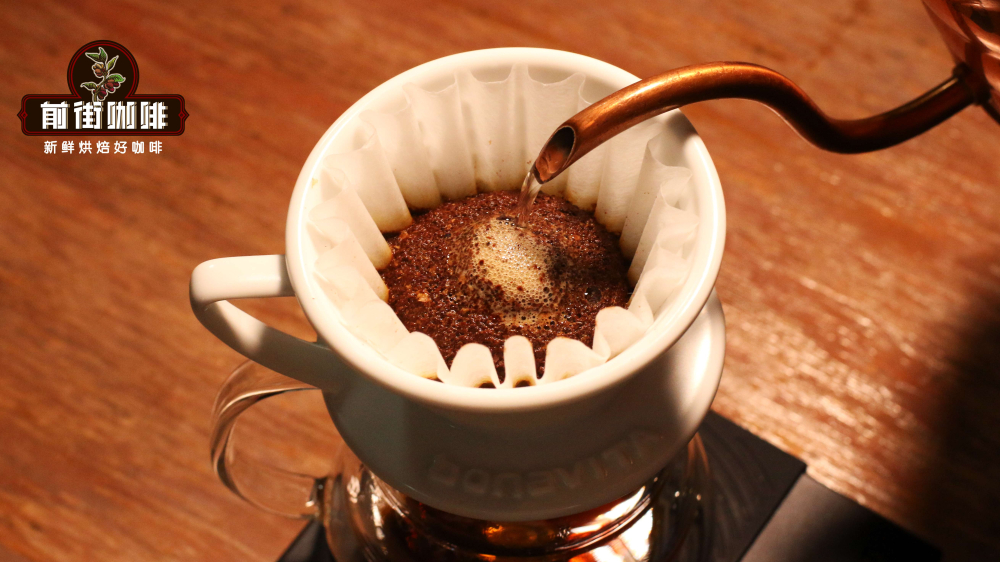
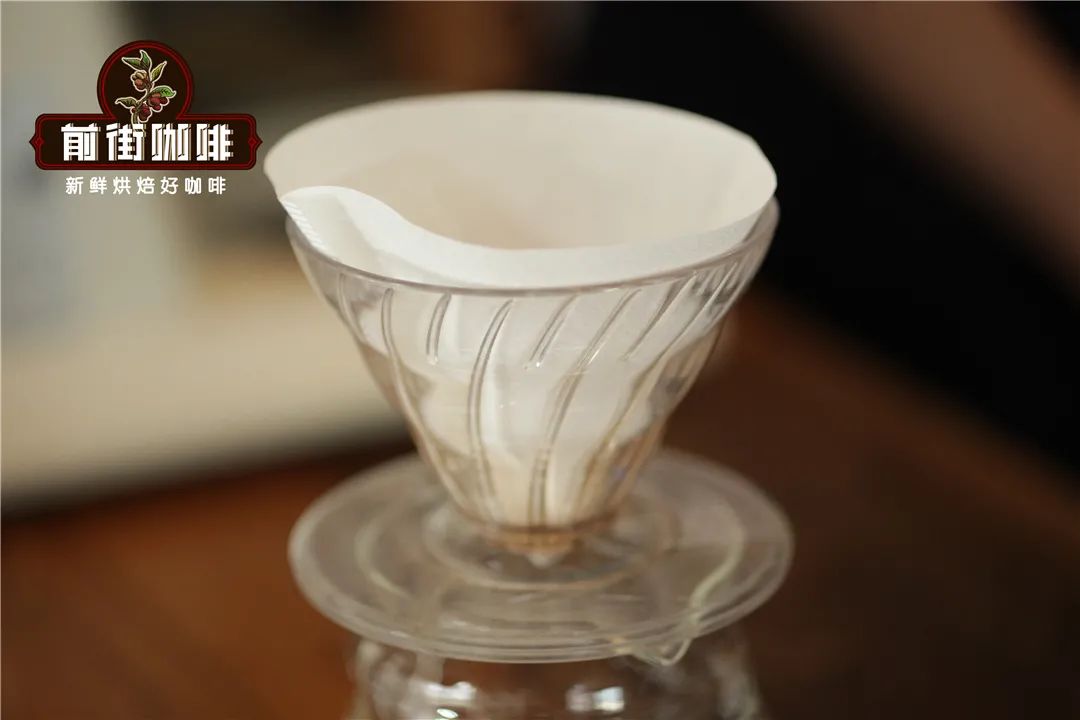
Pour Over Coffee (Using Hario V60 as an Example)—ideal for coffee enthusiasts who enjoy manually controlling each variable and exploring the diverse flavors of coffee. When using the V60, whether or not to pre-wet the filter paper depends on personal preference; some users believe it helps remove the paper taste, while others prefer the original flavor of direct contact with the coffee grounds. After placing the coffee grounds into the filter cone, it is recommended to first pour a small amount of hot water forblooming (about 30 seconds, with water volume about 2–3 times the weight of the coffee grounds)to awaken the coffee grounds and release their aroma. Then, you can proceed with the main pour based on your preferred coffee-to-water ratio (commonly around 1:15–1:16). The pouring does not have to strictly follow concentric circles—you can adjust the pouring speed and path as needed, and even performstirringmoderately to promote even extraction. The overall extraction time is usually controlled at around 2–3 minutes, and finally, the filter cone is placed on the server to let the coffee drip through naturally.
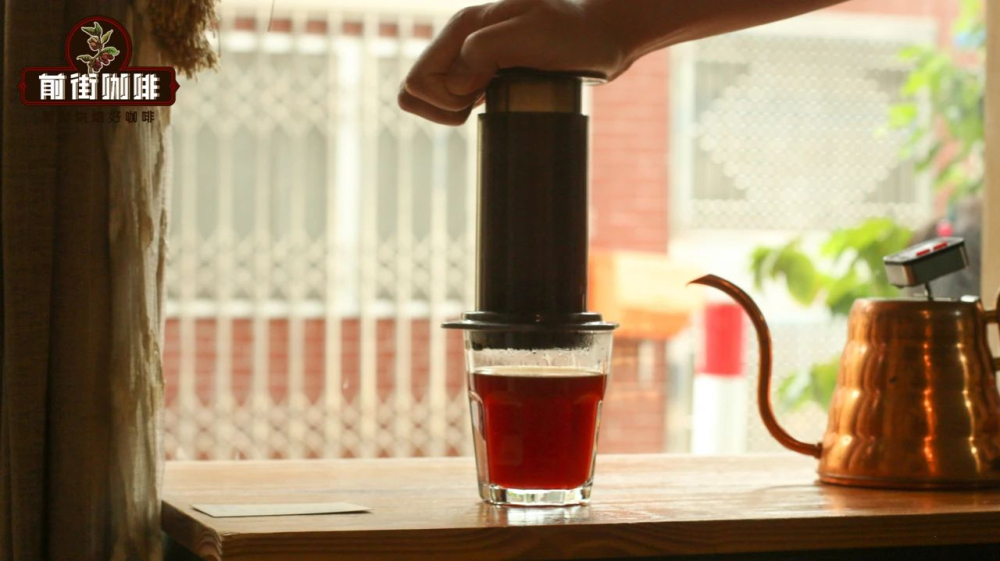
AeroPress is a versatile, portable, and intuitive coffee tool, suitable for users who seek bold flavors and diverse brewing methods. Its annual World AeroPress Championship is more of a gathering for coffee lovers to exchange ideas rather than a strict competition. One of the greatest features of the AeroPress is that it can be used for both positive and reverse brewing: positive brewing allows the coffee to drip out as it filters, which may affect flavor layering; whereas reverse brewing retains more details and body, so many users prefer the reverse method. Additionally, due to its metal construction, the AeroPress has good heat retention and doesn’t cool down easily, but water temperature control is still important. It is recommended to use low-temperature pouring at 84°C ± 2°C, which helps present a more balanced and mellow coffee flavor, avoiding over-extraction bitterness caused by high temperatures.
Moka Pot is the top choice for those who love intense Italian-style coffee, ideal for quickly making espresso-like coffee at home. It works by heating the bottom water chamber to create steam pressure, pushing water through the middle coffee grounds layer to extract a highly concentrated coffee liquid. When using a moka pot, it’s recommended to choose medium-dark to dark roasted coffee beans to match its high-pressure extraction characteristics, bringing out rich crema and roasted aromas.

If you’re after minimal operation and convenience,French Press is the most user-friendly option. Simply steep coarse-ground coffee powder with hot water (around 90–93°C) for 3–4 minutes, then gently press the filter, and you can enjoy a cup of coffee with a full body and delicate sediment. The French press requires no complex skills, making it suitable for busy or beginner coffee drinkers—it’s the epitome of “enjoying coffee in the simplest way.”
Chemex Not only is it an aesthetically pleasing coffee tool, it’s also great for brewing multiple servings at once, especially favored by those who appreciate a sense of ritual or have a literary flair. It uses thick filter paper that effectively filters out fine coffee particles, resulting in a clean and bright cup of coffee, suitable for medium-light roasted beans to highlight fruity acidity and floral notes.
Advanced users who want to make café-quality espresso at home can considersemi-automatic or fully automatic espresso machines. Semi-automatic machines require manual tamping of coffee grounds, demanding higher control over grind size, tamping pressure, and extraction time—but this also allows for a more precise, barista-level extraction, suitable for users seeking professional flavors. Fully automatic machines integrate grinding, dosing, and extraction processes, offering more convenient operation, but with more complex mechanisms and higher cleaning and maintenance costs. Regardless of which you choose, since espresso machines generally use high water temperatures (around 90–96°C) and very fine grinds, along with high-pressure extraction, it isrecommended to prioritize specialized espresso blends, such as beans with flavors of nuts, cocoa, caramel, chocolate, or cookies, which can more effectively avoid the sourness or astringency that may come from light roasts, enhancing overall flavor harmony.
Finally,drip coffee makers (also known as American-style automatic coffee machines) are the most common and convenient option for homes and offices. They are easy to operate, typically completing brewing within 5–8 minutes, and are suitable for users who don’t seek strong crema but also don’t want instant coffee. However, because they use normal-pressure hot water for brewing, they cannot effectively extract coffee oils, resulting in a lighter overall flavor, though still providing a stable and basic coffee experience.
The above content is compiled by CoffeeHunters, a coffee news website.


