







Category: Coffee Knowledge

What’s the difference between Indonesian Golden Mandheling and G1 Mandheling? Master brewing parameters and flavors in one go
Mandheling coffee from Sumatra, Indonesia is renowned for its rich flavor, and the Golden Mandheling produced by PWN is a representative of the premium market. So, what sets Golden Mandheling apart from regular G1 Mandheling? From bean selection criteria and processing methods to brewing techniques, this article provides a detailed breakdown of the key differences between the two, along with practical three-stage pour over parameters to help you brew a clean, balanced, and layered Mandheling coffee at home. [more…]
How to Choose Panamanian Geisha Green Label from Finca La Esperanza? A Complete Guide to Region, Grade, Pour Over Parameters & Flavor
The Geisha coffee from Finca La Esperanza in Panama has long been renowned for its rich floral and fruity aromas and bright acidity. Among them, the Green Label Geisha is an approachable yet premium choice many coffee enthusiasts aspire to try. This article delves into the microclimate differences among the three main growing regions of La Esperanza, helps you understand the grading criteria for Red Label, Green Label, and Green Label, and thoroughly breaks down the natural processing method of the Green Label as well as the Guadalupe drying technique. It also provides practical pour over recommendations and flavor profiles for all three grades, helping you find the Geisha experience that suits you best. [more…]
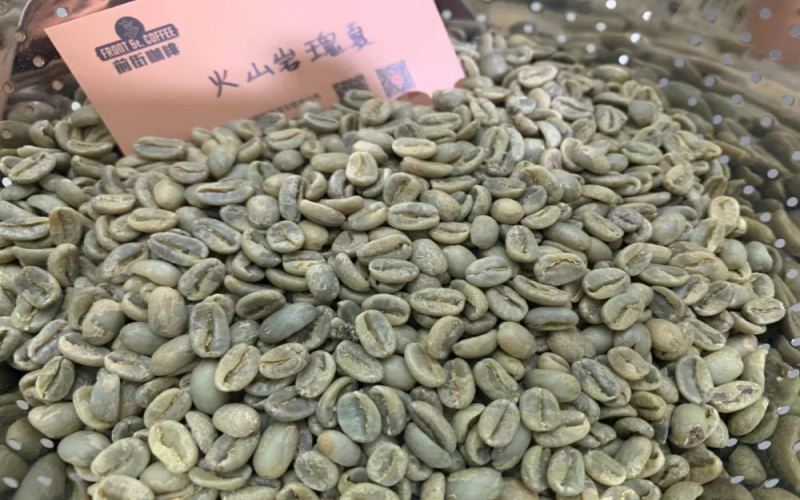
Has the Jade Blue Label Geisha been discontinued? A full analysis of the Las Rocas volcanic rock Geisha that took over after 2021
In 2021, Finca Jade suddenly discontinued its highly popular Blue Label Geisha. Soon after, a Panamanian Boquete region Geisha coffee bean named Las Rocas appeared on the market, sparking industry speculation about whether it was a replacement for the Blue Label. This article delves into the grading system of Finca Jade's Geisha, the distribution of its three core growing regions, and the differences in processing methods. It tracks the reasons behind the discontinuation of the Blue Label, and provides a complete introduction to the origins, processing, and flavor profile of the Las Rocas volcanic rock Geisha. [more…]

How to Brew Panamanian Emerald Blue Label Geisha? A Complete Guide to Origin, Processing Method, and Pour Over Parameters
The Blue Label Geisha from Panamanian Emerald Estate is often the first choice for many coffee enthusiasts exploring high-quality Geisha. This article provides an in-depth analysis of the origin, plot distribution, evolution of processing techniques, as well as the 2020 addition of the natural processed version and market changes after 2021. It also offers a professional three-stage pour over brewing guide and precise roasting parameters to help you brew at home with captivating floral-fruity aromas and bright acidity. [more…]
An Introduction to Panama Finca Geisha's Blue Label Geisha: Grade, Natural Processing, and Pour Over Parameters – A Complete Guide
If you want to experience the flavors of Geisha within a reasonable budget, the Blue Label has always been the go-to entry point. In 2020, Finca Geisha first introduced a natural-processed version of the Blue Label Geisha, offering the market a new option. This article delves into the distribution of the three growing regions of Finca Geisha, the grading criteria for the Red, Green, and Blue labels, the differences between washed and natural processing, and provides practical pour over parameters along with a three-stage brewing technique. It also outlines the flavor profiles of each grade, as well as the Las Rocas volcanic rock Geisha that followed the discontinuation of the Blue Label in 2021. [more…]

Yirgacheffe Pour Over Beginner's Guide: Regional Flavors, Washed Processing & Step-by-Step Extraction
Yirgacheffe coffee is renowned for its bright floral-fruity aromas and vibrant acidity, making it a top choice for many pour-over enthusiasts. This guide dives deep into the regional characteristics of this iconic Ethiopian bean, explores how washed processing shapes its clean citrus notes, and details an advanced three-step beginner-friendly pour-over technique—including grind size, water temperature, brew ratio, and pouring method—to help you precisely replicate professional-grade flavors. [more…]
Complete Guide to Yirgacheffe Coffee: From Region to Brewing, Understand the Flavor Differences Between Washed and Natural Processing All at Once
Yirgacheffe is the most representative specialty coffee region in Ethiopia, known for its bright citrus acidity and vibrant floral and fruity aromas. This article provides an in-depth analysis of the region’s grading system, the key differences between washed and natural processing methods, and offers practical roasting and pour over parameters. It takes you from the background of the origin to the flavors in the cup, giving you a comprehensive understanding of the diverse profiles and brewing techniques of this classic coffee. [more…]

Macchiato vs. Caramel Macchiato: A Guide to Their Differences in Flavor & Origins
Do you often confuse a macchiato with a caramel macchiato? Do you think a macchiato is just a sweet milky coffee without caramel? In fact, they’re quite different. This article will delve into the flavor characteristics of a macchiato, provide a detailed introduction to its origins, and focus on explaining the fundamental differences between it and a caramel macchiato—helping you clearly distinguish between these two easily confused coffee drinks and gain practical coffee knowledge. [more…]

Can Yirgacheffe pour over beans be used for Americano? SOE extraction techniques and flavor analysis
Many coffee enthusiasts are particularly fond of the fruity and floral notes of Yirgacheffe pour over beans, but is this classic bean from Ethiopia suitable for making American-style black coffee? This article delves into the flavor characteristics and extraction principles of Yirgacheffe, and provides practical pour over and SOE extraction parameters to help readers understand how to brew a bright and clean yet layered Americano using these high-acidity beans. [more…]
Complete Guide to Guatemalan Coffee: Exploring Eight Major Regions, Volcanic Soil, and Featured Varietal Flavors
Delve into the coffee-growing regions of Guatemala, a major Central American coffee-producing country, and understand how its terrain and microclimates influence flavor profiles. Learn how to choose the right beans for pour over or dark roasting based on different regions and varieties. This article provides a comprehensive overview of the characteristics of Guatemala’s eight major coffee regions, their representative flavor profiles, and the main coffee varieties grown, helping coffee enthusiasts select the finest single-origin Guatemalan coffee that suits their taste. [more…]

An Introduction to Costa Rican Coffee: Explore the Tarrazú Region’s Characteristics, Processing Methods, and Pour Over Recommendations All in One Go
Costa Rican coffee is renowned for its balanced and delicate flavor profile, with a well-harmonized interplay of acidity, sweetness, and bitterness, making it a top choice for many beginners and advanced coffee enthusiasts alike. This article delves into the characteristics of the country’s major coffee-growing regions, with a special focus on the high-altitude Tarrazú region. It introduces classic varieties such as Bourbon and Caturra, and compares the flavor impacts of washed and honey processing methods. Practical pour over parameters are also provided to help you brew clean, bright, and layered Costa Rican coffee at home. [more…]
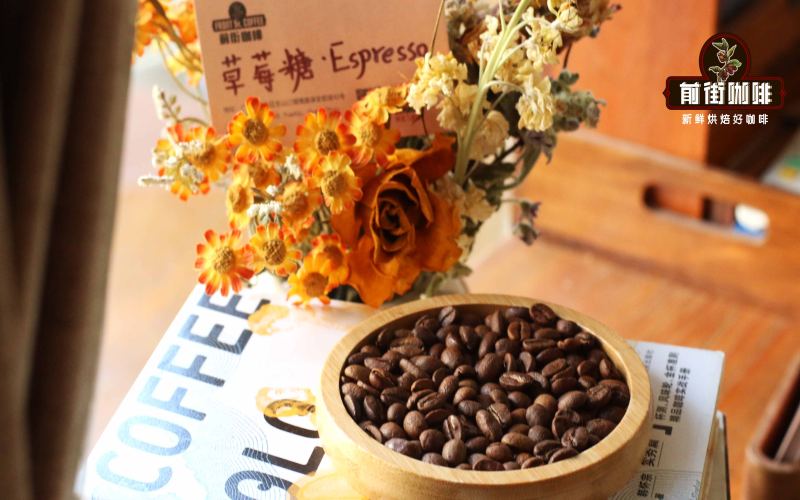
A Comprehensive Guide to Costa Rican Coffee Flavors: Honey Processing, Tarrazú Region Characteristics, and Recommended Beans
Costa Rican coffee is renowned for its bright acidity, rich aroma, and balanced flavor profile, with honey processing being its most distinctive feature. This article delves into the definition and steps of honey processing, analyzes the strengths of the seven major coffee-growing regions in the country—namely Central Valley, Tarrazú, and Brunca—and highlights the high-altitude and strictly hard bean characteristics of Tarrazú. It also features three popular beans from Tarrazú, examining their regional background, processing method, variety, and flavor profile. Finally, it provides recommended parameters for brewing with the V60 pour over. [more…]
The Ultimate Guide to Pour Over Brewing with Colombian Huila Coffee: Drip Techniques & Andes Flavor Secrets
Want to master brewing coffee from Colombia’s Huila region? This guide starts with the details of pour over kettle operation, analyzing the optimal grind size, water temperature, and pouring techniques to help you extract a balanced flavor with bright acidity and a rich finish. It also delves into the altitude advantages and microclimate characteristics of the Huila area, helping both beginners and advanced enthusiasts improve their pour over skills. [more…]
Colombian Coffee Pour Over Guide: Analysis of Five Flavor Profiles and Optimal Brewing Parameters
Colombian coffee is renowned for its balanced and nuanced flavors, making it a top choice for many coffee enthusiasts starting their single-origin journey. This guide delves into the processing methods, flavor profiles, and recommended brewing parameters—including grind size, water temperature, coffee-to-water ratio, and the three-stage pouring technique—for five popular Colombian beans suitable for pour over. It also helps you gradually master how to adjust your brewing strategy based on different processing methods, bringing out the unique layers of each bean. [more…]
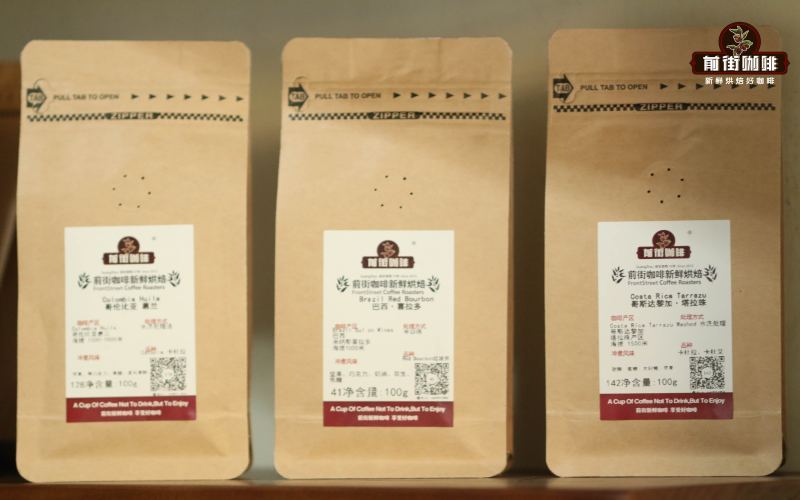
Colombia Coffee Bean Region Grading and Flavor Guide: How to Choose from MAM to Huila?
Colombia is the world's second-largest producer of Arabica coffee, known for its beans' chocolatey profile. This article delves into its regional grading system—from the common supermarket MAM commercial triangle label to the terroir characteristics of premium regions like southern Huila and Antioquia—and focuses on Huila’s geographic advantages and origin certification process. Finally, it offers practical pour over parameters to help you find the Colombian coffee that suits your taste. [more…]
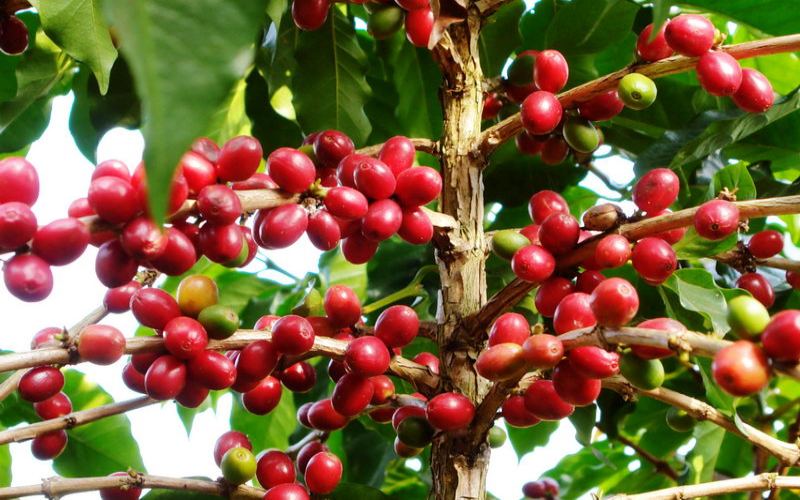
Complete Beginner's Guide to Kenyan Coffee: Varietal Characteristics, K72 Processing & Iced Pour Over Techniques
Kenyan coffee is renowned for its vibrant tomato-like acidity and delicate floral-fruit aromas, making it one of the most distinctive specialty coffees from Africa. This guide explores the geographic environments of Kenya’s six major coffee-growing regions, delves into the origins and traits of the SL28 and SL34 varieties, and explains in detail how Kenya’s unique K72 washed processing method contributes to its bright flavor profile. It also provides recommended pour over parameters and a three-stage pouring technique, along with three cold brewing methods — iced pour over, ice drip, and cold brew. [more…]

Brazilian Coffee Bean Grading and Bourbon Variety Guide: A Comprehensive Analysis of Regional Flavors and Brewing Parameters
Delve into Brazil’s unique status as the world’s largest coffee-producing country. This guide systematically explores the origin characteristics and cupping flavor profiles of Brazilian coffee beans—from grading standards and mainstream Bourbon varieties to the terroir differences across three key specialty regions. It also extends practical advice on roasting and pour over brewing to help coffee enthusiasts master comprehensive knowledge from bean selection to brewing. [more…]
How to Choose Papua New Guinean Coffee? A Guide to Peaberry, Flavor Profiles & Optimal Brewing Parameters
Although not a mainstream coffee-producing country, Papua New Guinea is renowned for its high-altitude washed Arabica beans, which are celebrated for their bright acidity and floral-fruit notes—comparable to South American flavors. This article takes an in-depth look at the characteristics of the country’s coffee-growing regions, the cultivation model of smallholder farmers, and explores the unique qualities of peaberry (PB), while also providing expert pour over recommendations and product suggestions to help you discover your own PNG coffee experience. [more…]
Nicaragua Storm Manor Maragogype Natural: Pour Over Parameters, Region Analysis & Rich Flavor Unveiled
The Maragogype Natural from Nicaragua's Storm Manor is renowned among specialty coffee enthusiasts for its large bean size and distinctive flavor profile. This article delves into the variety origins, regional ecology, and processing characteristics of this high-altitude-grown coffee, provides practical pour over brewing recommendations, and details its layered flavors ranging from tropical fruits to caramelized nuts—helping you master the key points of brewing and appreciating this unique coffee. [more…]
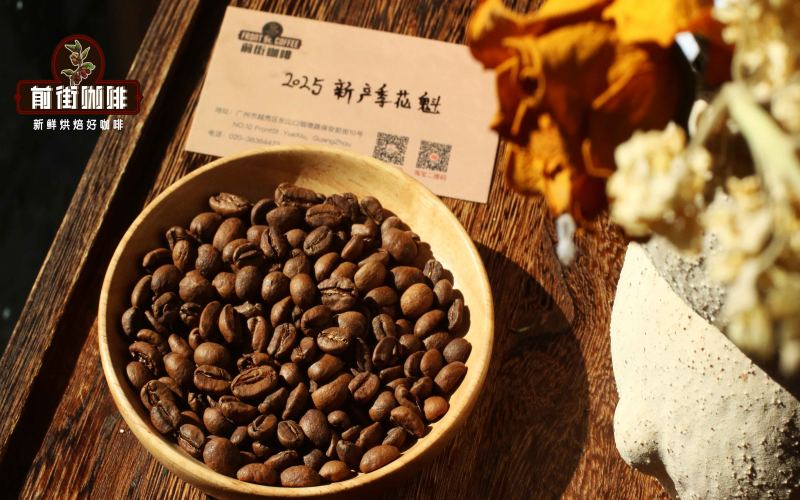
Complete Guide to Pour Over Brewing with Ethiopian Sidamo Natural Beans: Guji Hambella Region, Parameter Settings & Flavor Profile
As a classic specialty coffee region in Ethiopia, Sidamo is renowned for its distinctive floral and fruity aromas. However, many mistakenly believe that the popular "Hua Kui" (Guji Hambella) beans originate from here—when in fact, they come from Guji Hambella. This article delves into the geography and ethnic background of the Sidamo region, key sub-regions within Zone A such as Bensa and Shantawene, and provides a detailed breakdown of pour over brewing techniques for natural Sidamo beans. From filter choice and water temperature control to three-stage pouring, we’ll guide you through the essentials for extracting vibrant floral-fruity notes and juicy mouthfeel, while debunking common misconceptions. [more…]