







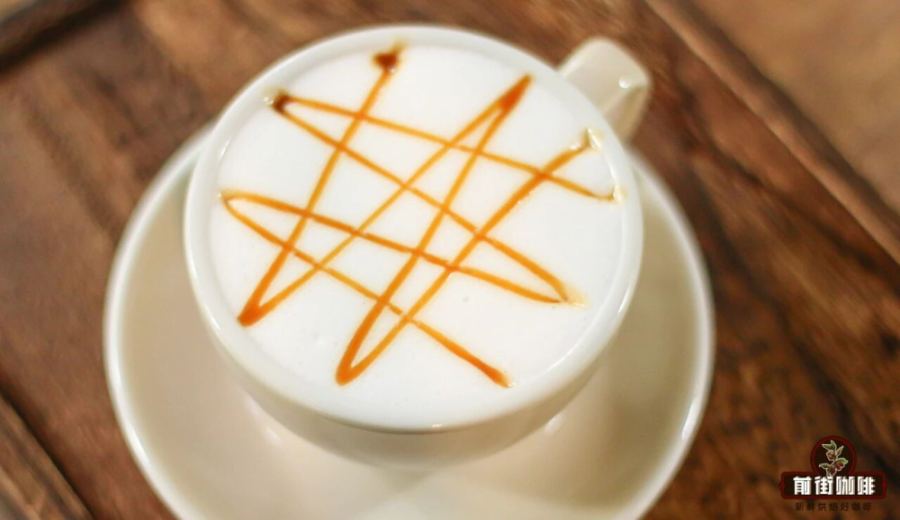
Introduction:Do you often confuse macchiato with caramel macchiato? Do you think macchiato is just a sweet milky coffee without caramel? In fact, they’re very different. This article will delve into the flavor characteristics of macchiato, provide a detailed introduction to its origins, and focus on explaining its fundamental differences from caramel macchiato, helping you clearly distinguish between these two easily confused coffee drinks and gain practical coffee knowledge.
Macchiato and caramel macchiato may sound similar, but they are actually two completely different coffee beverages. Many people mistakenly assume that macchiato is just a sweet milky coffee without caramel, only to find out when ordering that it’s actually a small cup with an intense flavor. Next, we’ll explain in detail the origin of macchiato, its flavor characteristics, and the essential differences between it and caramel macchiato.
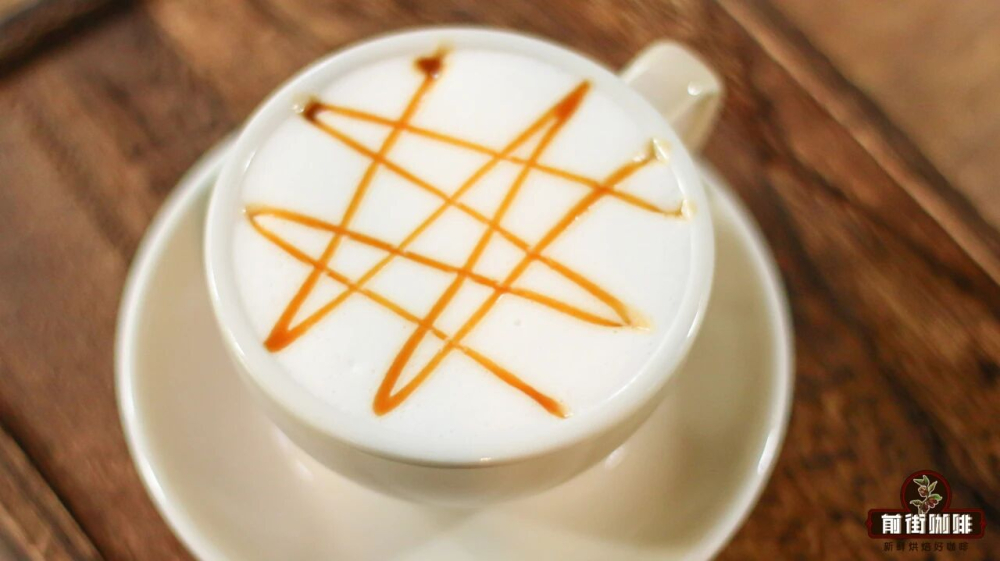
Because macchiato and caramel macchiato differ by just two characters in their names, many people unconsciously project the image of caramel macchiato onto macchiato, thinking that macchiato is just a large sweet milky coffee with a bit less caramel. Although many coffee shop menus today don’t even list macchiato, if you get the chance to order one, you’ll find that what you receive is not the large, sweet milky coffee you imagined, but rather a small cup with an unusually strong-tasting coffee.
Some might exclaim, isn’t this deceiving customers? Actually, it’s really not. Although both macchiato and caramel macchiato share the name “macchiato,” in a sense, they don’t belong to the same category of coffee. So what exactly is the difference between macchiato and caramel macchiato?
Here, let’s show you two shots of espresso—one plain with nothing added, and one with a small amount of milk added. Guess which one has milk? The answer is the left one—it’s not easy to tell at a glance. In fact, the birth of macchiato is related to this very thing.
Back then, coffee beans were mostly roasted using extremely dark roasts, resulting in an extraction that was extremely intense in flavor and heavy on bitterness. This kind of bitterness was so strong and stimulating that many people found it hard to accept. Therefore, something needed to be added to dilute the bitterness, and milk was the best choice. Adding just a little bit of milk not only lightened the bitterness and softened that intense sensation, but more importantly, made the espresso taste smoother and easier to drink.
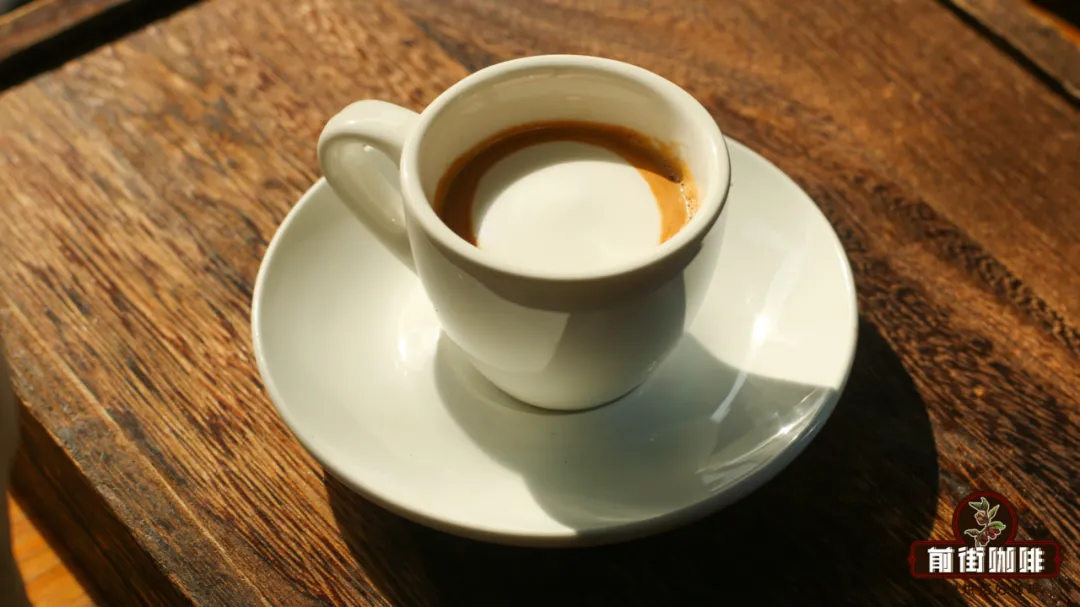
So back then, most people would ask the barista to add a bit of milk to their coffee to reduce the unpleasant experience caused by the bitterness. But as mentioned earlier, with just a small amount of milk added, the change in appearance was minimal. Moreover, during peak hours when coffee shops had high order volumes, baristas simply didn’t have the time to carefully distinguish which cups had milk added. So, they came up with a solution—adding a small dollop of milk foam on top of the espresso surface, making it possible to tell them apart.
The above content is compiled by CoffeeHunters, a coffee news website.


