








Introduction:If you want to experience the flavors of Geisha within a reasonable budget, the Blue Label has always been the go-to entry-level choice. In 2020, Finca Esmeralda first introduced a natural (sun-dried) version of the Blue Label Geisha, offering a new option in the market. This article takes an in-depth look at the three main growing regions of Finca Esmeralda, the grading criteria for the Red, Green, and Blue Labels, the differences between washed and natural processing methods, and provides practical pour over parameters and a three-stage brewing technique. It also summarizes the flavor profiles of each grade and explains the background of the Las Rocas volcanic Geisha after the discontinuation of the Blue Label in 2021.
For a long time, the Blue Label Geisha from Finca Esmeralda has been considered an excellent option for experiencing top-tier Geisha flavors at an accessible price. In the 2020 harvest season, this brand introduced the natural (sun-dried) processing method for the first time in the Blue Label series, drawing significant attention from coffee enthusiasts. Notably, some coffee retailers were among the first to import this batch of natural Blue Label Geisha and conducted detailed comparative tastings, allowing consumers to gain a deeper understanding of its unique characteristics. This article will comprehensively introduce the distribution and microclimate features of Finca Esmeralda’s three core growing regions, clarify the classification criteria for the Red, Green, and Blue Label grades, and compare the processing differences between washed and natural methods. Additionally, it will share practical medium-light roast curve settings and specific steps for a three-stage pour over, helping you fully unlock the potential of the Blue Label Geisha. The article concludes with a summary of the typical flavor characteristics of each grade and the background of Las Rocas volcanic Geisha as a substitute after the 2021 discontinuation of the Blue Label.
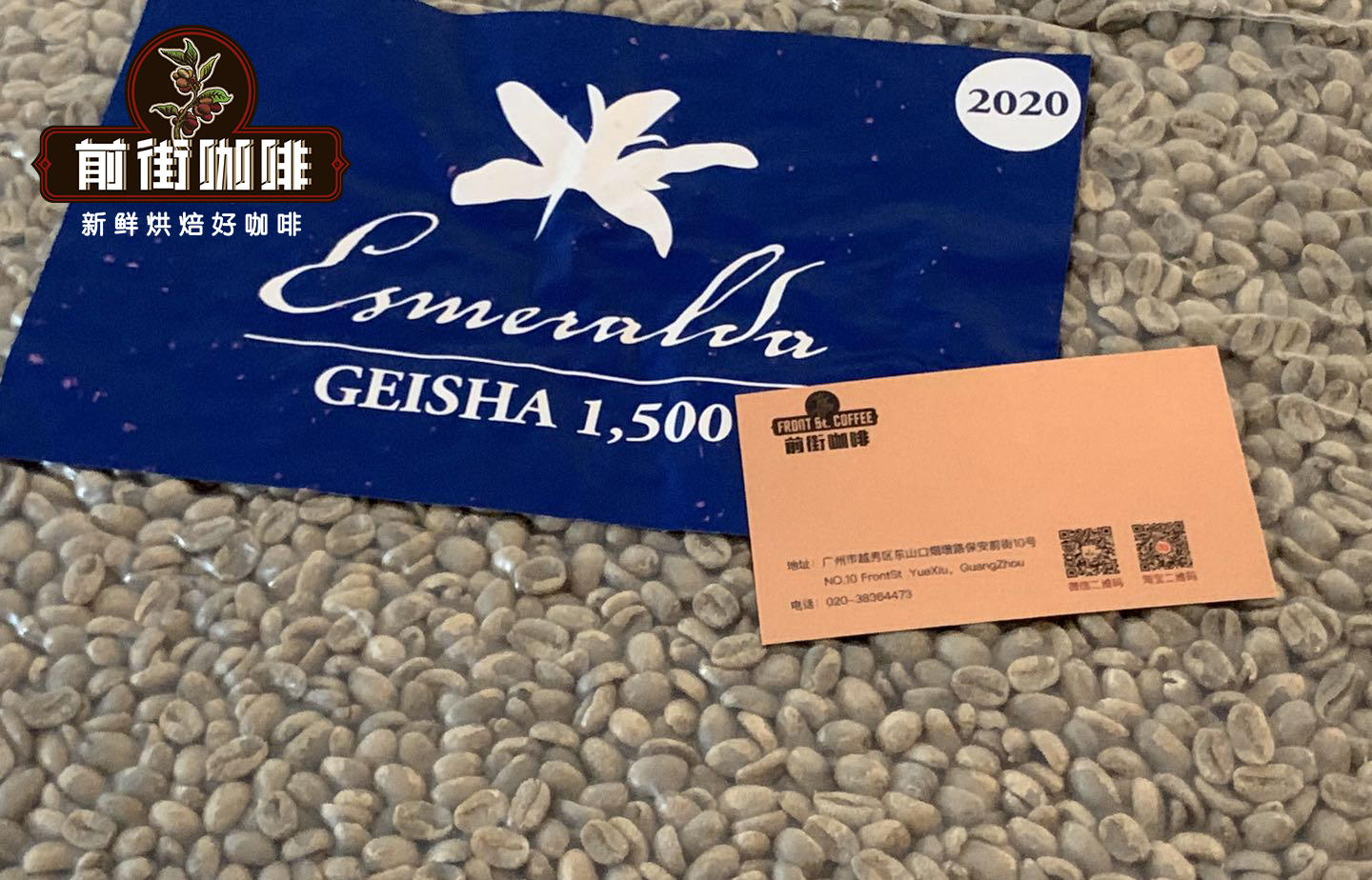
In 2020, Finca Esmeralda introduced a natural (sun-dried) version of the Geisha for the first time in the Blue Label series, offering a unique alternative in the market. Previously, only the Red and Green Labels featured natural batches. The 2020 natural Blue Label provided a new choice for coffee lovers who adore Geisha but have budget constraints. The Blue Label Geisha has always been regarded as a high-value, entry-level product from Finca Esmeralda, allowing people to experience the distinctive charm of Geisha without spending a fortune. However, in 2021, Finca Esmeralda announced the temporary removal of the Blue Label Geisha from its product line, sparking considerable discussion. Prior to this, natural processing was only seen in the Red and Green Labels, so the addition of the natural Blue Label batch in 2020 was undoubtedly a delightful surprise for many Geisha enthusiasts.
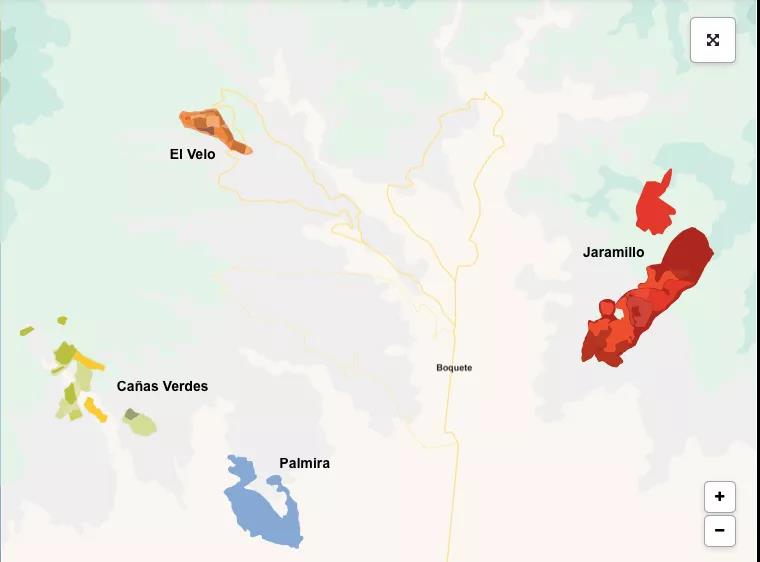
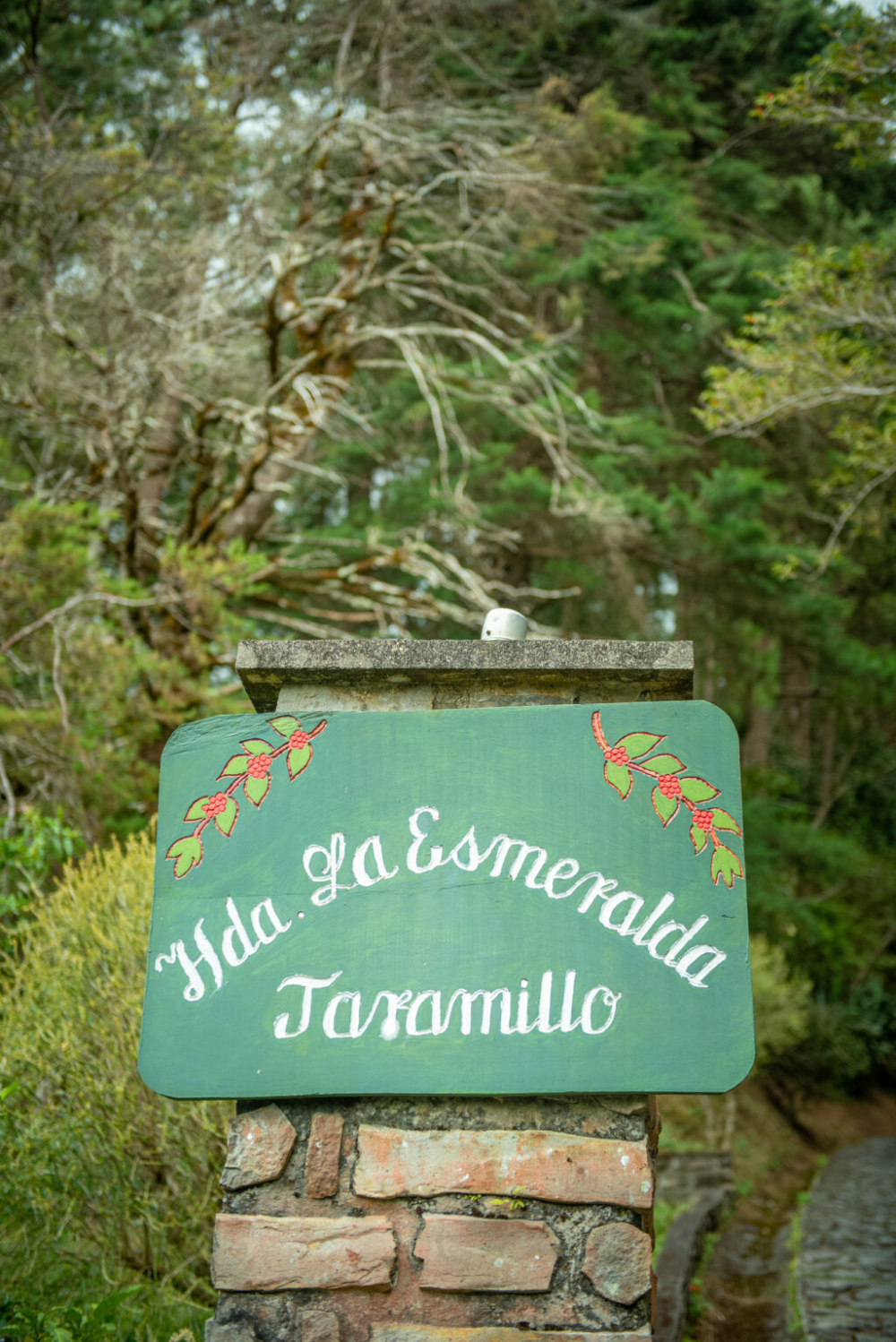
Finca Esmeralda has meticulously planned its Geisha-growing plots, primarily divided into three core regions: Jaramillo, Canas Verdes, and El Velo. Each major area is further subdivided into several smaller plots to precisely manage microclimates and flavor profiles. Jaramillo receives about 4,000 mm of annual rainfall, with significant day-night temperature differences, averaging between 19–25°C (day) and 11–15°C (night), at an elevation of 1,600–1,700 meters. It includes five smaller plots: Mario, Noria, Reina, Bosque, and Buenos Aires. Canas Verdes gets approximately 3,500 mm of rainfall annually, with day temperatures of 16–23°C and night temperatures of 10–15°C, at an elevation of 1,600–1,800 meters, comprising nine smaller plots: Lino, Coronado, Fundador, León, Montaña, Trapiche, Chinta, Cabaña, and Tumaco. As for the El Velo region, it is a more recently acquired plot by Finca Esmeralda, situated at a higher elevation of around 1,700–1,900 meters. In addition to Geisha and Catuai, it also grows specialty varieties such as Laurina, Pacamara, Mocha, and SL28, divided into seven smaller plots: Guabo, Portón, Durazno, Higo, Buena Vista, and Güila.
Finca Esmeralda classifies its Geisha based on growing altitude and cupping scores into three main grades. Esmeralda Special, commonly known as the Red Label, is grown at altitudes of 1,600–1,800 meters, requires a cupping score of 90 or above, and is limited to the Jaramillo and Canas Verdes regions. It is available in both washed and natural processing methods but can only be obtained through global auctions. Private Collection, commonly referred to as the Green Label, does not participate in auctions but maintains outstanding quality. It is also grown at 1,600–1,800 meters and is a blend from multiple plots, sometimes resembling the Red Label in flavor, with both washed and natural options available. Geisha1500, known as the Blue Label, is grown at slightly lower altitudes of 1,400–1,500 meters and is a blend of Geisha from all three regions: Jaramillo, Canas Verdes, and El Velo. It previously offered only washed processing, but in 2020, a natural version was added—this article focuses on this new seasonal natural Blue Label Geisha.
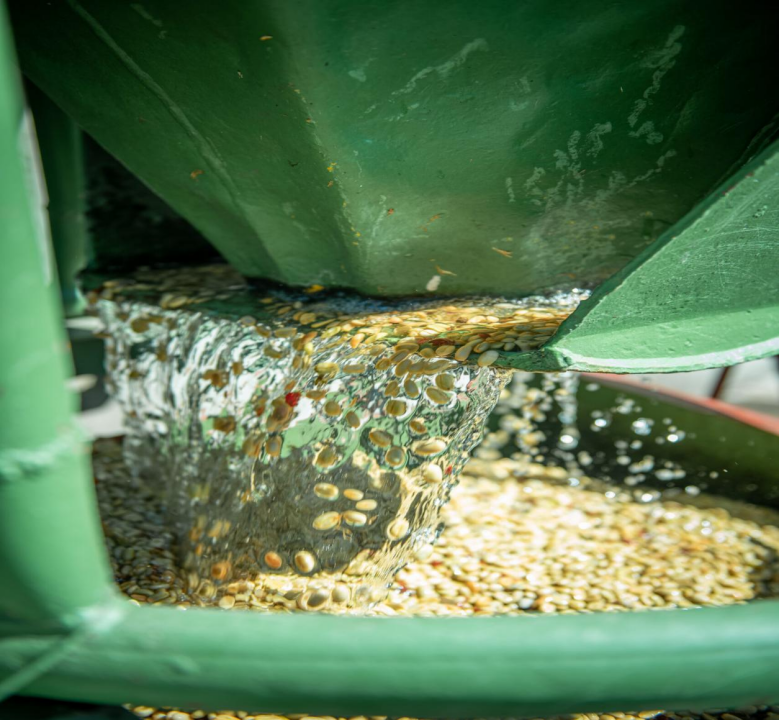
In terms of processing, Finca Esmeralda’s washed method is quite meticulous. First, a pulper removes most of the fruit pulp, then the parchment-covered beans are placed in water tanks for fermentation. Water quality differences help remove residual pulp, and buoyancy is used to sort out unripe and defective beans. Next comes mucilage fermentation (about 1 to 2 days), after which the mucilage is broken down and rinsed clean with water. Finally, the parchment-covered green beans are dried until their moisture content drops to 12%, before storage and removal of the parchment prior to export. For the natural process, coffee cherries are directly sun-dried in patios, allowing the beans to gradually dry inside the fruit and fully absorb fruity aromas. Drying time depends on weather conditions, typically lasting 3 to 5 days, after which they are moved into Guardiola dryers and rotated for 72 hours to prevent over-fermentation. Once drying is complete, the fruit pulp is removed by machine, followed by a 30 to 45-day maturation period (known as “época”), which helps stabilize flavors and enhance final brew performance.

For the Blue Label Geisha, a medium-light roast is recommended to enhance its floral and fruity notes and unique bright acidity. Suggested roast profile: charge at 180°C, with a flame power of 130 and air damper at 3; turning point is around 1 minute 32 seconds, when the drum temperature drops to 104°C, adjust the air damper to 4 while keeping the flame power unchanged; when the bean surface turns yellow (around 151.6°C) and grassy notes fade, it enters the drying phase; at about 7 minutes 56 seconds, when the bean surface shows wrinkles and dark spots, closely monitor the onset of first crack; first crack begins at 8 minutes 30 seconds, adjust the air damper to 5, and allow first crack to develop for about 1 minute 28 seconds, finally dropping the beans at 190°C.
For pour over, use 15 grams of coffee grounds with a 1:15 brew ratio, ground to a fine setting (80% through a #20 sieve), and maintain a water temperature of 91°C. Use a three-stage pouring method: first pour 30 grams of water and bloom for 30 seconds; second pour, pour 100 grams of water in a circular motion from the center outward, slowing the pour and waiting for the water level to drop halfway; third pour, add 95 grams of water just as the coffee bed begins to show, for a total of 225 grams of water and a total brew time of about 2 minutes.
Flavor profiles for each grade are as follows: Red Label (natural) showcases bright rose and citrus aromas, along with complex notes of rice, berries, apricots, and honey. It offers a juicy, layered taste with prominent sweetness. Green Label (washed) has an intense jasmine floral aroma upon entry, with high sweetness and a fusion of citrus, berries, cream, green tea, and cantaloupe flavors, leaving a long-lasting finish. Blue Label (washed) presents gentle acidity with lemon and grapefruit tones, developing oolong tea and honey aftertaste as it cools, delivering a clean and refreshing mouthfeel; if natural processed, it exudes intense fruity sweetness, tasting like melon and tropical fruits, with exceptionally outstanding sweetness.
Notably, in 2021, Finca Esmeralda announced that the Blue Label Geisha would no longer be produced that season, with only the Red and Green Labels remaining. Many consumers worried about losing access to high-quality Panamanian Geisha at an affordable price. However, in October of the same year, a volcanic Geisha coffee bean named Las Rocas arrived in port. Upon investigation, it was confirmed that these beans actually originated from Finca Esmeralda. Although branded under a different name, they maintained the quality level of the Blue Label grade and were washed processed, providing Geisha fans who loved the Blue Label a viable alternative.

The above content is compiled by CoffeeHunters, a coffee news website.


