







Category: Coffee Knowledge
Brazilian Natural Bourbon Pour Over Tutorial: A Complete Guide to Parameter Settings and Flavor Analysis
Want to understand the unique charm of Brazilian Bourbon beans and brew a specialty coffee with flavors of dark chocolate and roasted sunflower seeds at home? This article starts with the botanical background of the Bourbon variety, compares it with Catuai, deeply analyzes the terroir characteristics of regions like South Minas, and provides practical pour over parameters: 15g coffee grounds, 88–89°C water temperature, and a 1:15 coffee-to-water ratio. Master the key extraction points and experience the rich and full-bodied flavors of Brazilian coffee. [more…]
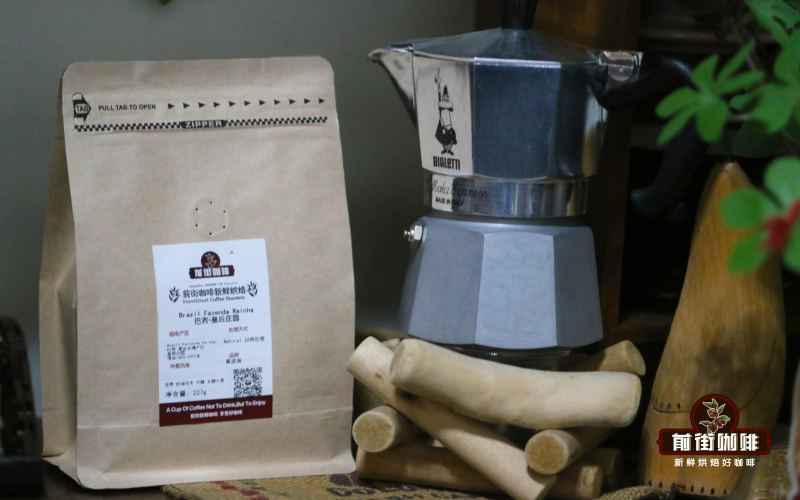
Brazilian Empress Estate Yellow Bourbon Natural Bean: A Comprehensive Guide to Mogiana Region Flavors and Processing
Brazilian coffee is often seen as a base for blends, but Empress Estate in the Mogiana region stands out with its Yellow Bourbon variety and refined natural processing method, crafting a uniquely flavorful specialty coffee. This article delves into the estate’s geographical advantages, varietal characteristics, details of the natural processing, and shares flavor profiles along with practical brewing suggestions—inviting you to explore this high-altitude Brazilian bean that boasts both sugarcane sweetness and almond-cocoa notes. [more…]
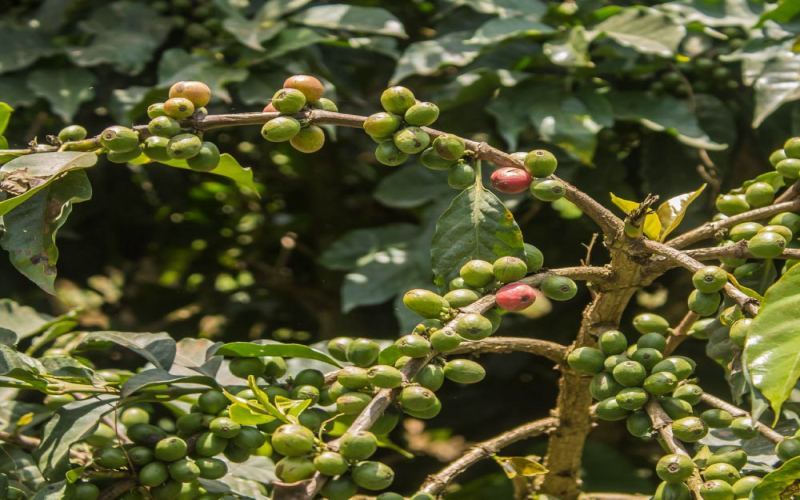
How to brew Kenyan PB peaberry? A comprehensive guide covering grades, varieties, and V60 pour over parameters
Kenyan coffee is renowned for its bright acidity and complex layers, with PB peaberry and the SL28 variety being particular focuses for enthusiasts. This article delves into Kenya’s coffee grading system, explores the unique origins and flavor characteristics of PB peaberry, introduces the historical background and flavor profile of the SL28 variety, and shares key V60 pour over parameters and tasting notes through practical examples, helping you master the brewing techniques for this African specialty bean. [more…]
Jamaica Blue Mountain Coffee Identification Tips: Sensory Evaluation & Pour Over Parameters
Jamaica Blue Mountain coffee is renowned for its balanced flavor profile of sweetness, acidity, and bitterness, and is hailed as one of the world’s top-tier coffees. However, its rarity and high price have led to a proliferation of counterfeit products on the market. This article delves into the origin background and variety characteristics of Blue Mountain coffee, detailing its historical roots and the distribution of its three core growing regions. It also provides practical tips for identifying authenticity through five key aspects: raw bean appearance, ground coffee feel, aroma profile, flavor contour, and overall mouthfeel. Additionally, a complete pour over brewing guide for the brand’s Blue Mountain No. 1 is included. [more…]
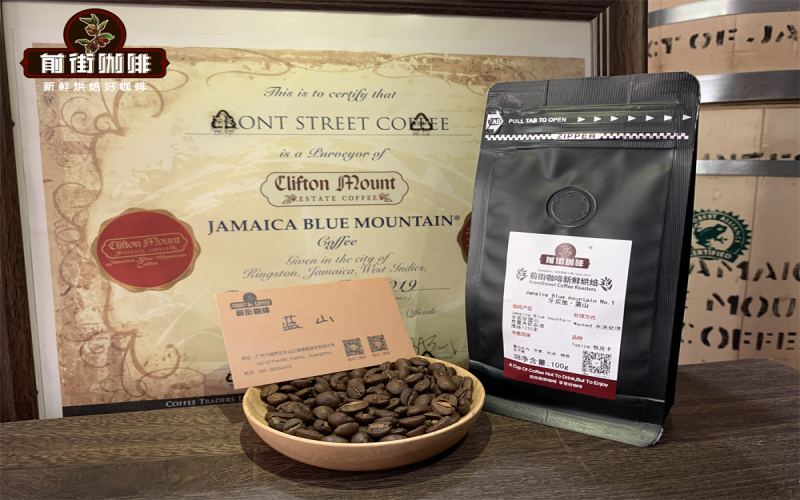
How to Choose Jamaican Blue Mountain Coffee? A Complete Guide to Grades, Flavors, and Washed Processing
Jamaican Blue Mountain coffee is renowned for its unique flavor and rare origin, making it the dream bean for many coffee enthusiasts. This article delves into the Typica variety background of Blue Mountain coffee, the microclimate and high-altitude growing environment of the Blue Mountains, the characteristics of the washed processing method, as well as the four-grade classification standards certified by the CIB. It also provides professional pour over recommendations and parameter settings to help you better understand the essence of this specialty coffee. [more…]
The Ultimate Guide to Tasting Indonesian PWN Golden Mandheling | A Five-Step Analysis & Flavor Guide
Tasting coffee isn’t difficult—mastering the scientific method allows you to deeply appreciate its charm. This article uses Indonesian PWN Golden Mandheling as an example, guiding you step-by-step through the professional tasting process from aroma, taste, flavor, mouthfeel, to aftertaste. It not only introduces the strict selection criteria and grading system of this classic Mandheling, but also provides clear sensory descriptions to help you understand the transition from hazelnut dry fragrance to dark chocolate, building a systematic coffee tasting ability. [more…]
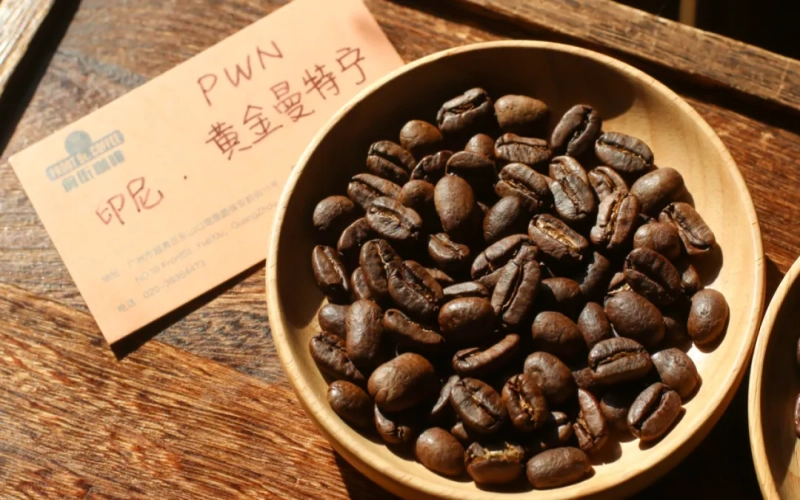
Flavor Profile of Indonesia's PWN Golden Mandheling | Classic Taste Achieved Through Wet-Hulled Processing and Five-Stage Screening
PWN Golden Mandheling from Sumatra, Indonesia, is renowned for its unique wet-hulled processing method and rigorous five-stage screening process. This article provides an in-depth look at the origin background of this classic coffee bean, the characteristics of its bean variety, and the sweet herbal, cinnamon spice, and creamy chocolate flavors it presents under medium-dark roasting. It also explores the development history of wet-hulled processing and the transformational qualities of its aged versions, helping you understand the origin of the name "Golden Mandheling" and how PWN has built its market position through strict quality control. [more…]
The Complete Guide to Panama Geisha (Huehuetenango) Grading: Differences Between Red and Green Labels and Beginner Recommendations
Geisha coffee from Hacienda La Esmeralda has long been a leader in the specialty coffee world, with its Red Label, Green Label, and the now-discontinued Blue Label each boasting unique regional backgrounds, processing methods, and flavor profiles. This article takes an in-depth look at the grading logic behind Hacienda La Esmeralda’s three tiers, comparing the Red Label (both auction and non-auction), Green Label (Private Collection), and the discontinued Blue Label in terms of altitude, flavor, and processing, while also recommending the Boquete Geisha for beginners to help you make a smarter choice for your own Geisha experience. [more…]
A Comprehensive Guide to Panama Geisha Green Label: Regions, Grade Evolution, and Pour Over Parameters
The Green Label Geisha from La Esmeralda Estate was once the starting point for many coffee enthusiasts exploring the Geisha variety. Although this grade has since been discontinued, its history and characteristics remain worth understanding. This article delves into the regional background of Green Label Geisha, the logic behind its grade classification, compares it with Red Label and Green Label, and provides practical pour over recommendations and entry-level choices to help you better appreciate the diverse flavor profiles of Geisha. [more…]
Complete Guide to the Flavors and Pour Over Techniques of West Java Amanie Honey Processed Beans from Indonesia
The honey processed coffee from Amanie in West Java, Indonesia, rewrites people’s impression of Indonesian beans being heavy and bitter with its tropical fruit aromas and sweet aftertaste. Sourced from the Tugu Raja mountain region at an altitude of 1400 to 1600 meters, this honey processed bean preserves the sweetness of ripe fruit through a special processing method and scored as high as 92 points in cupping. This article delves into the principles behind its honey processing technique, the terroir characteristics of the West Java region, the flavor profile of the bean variety, and provides professional pour over extraction parameters to help you master the brewing secrets of this elegant coffee. [more…]
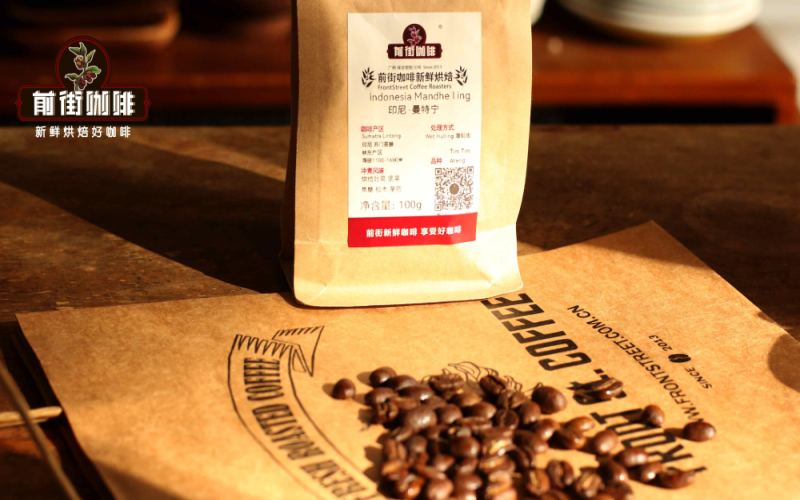
Indonesian Lintong Mandheling Pour Over Guide | Flavor Analysis, Two-Lake Comparison & Golden Mandheling Differences
An in-depth exploration of Mandheling coffee beans from Indonesia’s Sumatra Lintong region, covering the growing environment, wet-hulled processing characteristics, classic flavor profiles, and key pour over brewing parameters. This guide also compares the flavor profiles of the "Two Lakes Twin Mandhelings" from Lake Toba and Lake Towuti, and introduces the premium PWN Golden Mandheling. Finally, practical pour over settings are provided to help you fully showcase Mandheling's richness and layered complexity. [more…]

The Complete Guide to Making Cold Drip Coffee: From Equipment Selection to Flavor Maturation
Cold drip coffee is renowned for its low acidity, rich body, and layered flavors. Although its brewing process is more complex than cold brew, mastering the correct ratio and technique allows you to replicate café-quality flavor at home. This guide will take you from scratch, detailing everything from equipment preparation, grind-to-water-to-ice ratio settings, filter paper placement, and drip rate adjustments, to recommended coffee beans suited for cold drip—helping you easily craft a refreshing and complex cold drip coffee. [more…]

Complete Guide to Starting a Coffee Shop: From Market Analysis to Opening Preparation
Planning to open a coffee shop but not sure where to start? This article provides comprehensive guidance from SWOT market analysis to actual opening, covering positioning strategy, financial planning, menu design, and key aspects of store operations. It helps you systematically master the core steps of starting a coffee shop and avoid common pitfalls. [more…]

SWOT Analysis for Starting a Campus Café: A Comprehensive Guide from Strengths to Strategies
Opening a café near a campus requires careful planning. This article provides an in-depth SWOT analysis of internal and external factors affecting campus cafés, including raw material costs, customer demographics, competitive environment, and more. It also outlines four strategic directions: SO, WO, ST, and WT. Whether you're evaluating market potential, defining your business positioning, or avoiding common risks, this guide helps entrepreneurs establish a clear roadmap for running their café. [more…]
Suzhou Specialty Cafés Map: An In-Depth Guide to Pour Over & Flavorful Beans
This Suzhou boutique café list, compiled by seasoned coffee enthusiasts, features over seventy high-quality shops scattered across Gusu District, SIP (Suzhou Industrial Park), SND (Suzhou New District), and Wuzhong District. From artsy little spots and buildings with Republican-era architecture to pet-friendly spaces, it covers pour over coffee, single-origin bean selections, and distinctive roasting flavors. Whether you're seeking a top-tier pour over experience or hoping to enjoy a tranquil atmosphere in a standalone building, this practical map will guide you through the diverse world of Suzhou’s coffee scene. [more…]

Introduction to Making an Espresso Latte: Selecting Coffee Beans, Milk Ratios, and Decoding the 1:5 Golden Formula
Want to make a professional-grade espresso latte at home? The key to a successful latte lies in selecting the right coffee beans, choosing the right type of milk, and achieving the precise ratio between coffee and milk. This article delves into the core elements of latte-making — from the freshness and roast profile of the beans, to the fat content of the milk and temperature control — then guides you step by step in mastering the classic 1:5 golden ratio, helping you craft a well-balanced, flavorful latte with clear layers of milk and coffee aroma. [more…]
Make a smooth-tasting latte at home: A complete guide to coffee beans, milk ratio, and extraction techniques
Latte is not just a simple mix of espresso and milk. To brew a smooth, well-layered latte at home, the key lies in selecting the right coffee beans, mastering the correct milk ratio, and understanding the standard extraction process. This article explains the true meaning of the Italian word "Latte," provides tips on bean selection, and offers practical advice on ratios and techniques to help you consistently make a professional-level latte that rivals those from coffee shops. [more…]

How to Tell Latte from Mocha? Understand Everything from Base Ratios to the Salty Mocha Trend
Although both latte and mocha belong to the category of espresso-based milk coffees, they diverge in flavor due to the presence of chocolate. This article delves into the differences in their recipes, taste profiles, and preparation methods, and explores how the recently popular salty mocha has become a bestseller in coffee shops during autumn and winter. Through hands-on tasting experiences and a professional perspective, it helps readers discern the essence of classic coffees and master selection tips. [more…]
Ethiopia Yirgacheffe Aricha G1 Washed Beans: A Complete Guide to Flavor Profile & Pour Over Parameters
Yirgacheffe Aricha G1 washed beans are renowned for their bright acidity and honey-like sweetness, making them a top choice for many coffee enthusiasts just starting out. This article delves into its origins in the highlands of southern Ethiopia, the details of its washed processing method, and how to achieve its optimal flavor layers through precise pour over brewing — including practical recommendations on water temperature, grind size, and coffee-to-water ratio. [more…]
Ethiopia Yirgacheffe Aricha G1 Washed Bean: A Complete Guide to Grade, Flavor, and Pour Over Techniques
Dive deep into the regional characteristics, processing methods, and SCAA grading system of Ethiopia Yirgacheffe Aricha G1 washed coffee beans, and master the unique flavor profile of this high-altitude heirloom variety. This article provides professional pour over recommendations and tested parameters to help you fully showcase Aricha G1’s citrus, honey, and red berry layers—from roast level and grind size to water temperature control. [more…]