







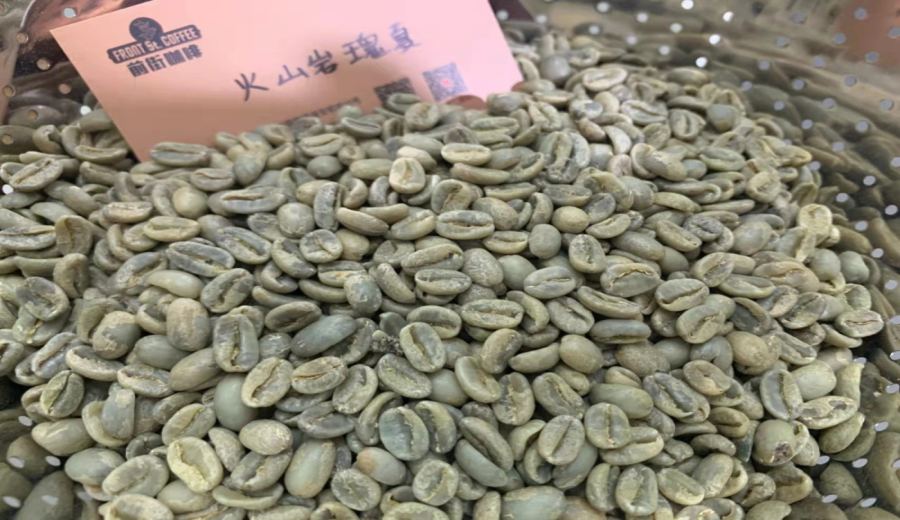
Introduction:In 2021, the sudden discontinuation of the popular Green Label Geisha by Finca El Velo sparked widespread speculation in the industry. Soon after, a new Panamanian Geisha from the Boquete region called "Las Rocas" appeared on the market, leading many to wonder if it was a substitute for the Green Label. This article delves into the grading system of Finca El Velo’s Geisha, the distribution of its three core growing regions, and differences in processing methods. We also explore the reasons behind the discontinuation of the Green Label, and provide a full introduction to the Las Rocas Volcanic Rock Geisha — including its origin, processing, and flavor profile — along with pour over recommendations and actual tasting notes, helping coffee enthusiasts continue to explore the charm of Geisha at a reasonable price.
In October 2021, a meticulously packaged Panamanian Geisha labeled “Las Rocas” quietly entered the market with an origin listed as Boquete. Behind this newly arrived batch lies a key clue to why Finca El Velo discontinued its Green Label Geisha. Why did Finca El Velo decide to cancel the Green Label series? And is Las Rocas, as speculated, essentially a “reincarnation” of the Green Label? This article will guide you through the complete grading system of Finca El Velo’s Geisha, the detailed distribution of its three core plots, and the diversity of its processing techniques. We’ll also take an in-depth look at the origin and flavor of the Las Rocas Volcanic Rock Geisha, and offer practical pour over parameters so you can still enjoy翡翠-level Geisha flavors at an accessible price — even if you missed out on the Green Label.
Before 2021, the Green Label Geisha from Finca El Velo had long been a gateway option for many coffee lovers to experience high-quality Geisha. According to previous years’ patterns, about a month after the Red Label was released, the Green Label would follow. However, in 2021, the Green Label unusually did not appear. The industry began to speculate that Finca El Velo might have adjusted its product strategy, keeping only the Red Label (Finca Select) and the Green Label (Private Collection) series. In fact, as a more “affordable” blended Geisha product line under Finca El Velo, the 2020 new harvest of the Green Label even introduced a natural processed version for the first time, offering consumers more diverse flavor options. Yet, it was suddenly discontinued without warning that year, sparking heated discussions in the market.
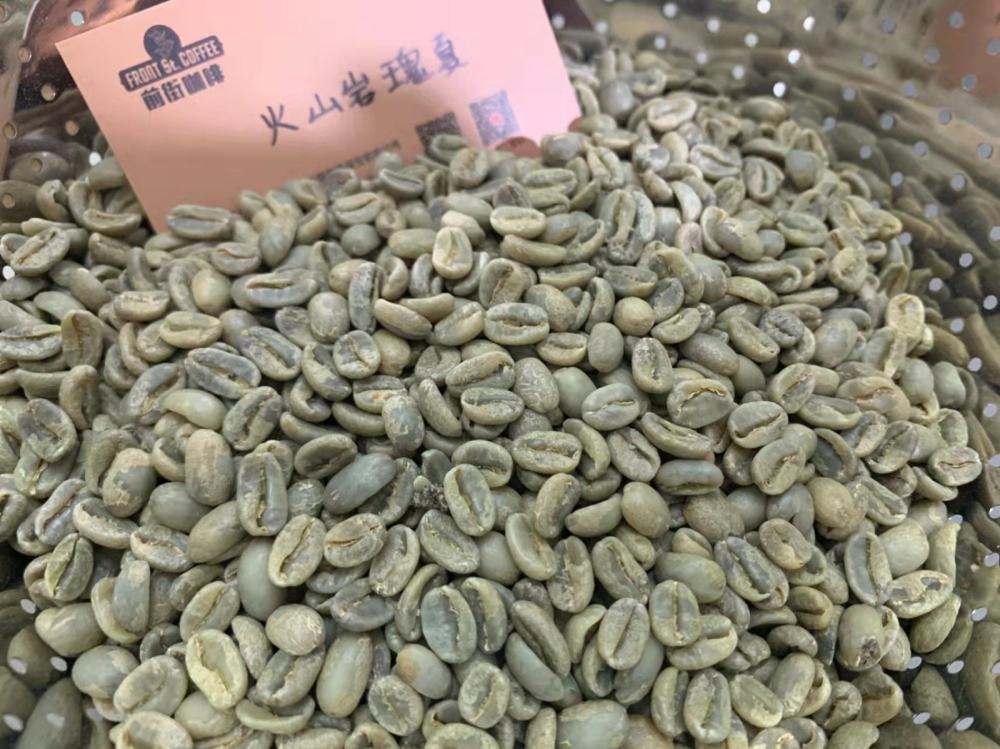
After multiple verifications regarding the true identity of the Las Rocas Volcanic Rock Geisha, it has been confirmed that this Panamanian Geisha, which arrived in October 2021, indeed originates from Finca El Velo. Although it came with a new name on the packaging, clues from its production region and processing background reveal the connection — the washed processing method used for Las Rocas is consistent with that of the previous Green Label Geisha, and the origin is clearly identified as the Boquete region of Panama, the heartland of Finca El Velo’s core farms. This suggests that Las Rocas is very likely a “variation version” launched by Finca El Velo to fill the market gap after the discontinuation of the Green Label, continuing to deliver a similar quality experience for consumers seeking Geisha flavors.
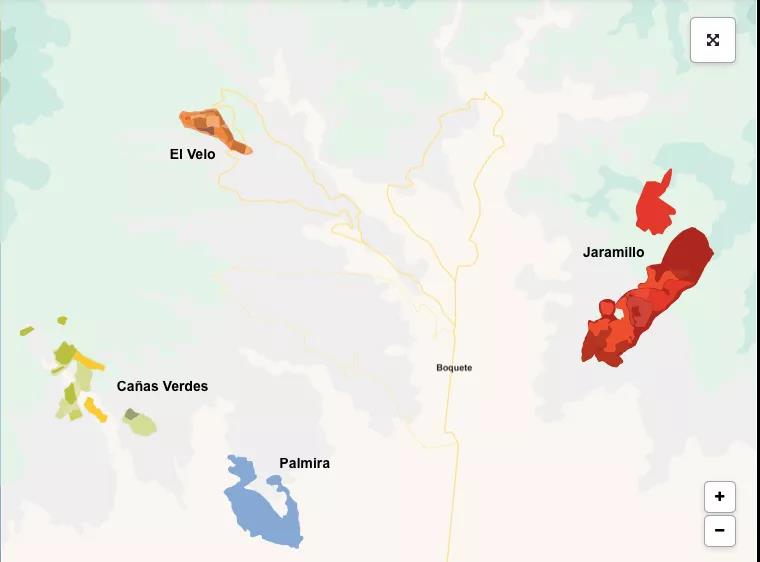
Understanding the planting layout of Geisha at Finca El Velo is key to deciphering this “rebranding mystery.” The farm strictly divides its Geisha cultivation areas into three core plots: Jaramillo, Canas Verdes, and El Velo. Among them, the Jaramillo plot sits at an altitude of 1600–1700 meters, with annual rainfall reaching 4000 mm and stable day-night temperature differences ranging from 19–25°C (day) and 11–15°C (night), further subdivided into five smaller sections such as Mario, Noria, and Reina. The Canas Verdes plot is at a slightly higher altitude (1600–1800 meters), with annual rainfall of 3500 mm, comprising nine smaller plots including Lino and Coronado. As for the newly acquired El Velo plot, it sits even higher (1700–1900 meters), and in addition to Geisha, it also grows special varieties such as Catuai, Laurina, and Pacamara, divided into seven smaller plots such as Guabo and Portón.The altitude, microclimate, and soil characteristics of each plot directly influence the flavor potential of the coffee beans.
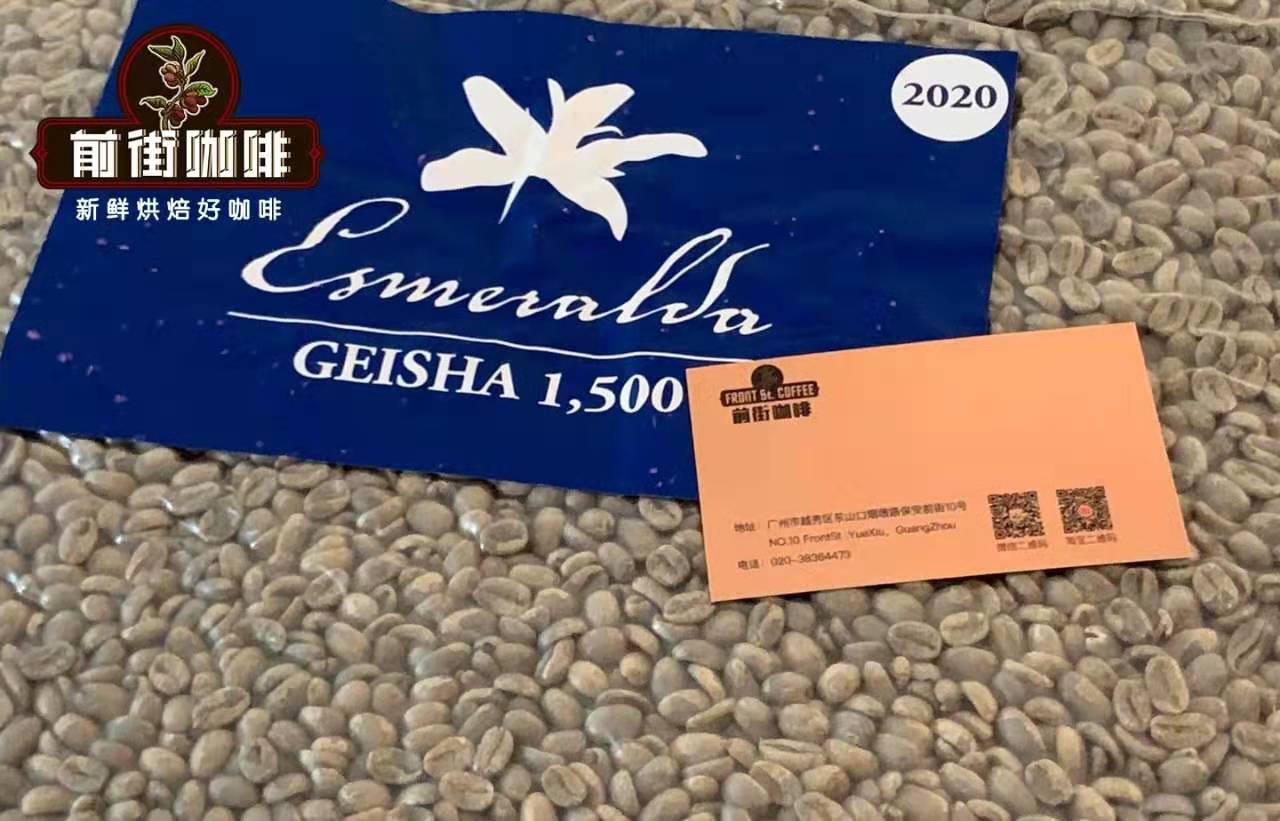
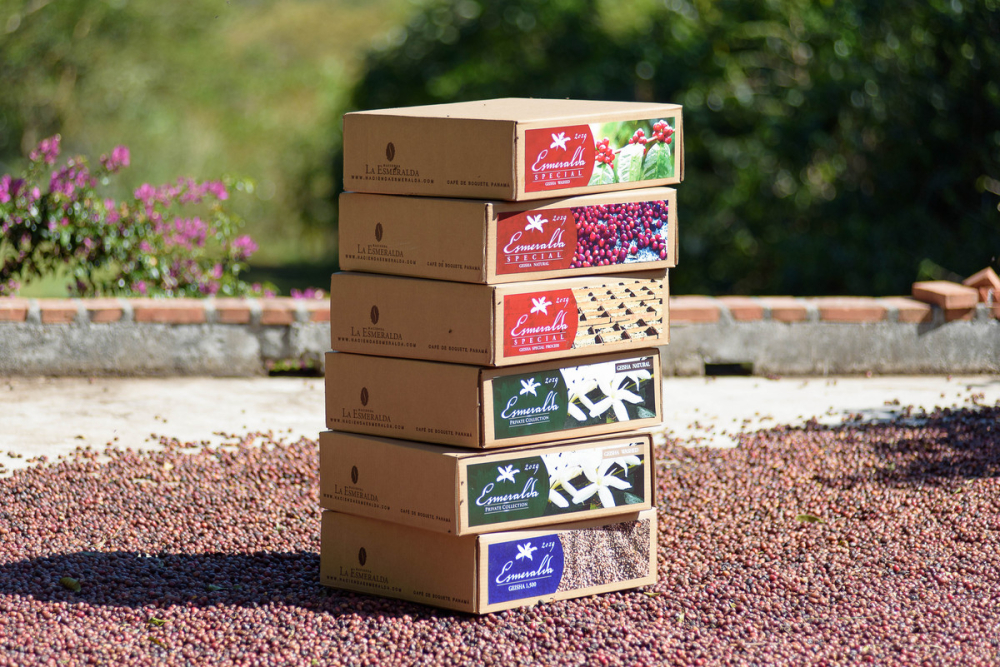
Based on altitude and actual cupping performance, Finca El Velo categorizes its Geisha into three grades: the top-tier Esmeralda Special (Red Label), grown at 1600–1800 meters with cupping scores of 90 or above, limited to the Jaramillo and Canas Verdes regions, available in either washed or natural processes, and only obtainable through global auctions; the mid-tier Private Collection (Green Label), also not auctioned, overlaps in altitude range with the Red Label, blends batches from multiple plots, and retains the classic floral, fruity, and citrus acidity notes of Geisha, also offered in both washed and natural versions; the former Blue Label, known as Geisha1500, is positioned as an “affordable” blended product, grown at 1400–1500 meters, blending Geisha beans from all three major plots — Jaramillo, Canas Verdes, and El Velo. Before 2020, it was only available in washed process, but the 2020 new harvest introduced a natural version for the first time.
In terms of processing methods, Finca El Velo’s washed process is extremely meticulous: first, a depulper removes most of the fruit pulp from the coffee cherry, then the parchment-covered beans enter a water tank for 1–2 days of fermentation to remove residual pulp. Using buoyancy principles, unripe and defective beans are sorted out, then the beans are de-pulped again and left to ferment with mucilage. They are subsequently rinsed clean with fresh water, and finally, the parchment-covered green beans are dried to a moisture content of 12% before storage, with the parchment removed prior to export. For the natural process, coffee cherries are spread directly on concrete patios in the courtyard and sun-dried for 3–5 days (8 hours per day) depending on weather conditions. Once adequately dried, they are moved to a Guardiola dryer and rotated for 72 hours, then rested in nylon bags for 30–45 days (called “eposo”) to stabilize the flavors.This staged temperature and humidity control processing method effectively preserves fruity aromas and enhances cup performance.
For the roasting strategy of the Blue Label Geisha (Geisha1500), past approaches mostly used medium-light roasts to emphasize floral-fruity aromas and unique acidity: the charge temperature is 180°C, initial flame power 130, air damper 3. At the turnaround point of 1 minute 32 seconds, the temperature is 104°C, and the air damper is adjusted to 4. At 7 minutes 56 seconds, when the beans turn yellow and grassy notes disappear, entering the drying phase, at 151.6°C ugly wrinkles and black spots appear. First crack starts at 8 minutes 30 seconds (air damper 5), with first crack development lasting 1 minute 28 seconds. The final drop is at 190°C. For pour over, it is recommended to use 15g of coffee grounds, a 1:15 coffee-to-water ratio, 20# sieve 80% passed fine grind, water temperature controlled at 91°C, using a three-stage pouring method: first stage 30g bloom for 30 seconds, second stage 100g center pour, third stage 95g additional pour for a total of 225g, with a total brew time of about 2 minutes.
Actual tasting notes show that the Red Label (natural) presents bright rose and citrus aromas, accompanied by complex fruit notes like unhulled rice, berries, and apricots, with a rich, juicy body and outstanding sweetness. The Green Label (washed) features jasmine as the main theme, layered with citrus, berries, cream, and cantaloupe, with a long aftertaste. The Blue Label (washed) has a gentle entrance with lemon and grapefruit acidity, followed by oolong tea and honey sweetness as it cools, balancing cleanliness with brightness. The natural version of the Blue Label offers fermented aromas and fruity sweetness, bursting with juice-like notes reminiscent of melon and tropical fruits.These flavor characteristics can also be found echoing in the Las Rocas Volcanic Rock Geisha.
Based on current information and market observations, Las Rocas is very likely a substitute product launched by Finca El Velo in 2021 after discontinuing the Blue Label, to maintain market supply. Though the name and packaging differ, its origin (Boquete, Panama), processing method (washed), and positioning (filling the Blue Label market gap) all suggest a connection between the two.For consumers seeking翡翠-level Geisha flavors but with a limited budget, the Las Rocas Volcanic Rock Geisha is undoubtedly a worthy option to try. And understanding Finca El Velo’s grading system and plot characteristics can help you make more precise judgments among the many Geisha offerings.


The above content is compiled by CoffeeHunters, a coffee news website.


